Information
Landmark: Sierra Negra VolcanoCity: Galapagos Islands
Country: Ecuador
Continent: South America
Sierra Negra Volcano, Galapagos Islands, Ecuador, South America
Overview
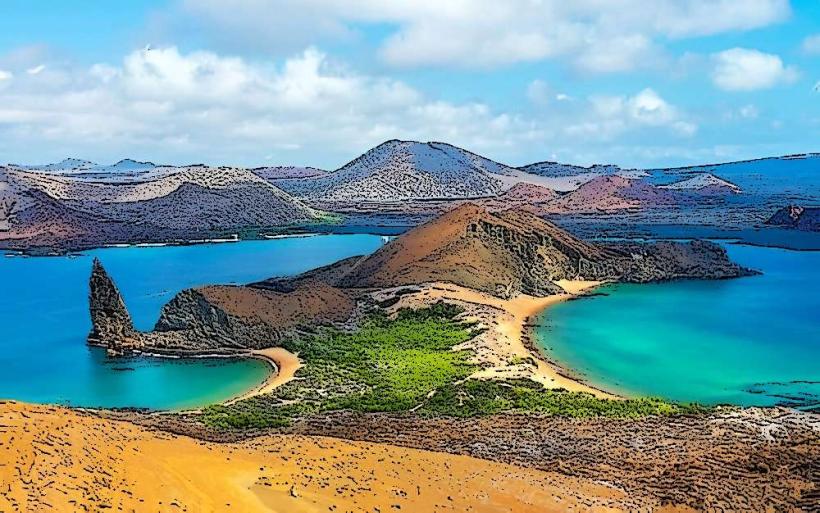
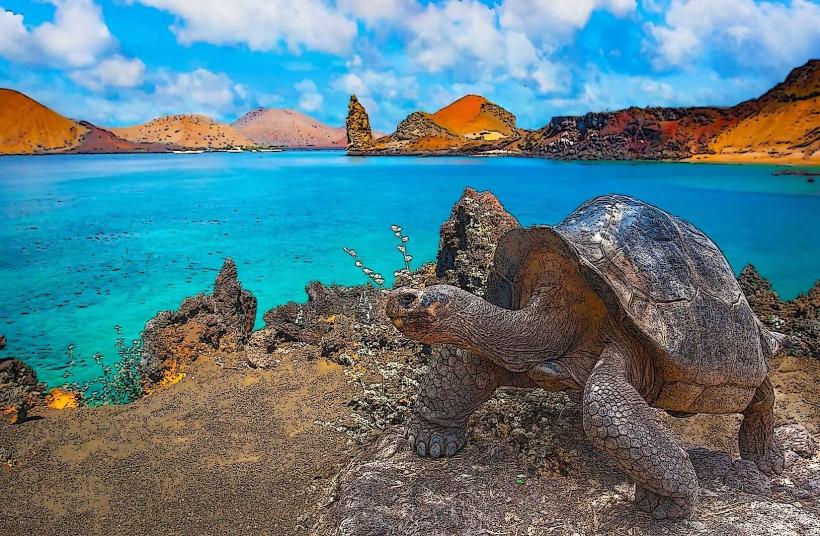
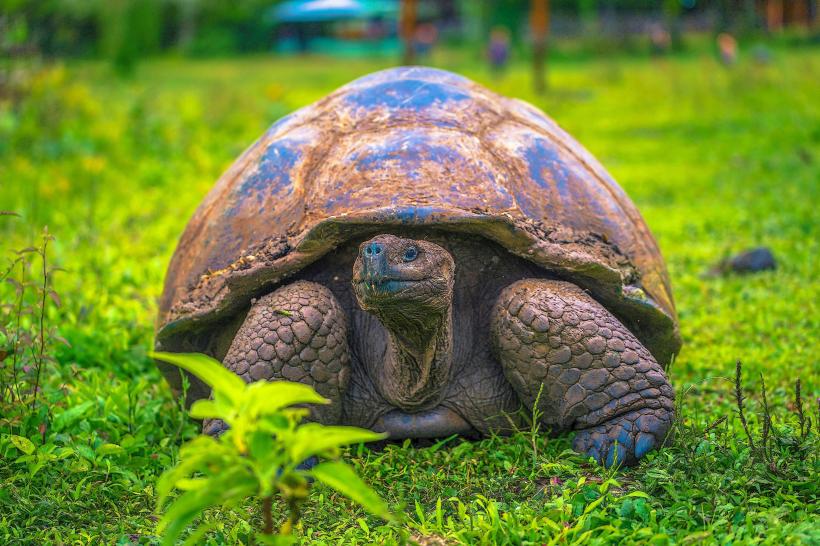
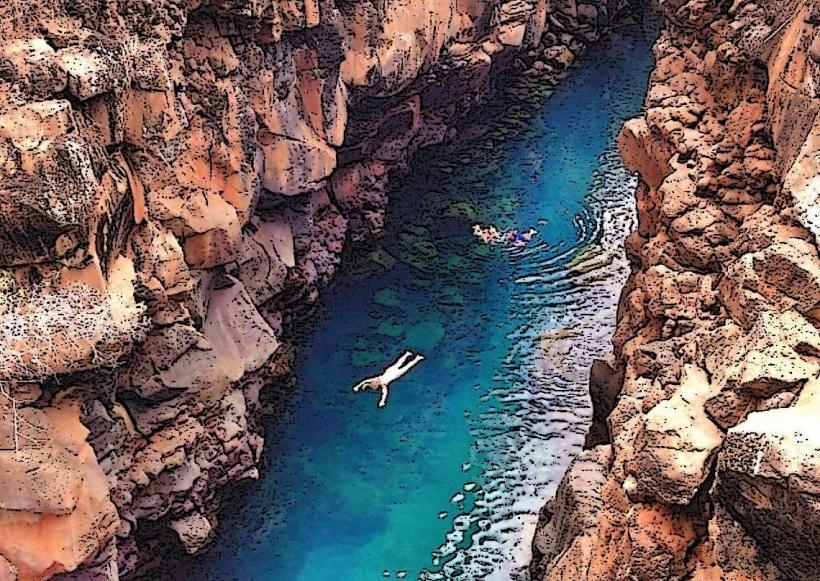
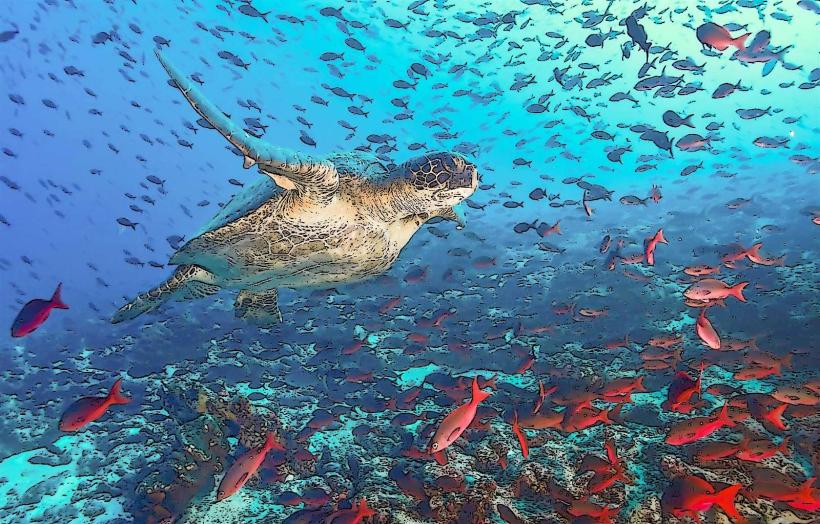
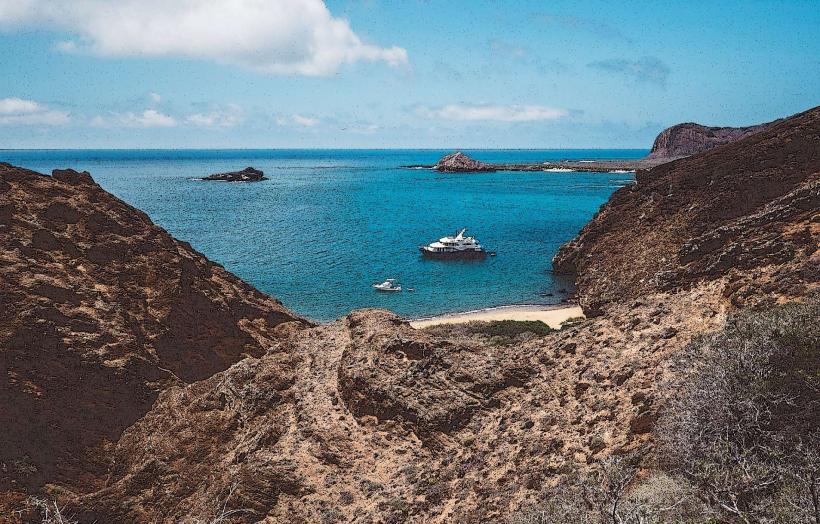
Sierra Negra Volcano, with its vast caldera and steady plumes of steam, is one of the most active and striking sights in the Galápagos, rising from the wild landscape of Isabela Island, the largest in the archipelago, not only that sierra Negra, with its vast caldera stretching to the horizon and views that stop you in your tracks, draws adventurers, nature lovers, and anyone fascinated by the Galápagos’ raw geological power.Sierra Negra sits in the southern stretch of Isabela Island, where murky volcanic slopes rise against the sky, likewise it’s part of the Volcanic Complex of Isabela, home to other striking peaks like Alcedo, Wolf, and Cerro Azul, where dim lava slopes catch the afternoon sun, roughly Sierra Negra is the second-tallest volcano on Isabela Island, rising 1,124 meters-about as high as a cloud-filled morning sky-above sea level, then it’s best known for its massive caldera-about 10 kilometers, or six miles, across-wide enough to swallow a compact town, and ranking among the largest volcanic craters on Earth.Sierra Negra’s caldera towers in quiet grandeur, a vast volcanic bowl etched into the earth, meanwhile over thousands of years, repeated eruptions built it up, leaving behind a broad, round hollow where the ground still smells faintly of ash.From what I can see, Today, the caldera forms a striking centerpiece in the volcano’s rugged terrain, rewarding hikers at its rim with sweeping views and the sharp scent of cooling lava rock, in turn sierra Negra is an active volcano, last erupting in 2005, though bursts of fire and ash have been documented both before and after that year.The volcano’s still classified as active, and signs like sharp-smelling sulfur vents and patches of warm earth hint that something deep below is still at work, simultaneously for millions of years, Sierra Negra has erupted again and again, each burst of lava carving contemporary shapes into Isabela Island’s rugged slopes.The last eruption in 2005 didn’t cause much damage, but it stirred the volcano to life, sending thin plumes of smoke into the air and drawing curious geologists and travelers to the site, subsequently lava from the volcano shapes the land, spilling out in thick streams that harden into miles of black rock and jagged lava fields.These lava flows reveal much about the island’s geological past, and they draw visitors eager to roam among the warm, black rocks shaped by ancient eruptions, along with if you’re craving adventure, hike up Sierra Negra Volcano, where black lava stretches beneath your boots and the Galápagos’ most breathtaking landscapes spill out in every direction.The hike pushes you hard, yet every step brings a quiet thrill-like catching your breath at the sight of sunlight spilling through the trees, alternatively first.The trail to Sierra Negra’s summit stretches about 16 kilometers (10 miles) round-trip, and most hikers finish in 4 to 6 hours, though that depends on your pace and stamina-it’s a steady climb past volcanic rock and sweeping views, at the same time your hike starts in Puerto Villamil, a quiet spot on Isabela Island’s southern shore, then winds upward until you’re standing at the caldera’s rim.The trail offers a moderate challenge, with a few steep climbs where the ground crunches underfoot, but most reasonably fit hikers can handle it without trouble, to boot as you follow the trail, the lush green of tropical plants slowly gives way to stark volcanic rock, where black lava flows twist across scorched earth and mountains rise in the distance.Number two, furthermore step to the rim of the caldera, and the Galápagos opens below you-jagged cliffs, deep blue water, and a view that steals your breath.On a clear day, hikers can behold out over the caldera, tracing its jagged rim and the strange rock formations scattered across its floor, and from the summit, you can spot nearby volcanoes and take in Isabela Island’s lush green interior, where jungle spills down the slopes.From the caldera’s rim, your gaze sweeps past rugged cliffs to the coastline, the deep blue Pacific, and the scattered volcanic islands that form the Galápagos archipelago, therefore number three.On the trek to Sierra Negra, you’ll move from the thick, humid shade of tropical forests at the base to the stark, wind-scoured volcanic slopes near the summit, equally important changing scenery-lush ferns one moment, rocky cliffs the next-keeps the hike fresh and full of surprises.As they saunter, hikers might notice cactus spines catching the sunlight and tough volcanic shrubs, both shaped by the island’s unforgiving climate, to boot birdwatchers will love this hike-the trail winds through areas where you might spot a Galápagos mockingbird perched on a branch, finches darting in the brush, and even a Hawaiian petrel gliding overhead, occasionally You might spot fewer animals high up, where the rocky slopes feel empty and still, but near the volcano’s base, giant tortoises lumber through the grass alongside iguanas and quick, darting lizards, consequently things to Do Around Sierra Negra Beyond hiking its rugged trails, you can kayak along the quiet shoreline or explore hidden coves around Sierra Negra and the rest of Isabela Island.Number one, to boot after hiking to the rim of Sierra Negra’s vast caldera, you can wander across the obscure, jagged lava fields that sprawl around the volcano.Funny enough, In these areas, you get a striking glimpse of the island’s volcanic power-black, jagged rocks underfoot and ribbons of hardened lava reaching all the way to the horizon, in conjunction with on Isabela Island, you can also explore several other craters and steaming geothermal vents, best seen on a guided tour, more or less As far as I can tell, These sites give you a clearer picture of the island’s geological past, like layers of rock stacked from centuries of storms and quiet seas, likewise number two.Stroll through Puerto Villamil, a sleepy seaside town where fishing boats bob in the turquoise bay, and discover the welcoming gateway to Isabela Island, moreover you can join a guided tour of the town, spotting iguanas in the brush, visiting the tortoise breeding center, and winding down on the soft sand of the nearby beaches, sort of Actually, Just a short trip away, Laguna de los Humedales-the Wetlands Lagoon-offers winding trails where you can spot herons lifting off the water and wander through the island’s untouched habitats, meanwhile why not perceive Sierra Negra for yourself?At Sierra Negra, you can stand on the rim of a vast volcanic crater and feel the wind off the Pacific, a rare chance to witness the wild beauty of the Galápagos, as a result here’s why you should go: the tough climb to the summit pays off with sweeping views of the world’s largest volcanic caldera, its rim stretching so far you can almost feel the curve of the earth.Somehow, Sierra Negra, one of the most active volcanoes in the Galápagos, lets you watch the islands’ raw geology unfold-steam curling up from shadowy, cracked lava under your boots, moreover from the shade of thick tropical leaves to the crunch of bare volcanic rock underfoot, the hike offers nature lovers a striking mix of landscapes.The area teems with native life, from lumbering giant tortoises and sunbathing marine iguanas to a chorus of dazzling-feathered birds, at the same time if you’re craving adventure in the Galápagos, hiking up Sierra Negra-past black lava fields and swirling mist-promises both thrill and reward.A trip to Sierra Negra lets you step right into the natural history of the Galápagos, learning as you go, while standing on the edge of one of its most dramatic volcanic craters.
Author: Tourist Landmarks
Date: 2025-09-18