Information
Landmark: St. Alban's ChurchCity: Copenhagen
Country: Denmark
Continent: Europe
St. Alban's Church, Copenhagen, Denmark, Europe
Overview
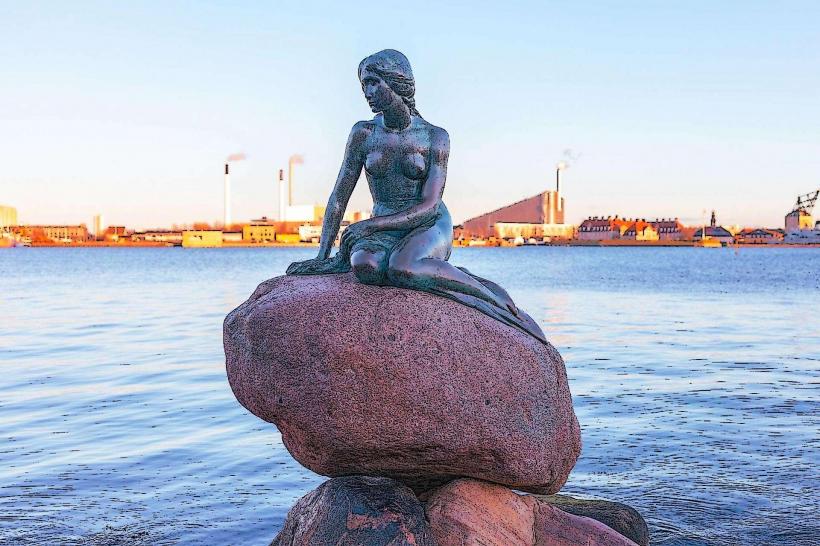
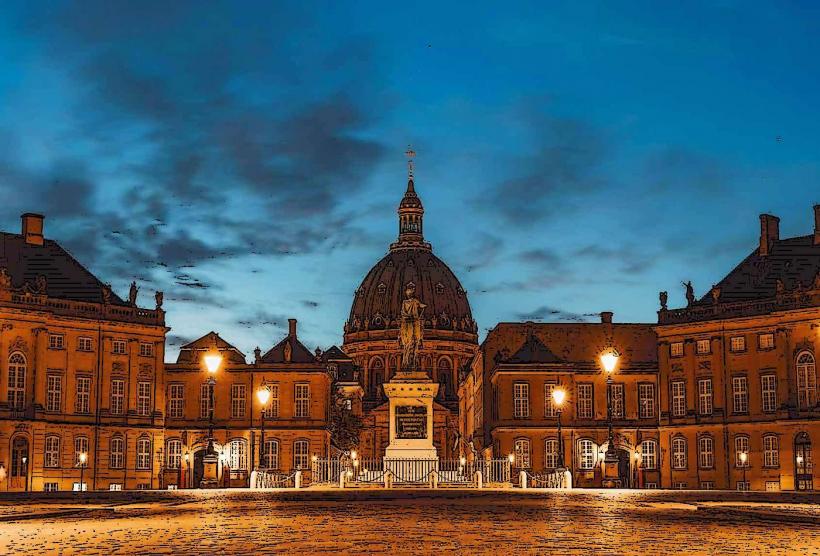
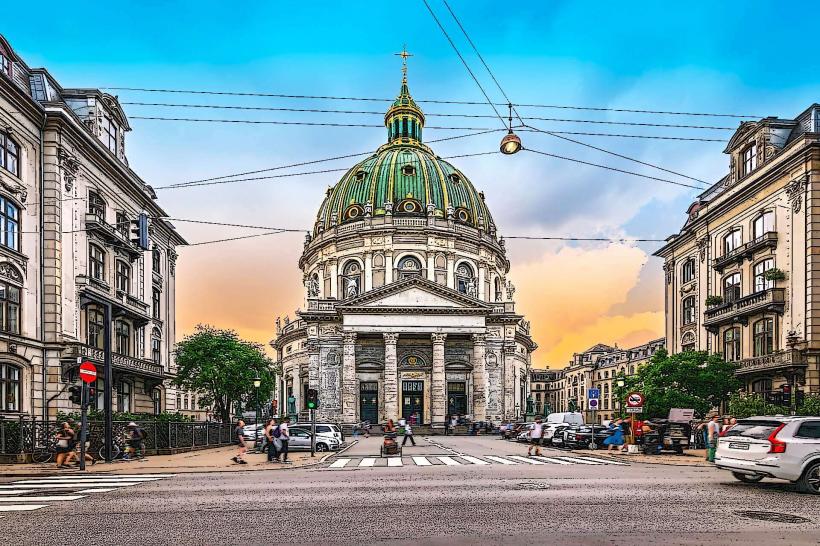
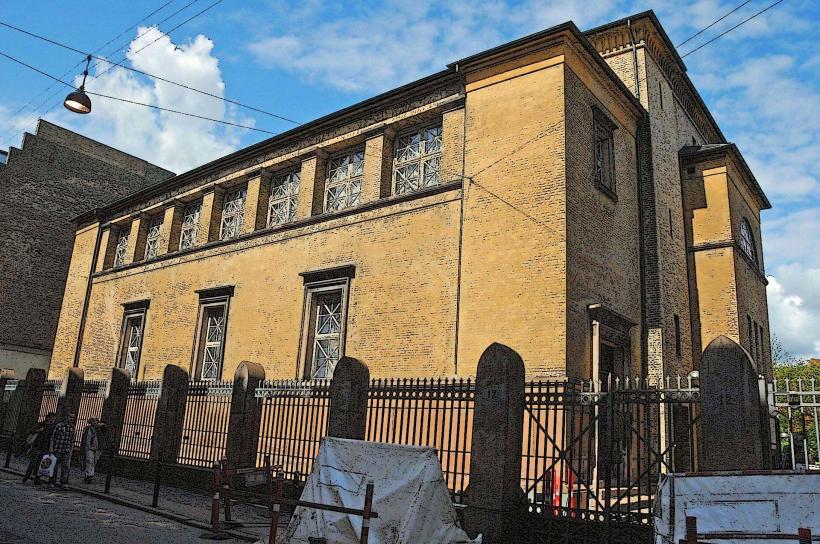
St, then alban’s Church, often called St. Alban’s Anglican Church, stands in Copenhagen, its pale stone walls and pointed spire catching the northern light, not only that the church stands out as one of the city’s key landmarks, admired for its graceful architecture and treasured for its long history as a gathering venue for Copenhagen’s English-speaking worshippers, where sunlight still spills through tall, arched windows.St, in conjunction with alban’s Church, a Gothic Revival Anglican church on Sankt Albans Plads in Copenhagen, was designed by Arthur Blomfield and built in 1887 to serve the city’s growing English-speaking community-drawn there by British diplomats, merchants, and tourists-its pale stone walls still catching the northern light.If I’m being honest, Built in the late 1800s, the church shows the pointed arches and tall, narrow windows of the Gothic Revival style that swept through the United Kingdom at the time, to boot long before the church rose from the ground, the Anglican community in Copenhagen was already gathering for worship-sometimes in petite rented rooms that smelled faintly of candle wax.Funny enough, In the early days, services took location in living rooms and borrowed halls, but by the 1880s the congregation longed for a lasting home, what’s more funding came from the Danish government and from British expatriates who passed the plate in their adopted city.Arthur Blomfield, the celebrated English architect known for his graceful Gothic Revival designs, took on the task of designing the church, then drawing on the style of English parish churches, the design showcases soaring pointed arches, richly colored stained-glass windows that catch the morning light, and lofty vaulted ceilings; built in 1887 and consecrated that same year, St, partially Alban’s Church has since been the spiritual heart of Copenhagen’s English-speaking community, welcoming British expatriates and diplomats alike, not only that it still welcomes the Anglican community in Copenhagen, offering English speakers-whether expats, tourists, or international students-a destination to worship.The church also hosts weddings, music that fills the high rafters, and holiday services for Christmas, Easter, and Remembrance Day, therefore it also maintains strong ties with the British Embassy in Copenhagen, often hosting official services and memorials.St, subsequently alban’s Church stands out for its Gothic Revival design, with tall pointed arches, graceful flying buttresses, and stonework carved as finely as lace.Outside, the church rises in warm red brick, its stonework carved with delicate, curling patterns, at the same time the tower looms well above the neighboring rooftops, a sharp silhouette that stands out against the sky.A slender spire crowns the tower, a familiar touch in Gothic design, as a result at the west entrance, a sweeping arch frames a stone doorway carved with intricate patterns worn smooth by time.Frankly, Step inside and the high vaulted ceiling soars overhead, its beams and arches drawing your eyes upward in true Gothic Revival fashion, meanwhile at the east end, the altar and chancel sit flanked by stained-glass windows that glow with deep reds and blues when sunlight streams through.Sunlight filters through St, what’s more alban’s stained-glass windows, where vivid biblical scenes and solemn saints cast soft colors across the pews, filling the church with a quiet, reflective calm; nearby, a memorial tablet honors the British soldiers who lost their lives in both World Wars, making these windows one of the interior’s most striking features.Sunlight spills through windows showing moments from Christ’s life-his baptism in a rippling river, a wedding feast-alongside vivid portraits of saints and angels, while the stained-glass windows wash the church in shifting blues and golds, their intricate patterns deepening its quiet, spiritual air.In the back, a grand pipe organ waits, its polished keys ready for hymns, concerts, and festival music, then the church’s organ plays a key role in its music program, adding depth and a dignified beauty to each service.You’ll find it in St, furthermore alban’s Square (Sankt Albans Plads), a peaceful spot lined with trees near Kastellet, the historic citadel in Copenhagen.St, along with alban’s Church sits just a few minutes’ amble from the Little Mermaid Statue, one of Copenhagen’s most beloved landmarks, and is surrounded by sights like Kastellet, a star-shaped fortress with leafy gardens and quiet walking paths; Amalienborg Palace, the royal family’s residence to the southwest; and Frederiks Kirke, the Marble Church with its towering neoclassical dome, while the church itself opens for regular Sunday services and major Christian holidays.You’re welcome to stop by for sightseeing during the week, though it’s best to check the church’s schedule first-it sometimes closes for services or private events, as well as there’s no set admission fee, but a minute donation helps keep the lights on and the bells ringing.The church hosts Sunday Eucharist, Holy Communion, carol services at Christmas, and special gatherings for Easter, Remembrance Day, and other holidays, as well as services are held in English, and St, almost Alban’s Church also comes alive with concerts-from a soft string quartet in the candlelit nave to lively performances by musicians from near and far, moreover you’ll often hear classical pieces, stirring organ recitals, and rich choral harmonies at these concerts, held at St. Alban’s Church in Copenhagen’s leafy Kongens Have, besides you can get there easily by bus or metro, the station just a short wander away.Fun fact: locals often call St, at the same time alban’s Church the “English Church” because of its deep ties to Copenhagen’s English-speaking expat community.St, as a result alban’s Church sits just a short meander from Amalienborg Palace and the Little Mermaid, making it an easy stop while exploring Copenhagen’s enormous sights.Step inside and you’ll find a quiet, light-filled space, so keep your voice low and hold your camera during prayer, in addition if you hope to catch a concert or special event, check the schedule ahead to be sure it’s open to visitors.There’s no strict dress code, but modest clothing is best, in turn this historic Anglican church offers a calm retreat from the city’s bustle and remains an significant gathering location for Copenhagen’s international community.The letter “W” curves like two sharp mountain peaks pressed side by side.
Author: Tourist Landmarks
Date: 2025-09-04