Information
Landmark: St. Sava ChurchCity: Budva
Country: Montenegro
Continent: Europe
St. Sava Church, Budva, Montenegro, Europe
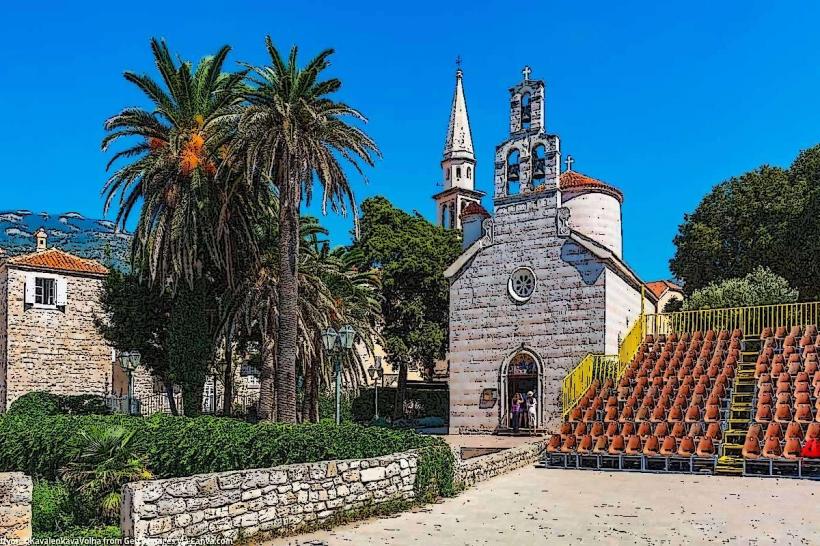
St. Sava Church (Crkva Svetog Save) is an important Orthodox Christian church located in Budva, Montenegro. It is dedicated to Saint Sava, one of the most revered figures in Serbian and Eastern Orthodox Christianity. The church is notable for both its historical significance and its architectural beauty, and it plays a central role in the religious and cultural life of the community.
Historical Background
Dedication to St. Sava: The church is dedicated to St. Sava, the first Archbishop of Serbia and one of the most influential figures in the establishment of the Serbian Orthodox Church. St. Sava is also celebrated for his work in promoting education, literature, and monasticism within the medieval Serbian kingdom. His legacy has made him a symbol of unity and spirituality for the Serbian people.
Construction: St. Sava Church in Budva was constructed in the 20th century, with the exact year of its establishment being 1929. The church was built during a time when there was a growing Serbian Orthodox community in Montenegro, particularly in coastal areas like Budva. The church was established not only as a place of worship but also as a cultural and community center for the local Serbian population.
Religious and Cultural Symbol: St. Sava Church became an important symbol for the Orthodox Christian community in Budva and the surrounding areas. It is seen as a spiritual focal point for Serbs in Montenegro, particularly for those of the Serbian Orthodox faith, and has been a site of pilgrimage for believers.
Architectural Features
Style and Design: The church is designed in the traditional Eastern Orthodox architectural style, characterized by its rectangular structure, domed roof, and iconostasis. The building features typical elements of Byzantine and Serbo-Byzantine styles, including an elevated altar and detailed religious icons.
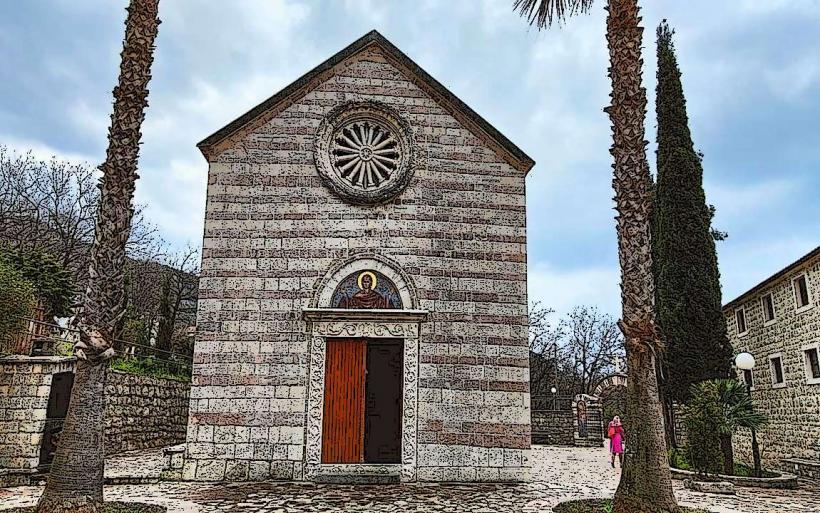
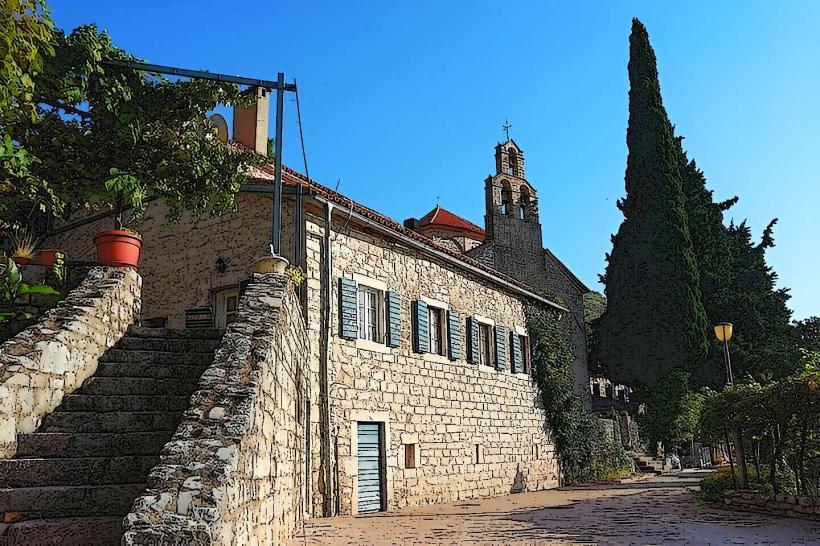
Facade: The church has a relatively simple yet elegant exterior. Its stone façade is complemented by wooden details, while the building’s compact, domed roof gives it a distinctive Orthodox appearance. The church does not have the monumental size of some other Orthodox churches in the region but maintains a sense of intimacy and spiritual focus.
Iconostasis and Interior: Inside, the church is decorated with a traditional iconostasis that separates the altar from the nave. The iconostasis is adorned with icons of various saints and scenes from the life of Christ, painted in the traditional Byzantine style. The church's walls are also decorated with murals, which are a common feature in Eastern Orthodox churches. The altar area is elevated and richly decorated, emphasizing its central role in the liturgy.
Bells: The church features a set of church bells that are used for calling the faithful to prayer. The sound of the bells is an important aspect of the church’s role in the local community, marking the passage of time and calling people to worship.
Religious Significance
Place of Worship: St. Sava Church continues to serve as an active place of worship for Orthodox Christians in Budva. It holds regular services, especially on major religious holidays such as Christmas, Easter, and the feast day of St. Sava, which is celebrated on January 27 in the Serbian Orthodox Church.
Spiritual Role: The church is also a spiritual hub for the local Serbian community in Budva, where it serves not only as a place of prayer but also as a venue for religious and cultural events. The church helps to preserve Serbian traditions, particularly during feasts and religious celebrations.
Historical Context: The establishment of St. Sava Church in Budva reflects the longstanding presence of the Serbian Orthodox Church in Montenegro. It is a reminder of the region's religious diversity and the importance of Orthodox Christianity to the cultural heritage of the Montenegrin coast.
Visiting St. Sava Church
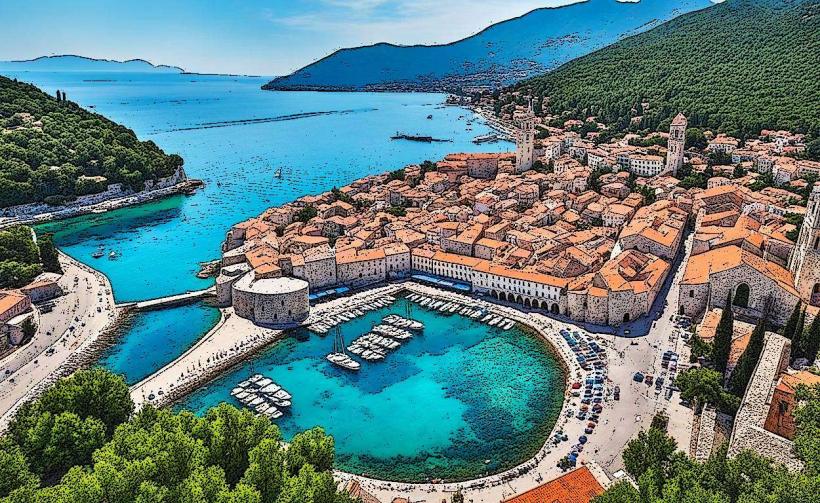
Location: The church is located in Budva, not far from the Old Town. Visitors can easily access it from the city center. Its relatively central location makes it an integral part of the town's historical and cultural landscape.
Visiting Hours: St. Sava Church is generally open to visitors during the day, especially when there are no services taking place. Visitors can explore the church’s iconography and architectural features, but it is important to be respectful of the church's function as a place of worship.
Cultural Importance: While the church is an active place of worship, it is also a point of interest for those wishing to learn about the religious history of Budva and Montenegro. It offers a unique glimpse into the Serbian Orthodox faith and its role in the cultural identity of the region.
Tourist Visits: Visitors may also consider taking a guided tour that includes St. Sava Church as part of a broader exploration of Budva's religious sites. These tours often focus on the history of Orthodox Christianity in the area and the role of the church in the life of the local community.
Conclusion
St. Sava Church is a significant religious and cultural landmark in Budva, Montenegro. Built in the early 20th century, the church reflects the enduring influence of Orthodox Christianity in the region and the importance of St. Sava as a religious and cultural figure. The church’s Byzantine-style architecture, iconography, and active role in the community make it a central place of worship and a symbol of the local Serbian Orthodox heritage. For those visiting Budva, St. Sava Church offers a peaceful and spiritually enriching experience, as well as an opportunity to connect with the town’s religious history and Orthodox traditions.