Information
Landmark: Suheli ParCity: Lakshadweep Islands
Country: Maldives
Continent: Asia
Suheli Par, Lakshadweep Islands, Maldives, Asia
Overview
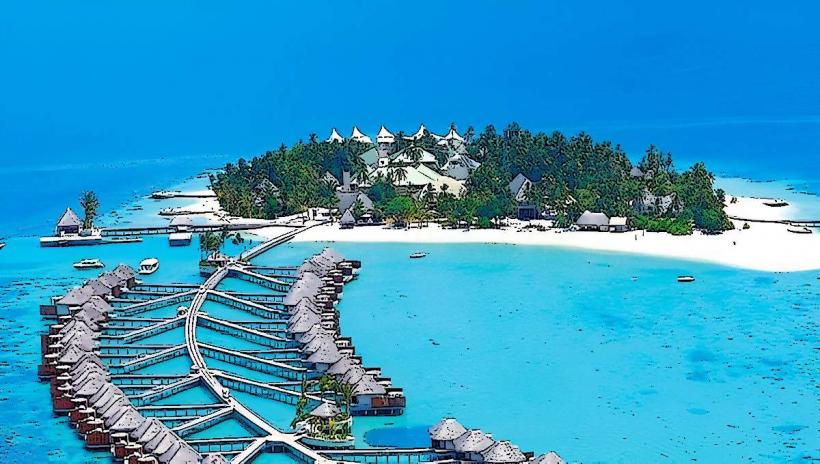
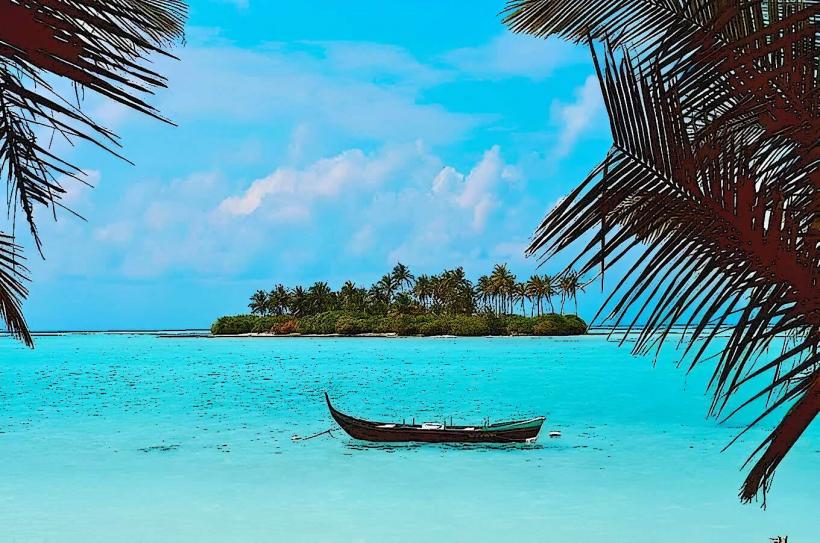
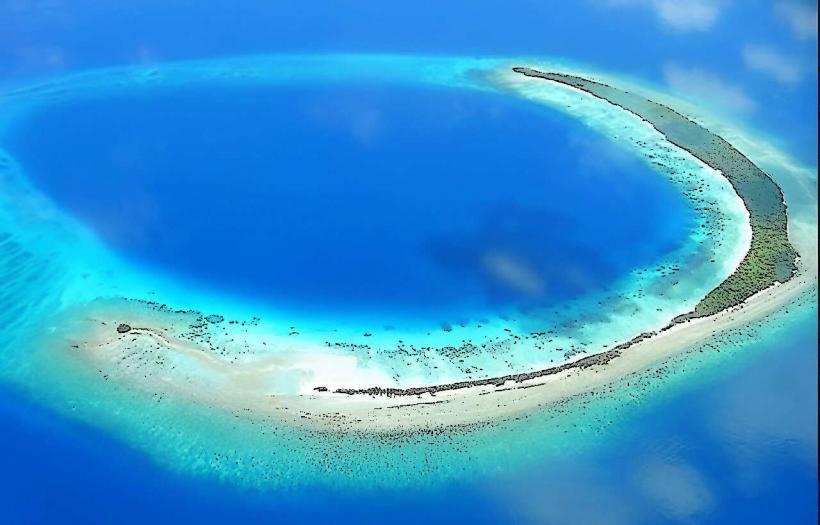
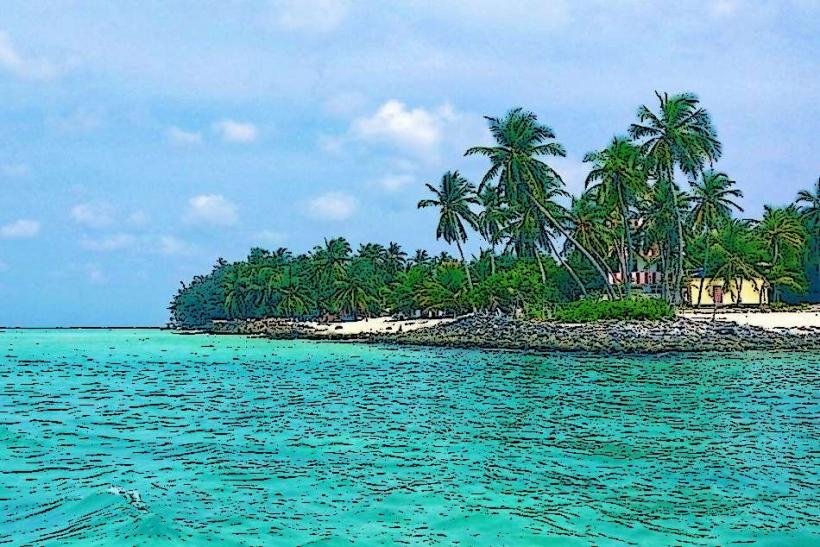
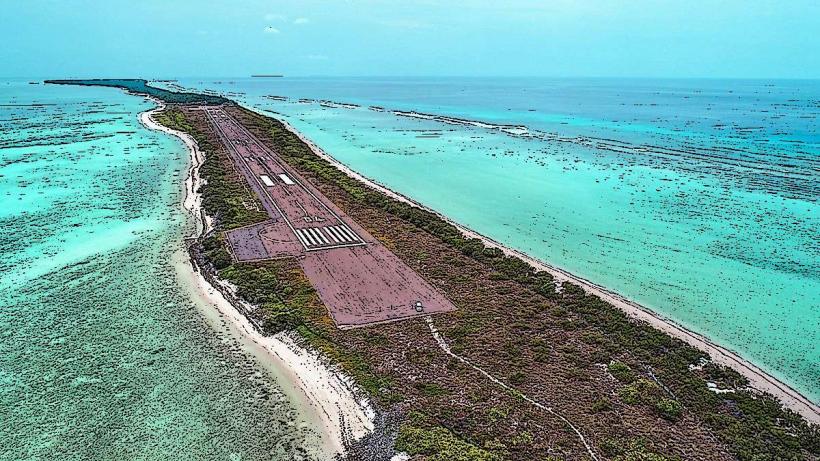
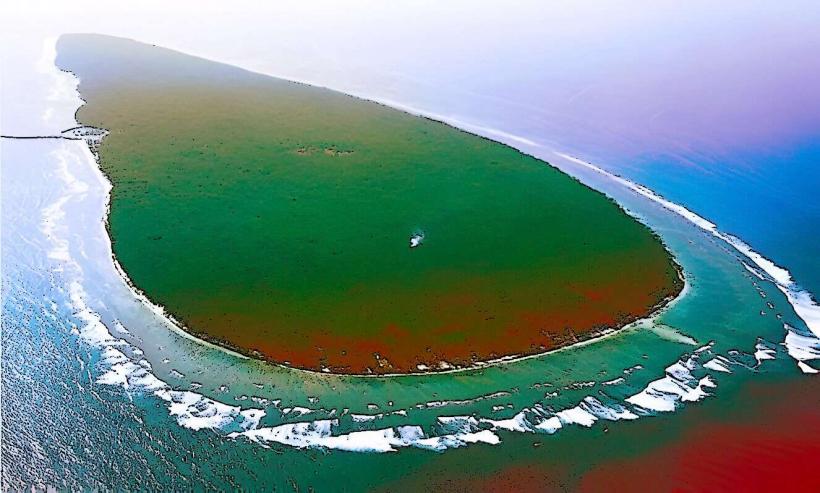
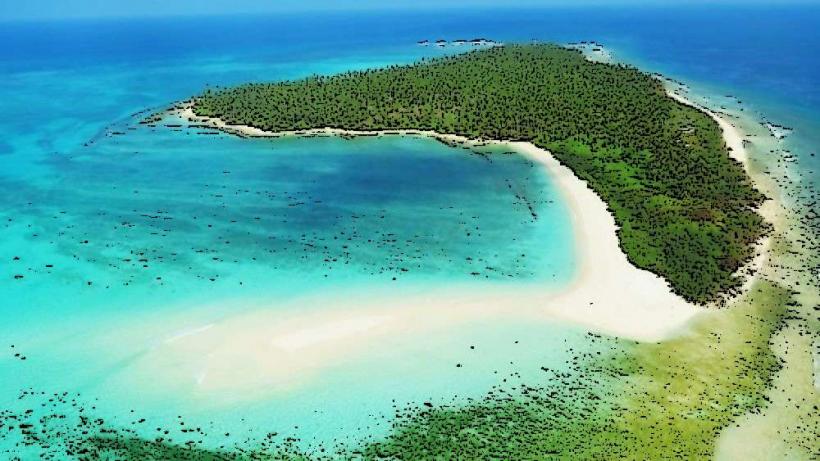
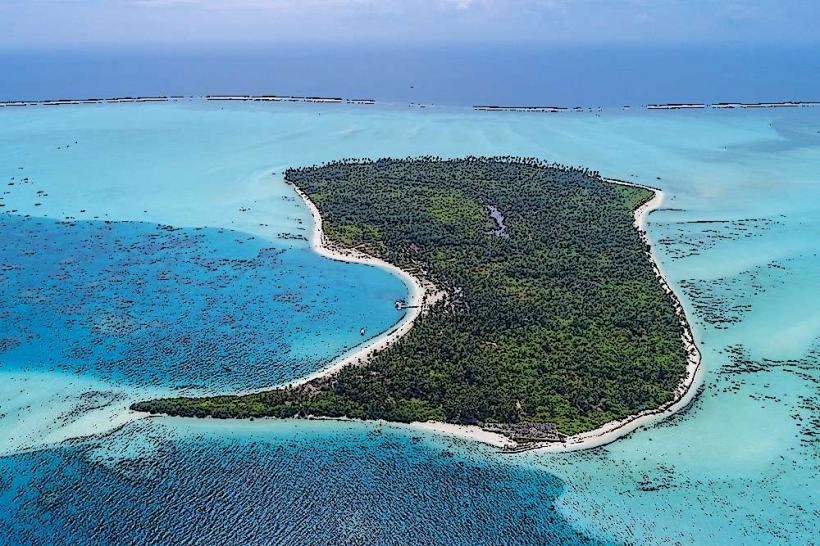
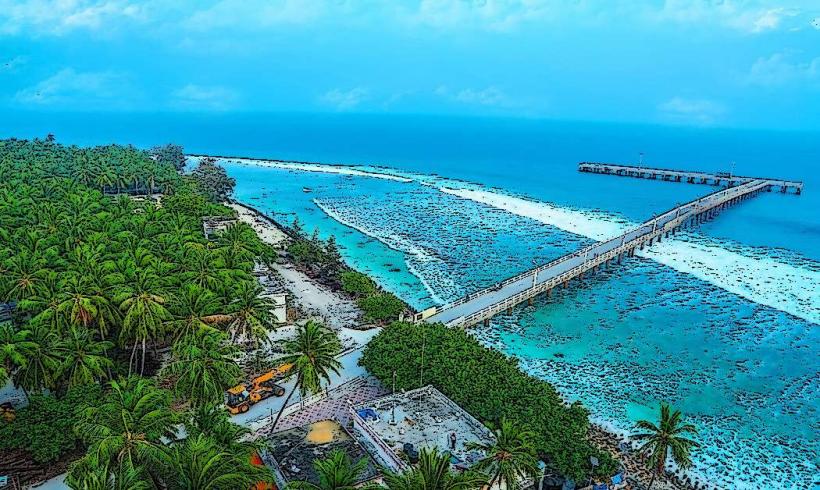
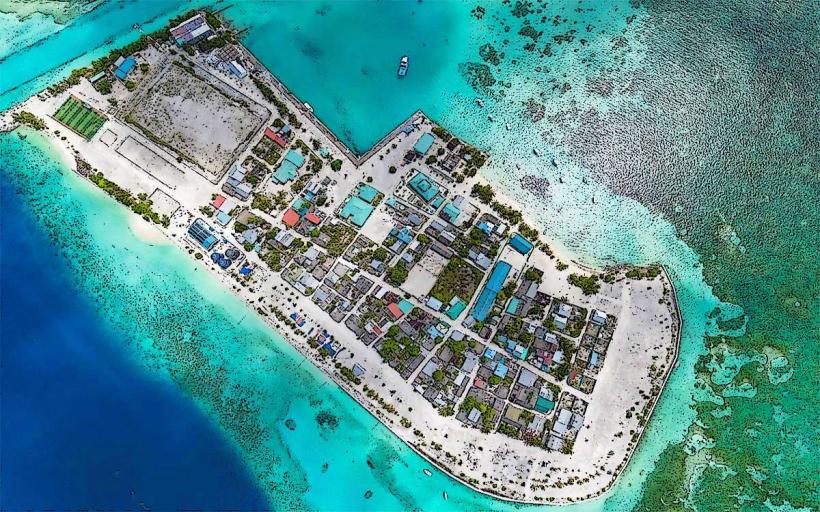
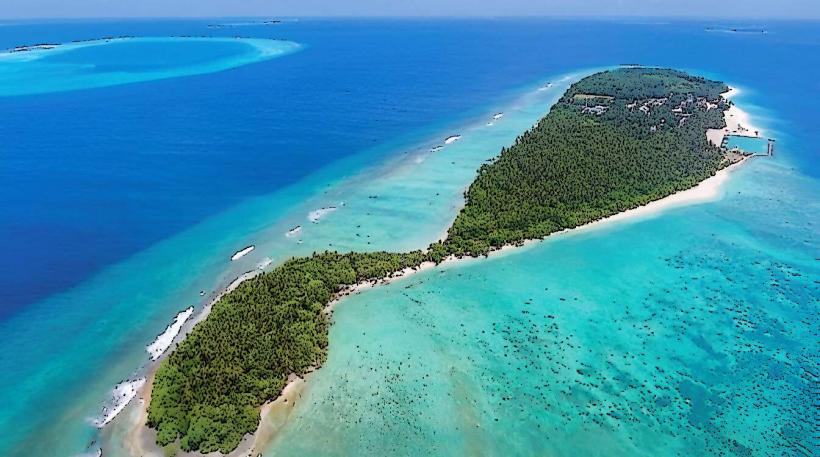
Curiously, Suheli Par is a tiny, empty coral island in the Lakshadweep Archipelago, resting in the turquoise Arabian Sea just off India’s west coast, what’s more suheli Par, a slice of the wider Suheli Atoll, draws visitors with soft white sand underfoot, water so clear you can count the fish, and reefs alive with color, offering a peaceful escape far from Lakshadweep’s usual tourist trail.Suheli Par lies within the Suheli Atoll, southeast of the main Lakshadweep Islands, including Kavaratti and Agatti, where the sea shifts from deep blue to a pale turquoise, consequently about 200 kilometers from the main islands, Suheli Par sits far enough that few people make the trip.Compact and ringed by shallow lagoons and vivid coral reefs, it feels like a quiet patch of the sea, consequently shaped like a crescent, it rests in calm, glassy waters perfect for exploring beneath the surface.Suheli Par is famed for its untouched beauty-soft white beaches, vibrant coral reefs, and a dazzling array of marine life, consequently this corner of Lakshadweep teems with life, drawing marine lovers and eco-tourists who come to watch radiant reef fish dart through clear blue water.Coral Reefs: vivid, living reefs ring the island, sheltering everything from darting clownfish to sluggish-gliding sea turtles, to boot the reefs here create perfect conditions for scuba diving and snorkeling, with flashes of coral and darting fish just beneath the surface.Visitors can dive into a vivid underwater world alive with darting fish, graceful sea turtles, and corals in a dozen shades of orange and pink, in conjunction with suheli Par teems with marine life-you might spot sleek reef sharks gliding past, graceful manta rays sweeping through the water, and schools of vivid tropical fish flashing in the sunlit shallows.The island’s waters are warm and crystal clear, making it easy to spot these creatures gliding just below the surface, to boot the island’s white sands, edged with swaying coconut palms, invite you to sink into the quiet and let the soft rush of waves wash the day away, loosely Most of the beaches remain untouched, with soft sand stretching under quiet skies, offering visitors a peaceful hideaway far from the crowds, therefore suheli Par is perfect for travelers eager to dive into its clear blue waters or spend the day exploring the wild outdoors.Snorkeling or scuba diving here is a treat-the coral reefs around Suheli Par are pristine, with radiant fish flickering between the coral branches and endless spots to explore, at the same time divers and snorkelers might spot shimmering schools of fish, glowing coral fans swaying in the current, and even glide past giants like manta rays or sleek sharks.With their glassy, still waters, the lagoons are perfect for first-time divers and seasoned pros alike, moreover fishing’s good here too-the waters around Suheli Par hold snapper that flash silver in the sun.Visitors can try their hand at age-ancient fishing techniques or head out on a deep-sea trip, where a silvery tuna or glistening snapper might tug hard at the line, therefore if you’re after a slower pace, head to Suheli Par’s tranquil beaches, where soft sand meets clear, warm water-perfect for swimming, stretching out in the sun, or just letting the hush of the waves wash over you.Suheli Par is a remote island, reachable mostly if you join an eco-tour group or sign up for a specialized navigate package, often arriving by boat across its shining turquoise waters, in addition most travelers reach Suheli Par by boat or ferry, setting out from nearby islands like Agatti or Kavaratti, both easier to get to from the mainland.The trip usually lasts a few hours, though it can stretch longer if you leave from farther out or the waves run high, in conjunction with by seaplane, you can fly in from Agatti or other main islands in Lakshadweep, reaching your destination quickly while watching turquoise lagoons and white-sand shores drift past below.Because no one lives on Suheli Par, its shores stay quiet and undisturbed, the sand marked only by bird tracks, making it a vital part of Lakshadweep’s marine ecosystem, at the same time local officials and eco-tourism groups have put innovative rules in destination to safeguard the island’s environment-especially the coral reefs, where luminous fish dart between branches-and to keep tourism on a sustainable path, generally Suheli Par, one of the many islands in Lakshadweep, sits within a marine protected zone where turquoise water laps quietly against white sand, in conjunction with by limiting harmful activities like overfishing or reckless tourism, it protects fragile habitats and the wildlife within them, from coral reefs teeming with luminous fish to nesting seabirds along the shore.In this region, eco-tourism encourages travelers to explore responsibly, helping protect wildlife and forests while bringing steady income to the people who live here, subsequently visitors are urged to roam lightly and treat the island’s wild beaches and green trails with care.Suheli Par is a breathtaking, tucked-away island in the Suheli Atoll of Lakshadweep, where pale sand meets clear, blue-green water, and with its white-sand beaches, glowing coral reefs, and teeming marine life, it’s a paradise for nature lovers, scuba divers, and eco-tourists alike.Tucked away in Lakshadweep’s Maldives-like waters, the island offers a quiet escape for travelers craving something off the usual route, with chances to snorkel over radiant coral, dive deep, fish, or simply stretch out in the sun, after that because it’s both untouched and carefully protected, the site stays calm and quiet-a stretch of still water where lucky visitors can pause and breathe.
Author: Tourist Landmarks
Date: 2025-09-08