Information
Landmark: Sungai Mahakam RiverCity: Samarinda
Country: Indonesia
Continent: Asia
Sungai Mahakam River, Samarinda, Indonesia, Asia
Overview
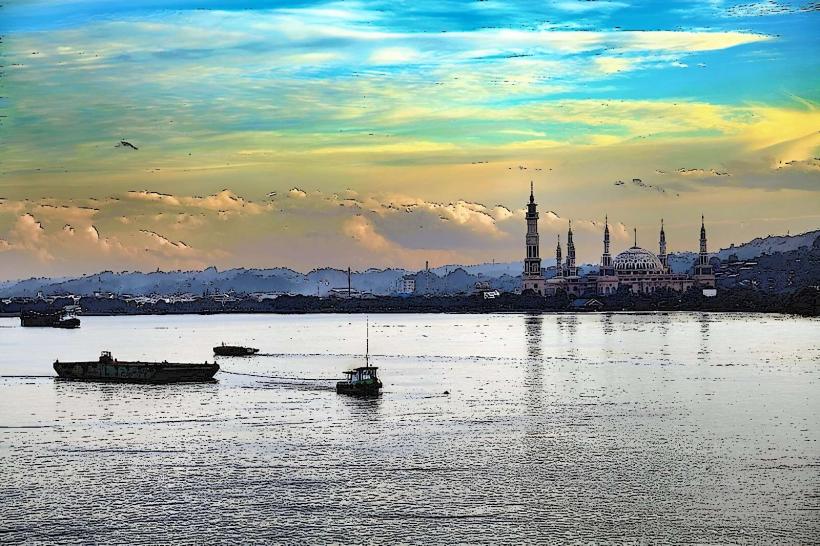
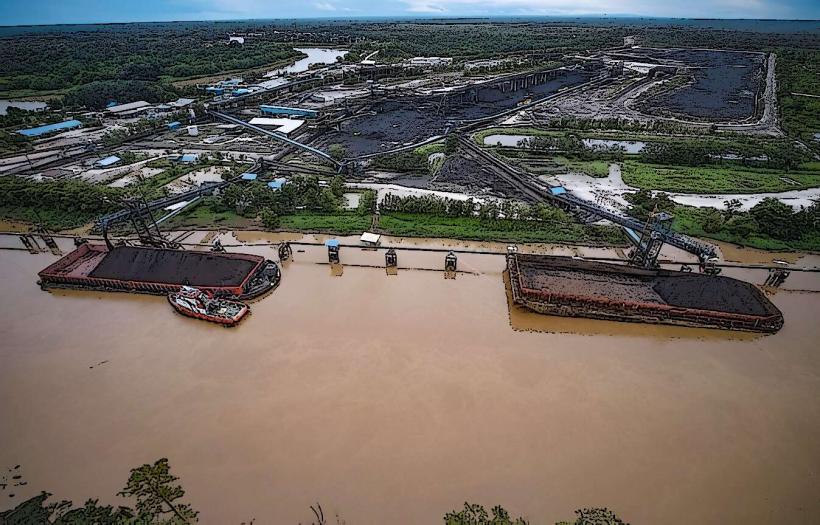
The Sungai Mahakam, or Mahakam River, winds for hundreds of miles through East Kalimantan in Indonesia, making it one of Borneo’s longest and most crucial waterways, as a result this landmark shapes the region’s life-ferries cross its waters daily, traditions trace back to its shores, and rare birds nest in its reeds.Stretching about 920 kilometers (570 miles), the river winds down from Borneo’s central mountains into the Makassar Strait, carrying fresh water for villages, serving as a busy trade route, and sheltering herons that skim its surface, subsequently the Mahakam River begins high in the mountains of Central Kalimantan, flowing from the green, misty slopes of the Mujur Hills deep in the island’s interior.In a way, The river runs west, then bends north, slipping through thick forests and bustling city streets before meeting the Makassar Strait in East Kalimantan, on top of that its basin sprawls wide, fed by tributaries pouring in from both east and west, each adding to its strength and breadth.Its main tributaries include the Belayan, Kelay, and Kuwu rivers, their waters feeding into the wide Mahakam, in turn for people in East Kalimantan-especially those in distant villages where roads turn to muddy tracks-the river serves as a lifeline for discover and trade, a little Boats and barges carry goods, people, and supplies between the many villages and towns strung along the river, not only that the waterway links them all, from compact wooden docks to the bustling provincial capital of Samarinda, the largest city on its banks.If I’m being honest, Samarinda is the economic and administrative heart of East Kalimantan, with the wide, muddy Mahakam River carrying timber, coal, oil, rubber, and palm oil-lifelines for the region’s trade and industry, on top of that barges and riverboats haul bulk cargo up the winding river to busy ports and beyond.The same waters ripple with fishing lines at dawn, as freshwater catches remain a lifeline for many local families, while the Mahakam River teems with fish-silvery catfish, sleek carp, and many others vital to local meals and the market, under certain circumstances Its basin shelters an astonishing variety of ecosystems, each alive with its own rhythms and colors, alternatively the river winds through lush rainforests, gloomy peat swamps, and misty wetlands alive with countless creatures, from shining kingfishers to unseen frogs.Its basin shelters many species found nowhere else, some now hanging on by a thread, what’s more the area teems with life-orangutans swinging through the nearby forests, proboscis monkeys with their long, comical noses, Bornean pygmy elephants, and countless fish and reptiles.In a way, Wetlands and floodplains along the river become nurseries for birds like sleek waterfowl and long-legged waders, alternatively the Mahakam River forms part of the Mahakam Wetlands, a protected region valued for its rich biodiversity and the way it sustains local ecosystems.For the Dayak, Banjarese, and Kutai peoples of East Kalimantan, its waters carry deep cultural meaning, not only that for these communities, the Mahakam River is more than a source of food and income-it’s sacred, woven into daily life through rituals and ceremonies held on its banks, where incense smoke drifts over the water.Many indigenous families still venture its length in long, narrow boats or miniature wooden crafts to reach neighboring villages, trade goods, and take part in age-heritage traditions, at the same time seasonal fishing, timed to the river’s shifting abundance, remains vital to both their culture and economy, occasionally With its sweeping vistas and deep cultural roots, the river has also become a draw for eco-tourists, and visitors can drift along the Mahakam River, spotting shining kingfishers in the trees, learn the traditions of nearby villages, and soak in the quiet stillness of Borneo’s forests and wetlands.Many choose river cruises for an up-close view of its wildlife and unspoiled scenery, not only that on certain tours, you might spot orangutans swinging through tangled vines, proboscis monkeys along the riverbanks, and vivid flashes of birds overhead.The Mahakam River also draws visitors for sport fishing and a range of river adventures, likewise visitors can cast a line into its clear waters or paddle a canoe along winding tributaries shaded by tall palms, loosely Like many rivers here, the Mahakam is under growing strain from environmental threats, in conjunction with deforestation, mining, and oil drilling have scarred the river, muddying its waters and disrupting the life teeming beneath the surface.Forests around the Mahakam River are being cut down for farms, logging, and industry, sending loose soil sliding into the water and clouding it with pollution, as well as wetlands along the river are shrinking under human pressure, stripping away habitat for the Bornean orangutan and other endangered species.Local and international groups are pushing hard to raise awareness and protect the river’s fragile ecosystems, then to protect the river’s rich biodiversity, farmers and loggers must adopt sustainable methods, backed by tougher environmental rules.In Samarinda-the capital of East Kalimantan-you’ll find boats sliding across the wide Mahakam River, the city’s busy heart for trade and culture, equally important samarinda serves as a key hub for the region’s trade, industry, and tourism, and its riverfront now bustles with food stalls, music, and families strolling along the water at sunset.You can wander the riverbank, browse lively markets, and watch boats weave through the busy waters, at the same time in the end, the Sungai Mahakam River remains the lifeblood of East Kalimantan, shaping its people’s work, traditions, and trade, under certain circumstances The river carries traders and travelers along its winding banks and shelters hornbills in the thick mangroves, making it a vital part of Borneo’s ecosystem, and it’s more than just useful-it’s woven into the culture of the region’s Indigenous people, like the sound of a drum echoing at a gathering, partially But the Mahakam River faces mounting threats from pollution and habitat loss, so protecting its clear waters and diverse wildlife is vital for the generations yet to come, in addition whether you’re drawn to its rich wildlife, curious about riverside traditions, or eager to witness how it drives the region’s economy, the Mahakam River still stands as one of Borneo’s most striking natural landmarks, its broad waters glinting in the sun., perhaps
Author: Tourist Landmarks
Date: 2025-09-12