Information
Landmark: Turkish Kajtaz HouseCity: Mostar
Country: Bosnia and Herzegovina
Continent: Europe
Turkish Kajtaz House, Mostar, Bosnia and Herzegovina, Europe
Overview
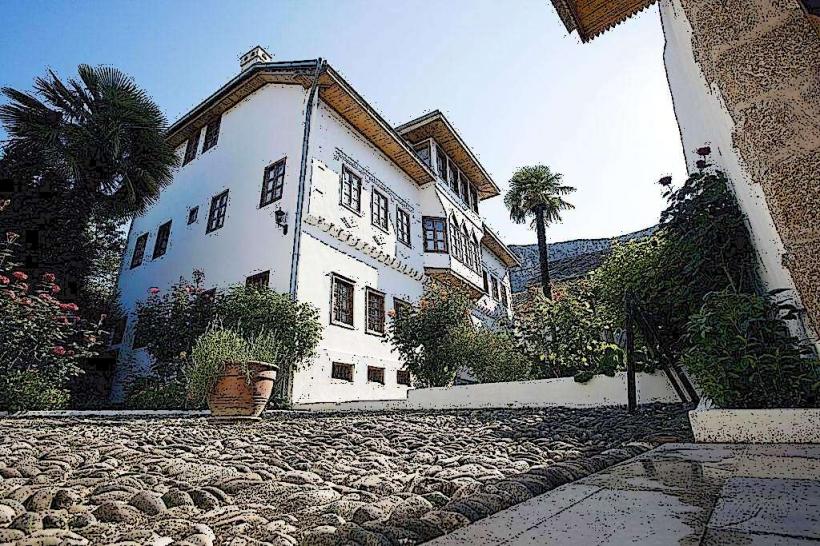
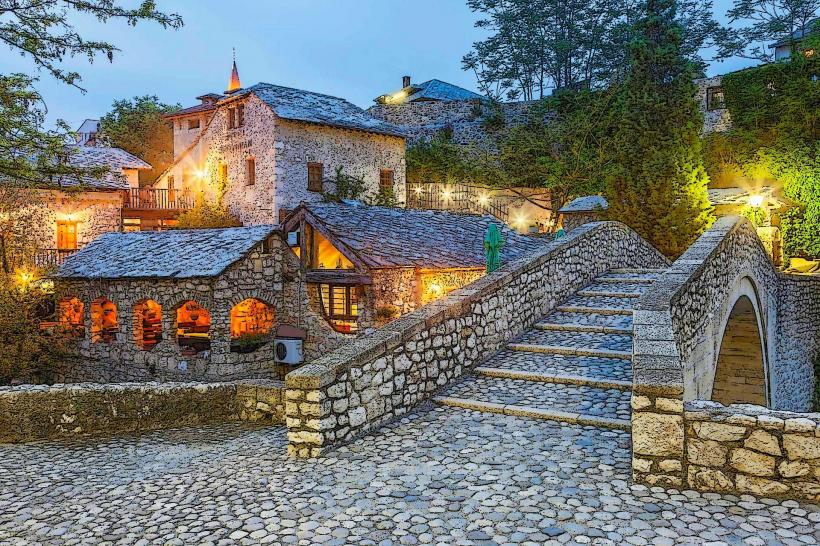
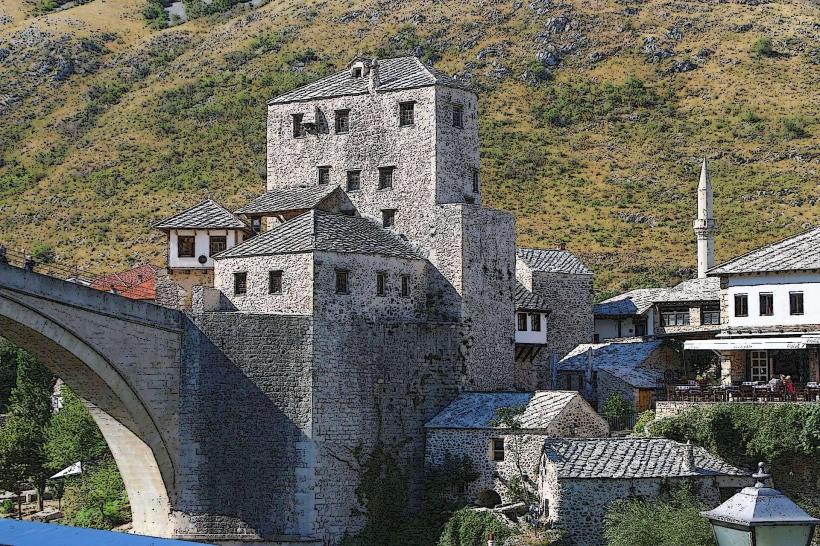
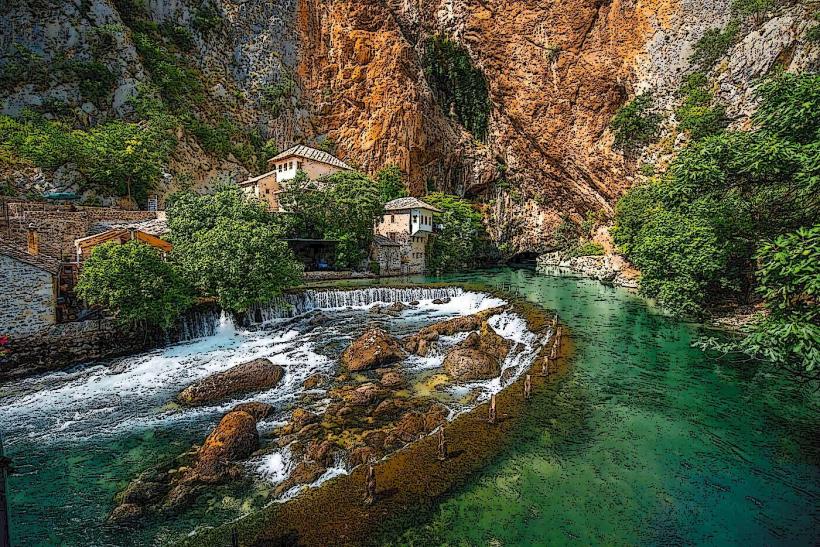
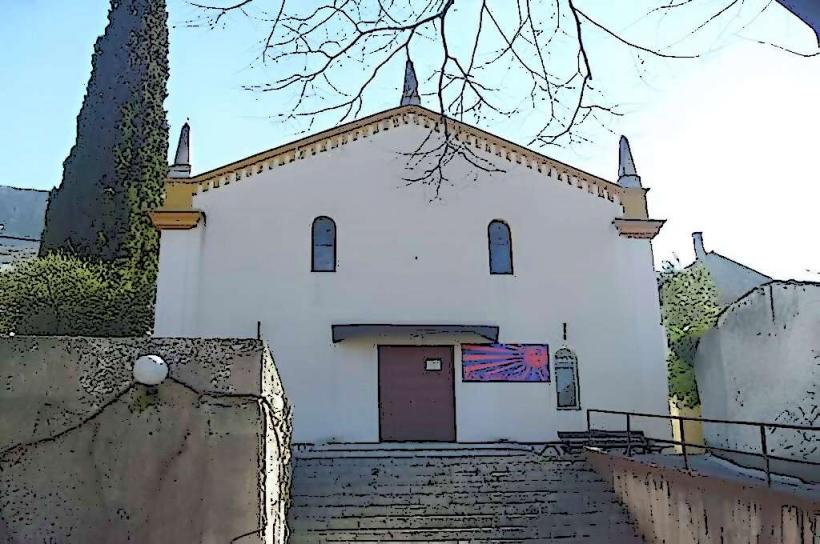
The Kajtaz House, or Kajtazova kuća, is a centuries-historic Ottoman home tucked away in Mostar, Bosnia and Herzegovina, with sunlit stone walls that seem to hold the city’s history, along with this historic house stands as a vivid example of Ottoman-era domestic architecture, with wooden shutters and shaded courtyards that hint at the daily rhythms and cultural traditions of the time.The house sits just steps from the timeworn Bazaar, its weathered wood and carved shutters giving visitors a vivid glimpse into the past, and the Kajtaz House went up in the 17th century, when Mostar lay under Ottoman rule and narrow stone streets echoed with the sound of market traders’ voices.As it happens, The house captures the Ottoman way of life in the region, blending practical spaces with graceful arches and warm, sunlit rooms, at the same time once home to a well-known local family, it now serves as a museum, keeping alive the era’s customs, way of life, and the carved woodwork that framed its tall windows.Architectural Features – Ottoman Style: This house stands as a striking example of Ottoman domestic design, with its wide wooden eaves casting cool shade along the front, while the building rises two stories, its walls of cool stone topped with warm, weathered wood.The house’s exterior shows classic Ottoman touches-arched windows, carved wooden trim, and a flat roof that bakes in the afternoon sun, not only that inside, the rooms are arranged for different uses.The living rooms, kitchens, and bedrooms sit apart, arranged much like they would’ve been in that era, with spaces set aside for cooking, resting, and gathering, as well as intricate wooden panels and cool, glazed ceramic tiles brighten the rooms, while woven rugs, low wooden seats, and simple ceramic dishes give them the warmth of a traditional Ottoman home.These items reveal glimpses of daily life for the people who once lived here, as well as the courtyard, framed by a lush garden where jasmine once scented the air, was a key feature of Ottoman homes.The garden often held fruit trees, fresh herbs, and dazzling flowers, with the scent of mint drifting through the air, consequently inside, the house offers a rare chance to step into the daily life of an Ottoman family in Mostar.From the way the rooms are laid out to the carved wooden chests and patterned rugs, the house offers a vivid glimpse into daily life of the time, not only that the Kajtaz House isn’t just a building-it’s a living piece of history that safeguards the region’s rich Ottoman heritage.By keeping the house in good repair, local authorities make sure future generations can step inside and feel this piece of Mostar’s past, moreover once under Ottoman rule for centuries, the city still carries that legacy in its pointed arches, stone courtyards, and shaded balconies.The Kajtaz House is one of the finest surviving examples of traditional Ottoman homes in the area, its stone walls cool even in summer, furthermore you’ll find it just steps from Mostar’s antique Bazaar, right in the city’s heart, fairly It’s just a short stroll from several well-known landmarks, and once you’re there, you can wander through the house’s cozy rooms, stroll the gardens, and take in the views of the grounds, equally important the house’s exhibits offer a vivid glimpse into Ottoman domestic life and architecture, from carved wooden ceilings to patterned tiles.With a guide at your side, you’ll hear the stories behind the walls-the home’s history, its design, and the family who once called it theirs, equally important at Kajtaz House, you’ll discover the customs and traditions that once shaped everyday life within its walls-imagine the scent of fresh bread drifting through a 17th-century kitchen.Just so you know, It’s a rare chance to step into the world of an Ottoman family, surrounded by intricate woodwork and carefully balanced design that spoke volumes about their values, and every corner tells a story, offering a richer understanding of Mostar’s cultural roots and Bosnia and Herzegovina’s history.This remarkable home is both a work of art and a living memory of the region’s Ottoman heritage, besides its graceful architecture, worn wooden chairs, and quiet garden still keep it a living symbol of the city’s rich cultural past.
Author: Tourist Landmarks
Date: 2025-08-30