Information
Landmark: Viti CraterCity: Akureyri
Country: Iceland
Continent: Europe
Viti Crater, Akureyri, Iceland, Europe
Overview
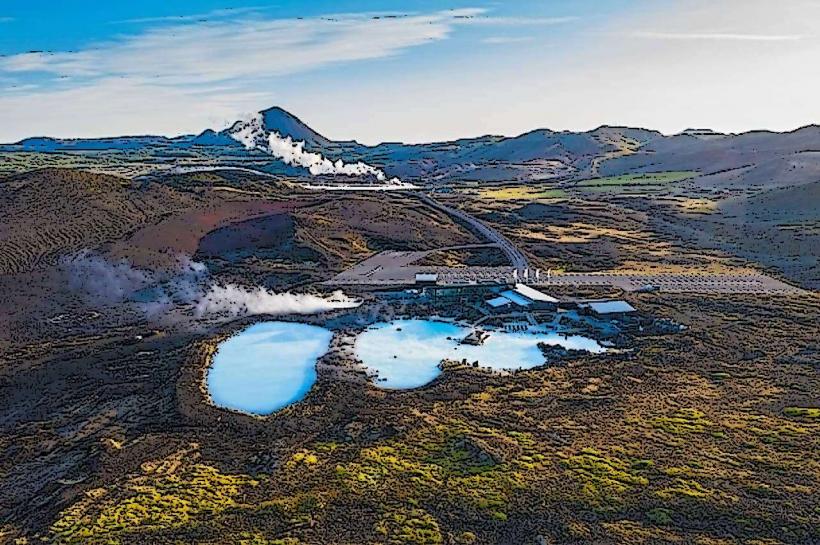
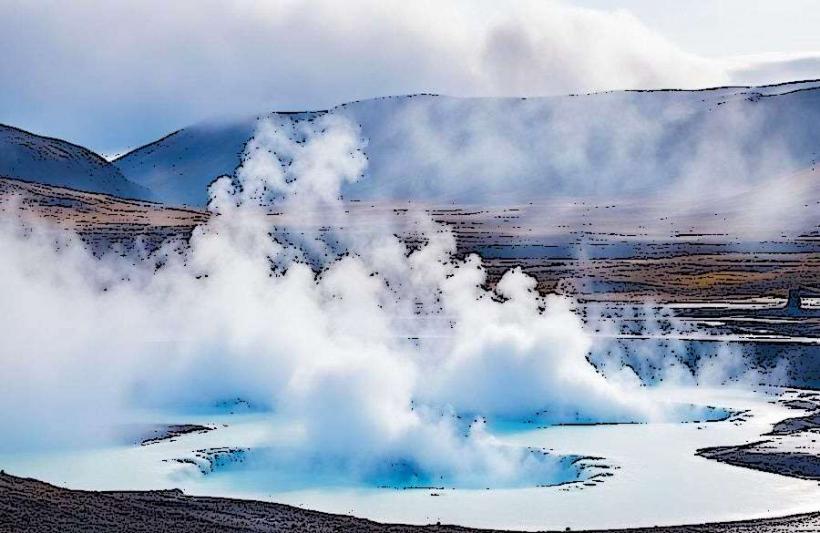
Viti Crater, a striking bowl of rust-colored rock and turquoise water, sits within the Krafla volcanic system in North Iceland’s broader Mývatn region, simultaneously visitors flock to the crater for its brilliant blue lake, shimmering under the sun, and the rugged volcanic slopes that frame it, drawing hikers, geology buffs, and anyone chasing wild, unspoiled beauty.Notable features of Viti Crater include its vivid turquoise lake shimmering in the sunlight, to boot the Viti Crater took shape during a volcanic eruption in 1724, when molten rock burst through the earth and left a deep, steaming scar.This eruption was one in a long chain within the Krafla volcanic system, active for thousands of years, simultaneously the crater’s name, “Viti,” means “hell” in Icelandic-a fitting choice, given the searing heat and violent forces that shaped it.Viti was born from a phreatomagmatic eruption-magma met water, pressure built, and the blast tore open the earth, in addition today, the crater yawns 300 meters across and plunges about 35 meters down.Over the years, water pooled in the crater, until a clear blue lake shimmered at its floor, at the same time the lake’s brilliant blue water stands out against the harsh gray rocks, a sight that begs for a camera.The Krafla volcanic system, home to the Viti Crater, ranks among Iceland’s most active volcanic areas, simultaneously fumaroles, boiling springs, and broad lava fields define the area, shaping the crater’s stark, dramatic rim.As it happens, Even now, steam curls into the air, carrying the sharp scent of sulfur from nearby pools and vents, meanwhile the land surrounding the crater lies within the vast Krafla geothermal field, tapped for energy since the 1970s.In Viti Crater, a vivid blue lake shimmers-one of its most striking sights, as a result the crater’s water glows a vivid blue, shaped by mineral-rich layers and the heat that seeps up from its strange geothermal depths.If I’m being honest, The vivid blue of the lake pops against the jagged black lava rocks, the kind of scene photographers chase for hours, and its water stays icy-usually between 0°C and 5°C (32°F to 41°F)-so you wouldn’t dream of swimming, but you can’t view away from it.You can stroll along the crater’s rim for changing views of the turquoise lake and the rugged volcanic slopes around it, then follow one of several hiking trails that climb to Viti Crater and loop through the surrounding terrain, in addition the hike’s moderate, giving you time to take in the stark beauty of the Krafla and Mývatn regions, where black lava fields meet pale green moss.It appears, Most people start from the Krafla Visitor Center, just a short roam from the crater, meanwhile from this spot, visitors can follow a marked trail that climbs to the crater’s rim, where the blue lake shimmers against rugged volcanic rock.The path is well-kept and makes for a fairly easy hike if you’re in good shape, likewise you can also stretch the hike to reach nearby geothermal spots like Hverir and Leirhnjúkur, where steam hisses from the earth, and then take in the sweeping views from the Viti Crater-some of the best you’ll find in the Mývatn area, mildly Lava fields stretch toward jagged mountains and gaping volcanic craters, shaping a landscape that feels almost alien, also against the black rock, the crater lake’s deep blue shimmers beside patches of green moss-a scene made for a camera’s lens, relatively Bring your camera-you’ll want to catch the raw beauty of this volcanic landscape, from black lava fields to steaming vents, equally important just down the road, the Krafla Geothermal Power Station taps the volcano’s heat to generate power, slightly As far as I can tell, The power station isn’t usually on a tourist’s must-observe list, but it offers a glimpse into Iceland’s geothermal energy and why tapping that heat matters for a sustainable future, besides just up the road, the Hverir geothermal area hisses and bubbles with boiling mud pots, sulfur-scented fumaroles, and vents that send steam curling into the frosty air.This spot showcases the raw power of the region’s geothermal activity, its steaming vents and sulfur scent sharply contrasting with the calm, blue waters of Viti Crater, what’s more just a short trek away, the dim, jagged Leirhnjúkur Lava Fields-part of the Krafla volcanic system-wait to be explored.You can wander across the lava fields, watching steam curl from the ground and mud pits bubble like thick stew, meanwhile the best time to witness Viti Crater is summer-June through August-when the air feels gentler and the trails open up.Summer’s the best time to hike, with long, dazzling days and steady weather that invites you onto the trail, consequently you can still visit in winter, but be ready for icy paths and snow crunching underfoot, which make the climb tougher, mildly If you visit in winter, you might even catch the Northern Lights dancing over the surrounding hills, therefore in any season, the Viti Crater is a stop you shouldn’t miss when exploring the Mývatn and Krafla regions of North Iceland.The crater’s vivid blue lake glimmers against jagged volcanic ridges, while steam curls from the warm earth, creating a breathtaking scene for anyone who visits, and hike to the crater’s edge, wander among steaming vents, or just take in the sweep of mountains and sky-Viti Crater stands as a vivid reminder of Iceland’s raw, restless earth.
Author: Tourist Landmarks
Date: 2025-09-04