Information
Landmark: Watut RiverCity: Morobe
Country: Papua New Guinea
Continent: Australia
Watut River, Morobe, Papua New Guinea, Australia
Overview
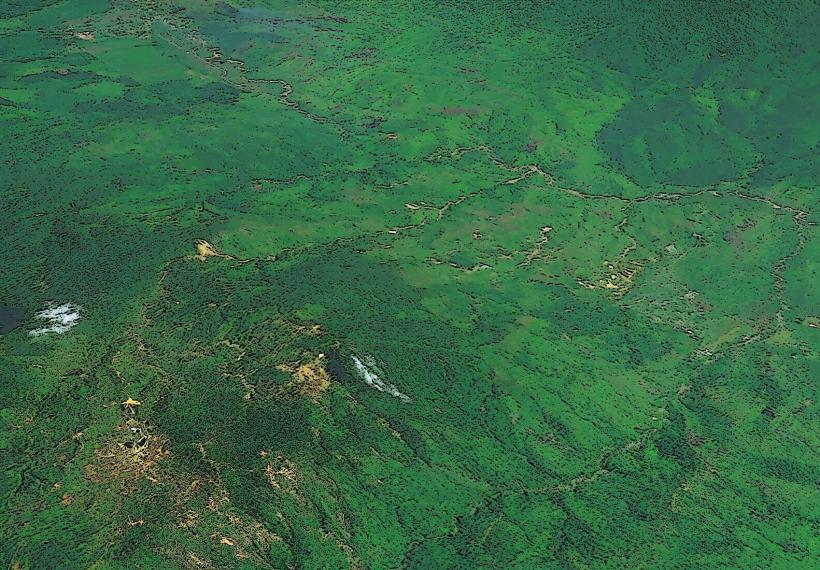
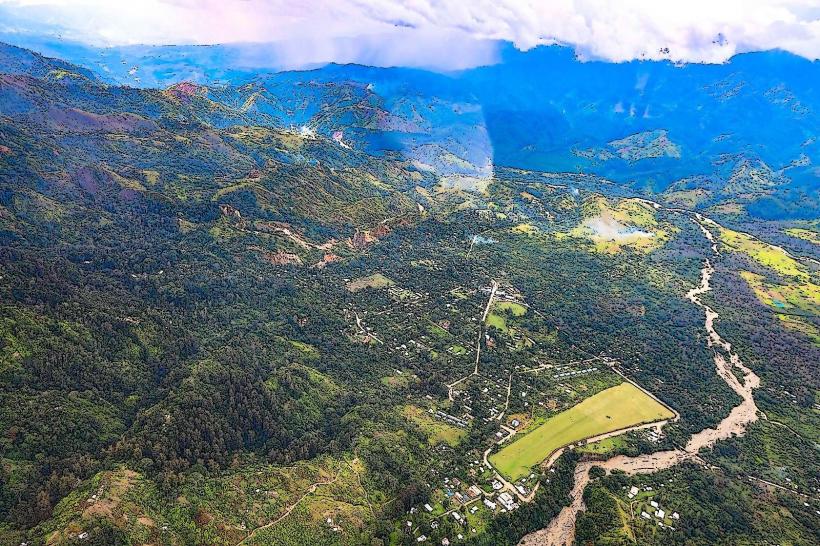
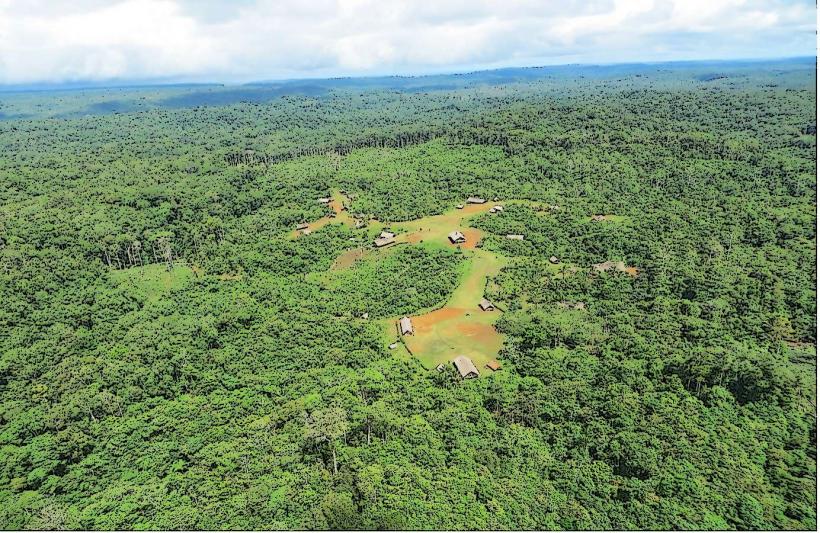
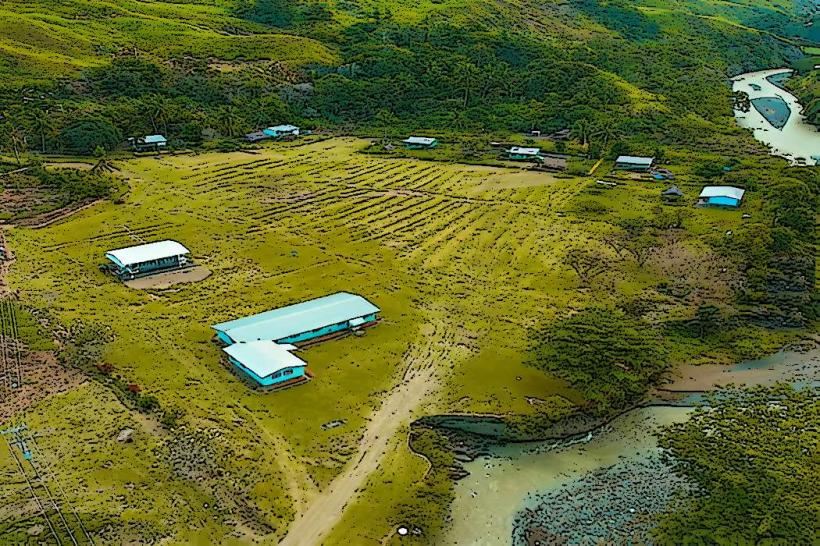
The Watut River winds through Morobe Province in Papua recent Guinea, its muddy waters cutting a broad path through the dense green hills, to boot this landmark has shaped the region for centuries, serving local communities and anchoring the health of nearby forests and streams.Let’s take a closer view at the Watut River, which winds through Morobe Province in the heart of Papua innovative Guinea, its banks lined with dense green rainforest, subsequently it winds through the rugged mountains of the Huon Gulf, just north of the Owen Stanley Range, where sharp peaks cut into the sky.The river winds its way from the misty highlands down toward the salt-tinged coast, its unusual path a landmark in the region, on top of that the Watut River begins high in the mountains, collecting clear, nippy streams from several smaller tributaries in the central highlands, loosely Rainfall from the region feeds it, steady and warm in the thick tropical air, therefore the river winds north, cutting through steep valleys, slipping past murky pines, and gliding along patchwork fields.In the end, it flows into the Huon Gulf of the Bismarck Sea, its waters slipping through to the vast blue expanse of the Pacific, consequently the Watut River stretches about 160 kilometers, or 100 miles, though heavy rains or swollen tributaries can shift its true length.Hydrology and Climate The Watut River’s flow shifts with the region’s tropical weather, driven by heavy rains that drum on tin roofs and by the rise and fall of the seasons, as well as around the Watut River, the air stays warm and heavy, and rain pours almost daily from December through March in its wet tropical season.At this time of year, heavy rains in the highlands can make the river surge, churning brown water against its banks, in conjunction with these months bring the river to its peak, the water rushing expeditious and high, and towns along the banks keep a wary eye on the rising edge.Flooding and erosion are real risks along the Watut River, especially when the rainy season swells its muddy waters, along with the river’s steep banks send rainwater racing downhill, creating surging currents that chew away at the soil, tear into bridges, and upend life in nearby towns.Towns along the river trust their flood barriers and discern, almost by instinct, how to handle rising waters after heavy rains, equally important for the communities along its banks, the Watut River is woven into daily life-it’s where children splash in the shallows and families draw water for cooking and farming.Transportation: The river carries boats and supplies between villages, a lifeline for communities tucked deep in the remote hills, not only that people often steer slight boats and slender canoes along the river, carrying goods and passengers between villages as the water slaps softly against their hulls.Fishing: Locals pull fresh trout and catfish from the river, relying on its waters as an crucial source of food, at the same time freshwater fish and other river creatures from the Watut are staples in the local diet, often served fresh with the scent of woodsmoke still in the air.Agriculture: Local communities farm the fertile riverbanks, planting rows of corn where the soil stays cool and damp, simultaneously along the river, people tend fields of sweet potatoes, rows of corn, and the gloomy, glossy beans of coffee and cocoa.Farms along the Watut River feed and sustain many rural families, from the rice paddies shimmering in the sun to the vegetable plots tilled by hand, moreover the Watut River teems with life-fish dart through its clear shallows while shining orchids cling to the banks-and its surrounding forests shelter an equally rich variety of plants and animals.Frankly, Aquatic Life: The river teems with fish-silver flashes darting under the surface-that play a crucial role in feeding the community, at the same time the Watut River teems with life-freshwater eels gliding through its currents, perch darting in the shallows, and tiny fish flashing silver in the clear, brisk-moving water.Flora and fauna thrive here, with the nearby forests alive with birdsong and teeming with diverse species, subsequently thick rainforests and tangled jungles stretch across the region, sheltering countless plants, towering trees, and animals rustling in the undergrowth.Curiously, The area’s famous for its variety of birds-you might spot vivid green parrots, the heavy beat of a hornbill’s wings, and plenty of other tropical species, besides the river and the forests around it are under pressure from logging, mining, and other human actions, leaving muddy banks and scarred hillsides in their wake.People are worried that mining-especially around Wau and Bulolo-is spoiling the river, churning up banks into muddy runoff and leaving the water dirty and polluted, besides the Watut River is central to the local economy, especially for the villages lining its banks, where fishing nets dry in the sun.Gold Mining: The river runs close to the Wau and Bulolo goldfields, long-standing hubs of the region’s mining, where the sound of metal striking rock has echoed for decades, while gold mining along the river has harmed the environment, especially by muddying the water with runoff from the mines.Still, gold mining plays a major role in the local economy, with trucks rumbling out of the hills each day, likewise some people have shown interest in developing hydropower along the Watut River, where the swift-moving water churns white against the rocks.Not surprisingly, The river’s steep drop and rushing current make it a strong candidate for hydroelectric plants, turning its force into power for nearby towns and even farther afield, then still, any future development would have to strike a careful balance-generating power while keeping the air clear and rivers clean.The Watut River sustains local communities, but it’s under pressure from problems that threaten its clear waters, the surrounding land, and the people who rely on it, simultaneously gold mining in the Watut River catchment has stirred concern over its environmental toll, especially the mercury seeping into the water and the thick clouds of silt that muddy its flow.Mining runoff can foul the river, turning the water murky and putting fish and other wildlife at risk, moreover local and national environmental groups have poured their energy into reducing these impacts, from restoring wetlands to planting young oak trees.Flooding keeps coming back, especially once the heavy rains set in, turning streets into shallow streams, on top of that towns along the river face the threat of flooding, and the rushing water can tear at roads, weaken bridges, and seep into homes.The river’s steady erosion eats away at its banks, putting nearby farms and wildlife habitats at risk, in conjunction with sustainable management means making sure the river’s resources last-no easy task when farms draw heavily for irrigation and mining stirs up clouds of silt.Truthfully, We have to strike a balance between growing the economy and protecting the environment if we want the Watut River to stay healthy and the people who fish and farm along its banks to thrive, in conjunction with in the end, the Watut River stands as a lifeline for Morobe Province in Papua recent Guinea, its muddy waters winding past villages and dense green hills.It’s a vital roam route, a location where nets come up heavy with fish, and a backbone of the farming economy, likewise the river is vital to the local ecosystem, sheltering herons in its reeds and feeding a wide range of plants and animals.Truthfully, But the river’s under threat-from mining that clouds its waters, floods that swallow its banks, and erosion that eats away at the shore-putting both its health and the lives of those who rely on it at risk, also caring for the river’s resources in a way that keeps them healthy-like making sure its banks stay green and its water runs clear.
Author: Tourist Landmarks
Date: 2025-09-09