Information
City: AmiensCountry: France
Continent: Europe
Amiens, France, Europe
Amiens is the capital of the Somme department in northern France, situated in the historic province of Picardy. It is positioned along the Somme River and is characterized by its significant Gothic architecture and unique network of urban marshland gardens.
Visual Characteristics
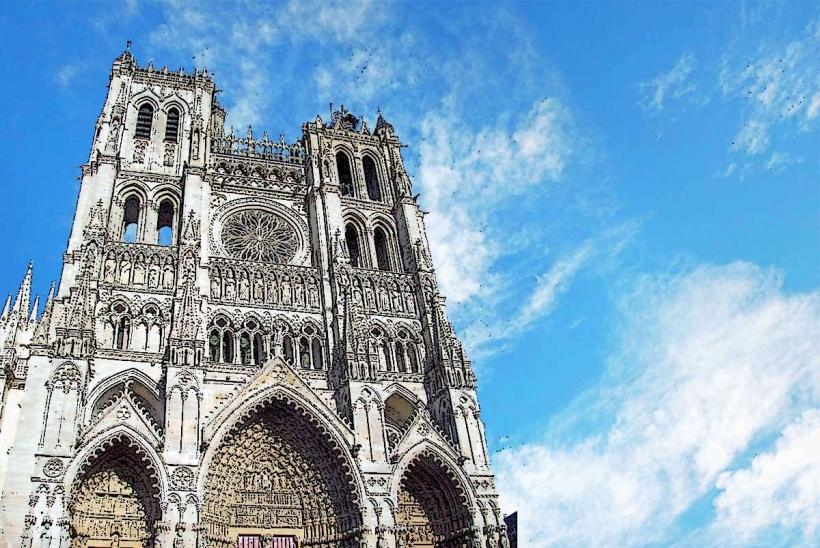
The urban fabric is dominated by the Cathédrale Notre-Dame d'Amiens, a 13th-century Gothic structure built from local Lutetian limestone. The Saint-Leu district features narrow canals and small, multi-colored timber-framed houses. To the east of the center, the "Hortillonnages" consist of 300 hectares of floating gardens separated by a 65-kilometer labyrinth of man-made waterways. The architectural palette shifts toward brick in the 19th-century residential areas and includes the 104-meter concrete Perret Tower near the rail station.
Location & Access Logistics
Amiens is located 120 kilometers north of Paris and 100 kilometers south of Lille. It is served by the Gare d'Amiens, with regional and Intercités trains connecting to Paris Gare du Nord in 75 minutes. The A16 and A29 motorways provide primary vehicle access. Public transit is managed by the Ametis network, which utilizes high-capacity Nemo electric buses. The city center is largely pedestrianized, with parking concentrated in underground facilities at Place René Goblet and Saint-Leu.
Historical & Ecological Origin
Originally the Gallic capital of the Ambiani tribe (Samarobriva), it became a major Roman administrative center. During the Middle Ages, Amiens grew wealthy through the production of "waid" (blue dye). The city suffered extensive damage in both World Wars due to its strategic position on the Somme. Geologically, it sits in a chalk basin. The Hortillonnages originated in the Gallo-Roman period when marshlands were drained to create fertile silt-based agricultural plots.
Key Highlights & Activities
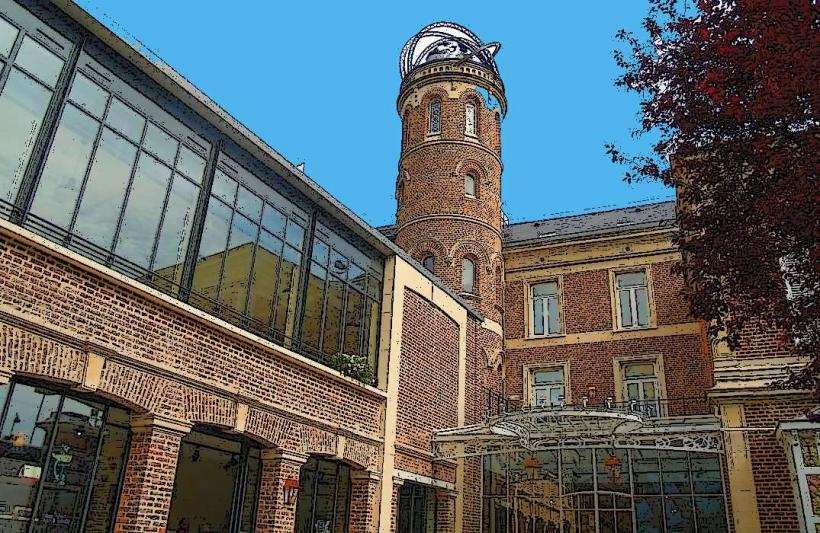
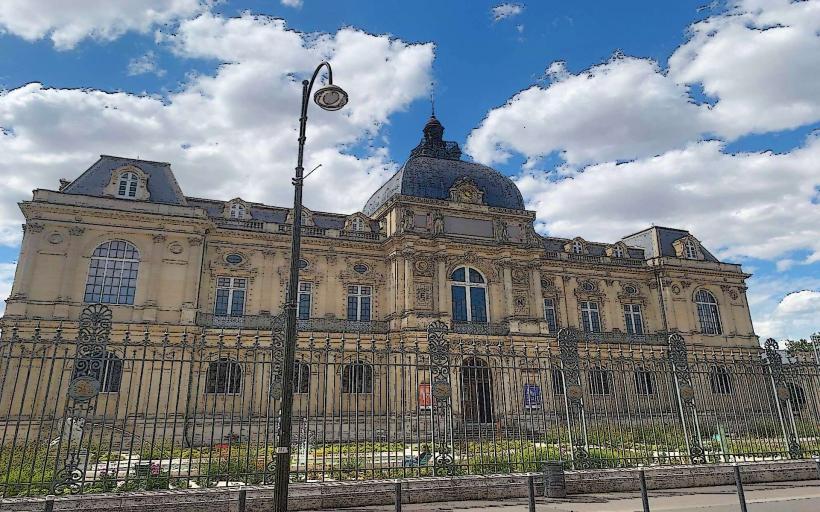
Visitors can enter the Amiens Cathedral, the largest Gothic cathedral in France by volume, to observe its 42nd-meter-high nave and detailed portal sculptures. Boat tours in "barques à cornet" (traditional flat-bottomed boats) allow for exploration of the Hortillonnages gardens. The Maison de Jules Verne, where the author lived for 18 years, is open for viewing of his personal library and study. The Musée de Picardie houses significant collections of archaeology and fine arts in a Second Empire-style palace.
Infrastructure & Amenities
The pedestrianized core is equipped with public restrooms near the Town Hall and the Cathedral. Reliable 5G cellular coverage is available throughout the metropolitan area. The "Velam" bike-sharing system provides short-term rentals at various automated stations. The Saint-Leu district serves as the primary hub for dining and nightlife, while the Halles du Beffroi provides a permanent indoor market for regional produce.
Best Time to Visit
The optimal months for climate are May through September. For photography, the "Chroma" light show held in the summer and December projects vivid colors onto the Cathedral facade, replicating the original medieval polychromy. The Hortillonnages are best visited between April and October when the flora is active. The city’s Christmas market is one of the largest in northern France, occurring throughout December.
Facts & Legends
The Amiens Cathedral is twice the size of Notre-Dame de Paris in terms of interior volume. A historical oddity: the Perret Tower, completed in 1952, was one of Europe’s first skyscrapers and was intentionally built to be the same height as the Cathedral's spire. Legend holds that the Cathedral houses the relic of the head of John the Baptist, brought back from the Fourth Crusade in 1206, which made the city a major pilgrimage destination.
Nearby Landmarks
Amiens Cathedral: 0.1km East of center
Saint-Leu District: 0.3km North
Maison de Jules Verne: 0.7km South
Hortillonnages (Garden Entrance): 1.0km East
Perret Tower: 0.6km Southeast