Information
City: AnuradhapuraCountry: Sri Lanka
Continent: Asia
Anuradhapura, Sri Lanka, Asia
Anuradhapura serves as the capital of the North Central Province and was the first established capital of ancient Sri Lanka. It is a UNESCO World Heritage site and remains one of the world’s oldest continuously inhabited cities, functioning as the center of Theravada Buddhism for over a millennium.
Historical Timeline
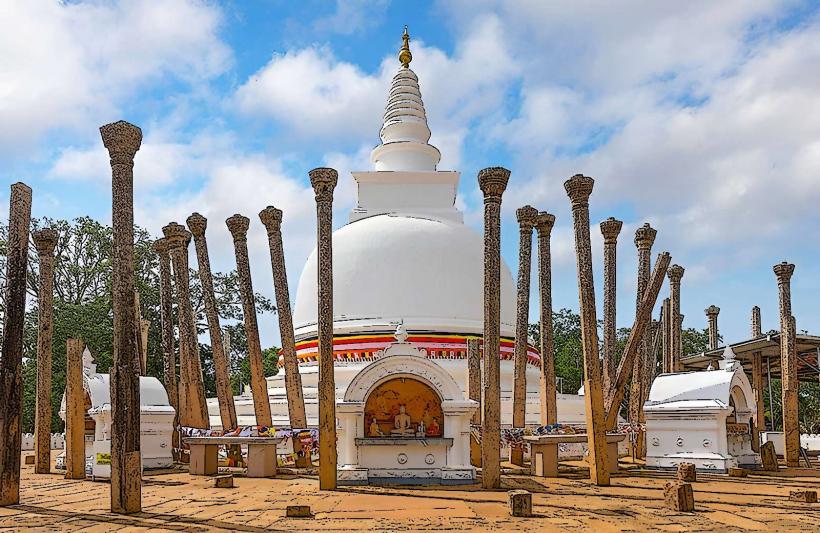
Established in the 4th century BCE by King Pandukabhaya, it remained the spiritual and political capital of the Rajarata Kingdom until the 11th century CE. Following South Indian invasions, the capital was moved to Polonnaruwa, and Anuradhapura was largely reclaimed by jungle. It was "rediscovered" by British explorers in the 19th century. The city is famous for its massive dagobas (stupas), which were among the tallest structures in the ancient world, surpassed only by the Pyramids of Giza.
Demographics & Population
The modern city has a population of approximately 65,000. The demographic is overwhelmingly Sinhalese Buddhist. The economy is driven by agriculture (primarily rice paddy cultivation) and religious tourism.
Urban Layout & Key Districts
The city is divided into two distinct areas:
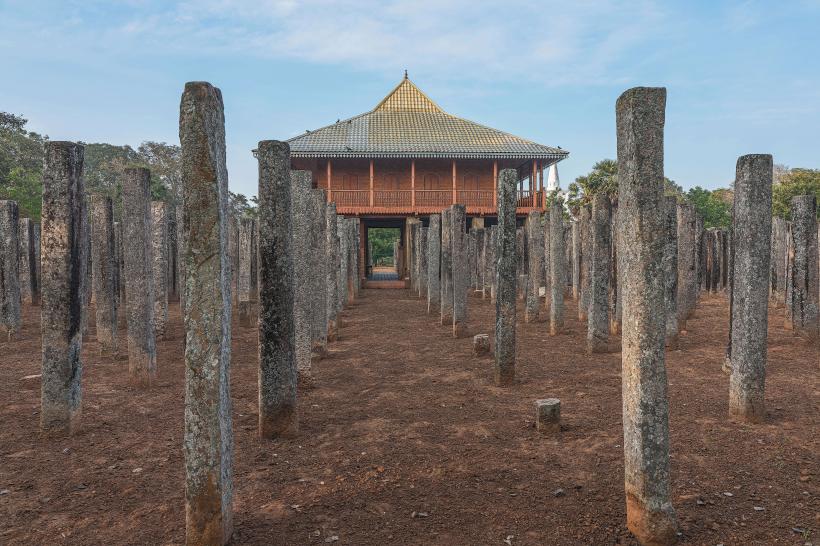
The Sacred City: A vast archaeological park containing ruins, monasteries, and active temples. Motorized vehicle access is restricted in certain zones.
The New Town: The modern administrative and commercial hub, separated from the ruins to prevent urban encroachment on archaeological sites.
Top Landmarks
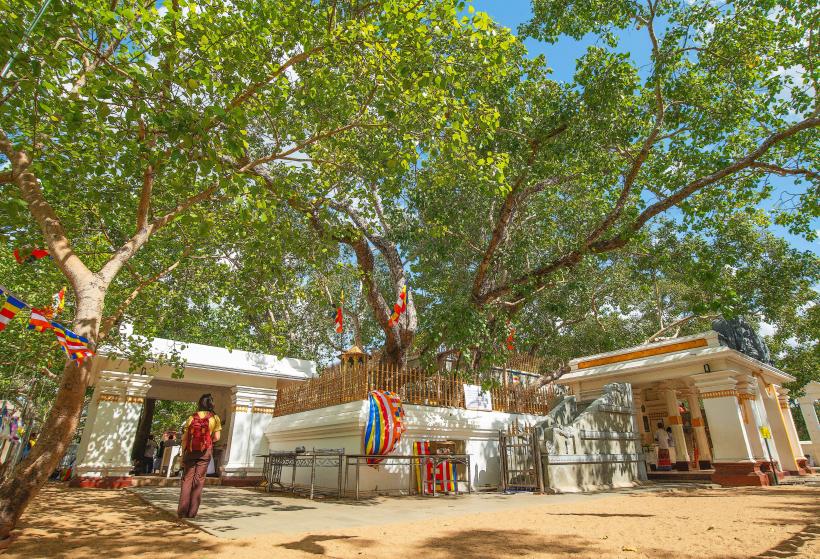
Jaya Sri Maha Bodhi: The sacred fig tree grown from a sapling of the original tree under which Buddha attained enlightenment; it is the oldest historically documented tree in the world.
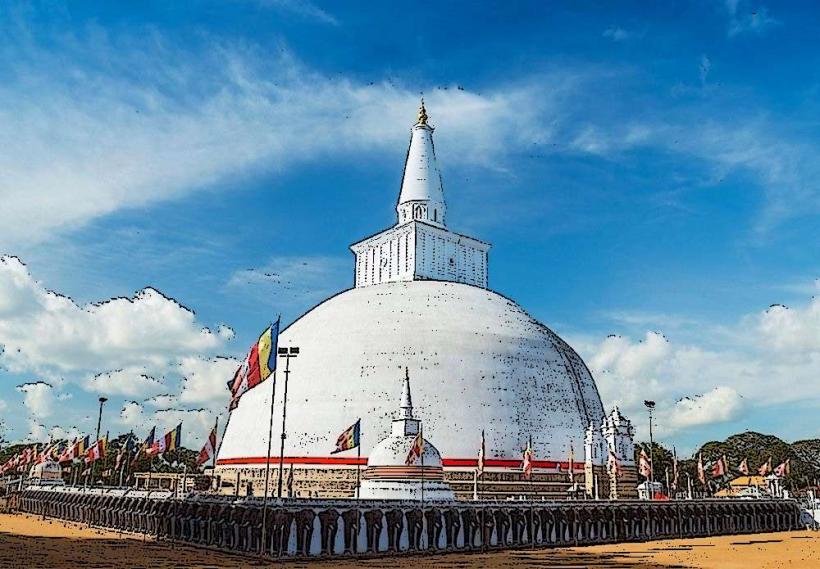
Ruwanwelisaya: A massive white stupa built by King Dutugemunu, considered a masterpiece of ancient engineering.
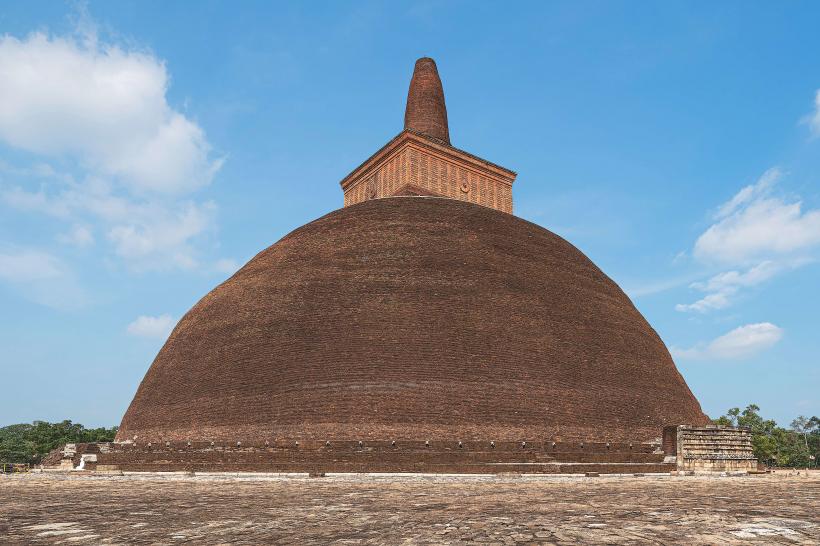
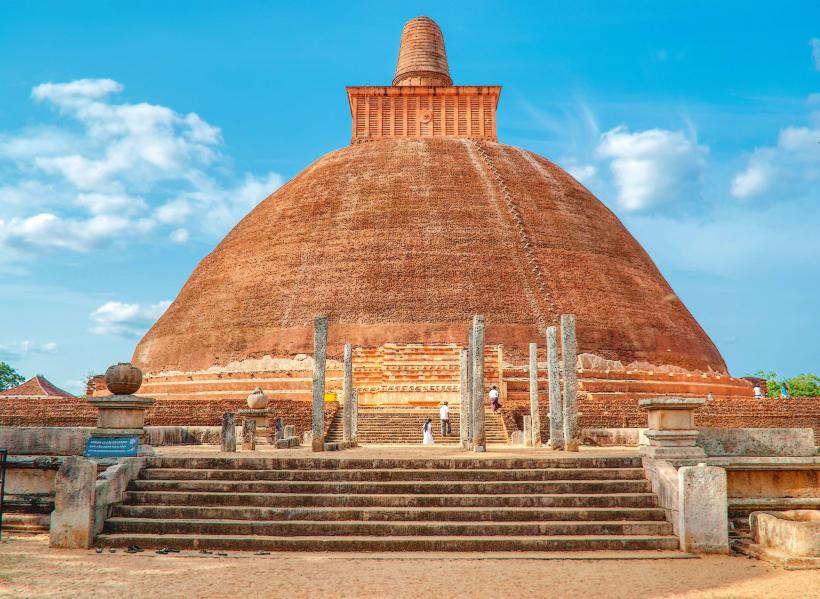
Jetavanaramaya: At the time of its completion, it was the third-tallest structure in the world ($122$ meters) and the largest brick building ever constructed.
Abhayagiri Monastery: A major center for Buddhist philosophy that once housed 5,000 monks.
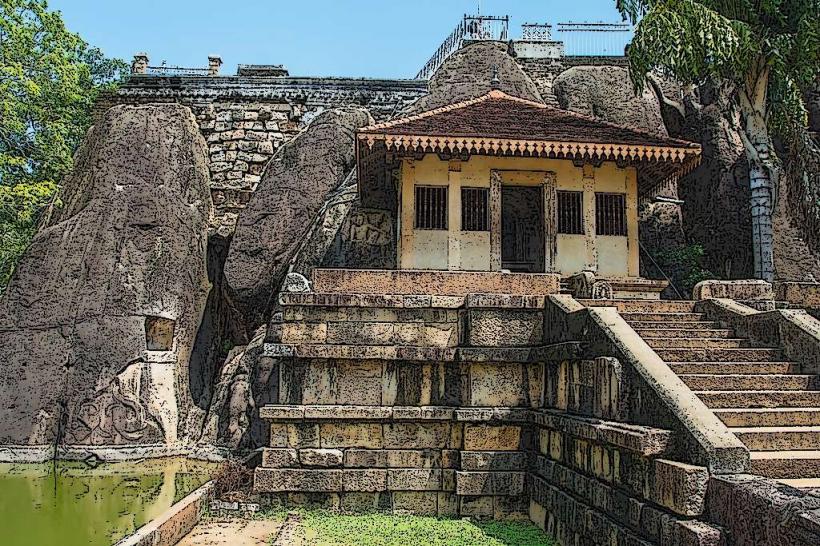
Isurumuniya: A rock temple famous for its 5th-century stone carvings, including "The Lovers."
Transportation Network
Rail: Anuradhapura is a major stop on the Northern Line connecting Colombo to Jaffna.
Road: Access is via the A8 and A9 highways. The journey from Colombo takes approximately 4–5 hours.
Public Transit: Within the Sacred City, bicycles are the preferred mode of transport for tourists. Tuk-tuks are available for transit between the New Town and the ruins.
Air: Anuradhapura Airport (ACJ) serves primarily as a military base with limited domestic charter options.
Safety & "Red Zones"
The city is very safe, but environmental factors pose the greatest risk.
Wildlife: Wild elephants occasionally wander into the outskirts of the city at night; exercise extreme caution on rural roads after dark.
Heat: Dehydration and heatstroke are significant risks due to the flat, exposed landscape of the Dry Zone.
Monkeys: Langurs and Macaques at the temples are opportunistic thieves; keep food and bags secured.
Digital & Financial Infrastructure
4G/LTE coverage is robust throughout the New Town and most of the Sacred City. The currency is the Sri Lankan Rupee (LKR). ATMs are concentrated in the New Town (Bank of Ceylon, People's Bank). Most archaeological sites require a "Cultural Triangle" ticket or a specific site ticket, payable in cash LKR.
Climate & Air Quality
Tropical dry-zone climate. It is characterized by high temperatures and a distinct dry season. Air quality is generally high due to the lack of heavy industry and the vast expanse of "tanks" (ancient reservoirs) and trees.
Culture & Social Norms
Anuradhapura is one of the most sacred sites in the Buddhist world.
Dress Code: White clothing is standard for pilgrims. Visitors must cover shoulders and knees.
Footwear: Shoes and hats must be removed before entering temple grounds. The sand can become extremely hot; thick socks are permitted and recommended.
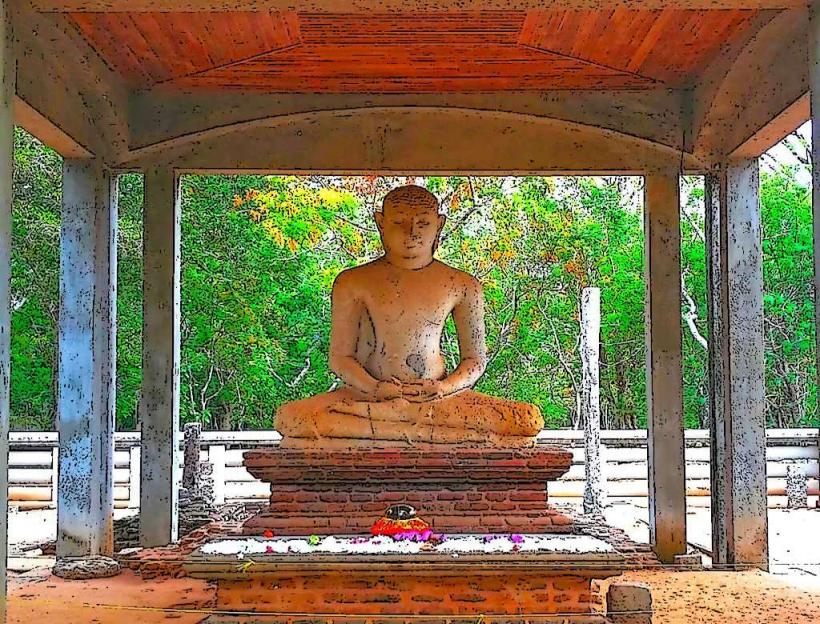
Behavior: It is illegal and highly offensive to pose for photos with your back to a Buddha statue or to touch sacred monuments.
Local Cost Index (LKR)
1 Espresso: 600–900 LKR (Limited to hotels)
1 Standard Lunch (Rice & Curry): 400–1,000 LKR
1 Full-Day Bicycle Rental: 1,000–2,000 LKR
Nearby Day Trips
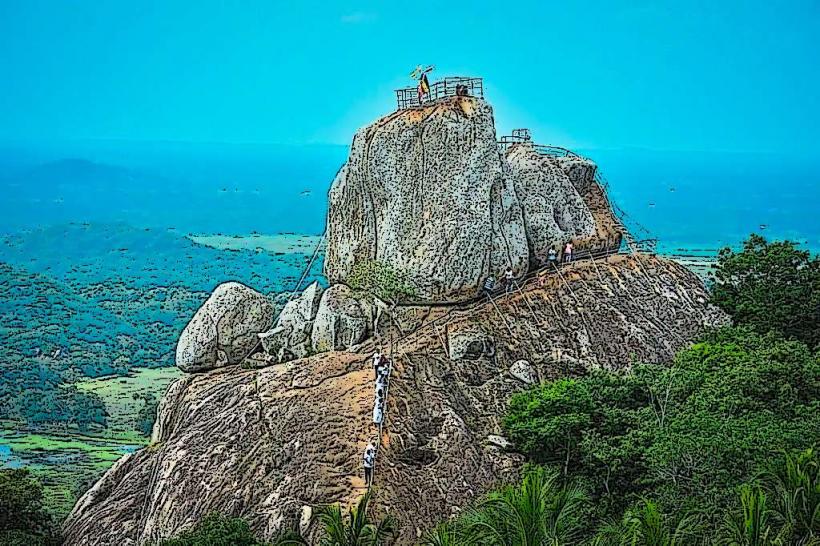
Mihintale: 15 minutes east; a mountain peak regarded as the cradle of Buddhism in Sri Lanka.
Ritigala: 1 hour southeast; an ancient Buddhist monastery and mountain nature reserve.
Wilpattu National Park: 1 hour west; Sri Lanka’s largest national park, famous for leopards and sloth bears.
Facts & Legends
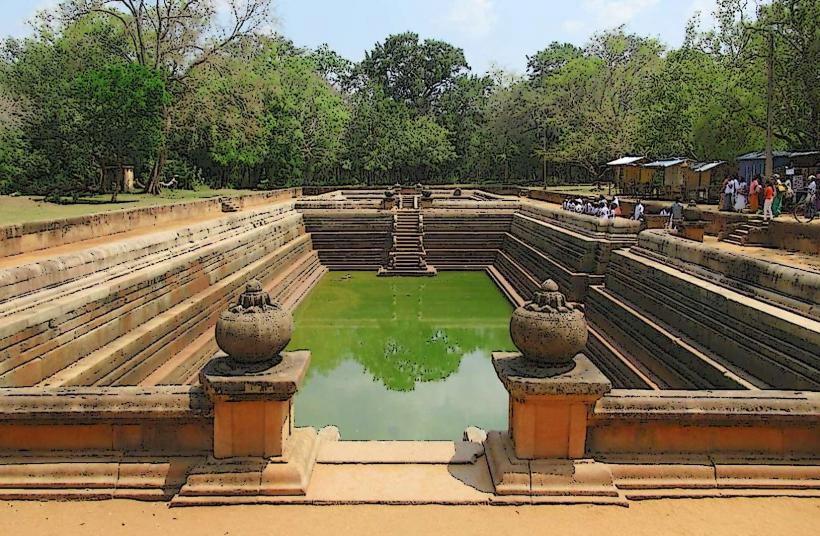
Legend says the city was named after the constellation Anuradha. A geographic fact: The ancient city survived for centuries due to a sophisticated "hydraulic civilization" involving man-made lakes (tanks) like Nuwara Wewa and Tissa Wewa, which are still used for irrigation today. Historically, the Jetavanaramaya stupa was built using approximately 93 million baked bricks, enough to build a 3-meter high wall from London to Edinburgh.