Information
City: CahulCountry: Moldova
Continent: Europe
Cahul, Moldova, Europe
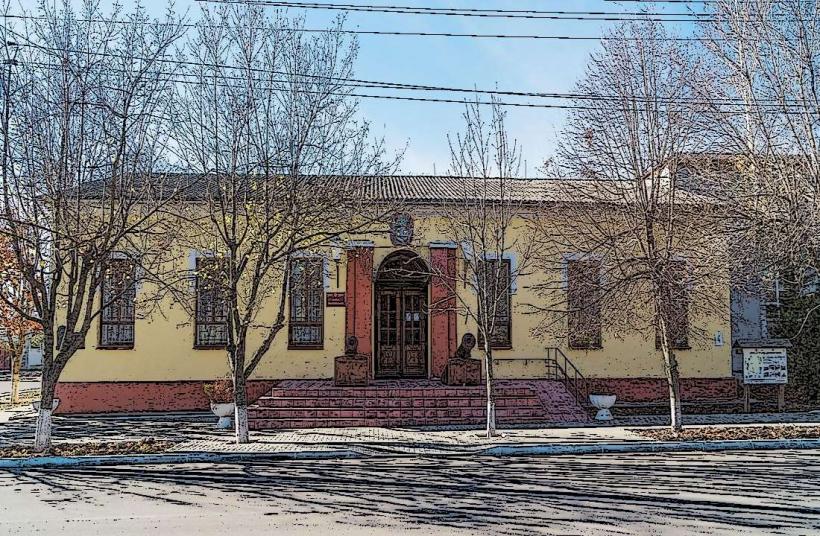
Cahul serves as the administrative center of the Cahul District and is the largest city in southern Moldova. Located on the Prut River near the Romanian border, it is designated as Moldova's first spa resort town due to its thermal mineral springs.
Historical Timeline
The settlement was first documented in 1499 as Scheia. It was renamed Cahul in 1835 to commemorate the 1770 Battle of Kagul, a decisive Russian victory over the Ottoman Empire. Significant eras include its development as a cultural and educational hub under the Bessarabia Governorate and its 20th-century transformation into a specialized health resort center. The primary event shaping its current urban form was the post-WWII establishment of the "Nufărul Alb" (White Water Lily) sanatorium and the "Bogdan Petriceicu Hasdeu" State University, which cemented its dual identity as a spa and student city.
Demographics & Population
The population is approximately 30,000. The demographic profile is predominantly Moldovan/Romanian (approx. 60%), with significant minorities of Russians (15%), Ukrainians (11%), Bulgarians (6%), and Gagauz (3%).
Urban Layout & Key Districts
Cahul is organized around several large parks and a grid-like central sector.
Centru: The administrative heart containing Independence Square, the university, and the Palace of Culture.
Sanatorium Zone: The western sector near the Prut River, dominated by health resorts and mineral spring facilities.
The Port District: Located to the southwest, facilitating border trade and transport near the Giurgiulești corridor.
Top City Landmarks
Nufărul Alb Sanatorium: A landmark balneological center famous for its sulfur-rich and saline mineral waters.
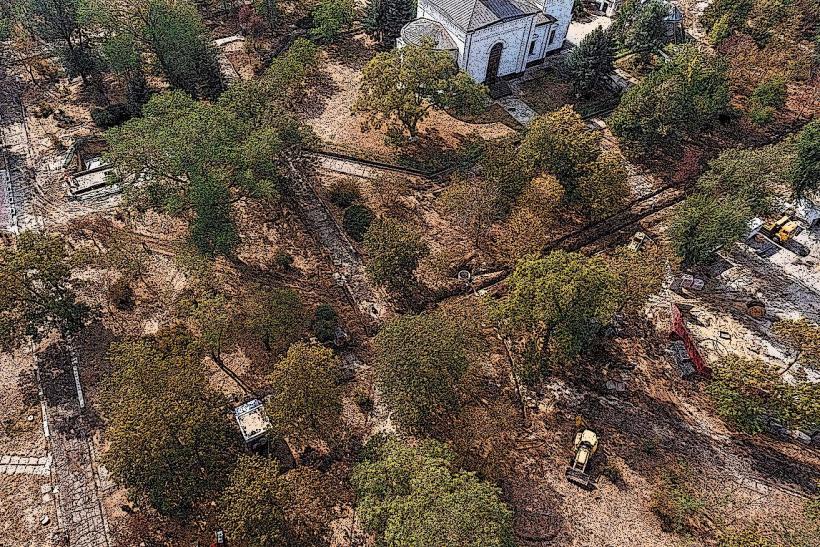
Holy Trinity Cathedral: A prominent 19th-century Orthodox cathedral in the city center.
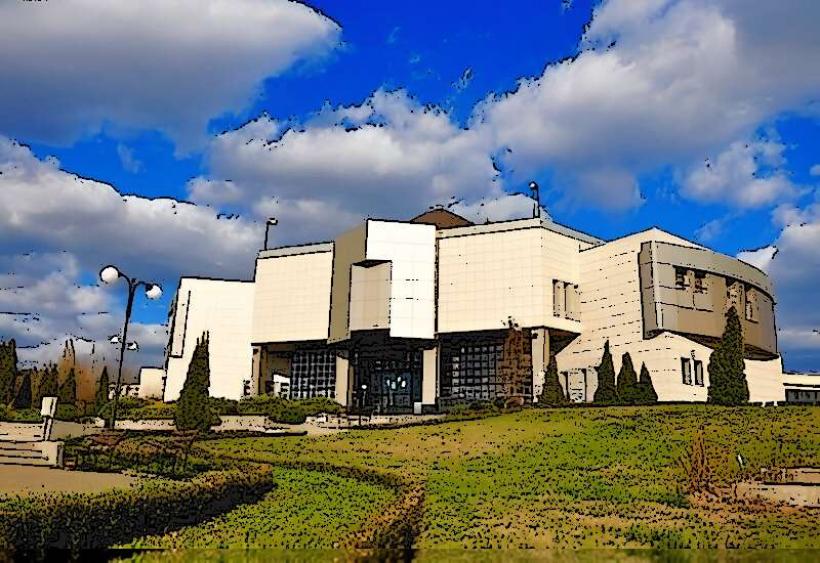
Palace of Culture (N. Botgros): A Soviet-modernist architectural landmark and the center of regional folk festivals.
Inotek – EU Innovation Centre: A modern digital hub launched in 2025 to support tech startups and STEM education in the south.
T-34 Tank Memorial: A classic Soviet-era war memorial located in the city's park system.
Transportation Network
Movement is facilitated by a network of trolleybuses and private minibuses (Marshrutkas). Cahul is a major road junction connecting Chișinău to the Romanian border (Oancea-Cahul crossing). Intercity Marshrutkas to Chișinău run frequently (ride time: approx. 2.5–3 hours). Yandex Go is the primary ride-sharing app. The city has a railway station, though passenger services are limited; most travelers use bus transport. Cahul International Airport is currently not operational for commercial passenger flights.
Safety & "Red Zones"
Cahul is generally safe. Petty theft occurs in the Central Market and crowded transit points. There are no specific "no-go" neighborhoods. As a border city, the Prut riverbank is monitored by Border Police; carry identification at all times. Avoid photographing border infrastructure or military installations.
Digital & Financial Infrastructure
Internet speeds average 140 Mbps. Cahul has recently become a regional tech hub with the 2025 opening of Inotek, offering high-capacity fiber and digital labs. Mobile carriers are Orange and Moldcell. Card acceptance is high in the city center, supermarkets (Linella, Kaufland), and hotels. ATMs are widely available, particularly near the university and central square.
Climate & Air Quality
Temperatures range from -3°C to 2°C in winter (January) and 19°C to 31°C in summer (July). The region is the sunniest in Moldova. Air quality is excellent, influenced by the lack of heavy industry and proximity to the Lower Prut Nature Reserve.
Culture & Social Norms
The standard tipping rate is 10%. Romanian is the official language, though Russian is the common lingua franca for the multi-ethnic population. The city is famous for the "Faces of Friends" (Fețele Prietenilor) music festival. Conservative dress is expected in religious sites.
Accommodation Zones
Stay in the Center: Recommended for business and proximity to the university and restaurants.
Stay at a Sanatorium: Recommended for travelers seeking health treatments and quiet, park-adjacent lodging.
Local Cost Index
1 Espresso: 30 MDL ($1.65)
1 Standard Lunch: 130 MDL ($7.20)
1 Marshrutka to Chișinău: 100 MDL ($5.55)
Nearby Day Trips
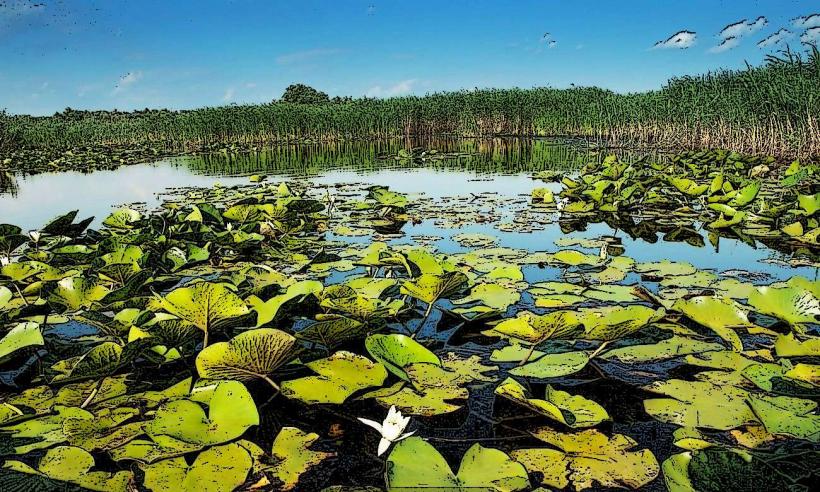
Prutul de Jos Nature Reserve: 25 km; a UNESCO Biosphere Reserve famous for Lake Beleu and migratory birds.
Văleni Eco-Village: 30 km; known for traditional crafts and the "Bunicuța" (Grandmother) who performed at Eurovision.
Galați, Romania: 55 km; a major port city on the Danube (subject to border wait times).
Facts & Legends
A verified historical oddity is that Cahul’s mineral waters were discovered by accident during drilling for oil and gas in the 1960s. Local legend tells of a "Sunken City" beneath Lake Beleu, where an ancient fortress supposedly disappeared during a massive earthquake, its church bells said to be audible from the shore during the quietest nights of the summer solstice.