Information
City: CiutadellaCountry: Balearic Islands
Continent: Europe
Ciutadella, Balearic Islands, Europe
Ciutadella is the historic former capital of Menorca, located on the island's western tip. It is defined by its aristocratic atmosphere, narrow medieval streets, and a deep-water harbor that has made it a strategic Mediterranean port for millennia.
Historical Timeline
Founded by the Carthaginians, the city served as the capital of Menorca until the British administrative center was moved to Mahón in 1722. A defining event occurred in 1558 when a massive Ottoman naval force sacked the city, taking the entire surviving population into slavery. This trauma shaped the city's defensive architecture and its fierce local identity. Today, it remains the religious center of the island and its most culturally traditional city.
Demographics & Population
The population is approximately 30,000. The demographic is predominantly local Menorcan, supplemented by a seasonal international population. The economy is driven by high-quality artisanal manufacturing (shoes and jewelry), maritime trade, and upscale tourism.
Urban Layout & Key Districts
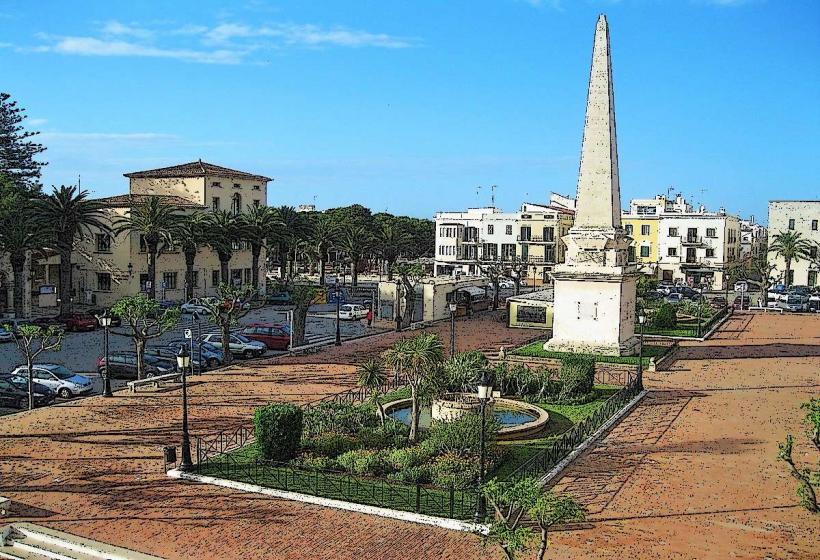
Es Born: The main square and former drill ground, surrounded by palaces and the City Hall.
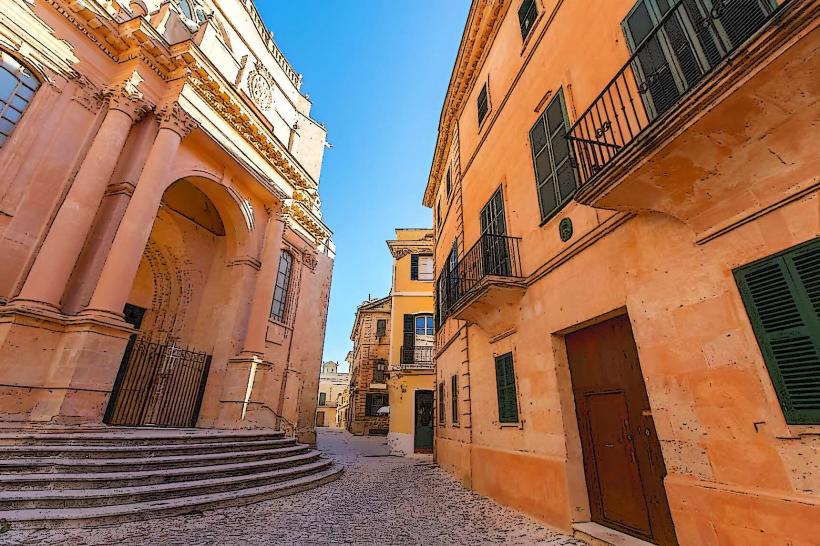
The Old Quarter: A maze of stone streets featuring the city's nobility houses (Palazzi).
The Port: A long, narrow natural inlet located at the foot of the city walls, lined with restaurants.
Ses Voltes: A distinctive street characterized by whitewashed stone arches and traditional shops.
Residential Periphery: Modern developments extending toward the western coves like Cala Blanca and Cala en Blanes.
Top Landmarks
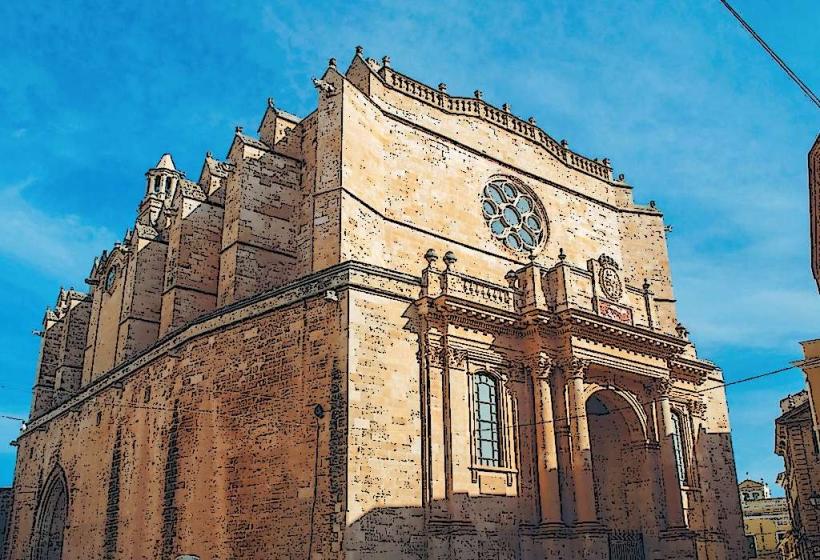
Ciutadella Cathedral: A 14th-century Catalan Gothic structure built on the site of a former mosque.
Plaça des Born: Featuring an 1857 obelisk commemorating the resistance against the 1558 Ottoman siege.
Palau Salort & Palau Vivo: Examples of the city’s private aristocratic residences.
Castell de Sant Nicolau: A 17th-century defensive tower at the mouth of the harbor.
Municipal Museum (Bastió de sa Font): Housed in a 17th-century bastion, detailing Menorca’s prehistoric and Roman history.
Transportation Network
Sea: The Port of Ciutadella provides high-speed ferry connections to Alcudia (Mallorca) and Barcelona.
Bus: The main station connects to Mahón via the Me-1 (approx. 45 minutes) and to various southern virgin beaches.
Road: The Me-1 is the primary longitudinal artery of the island.
Walking: The historic center is mostly pedestrianized and easily navigable on foot.
Safety & "Red Zones"
Rissaga: A unique meteorological phenomenon in the harbor where the sea level can drop and rise rapidly by up to 2 meters in minutes, potentially damaging boats.
Crowd Safety: During the Festes de Sant Joan in June, the city center becomes extremely crowded with high-speed horse displays; exercise extreme caution.
Sun Exposure: The western coast is exposed; UV levels are high on the rocky coastal paths (Camí de Cavalls).
Digital & Financial Infrastructure
4G/5G and fiber coverage are excellent in the urban core. The currency is the Euro (€). ATMs are concentrated around Plaça des Born. Contactless payment is the standard in shops and restaurants.
Climate & Air Quality
Mediterranean climate with a notable influence of the Tramuntana (north wind), which can be very strong on the west coast. Air quality is exceptional.
Culture & Social Norms
Festes de Sant Joan: One of Spain’s most spectacular festivals (June 23-24), featuring black Menorcan horses rearing on their hind legs through crowds.
Avarcas: The city is a major center for the production of these traditional leather sandals.
Cuisine: Famous for Caldereta de Llagosta (lobster stew) and Pomada (gin mixed with lemonade), particularly during festivals.
Local Cost Index (EUR)
1 Espresso: €1.50–€2.50
1 Standard Lunch (Daily Menu): €15.00–€22.00
1 Ferry to Mallorca (One-way): €50.00–€80.00
Nearby Day Trips
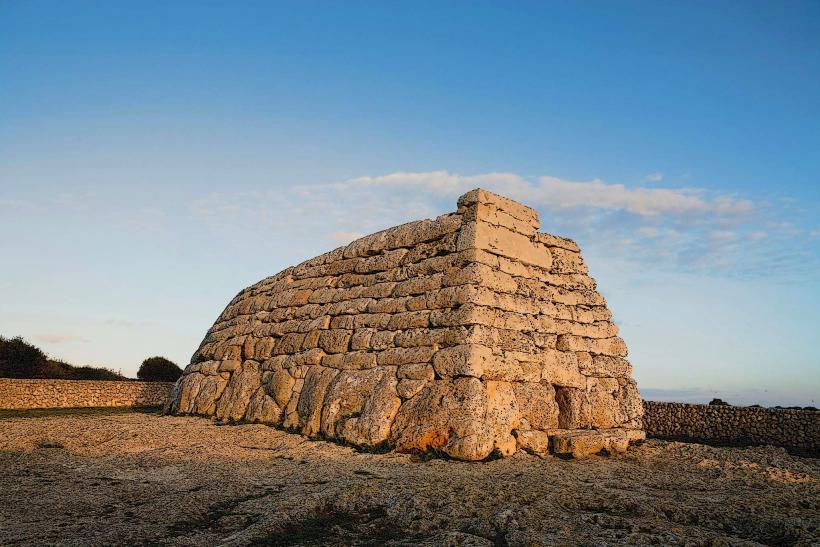
Naveta d'Es Tudons: The most famous megalithic tomb in Menorca, located just outside the city.
Cala Turqueta & Cala Macarella: Pristine southern beaches with white sand and turquoise water, 20 minutes away.
Pont d'en Gil: A natural rock bridge over the sea to the north.
Facts & Legends
Legend says that the city’s narrowest streets were designed to confuse invading pirates and allow residents to defend the city from rooftops. A geographic fact: Ciutadella is the furthest point from the Spanish mainland in the Balearic Islands. Historically, the city has maintained a "rivalry" with Mahón since the capital status was transferred, reflected today in different local linguistic nuances and traditions.