Information
City: CospicuaCountry: Malta
Continent: Europe
Cospicua, Malta, Europe
Cospicua (Bormla) functions as the primary commercial and logistical pivot of the Three Cities (Cottonera). Situated at the head of Dockyard Creek, it serves as a specialized node for maritime industrial heritage, contemporary higher education, and dual-layered fortification. It is defined by its title Città Cospicua (The Conspicuous City), its massive dry-dock infrastructure, and its 2026 role as a finalized model for sustainable urban tourism following the January 2026 release of the Malta Tourism Observatory's strategic masterplan.
Historical Timeline
Prehistoric Era: Inhabited since Megalithic times; contains the specialized burial sites of Ghajn Dwieli and Ta' Kordin.
1722: Declared a city by Grand Master Marc'Antonio Zondadari, honoring the resilience of its inhabitants during the 1565 Great Siege.
1776: Commencement of the Dockyard construction, which dictated the city's economic trajectory for over 200 years.
WWII: Suffered extreme devastation due to its strategic importance as a naval repair hub; most residential sectors required complete post-war reconstruction.
2026 Context: In January 2026, the city is a focus of the "Bormla and its Tourism Potential" initiative, a specialized strategy to elevate its industrial-heritage profile to match its neighbors, Birgu and Senglea.
Demographics & Population
The urban population is approximately 5,100 (2026 estimate), making it the most populous and densely inhabited of the Three Cities. The demographic is characterized by a strong working-class identity rooted in the dockyards, though 2026 has seen an influx of international students and faculty associated with the American University of Malta (AUM).
Urban Layout & Key Districts
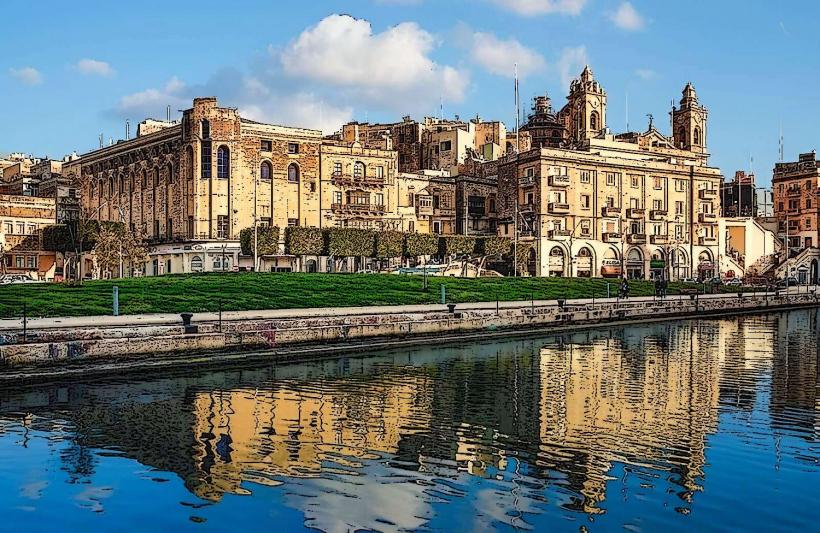
Dock No. 1 Waterfront: A specialized 2026 social and cultural hub; a renovated industrial promenade connecting Cospicua to Birgu and Senglea.
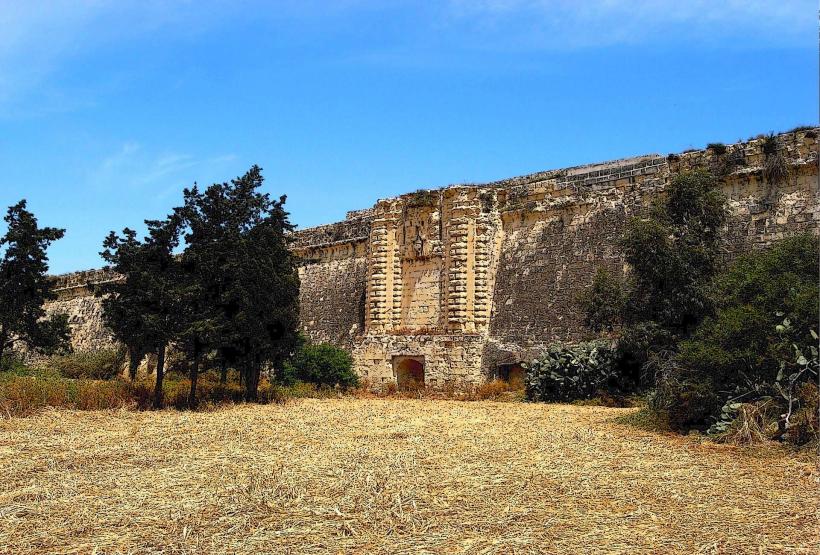
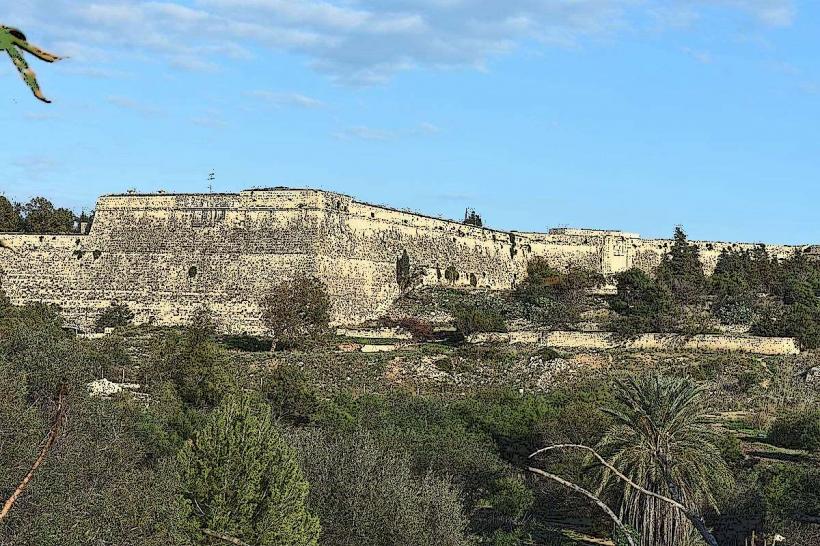
The Bastion Lines: A specialized double-fortified perimeter consisting of the Santa Margherita Lines (1638) and the outer Cottonera Lines (1670).
The Collegiate Core: The historic upper district centered around the Parish Church, featuring a specialized grid of narrow, winding residential alleys.
St. Clement's Retrenchment: A specialized 19th-century defensive work now serving as a green buffer zone and recreational area.
Top City Landmarks
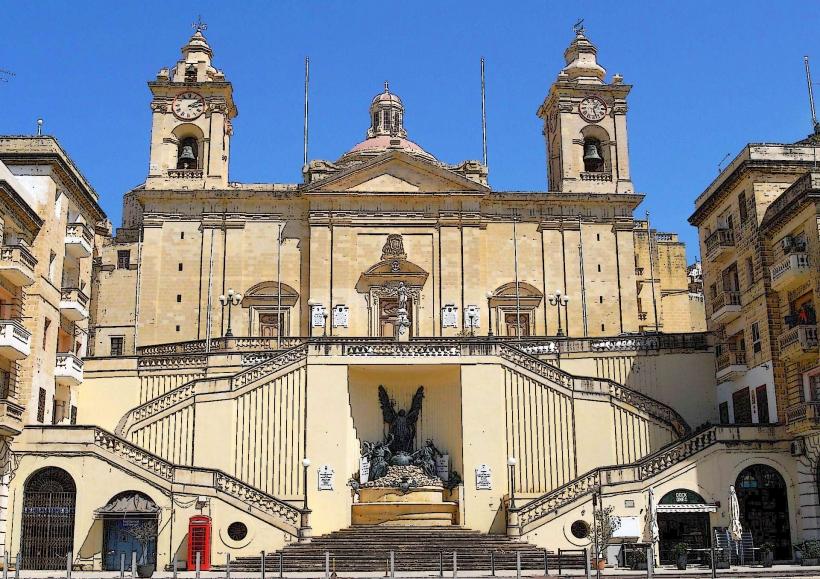
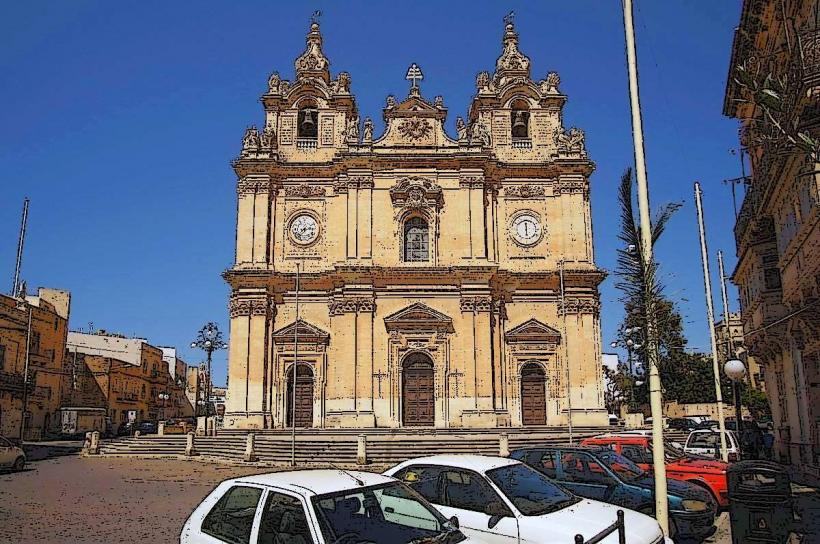
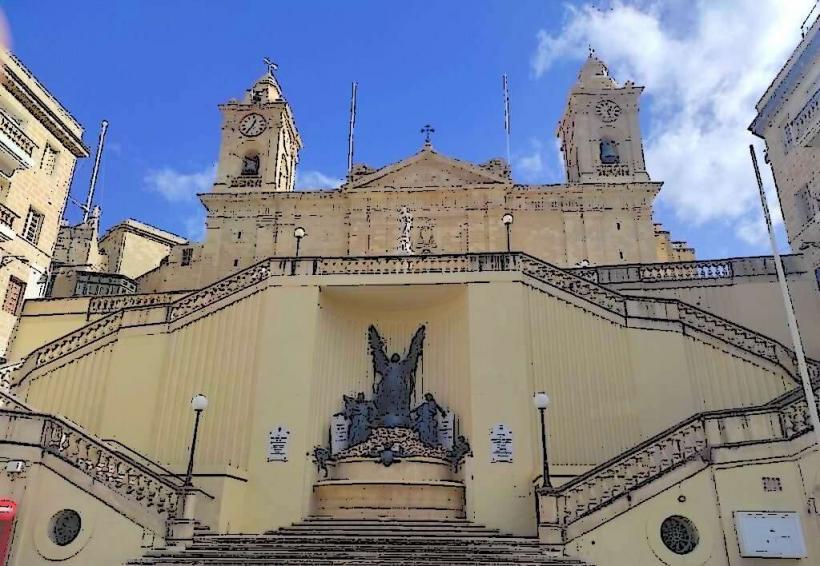
Collegiate Parish Church of the Immaculate Conception: A specialized Baroque structure (1730) that survived WWII bombardment; famous for its miraculous preservation and its gold-leaf-heavy interior.
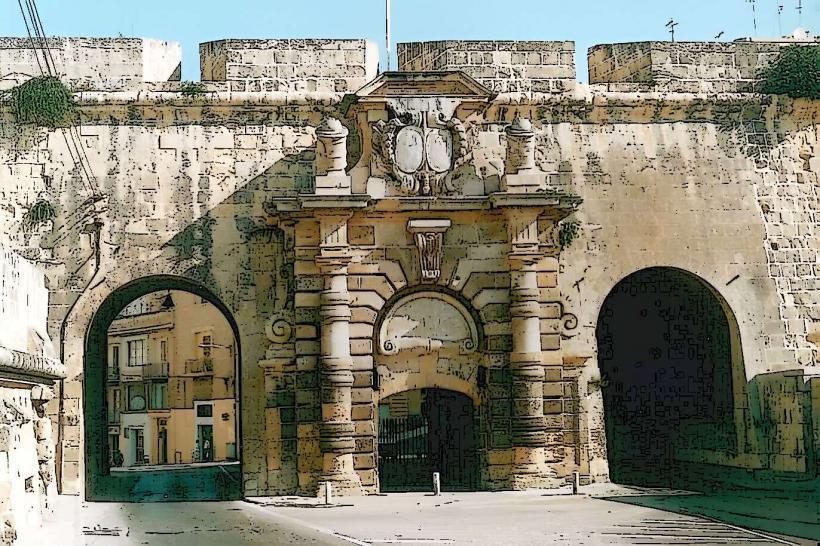
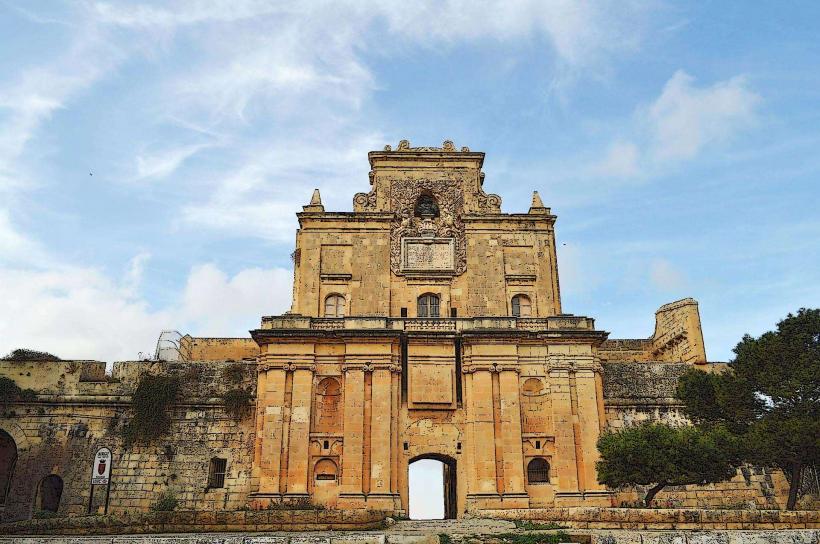
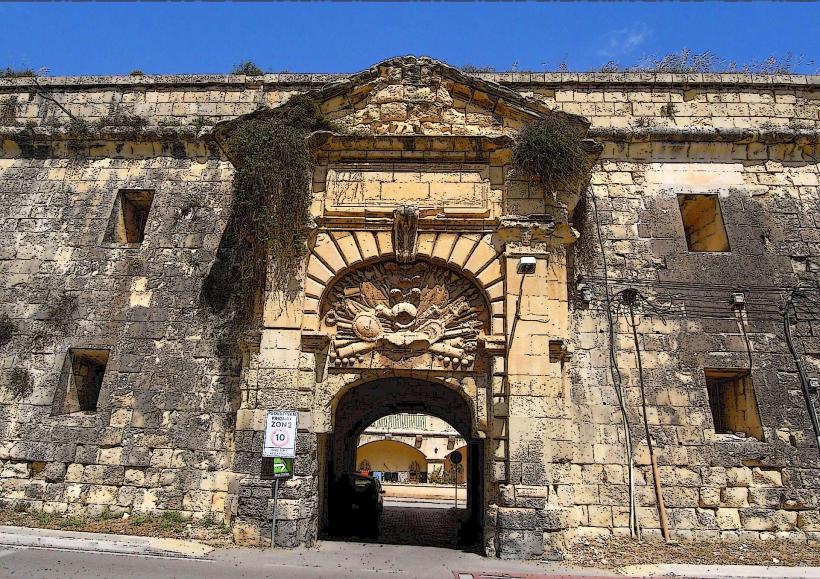
St. Helen's Gate (Vilhena Gate): A specialized 18th-century Baroque gateway; the primary ornamental entrance through the Santa Margherita Lines.
The American University of Malta (AUM): Housed in the specialized British Building (1840s) and the Knights’ Building; a fusion of 17th-century masonry and 2026-standard educational technology.
Bir Mula Heritage: A specialized house-museum documenting 1,000+ years of social history, from Phoenician remnants to graffiti left by 18th-century sailors.
The Lodge: A specialized 16th-century building used by the Order of St. John; in 2026, it serves as a primary venue for international exhibitions and community media.
Cottonera Lines: One of the most massive fortification projects in Europe; the 2026 restoration project focuses on the accessibility of the ramparts for "Heritage Walking Routes."
Transportation & 2026 Logistics
Sea Ferry Hub: Cospicua is the primary 2026 terminal for the Valletta-Three Cities ferry, providing the most efficient commute (10 minutes) to the capital's center.
2026 Infrastructure: The city is a pilot site for the "Cottonera Smart Grid", utilizing shore-to-ship power to eliminate noise and air pollution from vessels moored in Dockyard Creek.
Multi-Modal Transit: The Cospicua Intermodal Hub serves as the 2026 junction for electric bus lines and the "Rolling Geeks" automated electric buggy tours.
Walking Routes: In 2026, the city utilizes a specialized "Treasure Hunt" digital app to guide visitors through its decentralized archaeological sites and hidden street niches.
Safety & Environment
The general safety level is high. Warning: Traffic within the city core is heavily restricted; 2026 municipal laws impose specialized fines for unauthorized vehicle entry into the narrowest residential "Zejt" alleys. In 2026, the "Dockyard Sentinel" monitors maritime sediment quality to manage the ecological impact of the revitalized marina.
Local Cost Index (2026 Estimates)
1 Espresso (Waterfront): €1.70 – €2.40
3-Course Traditional Lunch: €25.00 – €40.00
Ferry Fare (Return to Valletta): €2.80
Monthly Rent (1-BR Loft): €850 – €1,250
Entry to Bir Mula Heritage: €5.00 – €8.00
Facts & Legends
Cospicua is the site of the "Mejda tal-Appostli" (Table of the Apostles), a specialized Good Friday tradition featuring elaborate biblical scenes made of colored rice and salt. Legend states that the Immaculate Conception Church was spared from WWII bombs by a "divine shield," while all surrounding buildings were leveled. A verified fact is that Cospicua's dry-dock system was historically the largest repair facility in the Mediterranean, capable of hosting the entire British Mediterranean Fleet. Historically, the city was the only one in the harbour where three different world religions (Judaism, Islam, Christianity) had verified communal presence in the 17th century.