Information
City: Curieuse IslandCountry: Seychelles
Continent: Africa
Curieuse Island, Seychelles, Africa
Curieuse Island is a small granitic island (2.86 $km^2$) located just 1.5 km off the northern coast of Praslin. It is managed as a National Park by the Seychelles Parks and Gardens Authority (SPGA) and has no permanent residents or hotels, serving strictly as a bio-reserve.
Historical Timeline
1744: Originally named "Île Rouge" due to its distinctive red soil.
1768: Renamed Curieuse after the schooner La Curieuse, commanded by French explorer Marc-Joseph Marion du Fresne.
1829–1965: Used as a leper colony. The isolation helped preserve the island from large-scale development.
1979: Designated a Marine National Park to protect its coral reefs and the endemic Coco de Mer.
Geography & Orientation
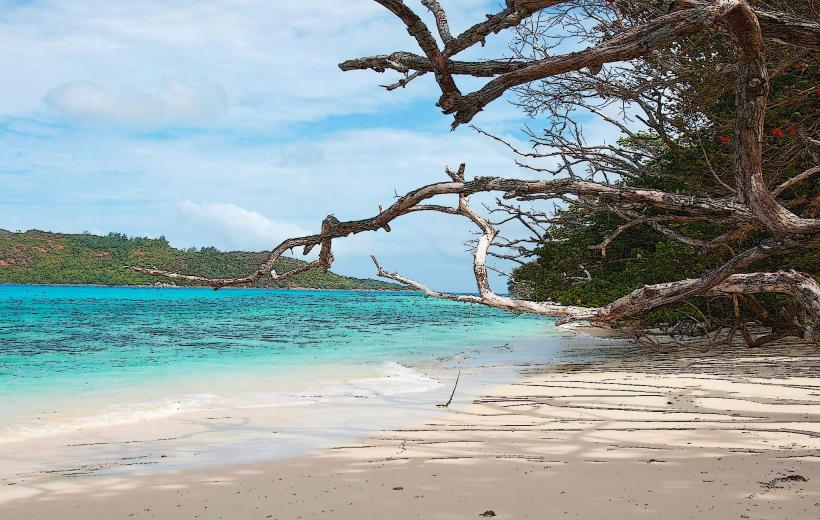
Baie Laraie: The main arrival point on the east coast, known for its shallow turquoise waters and a large population of wild giant tortoises.
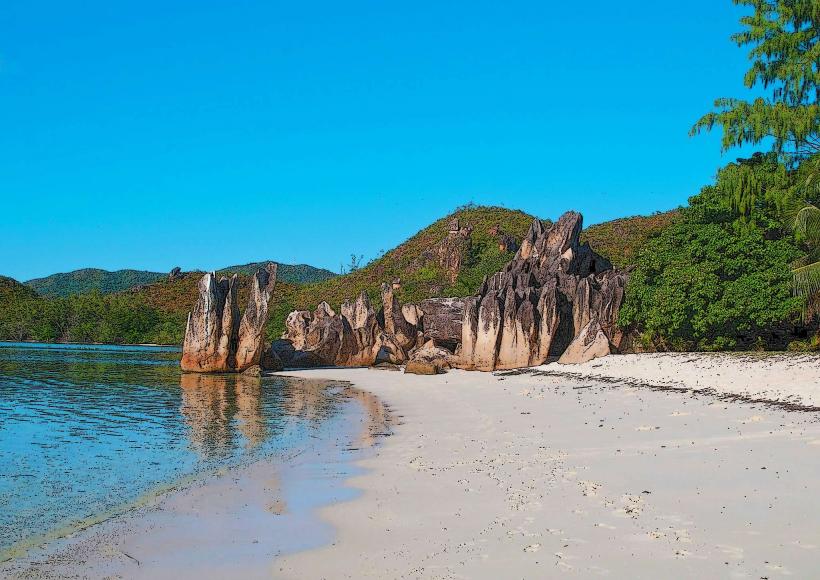
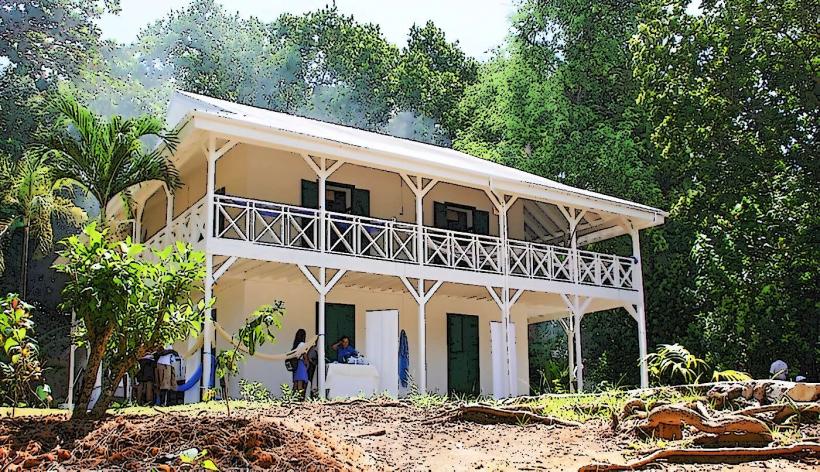
Anse St. José: A beach on the southern coast where the historic Doctor’s House is located.
Mangrove Swamp: A vast intertidal area in the center of the island, traversed by a raised wooden boardwalk.
Top Landmarks & Attractions
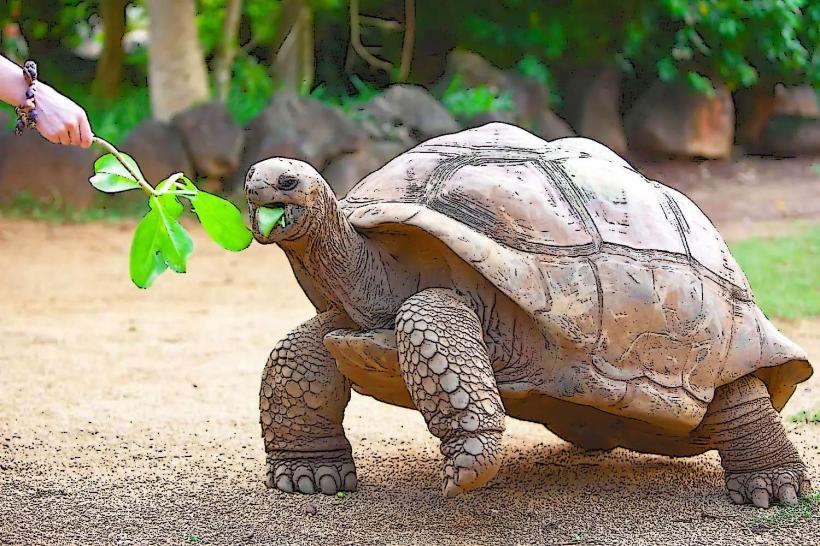
Aldabra Giant Tortoises: Over 300 tortoises roam freely. It is one of the few places outside the Aldabra Atoll where they live and breed in the wild.
The Doctor’s House: A well-preserved colonial villa that housed the colony's physician in the 1870s; it now serves as a small museum and visitor center.
Mangrove Boardwalk: A 1.5 km trail through thick mangrove forests (featuring seven different species), providing sightings of rare birds and giant land crabs.
Coco de Mer Palms: One of only two islands (along with Praslin) where the Coco de Mer grows naturally in the wild.
Transportation & Access
Sea: Accessible only by boat. Most visitors arrive via "taxi-boat" or organized day trips from Anse Volbert or Baie Sainte Anne on Praslin (15–20 minute transit).
On-Island: Entirely pedestrian. Movement is limited to marked trails and the boardwalk.
Safety & Health
Sun Protection: The island has limited shade on the trails; high-factor sunscreen and hats are essential.
Mosquitoes: The mangrove areas have high concentrations of mosquitoes and sandflies; repellent is mandatory.
Water: There are no shops on the island. Visitors must carry their own water and food, although many tours provide a BBQ lunch.
Digital & Financial Infrastructure
4G signal from Praslin is generally available on the southern and eastern shores but drops off in the island's interior. There are no ATMs or credit card facilities on the island. The mandatory Landing Fee (approx. SCR 300 / $23.00) is usually paid online in advance or included in tour prices.
Ecology & Biodiversity
Marine Life: The surrounding waters are a no-take zone, making it a premier spot for snorkeling, particularly at nearby St. Pierre Islet.
Avifauna: Habitat for the Seychelles Black Parrot and various seabirds.
Green Sea Turtles: The beaches are significant nesting sites between October and February.
Local Cost Index
1 National Park Entry Fee: ~SCR 300 ($23.00)
1 Day Trip from Praslin (incl. lunch): ~SCR 1,200 – 1,800 ($90 – $135)
Facts & Legends
A verified historical fact is that in 1771, sailors set fire to the island's dense vegetation to make it easier to harvest the Coco de Mer nuts; evidence of the scorched earth contributed to the island's persistent red hue. Local legend claims the ghosts of the leper colony still watch over the Doctor's House, though rangers attribute any strange sounds to the heavy movement of the giant tortoises through the undergrowth.