Information
City: DobrichCountry: Bulgaria
Continent: Europe
Dobrich, Bulgaria, Europe
Dobrich functions as the primary administrative and economic pivot of Southern Dobrudzha in northeastern Bulgaria. Situated 30 km inland from the Black Sea coast, it serves as a specialized node for large-scale grain production, agro-industrial logistics, and ethnographic preservation. It is defined by its identity as the "Granary of Bulgaria," its significant role in the 1940 Treaty of Craiova (reannexation of the region), and its 2026 status as a testing ground for sustainable urban transport and smart-agriculture initiatives.
Historical Timeline
Classical Era: Originally the Roman settlement of Abrittum (distinct from the site near Razgrad), a trade and military outpost in Moesia Inferior.
16th Century: Refounded as Hacıoğlu Pazarcık by a Turkish merchant, becoming a major handicraft and market town under Ottoman rule.
1913–1940: Under Romanian administration (as Bazargic) following the Balkan Wars, leading to a distinct cross-border architectural influence.
1949–1990: Renamed Tolbukhin after the Soviet Marshal, transitioning into a high-output industrial-agricultural center.
2026 Context: The city is implementing the "Dobrich City Centre Masterplan," focusing on the revitalization of the central pedestrian zones and the modernization of the municipal bus fleet with zero-emission electric vehicles.
Demographics & Population
The urban population is approximately 79,100 (2026 estimate). The demographic profile is specialized toward agronomy, mechanical engineering, and food processing. Dobrich is characterized by a significant Turkish (8%) and Roma (3%) minority, contributing to the region's diverse folklore and traditional culinary techniques.
Urban Layout & Key Districts
Dobrich is characterized by wide, flat boulevards and one of the largest pedestrian zones in Bulgaria.
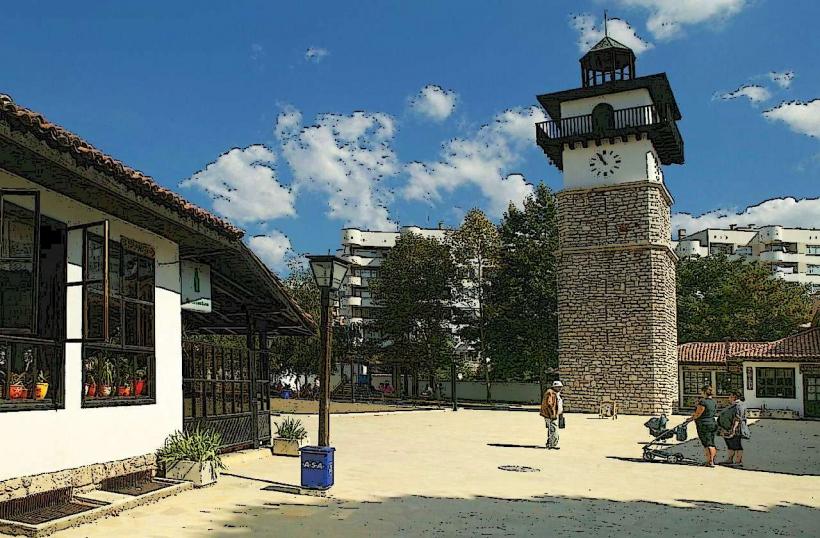
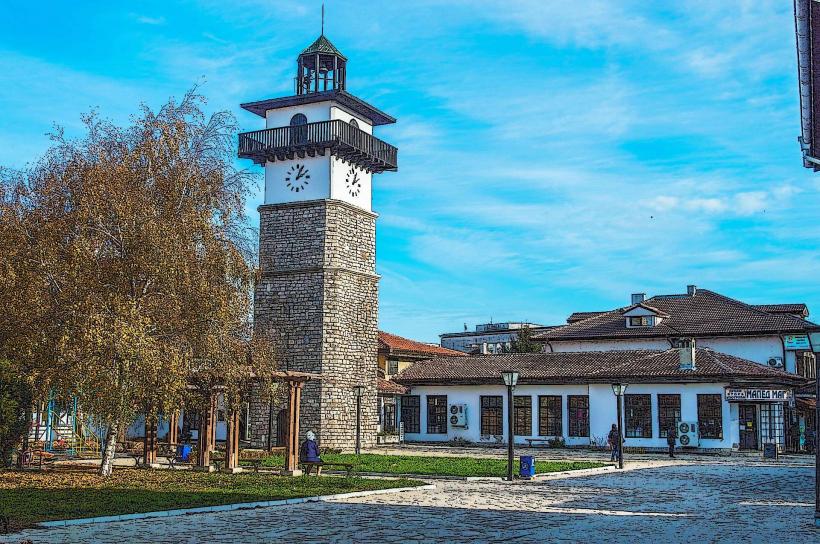
Old Dobrich (Stariya Dobrich): A specialized ethnographic complex in the city center where 19th-century crafts (weaving, coppersmithing, pottery) are practiced in original-style workshops.
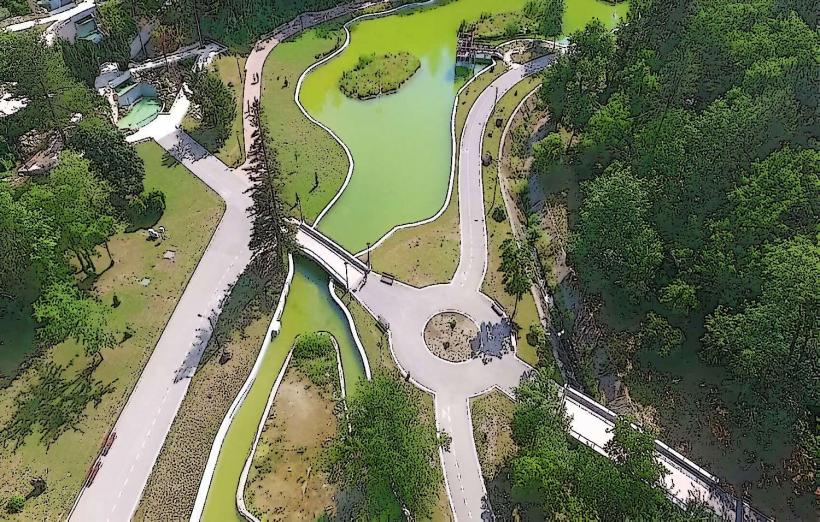
St. George City Park: A specialized 43-hectare green lung; it is one of the oldest parks in Bulgaria, featuring a botanical garden section and a children's recreational zone.
Dobrotitsa & Druzhba: Specialized residential districts characterized by socialist-era planning, now undergoing 2026 energy-efficiency renovations.
Central Pedestrian Zone (Bul. 25-ti Septemvri): A specialized social axis; in 2026, it is the focus of urban integration projects including rain gardens and optimized cycle paths.
Top City Landmarks
Old Dobrich Ethnographic Museum: A specialized open-air complex demonstrating the manufacturing processes of traditional Bulgarian trades.
Military Cemetery Museum: A specialized and unique site containing the remains of Bulgarian, Russian, Romanian, German, and Turkish soldiers from the 1916 Dobrudzha Campaign.
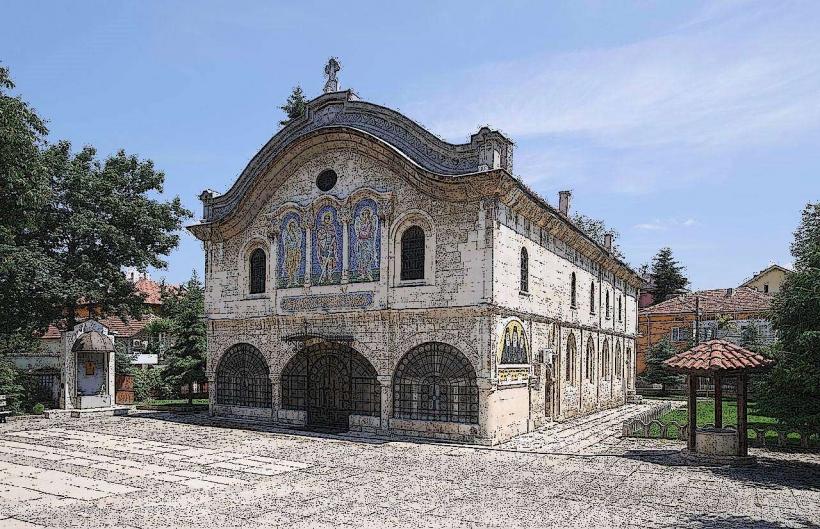
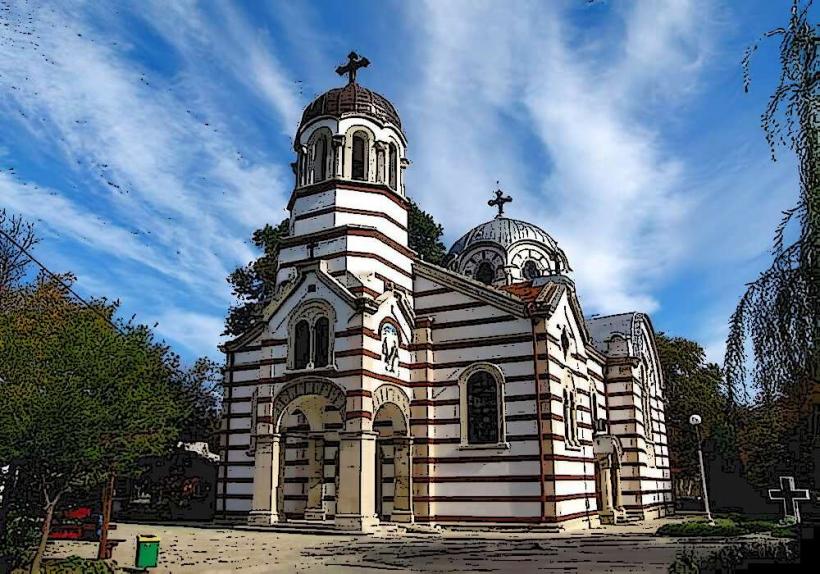
St. George's Church: A specialized 1843 structure featuring an exceptionally rich iconostasis and the city's primary spiritual center.
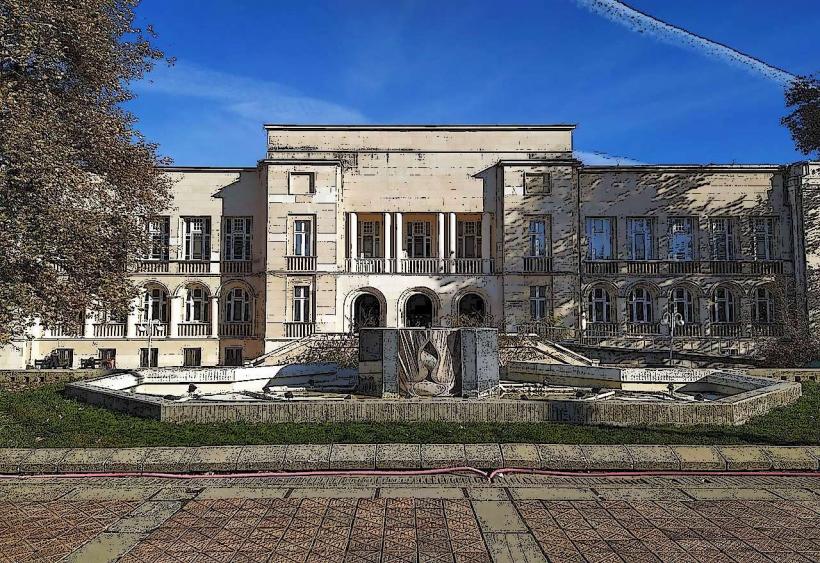
Dobrich Art Gallery: Housed in a specialized neoclassical building (the former Romanian courthouse), it features the "Icon Hall" with rare samples from the 18th and 19th centuries.
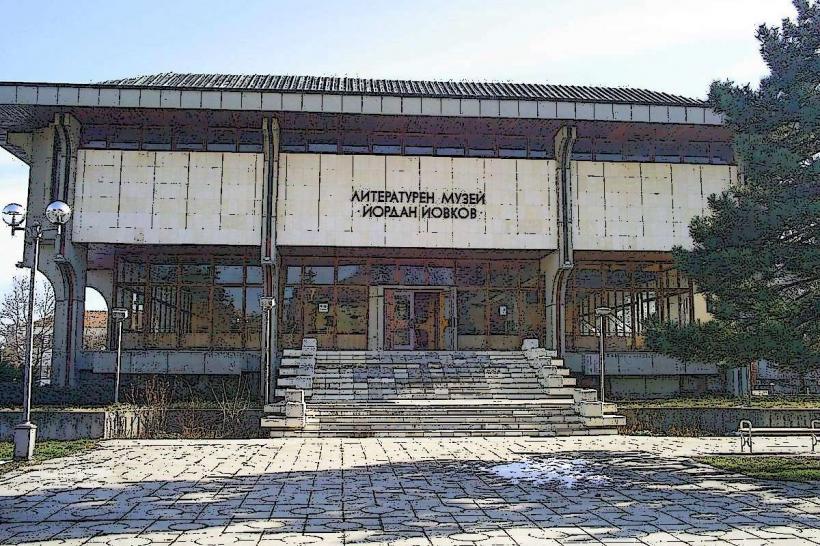
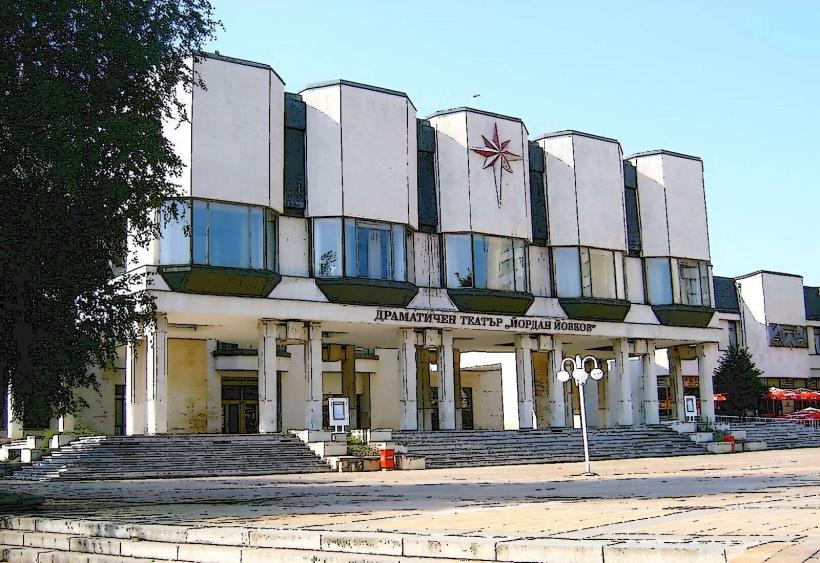
Yordan Yovkov Memorial House: A specialized museum dedicated to the "Writer of Dobrudzha," documenting the rural life and spirit of the region.
The Khan Tervel Monument: A specialized 20th-century sculpture commemorating the Bulgarian Khan who saved Europe from the Arab Siege of Constantinople in 717.
Transportation & 2026 Logistics
Regional Hub: Dobrich is the primary road and rail junction between Varna (50 km south) and the Romanian border at Silistra/Negru Vodă.
Public Transit (2026): By early 2026, the municipal fleet has transitioned to 48% sustainable vehicles, with mandatory electric or methane-powered buses on all central lines.
Port Access: Balchik (35 km) serves as the city's specialized maritime outlet for grain exports and yachting.
Safety & Environment
The general safety level is high. Dobrich is statistically one of the more stable regional centers in Bulgaria. Warning: The region is prone to high-velocity winds and extreme temperature variations; January temperatures can reach -20°C. In 2026, the "Dobrich Smart-Sense" system provides real-time alerts for agricultural dust levels and air quality on the city's periphery.
Local Cost Index (2026 Estimates)
1 Espresso: 2.50 – 4.00 BGN
1 Domestic Beer (0.5L): 3.50 – 5.00 BGN
1 Portion of Traditional Banitsa: 2.50 – 4.50 BGN
Monthly Rent (1-BR Center): 450 – 650 BGN
Specialized Cuisine & Agriculture
Dobrudzhanska Banitsa: A specialized local variant of the traditional pastry, often richer and using higher quantities of regional eggs and yogurt.
Grain Production: The region produces roughly 20% of Bulgaria's total wheat output; 2026 sees the expansion of precision-farming drones across the plains.
Dobrich Honey: Recognized as a specialized regional product due to the vast fields of sunflower and lavender surrounding the city.
Facts & Legends
Dobrich is the site where the first modern agricultural fair in Bulgaria was held. Legend states that the city's name comes from the 14th-century ruler Dobrotitsa, who was so successful in battle that the land itself became "good" (dobra). A verified fact is that the city is located on a massive underground aquifer, providing it with high-quality mineral water directly through the municipal grid. Historically, it was the administrative capital of the short-lived autonomous region of Southern Dobrudzha during the mid-20th century.