Information
City: HyderabadCountry: India
Continent: Asia
Hyderabad, India, Asia
Hyderabad is the capital of Telangana and a primary global hub for Information Technology and Pharmaceuticals. Known as the "City of Pearls," it is defined by a 400-year-old Islamic heritage, its history as the seat of the wealthy Nizams, and its modern transition into "Cyberabad."
Historical Timeline
Founded in 1591 by Muhammad Quli Qutb Shah of the Qutb Shahi dynasty, who shifted the capital from the arid Golconda Fort to the banks of the Musi River. A critical historical event occurred in 1724 when Asaf Jah I declared independence from the Mughal Empire, establishing the Asaf Jahi dynasty (the Nizams). In 1948, following Indian independence, the state was annexed through Operation Polo, a military action. In 2014, it became the capital of the newly formed state of Telangana. In 2026, Hyderabad has solidified its position as a global biotech center, housing the "Genome Valley" cluster.
Demographics & Population
The 2026 metro area population is approximately 11,600,000. The demographics are a unique blend of Telugu-speaking Hindus and a large Urdu-speaking Muslim population. The economy is driven by IT Services (Google, Microsoft, Amazon headquarters), Pharmaceuticals (producing 1/3 of global vaccines), and Precision Engineering.
Urban Layout & Key Districts
Hyderabad is bifurcated by the Musi River and its artificial lakes.
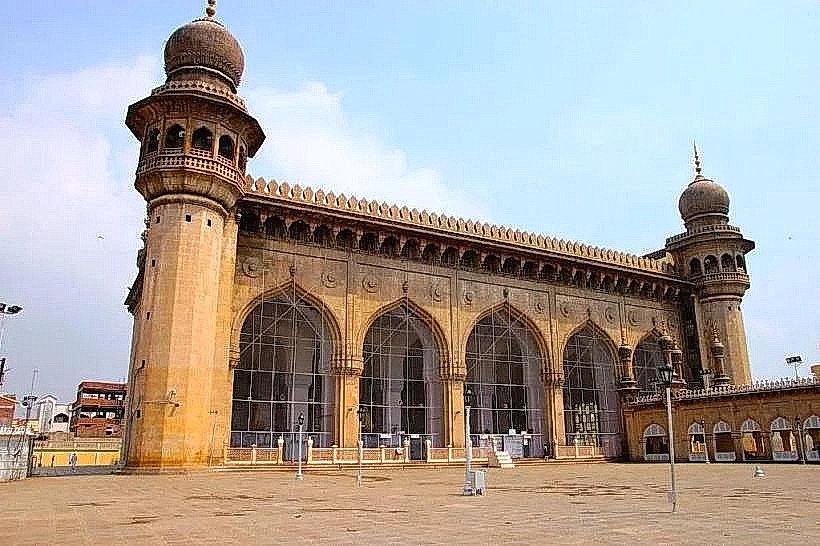
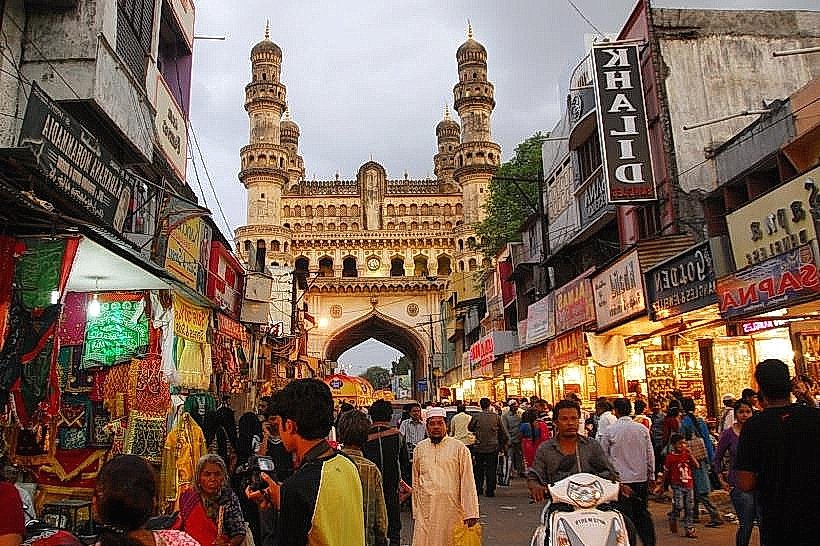
The Old City (South): Home to historic monuments, narrow bazaars, and traditional Hyderabadi culture.
HITEC City & Gachibowli (West): The high-tech corridor ("Cyberabad"); characterized by glass skyscrapers, luxury apartments, and IT parks.
Banjara Hills & Jubilee Hills: Affluent residential areas featuring high-end retail, fine dining, and the residences of the Telugu film industry (Tollywood) elite.
Secunderabad: The twin city to the north; developed as a British cantonment, it retains a distinct colonial-military atmosphere.
Top City Landmarks
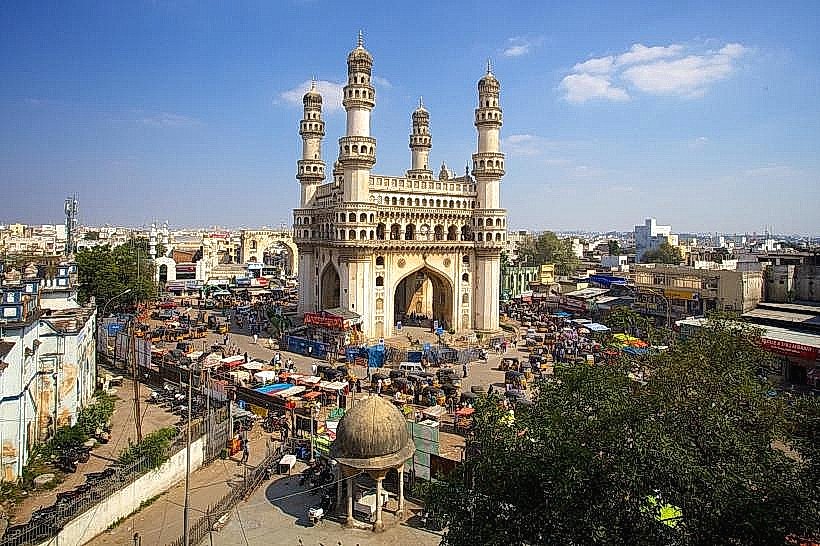
Charminar: The city's 1591 centerpiece; a massive four-arched mosque built to commemorate the end of a plague.
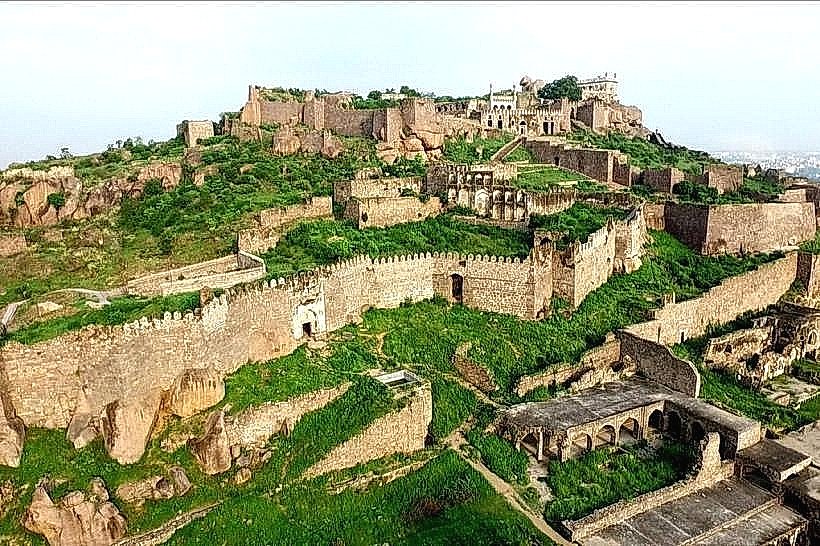
Golconda Fort: A medieval citadel famous for its acoustic signaling system and as the source of the Kohinoor diamond.
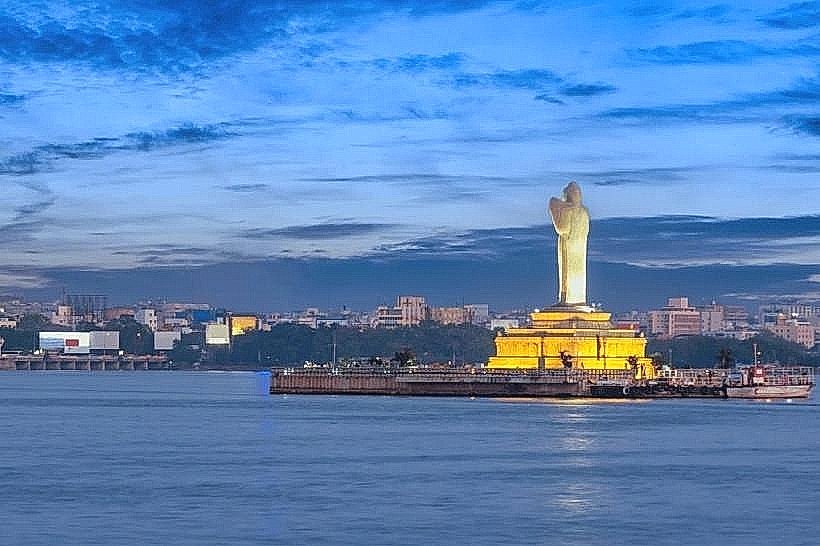
Hussain Sagar Lake: A heart-shaped man-made lake featuring an 18-meter monolithic Buddha statue in the center.
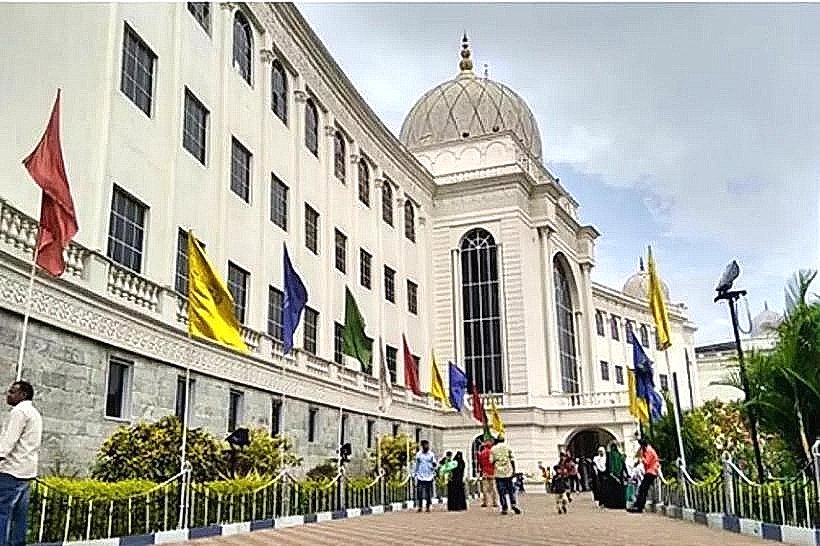
Salar Jung Museum: One of the three National Museums of India, housing the world's largest one-man collection of artifacts.
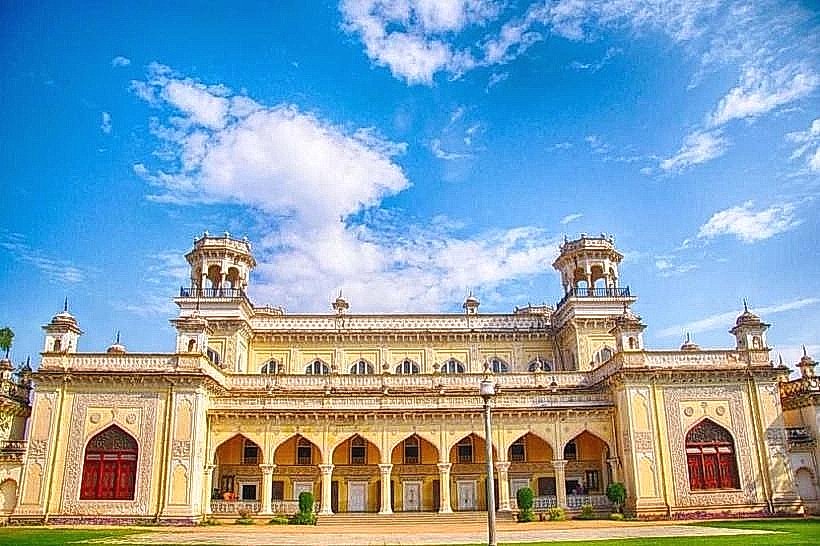
Chowmahalla Palace: The seat of the Asaf Jahi dynasty; a UNESCO-awarded complex reflecting Persian and Indo-Saracenic styles.
Ramoji Film City: The world's largest integrated film studio complex, located on the city outskirts.
Transportation Network
Movement is facilitated by the Hyderabad Metro Rail, currently one of the most successful PPP (Public-Private Partnership) projects in India. In 2026, work is progressing on the Phase 2 Expansion, aimed at connecting the main city directly to the airport. Rajiv Gandhi International Airport (HYD) is consistently ranked as one of the best in Asia. Local transport relies on auto-rickshaws, TSRTC buses, and app-based ride-hailing services.
Safety & "Red Zones"
General safety is high; the city is technologically monitored by a vast CCTV network centered at the Command and Control Centre. Traffic congestion in the Old City and Madhapur during peak hours is a significant urban hazard. Environmental "Red Zones" include the Musi River banks due to heavy industrial pollution and specific industrial zones in Pashamylaram.
Digital & Financial Infrastructure
5G coverage is ubiquitous. UPI payments are universal, even in the traditional Laad Bazaar. The city is a major fintech node. Telangana state taxes apply to high-end dining and luxury goods.
Climate & Air Quality
Temperatures range from 15°C to 30°C in winter and can peak at 45°C in summer. The climate is tropical wet and dry. In early 2026, the city is experiencing a "Clear Sky" winter, though summer 2026 is forecasted to bring severe heatwaves. Air quality is generally "Moderate," significantly better than Delhi, but affected by seasonal dust.
Culture & Social Norms
The standard tipping percentage is 10%. A "Ganga-Jamuni Tehzeeb" (syncretic culture) greeting is standard. Dress codes range from traditional Sherwanis and Saris to global tech-casual. The city is culturally defined by Biryani, Irani Chai, and a relaxed pace of life often called "Fursat."
Local Cost Index
1 Espresso: ₹180 ($2.15 USD)
1 Standard Lunch (Biryani): ₹350 ($4.20 USD)
1 Entry to Golconda Fort: ₹25 (Indians) / ₹300 (Foreigners).
Nearby Day Trips
Warangal: (150 km northeast; featuring the 12th-century Thousand Pillar Temple).
Nagarjuna Sagar Dam: (150 km southeast; one of the world's largest masonry dams).
Ananthagiri Hills: (80 km west; a popular trekking and forest getaway).
Facts & Legends
Hyderabad is often called the "Biryani Capital of the World," with hundreds of variations of the dish. Historically, the Nizam of Hyderabad was once considered the richest man in the world. A local legend involves the "Diamond Mines of Golconda," where spirits are said to guard the deep shafts from which the Hope Diamond emerged. Another legend tells of the "Lady in the White Sari" at the Banjara Hills "Road No. 12," a common urban myth among local night-time commuters.