Information
City: KaunasCountry: Lithuania
Continent: Europe
Kaunas, Lithuania, Europe
Kaunas serves as the second-largest city in Lithuania and the administrative center of Kaunas County. It functions as the nation's primary industrial, logistical, and academic hub, characterized by its UNESCO-listed Interwar Modernist architecture and its status as the "most Lithuanian" major city.
Historical Timeline
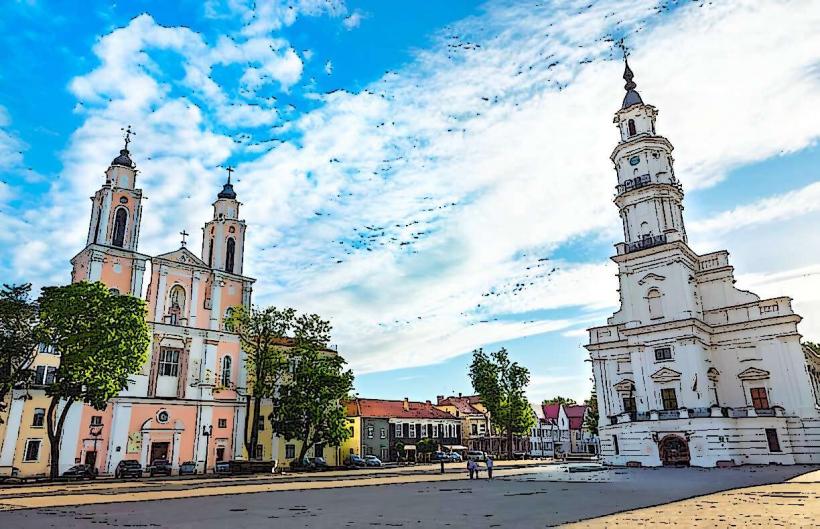
Founded in the 10th century at the confluence of the Nemunas and Neris rivers. The primary event shaping its modern identity was its role as the Temporary Capital of Lithuania (1919–1940) while Vilnius was under Polish control. This period sparked an architectural and cultural "Golden Age," turning Kaunas into a modern European center. In 2022, it served as the European Capital of Culture.
Demographics & Population
The population is approximately 300,000 (2026 estimate). The demographic is over 90% ethnic Lithuanian. The city has a high student-to-resident ratio due to the presence of Kaunas University of Technology (KTU) and the Lithuanian University of Health Sciences.
Urban Layout & Key Districts
The city is divided by its two major rivers.
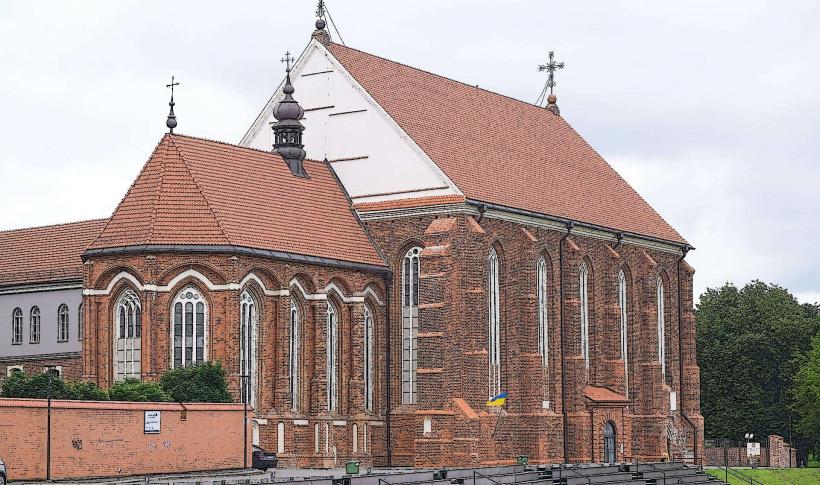
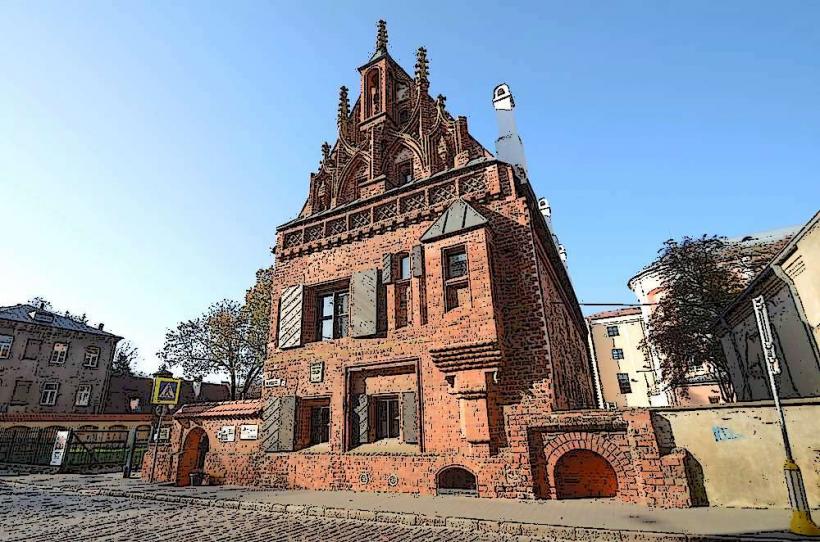
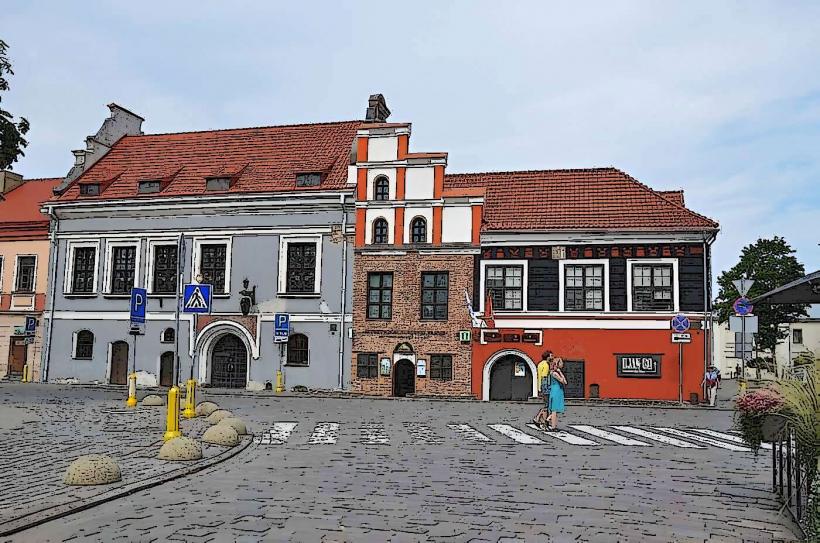
Senamiestis (Old Town): Located at the river confluence, featuring medieval Gothic and Renaissance buildings.
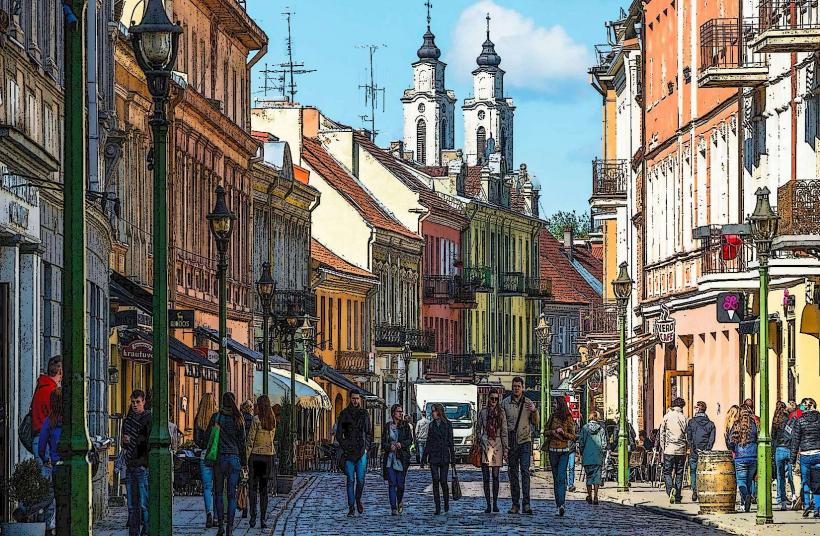
Naujamiestis (New Town): The 19th and 20th-century center, dominated by the Laisvės Alėja (Liberty Avenue) pedestrian boulevard.
Žaliakalnis: A prestigious residential district on a hill, known for its Interwar villas and the 1930s funicular.
Aleksotas: Located on the left bank of the Nemunas, home to the historic S. Darius and S. Girėnas airfield.
Vilijampolė: A historic district on the right bank of the Neris, formerly the site of the Jewish ghetto during WWII.
Top City Landmarks
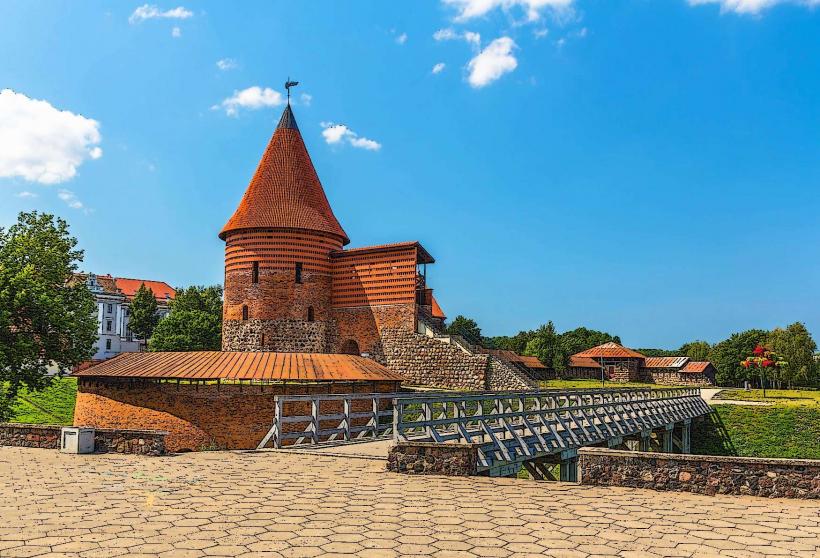
Kaunas Castle: A 14th-century brick fortress located at the river confluence.
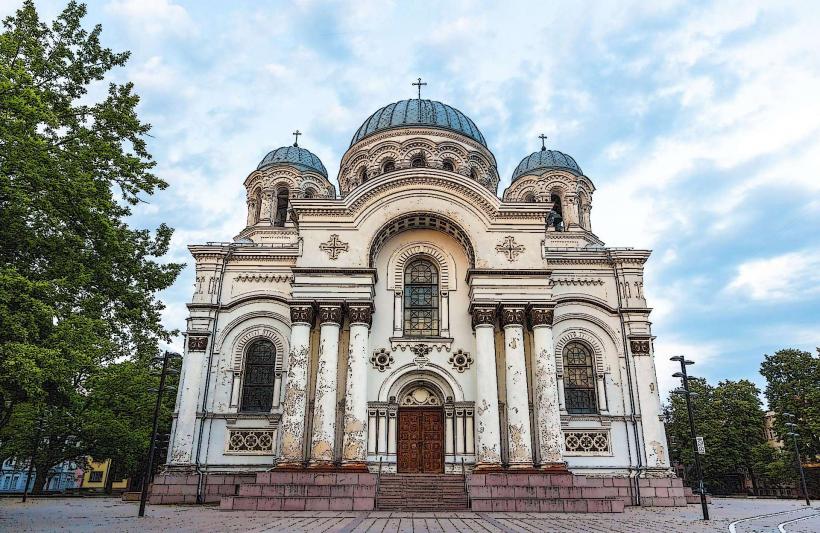
Christ’s Resurrection Basilica: A monumental white Art Deco church on Žaliakalnis hill, symbolizing Lithuanian independence.
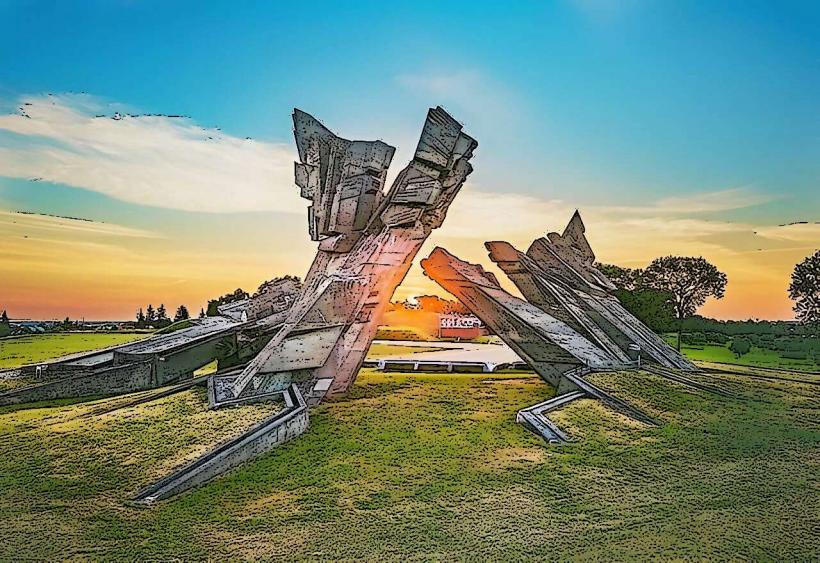
Ninth Fort: A massive memorial and museum complex at the site of a former Tsarist fortress and WWII execution site.
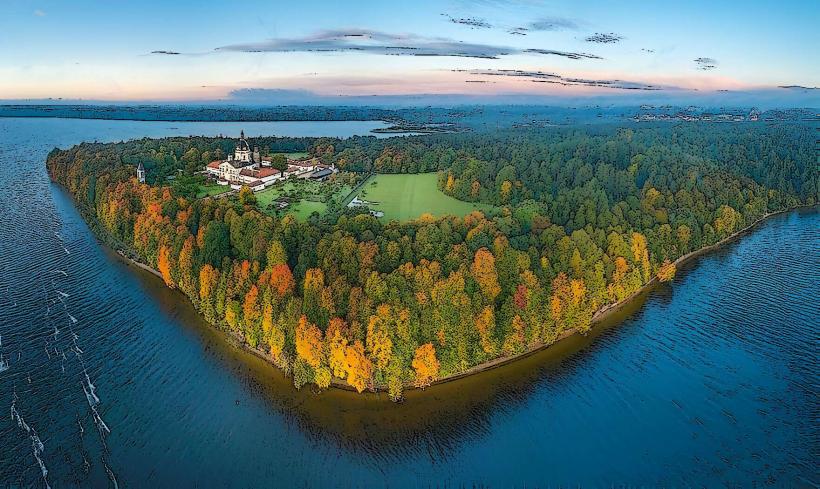
Pazaislis Monastery: One of the finest examples of late Baroque architecture in North-Eastern Europe.
Laisvės alėja: A 1.6 km long pedestrian street, one of the longest in Europe, lined with lime trees and cafes.
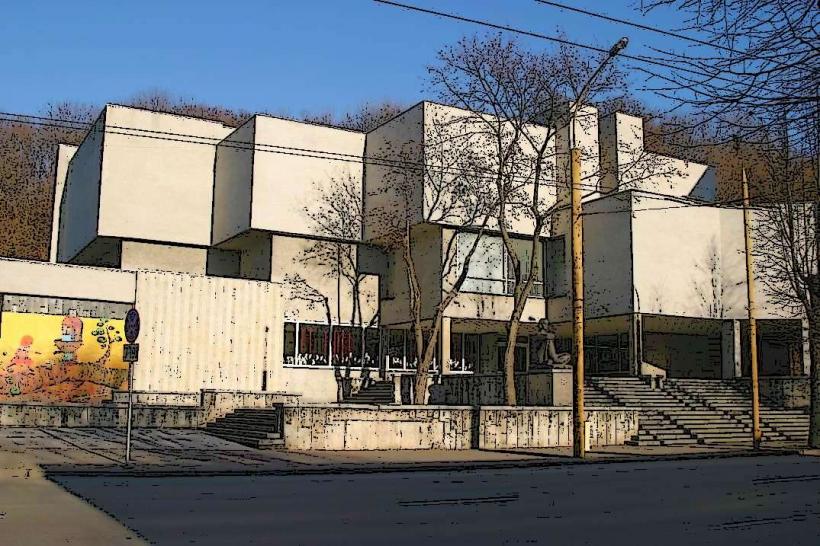
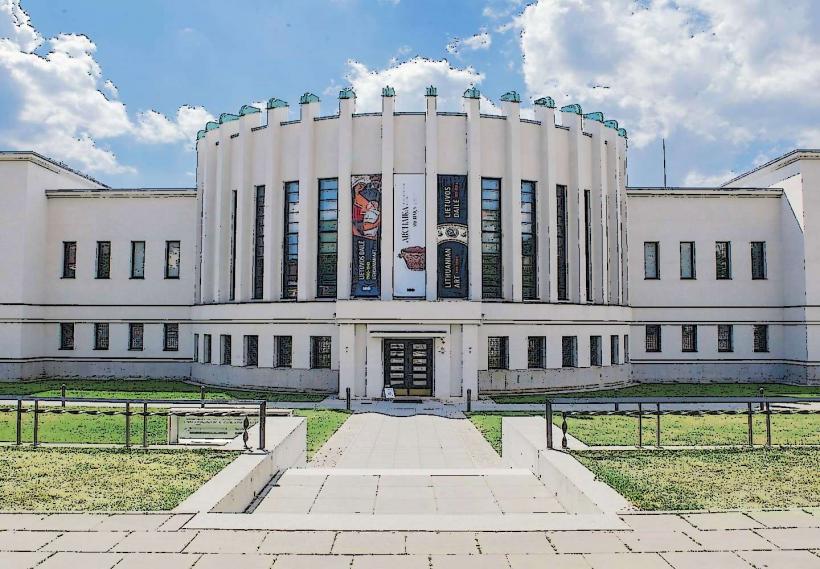
M. K. Čiurlionis National Museum of Art: Dedicated to Lithuania's most famous painter and composer.
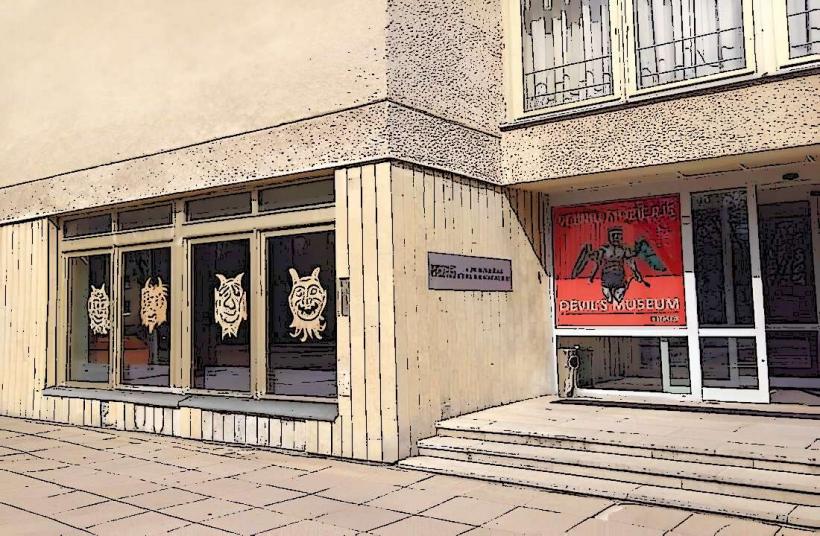
The Devils' Museum (Žmuidzinavičius Museum): A unique collection of over 3,000 devil sculptures from around the world.
Transportation Network
Movement is managed by Kauno autobusai, featuring a dense network of buses and trolleybuses accessible via the Žiogas or Trafi apps. Kaunas is the nation's primary rail and road hub, located at the junction of the A1 and A6 highways. High-speed rail connects to Vilnius (1 hour). Kaunas Airport (KUN) is a major hub for low-cost carriers (Ryanair) and is located 15 km northeast.
Safety & "Red Zones"
The safety level is high. There are no "no-go zones." Standard urban awareness is sufficient. The city is highly navigable and generally safer than most European cities of comparable size.
Digital & Financial Infrastructure
Average internet speed is 500–1000 Mbps. Kaunas is a major center for electronics and software engineering. The city is virtually cashless. Cards and mobile payments are universal. Public parking is managed via the m.Parking app.
Climate & Air Quality
Temperatures range from -5°C in winter to 23°C in summer. Its inland location results in slightly warmer summers than the coast. Air quality is good, supported by the large Ąžuolynas (Oak Grove) park, the largest urban oak forest in Europe.
Culture & Social Norms
Tipping of 10% is standard. The culture is defined by strong national identity and a passion for Basketball (Žalgiris Kaunas), which is considered a "second religion." Social life revolves around the Laisvės alėja and the revitalized Old Town.
Accommodation Zones
Stay in Naujamiestis for central access to shopping, dining, and transit.
Stay in Senamiestis for historic atmosphere and proximity to the rivers.
Stay in Žaliakalnis for quiet, green surroundings and Interwar architecture.
Local Cost Index
1 Espresso: 2.50 – 3.50 €
1 Standard Lunch: 7.00 – 11.00 €
1 Pint of Local Beer: 4.50 – 7.00 €
1 Single Transit Ticket: 0.70 – 1.00 €
Nearby Day Trips
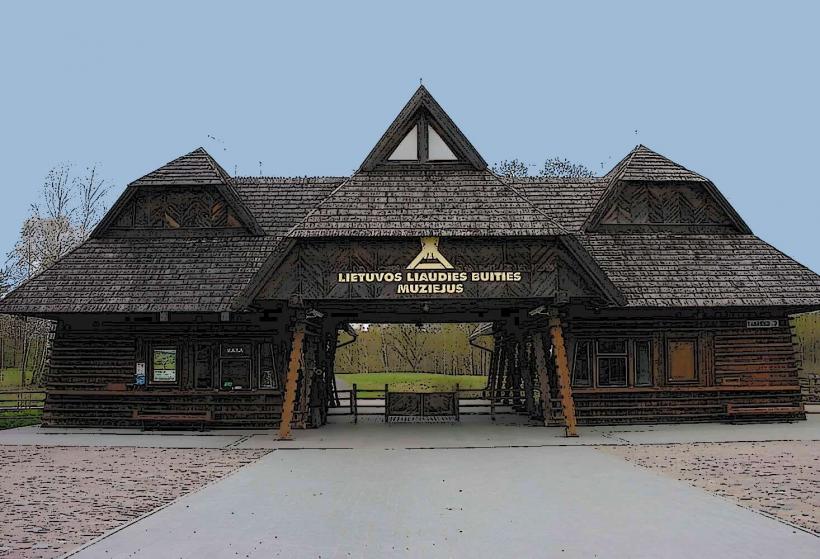
Rumšiškės: 20 km east; one of the largest open-air ethnographic museums in Europe.
Birštonas: 40 km south; a premier spa and mineral water resort town in the loops of the Nemunas.
Raudondvaris: 10 km west; a Renaissance manor complex and cultural center.
Facts & Legends
Local legend says that a sleeping army of knights resides in the hills under Kaunas Castle, waiting for a time of great need. A verified historical fact is that Kaunas is the only city in the world where the 1930s "International Style" of architecture was used to build an entire capital city from scratch in under 20 years.