Information
City: KyustendilCountry: Bulgaria
Continent: Europe
Kyustendil, Bulgaria, Europe
Kyustendil is a major center for balneotherapy and agriculture, serving as the administrative seat of the Kyustendil Province in southwestern Bulgaria. It is located in the fertile Kyustendil Valley at the northern foot of the Osogovo Mountains, approximately 90 km southwest of Sofia and 25 km from the borders of both North Macedonia and Serbia.
Historical Timeline
The city was established as the Thracian settlement Pautalia in the 5th century BC, later becoming a significant Roman city in 106 AD due to its thermal springs. Governance eras include Roman, Byzantine, the Second Bulgarian Empire, and Ottoman rule (1372–1878), during which it was known as Köstendil. The most significant architectural reconstruction occurred during the Bulgarian National Revival (19th century) and the post-1878 period, which established the city's role as a regional administrative center. The 1909 urban plan significantly shaped the modern street layout and the preservation of historical bath complexes.
Demographics & Population
As of 2026, the population within city limits is approximately 38,500, with the wider municipality hosting around 53,000 residents. The primary ethnic demographics are Bulgarians (88%), with a significant Romani minority (10%) and small groups of Turks. The median age is 46.2 years.
Urban Layout & Key Districts
The city is organized around a central pedestrian core, extending toward the Osogovo mountain slopes to the south and the railway station to the north.
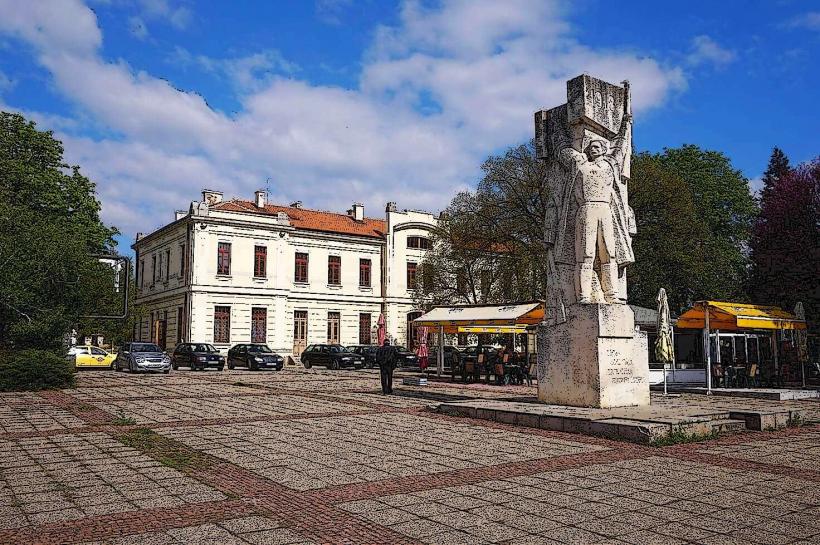
City Center: The administrative and commercial hub, featuring the central "Velbuzhd" Square and major archaeological sites.
Gimanziya District: A residential area surrounding the historic high schools, located east of the center.
Hisarlaka: A forested hill district to the south, containing the city's primary park and fortress ruins.
Iztok: A high-density residential district on the eastern periphery.
Top City Landmarks
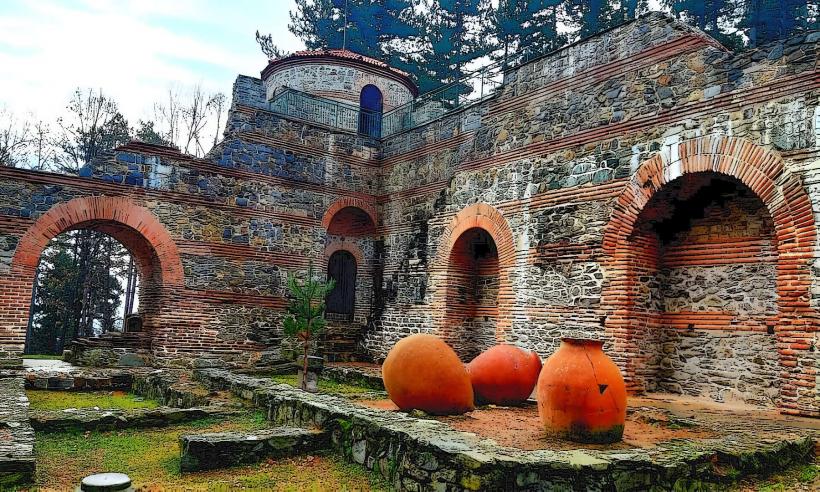
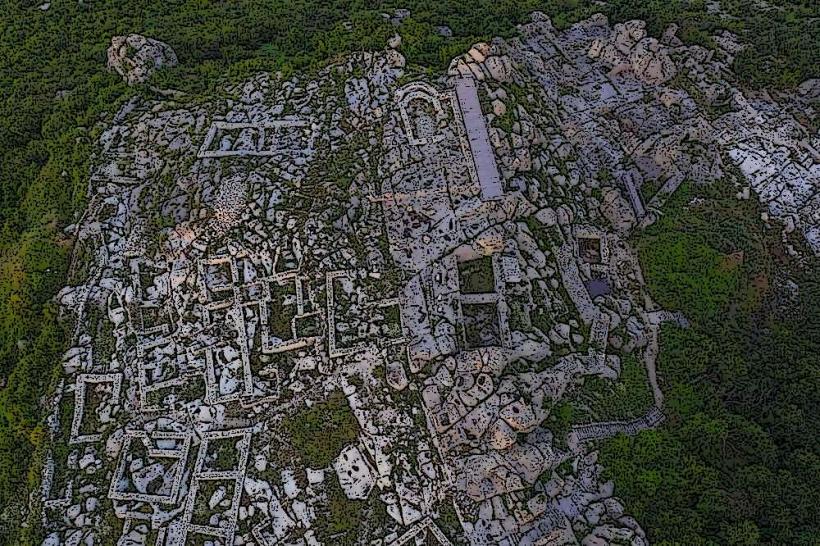
Hisarlaka Fortress: A late Roman and Byzantine stronghold overlooking the city, largely reconstructed for tourism.
Vladimir Dimitrov – The Master Art Gallery: One of Bulgaria's most significant galleries, housing the largest collection of works by the renowned painter.
Roman Thermae: Large 2nd-century archaeological remains of public baths, reflecting the city’s ancient status as a spa center.
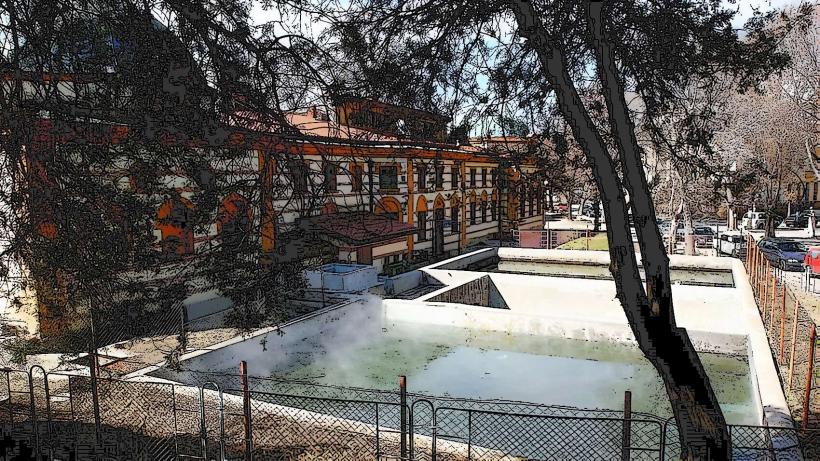
Chifte Banya: A functional 1913 bathhouse built over Ottoman foundations, utilizing the local mineral waters.
Pirgova Tower: A 14th-century medieval defense tower located in the city center.
Transportation Network
Internal movement is served by a limited municipal bus network. Most residents and visitors navigate the central areas on foot. Ride-sharing apps are not operational; services are provided by local taxi companies. Official taxis are yellow and operate on regulated meters; Elit and City Taxi are the primary providers. Traffic density is low, with minor congestion near the central market and "Tsar Osvoboditel" Boulevard during morning hours.
Safety & "Red Zones"
Kyustendil is generally very safe with low violent crime rates. The Iztok district, specifically the segregated Romani sections on the eastern edge, is often cited for higher rates of petty theft and should be avoided by solo visitors at night. Common scams are rare, though visitors should confirm taxi rates for trips to the nearby borders.
Digital & Financial Infrastructure
Average fixed broadband speed is 155 Mbps. Mobile carriers are A1, Vivacom, and Yettel, with 5G coverage in the city core. Following Bulgaria's 2026 adoption of the Euro, the official currency is the Euro (€). Card acceptance is high in supermarkets and hotels but low in the central market and smaller traditional taverns. ATMs are concentrated around "Velbuzhd" Square.
Climate & Air Quality
The climate is transitional continental with Mediterranean influences. Summer temperatures range from 16°C to 30°C. Winters are cold but often sunnier than the Sofia Valley, with temperatures between -4°C and 5°C. Air quality is generally high, though winter inversions can trap wood-burning smoke in the valley floor.
Culture & Social Norms
Tipping: 10% is standard in restaurants.
Greetings: A handshake is the standard greeting; professional titles are respected.
Dress Code: Casual; conservative attire is required in churches and the synagogue ruins.
Regulations: Smoking is prohibited indoors. Kyustendil is known as the "Orchard of Bulgaria"; picking fruit from private trees without permission is a significant social transgression.
Accommodation Zones
City Center: Recommended for logistical access to baths, museums, and dining.
Hisarlaka Foothills: Recommended for those seeking quiet environments and immediate access to hiking trails and the fortress.
Local Cost Index
1 Espresso: €1.40
1 Standard Lunch: €8.50
1 Bus Ticket: €0.75
Nearby Day Trips
Osogovo Mountain (20 km): Reachable for skiing in winter and hiking in summer (Osogovo Hut).
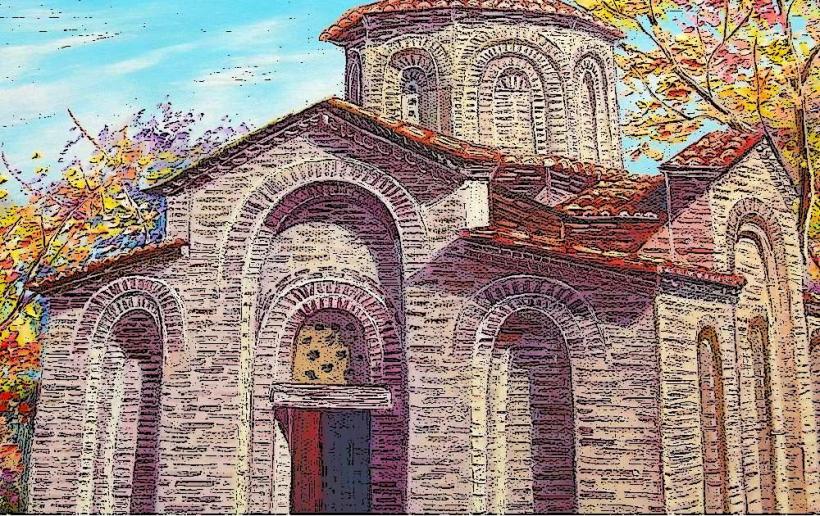
Zemen Monastery (40 km): A 11th-century monastery featuring unique medieval frescoes.
Stob Pyramids (65 km): Natural rock formations similar to the Melnik pyramids.
Pautalia Border Crossing (22 km): Access to North Macedonia.
Facts & Legends
Kyustendil is home to a unique local tradition called "Kyustendil Spring," celebrated on March 21st, where a "Maiden of Spring" is elected. A verified historical oddity is that the city was a major base of operations for the Internal Macedonian Revolutionary Organization (IMRO) in the early 20th century, with many secret meetings and arms smuggling routes passing through its thermal baths.
Would you like me to generate a logistical guide for another Bulgarian city or focus on specific transport routes to the borders?