Information
City: La DigueCountry: Seychelles
Continent: Africa
La Digue, Seychelles, Africa
La Digue is the third-most populated island in the Seychelles, located 6 km east of Praslin. With a population of approximately 3,500, it is celebrated for its slower pace of life, traditional architecture, and some of the most photographed beaches on Earth.
Historical Timeline
1742: Sighted by Lazare Picault, but not explored.
1768: Named after "La Digue," a ship in the fleet of French explorer Marc-Joseph Marion du Fresne.
1789: First permanent settlers arrived, primarily French colonists from Reunion and their enslaved laborers.
1800s–1900s: The island economy was built on vanilla and copra (coconut) production.
2021–2026: Implementation of the "Green Island" initiative, which aims to phase out internal combustion vehicles in favor of electric carts and bicycles.
Geography & Orientation
The island is small-approximately 5 km long and 3 km wide.
La Passe: The main village and sole harbor. This is the entry point for all visitors and the location of most shops, banks, and guesthouses.
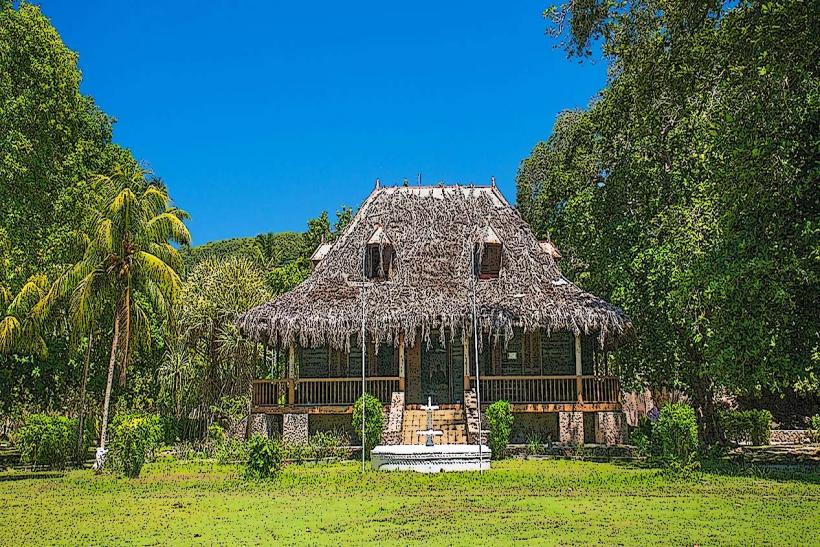
L'Union: A southern district containing the historic colonial estate and the entrance to the most famous beaches.
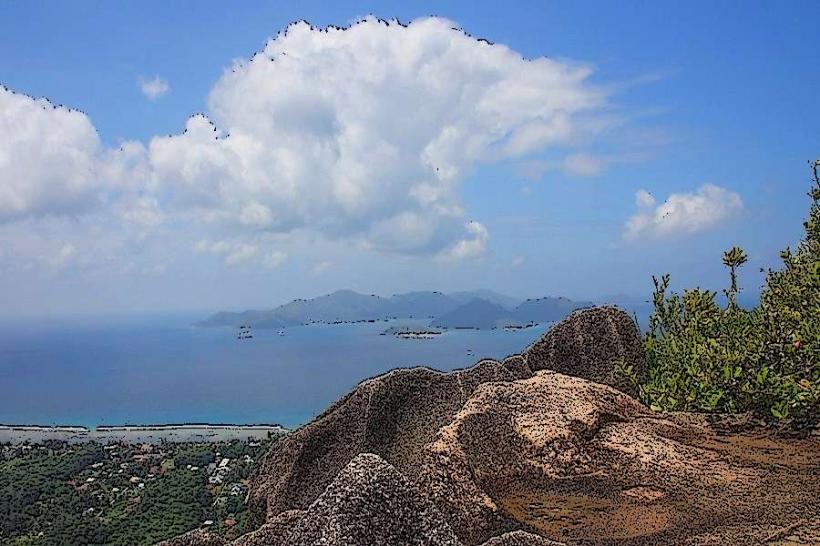
The Interior: Dominated by Belles Vue and Nid d'Aigle (Eagle's Nest), the island's highest point at 333m.
Top Landmarks
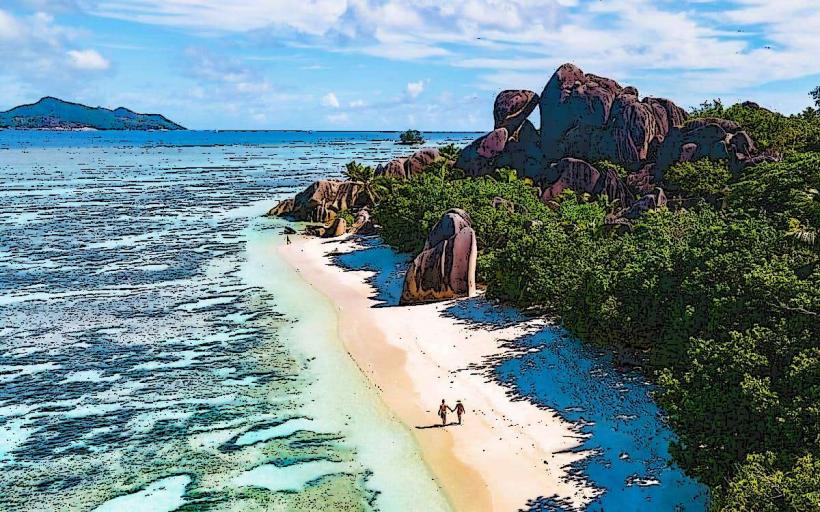
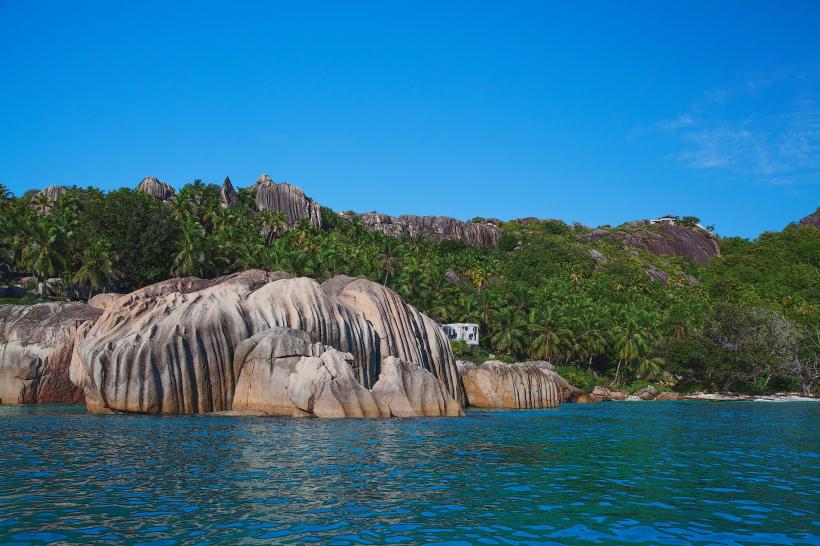
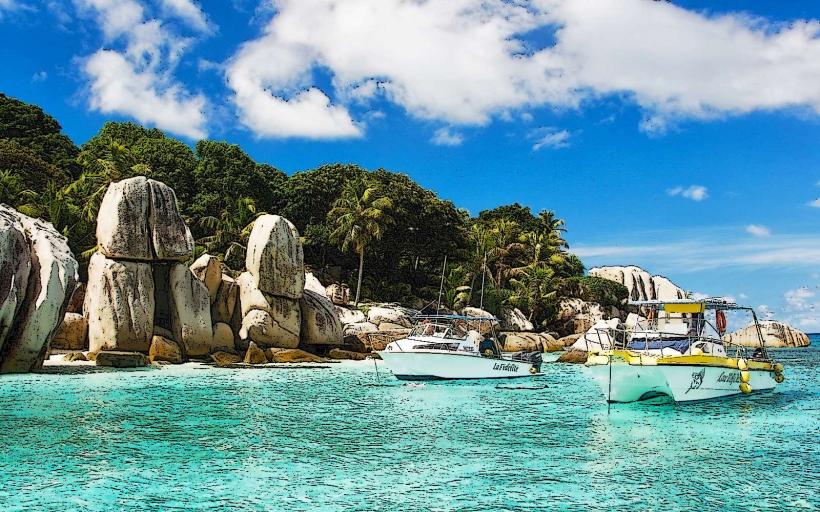
Anse Source d'Argent: Frequently cited as the most beautiful beach in the world. It is characterized by shallow turquoise water and massive, sculpted granite boulders. Access is through the L'Union Estate.
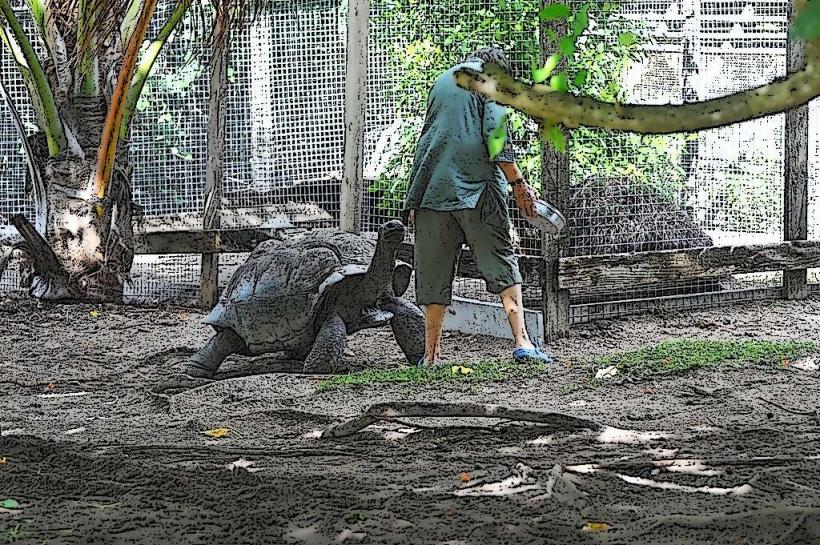
L'Union Estate: A national heritage site featuring a traditional copra mill (ox-powered), a colonial plantation house, a vanilla plantation, and a giant tortoise enclosure.
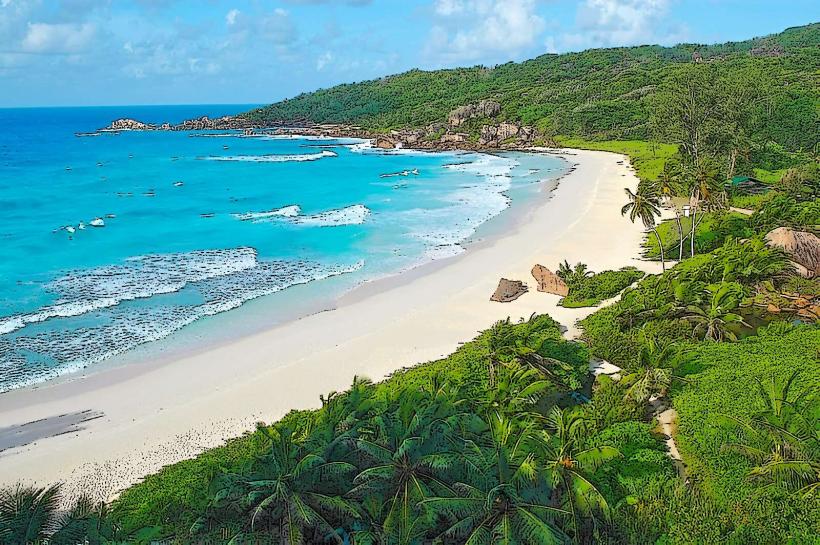
Grand Anse: A stunning, wild beach on the southeast coast. It is far larger than the western beaches but has high waves and dangerous undercurrents.
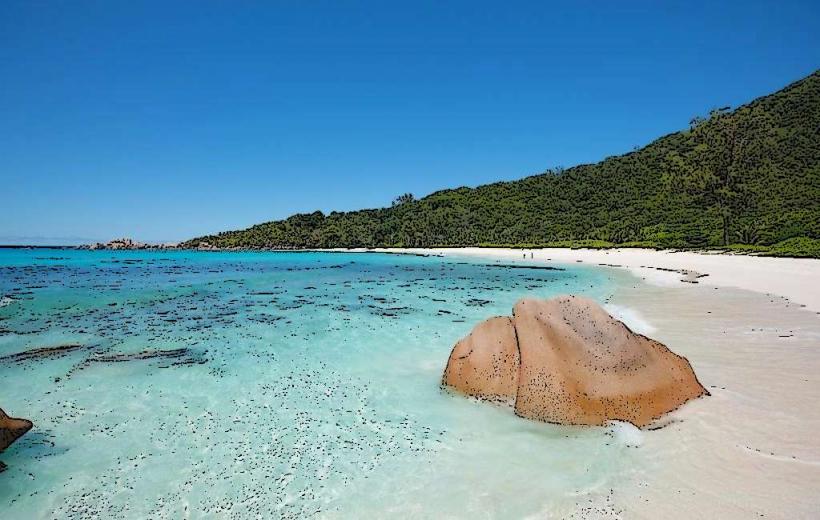
Anse Cocos: A secluded bay accessible only by a 30-minute hike from Grand Anse, featuring a natural "swimming pool" protected by boulders.
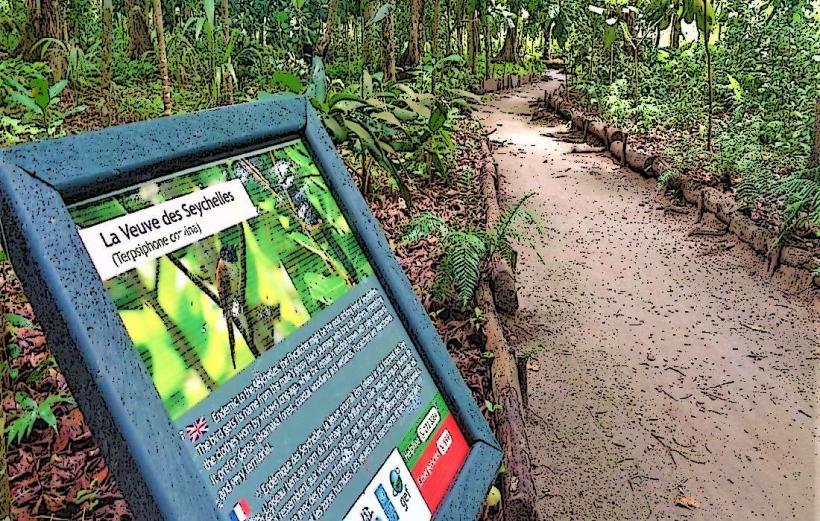
Veuve Nature Reserve: A protected woodland area serving as the primary breeding ground for the rare Seychelles Paradise Flycatcher (Veuve).
Transportation Network
Bicycles: The primary mode of transport. Almost all visitors and locals rent bicycles to navigate the island's paved and sandy paths.
Electric Carts: These have largely replaced the traditional ox-carts for luggage transfer and taxi services.
Sea: High-speed catamarans (Cat Cocos and Inter Island Ferry) provide multiple daily links to Praslin (15 mins) and Mahé (1.5 hours).
Air: There is no airport. Helicopter transfers are available via a helipad near L'Union.
Safety & Health
Sea Conditions: The eastern beaches (Grand Anse, Petite Anse, Anse Cocos) are extremely dangerous for swimming during the southeast trade winds (May–September) due to lethal rip currents.
Theft: While very safe, petty theft of belongings left on bicycle baskets or beaches is the most common crime reported.
Sun Exposure: Due to the white sand and reflection from granite boulders, UV intensity is extremely high.
Digital & Financial Infrastructure
4G/5G coverage is reliable across the western half of the island. There are a few ATMs and a bank branch located in La Passe. Most guesthouses and restaurants accept credit cards, but cash (SCR) is preferred for small purchases and bicycle rentals.
Climate & Ecology
Climate: Tropical marine. The island is slightly drier than Mahé due to its lower elevation, which intercepts fewer rain clouds.
Fauna: Aside from the Paradise Flycatcher, the island is home to a significant population of Aldabra giant tortoises, both in captivity at L'Union and wandering in some private gardens.
Local Cost Index
1 Espresso: ~SCR 65 ($4.80)
1 Bicycle Rental (per day): ~SCR 150 – 200 ($11 – $15)
1 Entry to L'Union Estate: ~SCR 150 ($11.00)
Facts & Legends
A verified cultural fact is that La Digue remains the center of traditional boat building in the Seychelles, though the craft is now fading. Local legend tells of the "Dauphin de La Digue," a ghost ship said to appear in the channel between Praslin and La Digue during stormy nights, believed to be an omen for local fishermen.