Information
City: Lido di VeneziaCountry: Italy
Continent: Europe
Lido di Venezia, Italy, Europe
Lido di Venezia is an 11-kilometer-long barrier island in the Venetian Lagoon. Defined by its Belle Époque architecture, its status as the host of the Venice International Film Festival, and its unique position as one of the few islands in the lagoon with motorized vehicle traffic, it serves as the primary residential and beach resort counterpart to the historic center of Venice.
Historical Timeline
Inhabited since the Roman era, it served primarily as a military defense and a monastic retreat. A critical historical event occurred in the late 19th and early 20th centuries when the island was transformed into one of Europe's most exclusive seaside resorts, attracting royalty and literary figures like Thomas Mann. During World War II, the island maintained relative stability compared to the mainland. In 1932, the Venice Film Festival was inaugurated at the Hotel Excelsior. In 2026, the Lido serves as a strategic model for high-end sustainable tourism and coastal protection against rising sea levels.
Demographics & Population
The 2026 population is approximately 16,500. The demographics are predominantly Italian, with a significant expatriate community of Northern Europeans. The economy is driven by Luxury Tourism, Real Estate, and Film/Cultural Industries.
Urban Layout & Key Districts
The island is narrow and linear, separating the Venetian Lagoon from the Adriatic Sea.
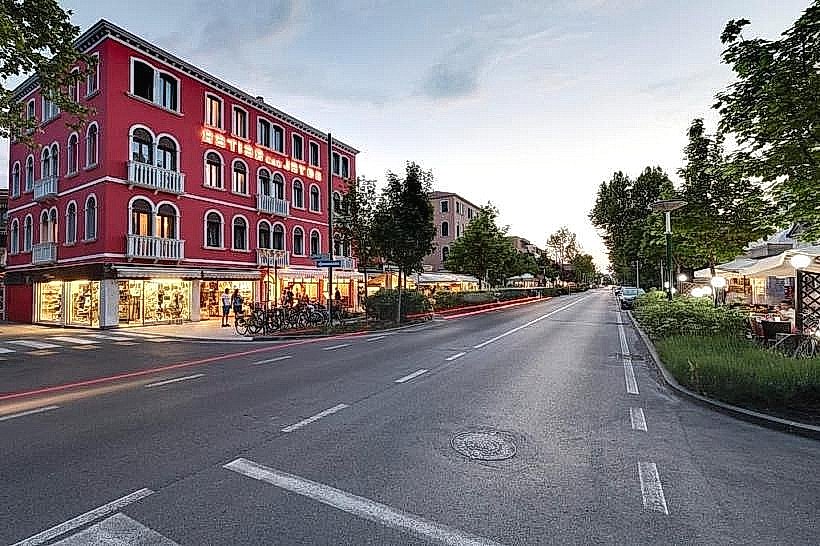
Gran Viale Santa Maria Elisabetta: The primary commercial artery connecting the lagoon side (vaporetto terminal) to the sea side (beaches).
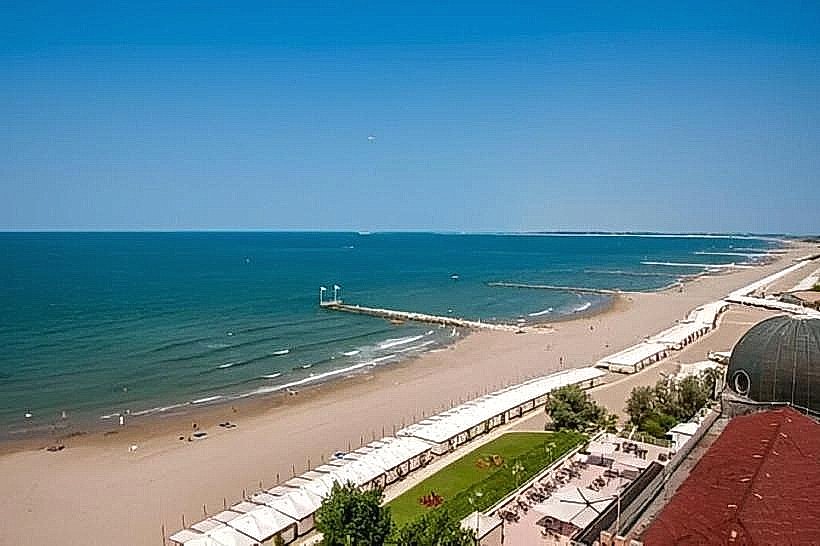
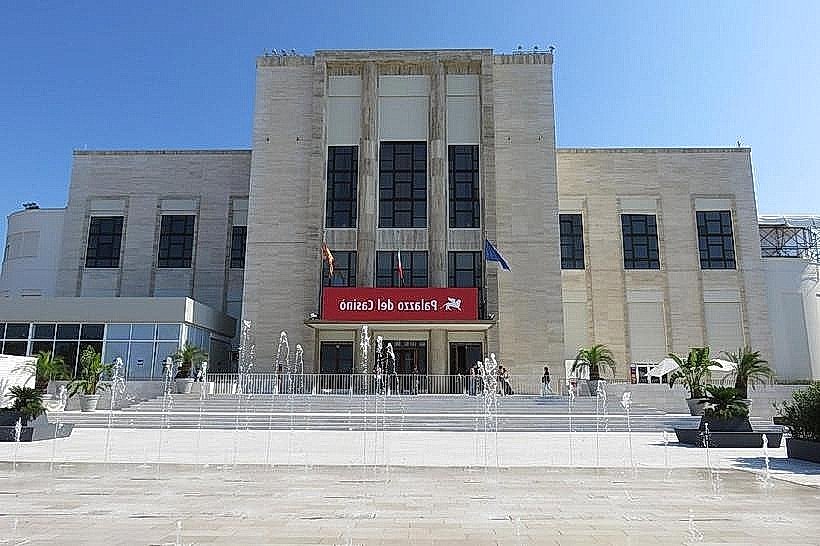
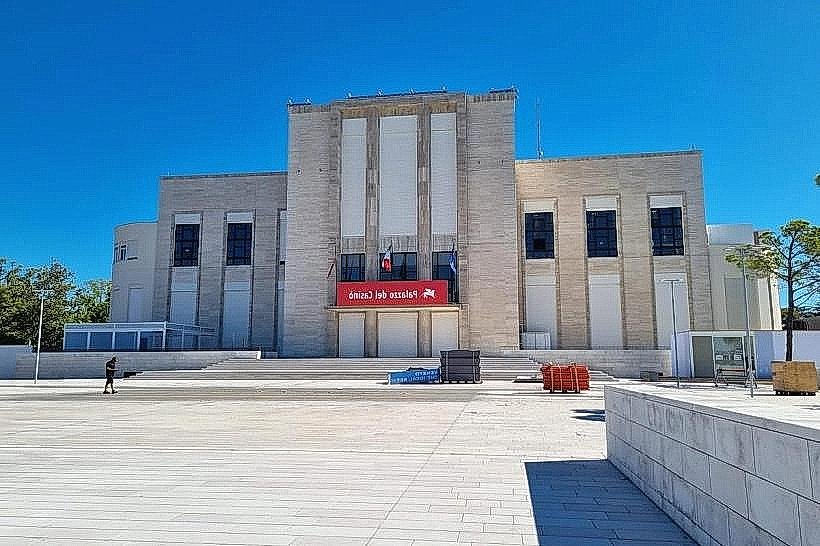
Lungomare Marconi: The coastal road along the Adriatic, home to the most prestigious hotels and the Palazzo del Cinema.
Malamocco: A historic, quiet village on the southern part of the island that predates the city of Venice.
Alberoni: The southern tip, characterized by a pine forest, a golf course, and protected sand dunes.
Top City Landmarks
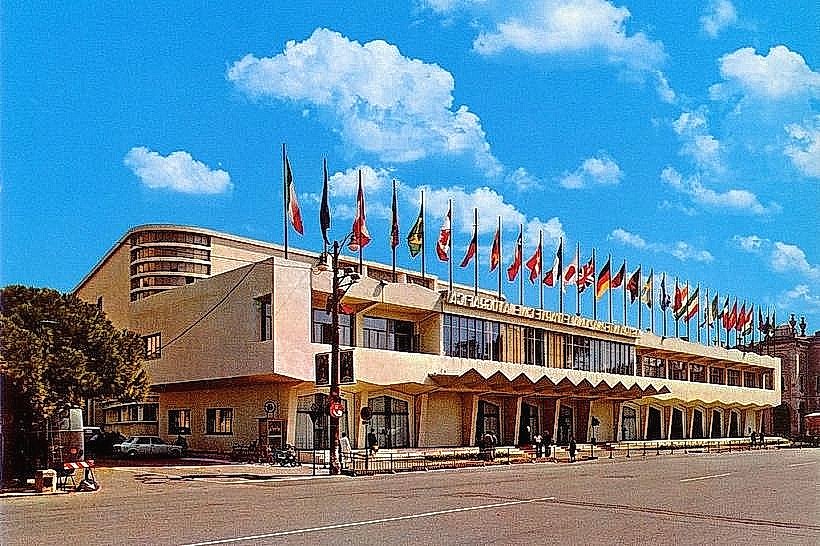
Palazzo del Cinema: The permanent venue for the Venice International Film Festival.
Grand Hotel des Bains: The setting for Thomas Mann's Death in Venice (currently under long-term redevelopment).
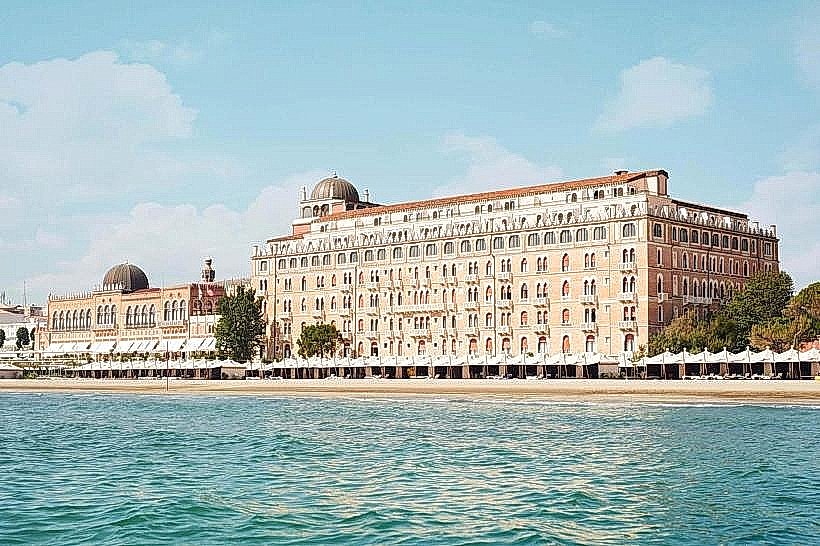
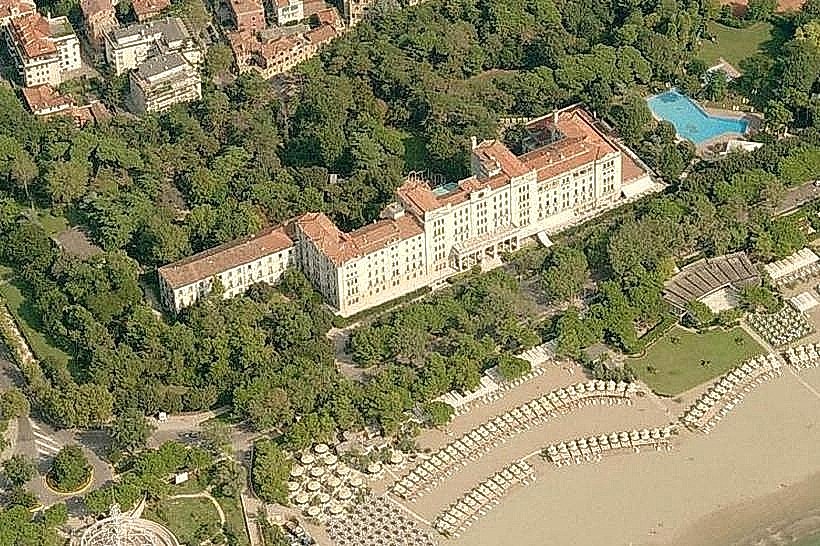
Hotel Excelsior: A Moorish-revival landmark that remains the social hub for the global film elite.
The Jewish Cemetery: Established in 1386, one of the oldest and most atmospheric cemeteries in Europe.
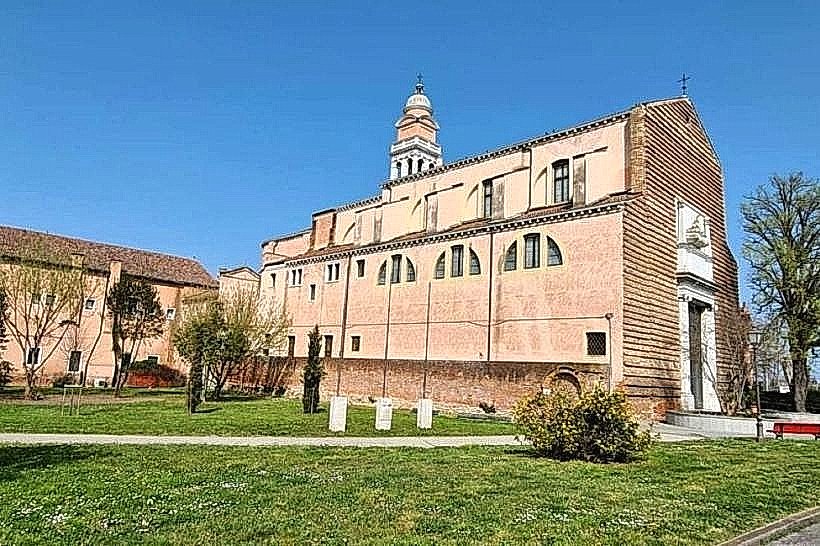
San Nicolò al Lido: A historic monastery and church at the northern end, housing relics of St. Nicholas (the patron saint of sailors).
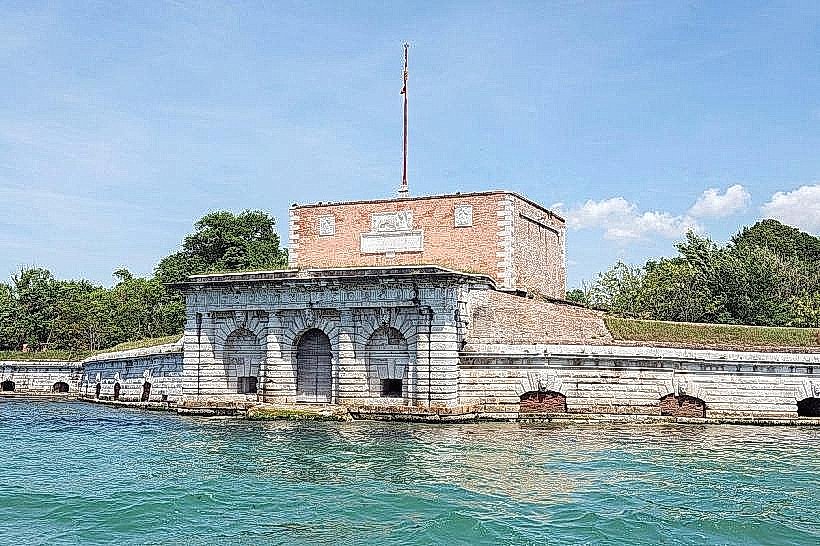
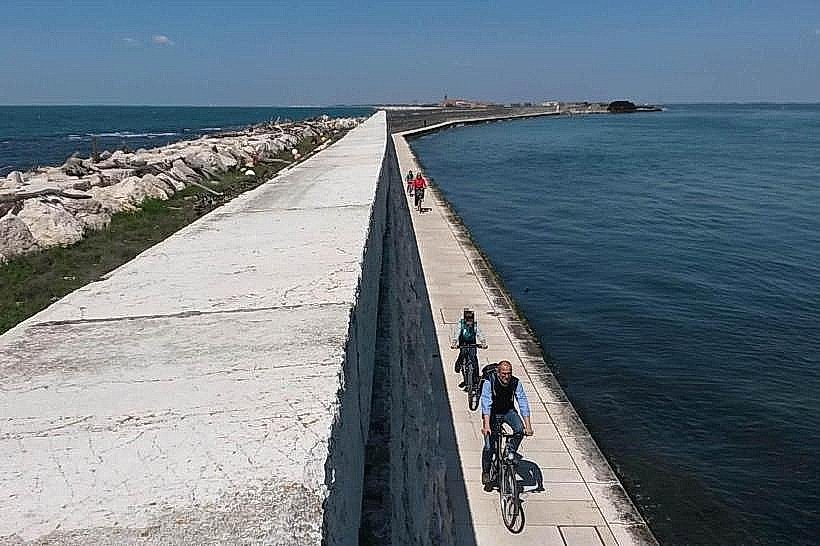
The Murazzi: Massive 18th-century Istrian stone sea walls designed to protect the lagoon from Adriatic storms.
Transportation Network
Movement is via bus, car, bicycle, and boat. The Lido is connected to the Venetian mainland (Tronchetto) by a ferry-boat (Line 17) capable of carrying vehicles. Internally, the ACTV bus network (Lines V, A, B, C) provides 24-hour service. Access to Venice (Piazza San Marco) is via Vaporetto (Lines 1, 5.1, 5.2, 6), taking approximately 15–20 minutes. Venice Lido Airport (LIPV) serves general aviation and helicopters.
Safety & "Red Zones"
The general safety level is very high. Property crime is low. Standard awareness for pickpockets is advised near the Santa Maria Elisabetta terminal during peak festival dates. Environmental hazards include Acqua Alta (flooding) during autumn and winter, though the island is less affected than central Venice.
Digital & Financial Infrastructure
Internet speeds are high, with 1 Gbps fiber available throughout the residential areas. Mobile service is robust. Card acceptance is universal. Italy has a national VAT (IVA) of 22% and a local Tourist Tax (Tassa di Soggiorno) ranging from €2 to €5 per night.
Climate & Air Quality
Temperatures range from 3°C to 7°C in winter and 20°C to 28°C in summer. The island experiences a maritime climate with significant humidity and sea breezes. Air quality is higher than the mainland due to the surrounding water.
Culture & Social Norms
The standard tipping percentage is not mandatory (service is often included as coperto), but 5–10% is appreciated for exceptional service. A "Refined-Resort" greeting is standard. Dress codes are "Casual-Chic" (beachwear is restricted to the shore; formal attire is expected during the Film Festival). The island is culturally defined by its Cinema Heritage, Belle Époque Nostalgia, and Cycling Culture.
Local Cost Index
1 Espresso: €1.50–€2.50 (USD equivalent: $1.65–$2.75)
1 Standard Lunch: €25.00 (USD equivalent: $27.00)
1 Day Beach Hut Rental: €50.00–€150.00.
Nearby Day Trips
Venice Historic Center: (15 minutes via vaporetto).
Pellestrina: (Accessible via bus/ferry; a rustic, narrow fishing island further south).
Burano: (45 minutes via vaporetto; known for lace-making and brightly colored houses).
Facts & Legends
The Lido is home to the first public beach in Italy, opened in 1857. Historically, it was the site where the Doge of Venice would perform the "Marriage to the Sea" ceremony. A local legend involves the "Phantom Gondola," said to appear off the coast of San Nicolò on the night of the Ascension, carrying the spirits of former Venetian Admirals. Another legend concerns the "Lion of Malamocco," a stone carving that supposedly roars whenever the Adriatic tides threaten to breach the island's defenses.