Information
City: MahonCountry: Balearic Islands
Continent: Europe
Mahon, Balearic Islands, Europe
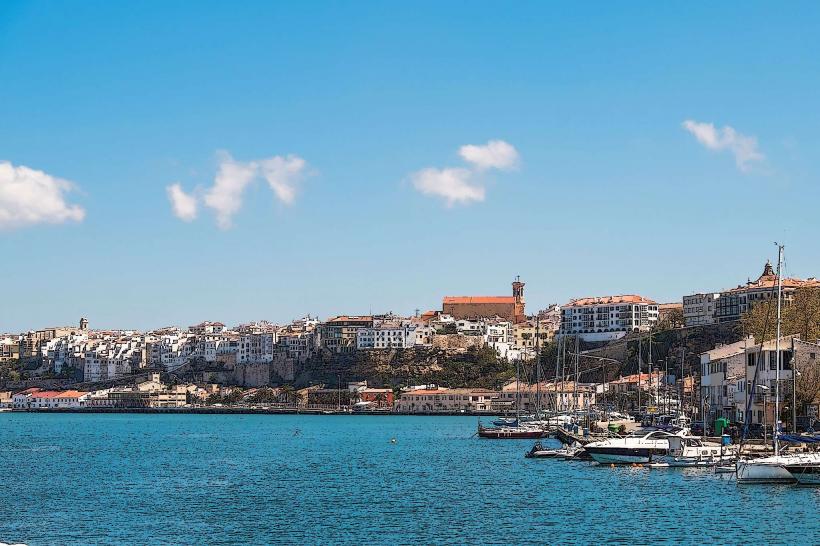
Mahón (Maó) is the capital of Menorca and home to one of the largest natural harbors in the world, stretching 5 km in length and up to 900 meters in width. It is the administrative and commercial heart of the island.
Historical Timeline
Strategic importance dominated Mahón's history. After centuries of Roman, Byzantine, and Moorish rule, it became the island's capital in 1722 under British Governor Richard Kane, who moved the seat of power from Ciutadella. The city cycled through British, French, and Spanish control during the 18th century, leaving a unique architectural legacy of sash windows and Georgian styles rarely seen elsewhere in Spain.
Demographics & Population
The population is approximately 29,000. The demographic is a mix of local Menorcans and an established international community, particularly British. Spanish and Catalan (Menorquí) are the official languages. The economy is fueled by the port, administrative services, and the production of the world-famous Mahón-Menorca cheese.
Urban Layout & Key Districts
The Port: A bustling waterfront divided into several zones: the commercial docks, the leisure marina (Moll de Llevant), and the industrial area.
Old Town: Situated on the cliffs overlooking the harbor, featuring narrow streets and historic plazas.
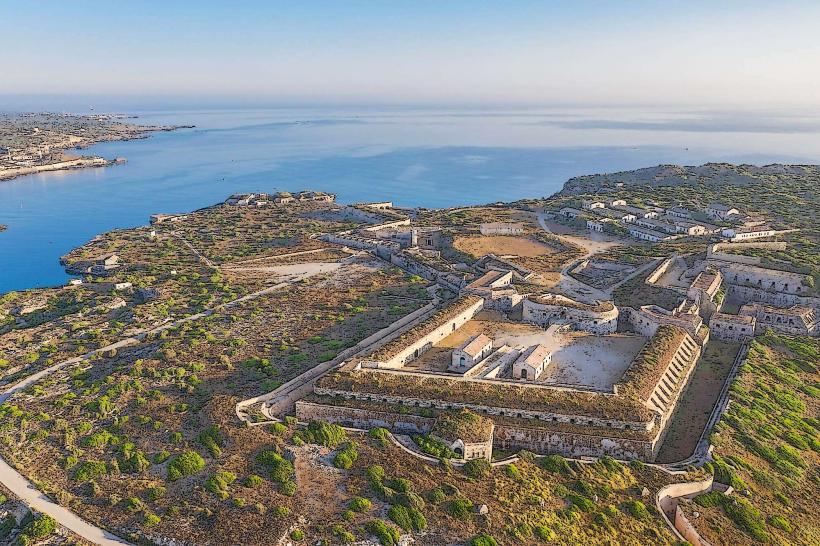
Fortaleza de la Mola: Located at the mouth of the harbor, this massive 19th-century fortress dominates the eastern peninsula.
S’Altra Banda: The "other side" of the harbor, home to luxury residential villas and the historic Isla del Rey.
Top Landmarks
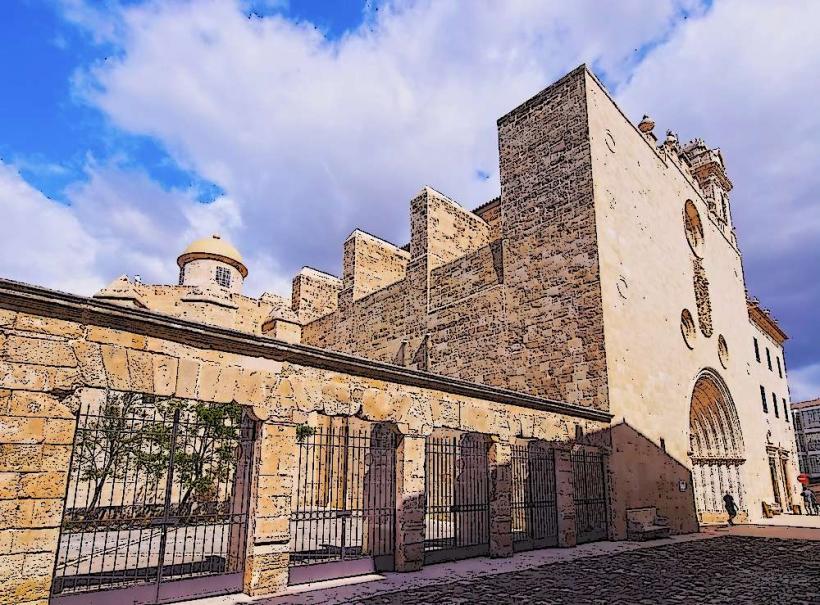
Santa Maria Church: Contains a massive 19th-century organ with over 3,000 pipes.
Fortaleza de la Mola: A prime example of 19th-century military architecture, built to defend the strategic harbor.
Isla del Rey: An islet in the harbor featuring a restored 18th-century British military hospital and a contemporary Hauser & Wirth art gallery.
Menorca Museum: Housed in a former Franciscan monastery, documenting the island's history from the Talaiotic period to the present.
Pont de Sant Roc: The only remaining gate of the medieval city walls.
Transportation Network
Air: Menorca Airport (MAH) is located 4.5 km southwest of the city.
Sea: Daily ferry connections to Barcelona, Valencia, and Palma de Mallorca.
Bus: The central bus station links Mahón to Ciutadella via the Me-1 and provides access to all coastal resorts.
Lift: A panoramic public elevator connects the port level to the historic center on the cliffside.
Safety & "Red Zones"
Driving: The city center is a maze of one-way streets and limited access zones (ACIRE). Heavy fines apply for unauthorized entry.
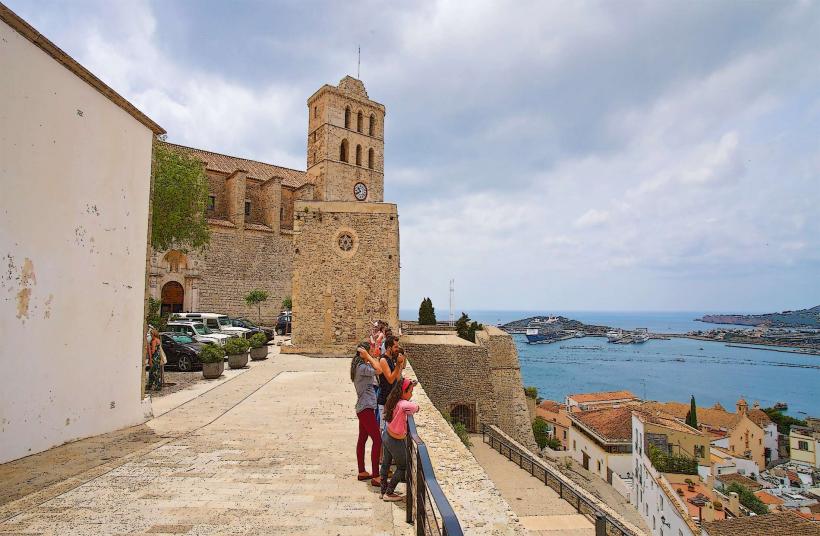
Cliffs: Some viewpoints in the old town lack high barriers; exercise caution with children.
Maritime: The harbor is a high-traffic area for ferries and cruise ships; small craft must strictly follow navigation channels.
Digital & Financial Infrastructure
5G and fiber-optic coverage are standard. The currency is the Euro (€). ATMs are abundant in the city center and along the harbor. Contactless payment is universal.
Climate & Air Quality
Mediterranean climate. The city is exposed to the Tramuntana (north wind), though the harbor provides shelter for shipping. Air quality is high, benefiting from the island's UNESCO Biosphere Reserve status.
Culture & Social Norms
Festes de Mare de Déu de Gràcia: Held in September, featuring the "Jaleo" where Menorcan horses dance through the streets.
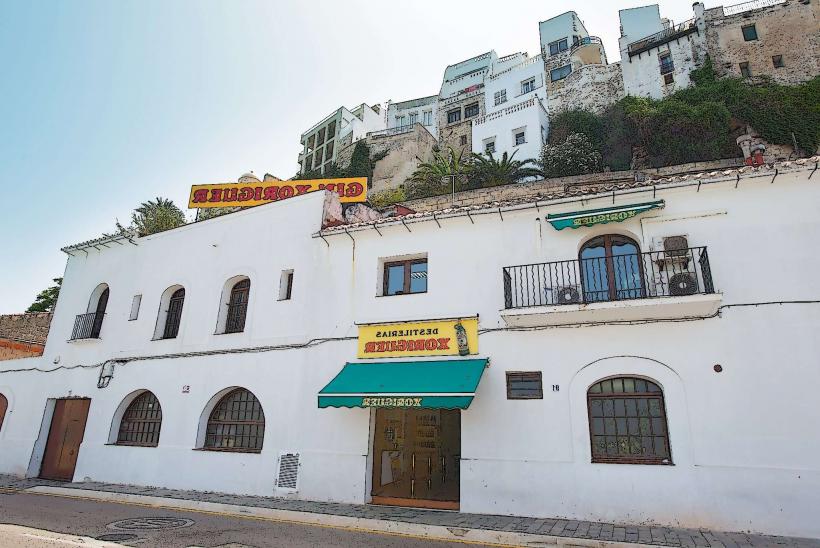
British Influence: Evident in the architecture and the local production of Gin Xoriguer.
Cuisine: Origin of Mayonnaise (Salsa Mahonesa). Key products include Queso de Mahón and Ensaimadas.
Local Cost Index (EUR)
1 Espresso: €1.50–€2.50
1 Standard Lunch (Menú del Día): €15.00–€22.00
1 Harbor Boat Tour: €12.00–€18.00
Nearby Day Trips
Binibeca Vell: A famous "reproduction" white fishing village 15 minutes south.
S'Albufera des Grau: A freshwater lagoon and the core of the Biosphere Reserve, located 10 minutes north.
Talatí de Dalt: A major Talaiotic prehistoric site with a prominent Taula (megalith).
Facts & Legends
Legend credits the invention of mayonnaise to the chef of the Duke of Richelieu during the French occupation of Mahón in 1756. A geographic fact: Mahón's harbor is the second deepest natural port in the world (after Pearl Harbor). Historically, the city’s loyalty to the Republican side during the Spanish Civil War resulted in severe isolation and bombing, which paradoxically helped preserve its 18th-century character by stalling modern redevelopment.