Information
City: MedanCountry: Indonesia
Continent: Asia
Medan, Indonesia, Asia
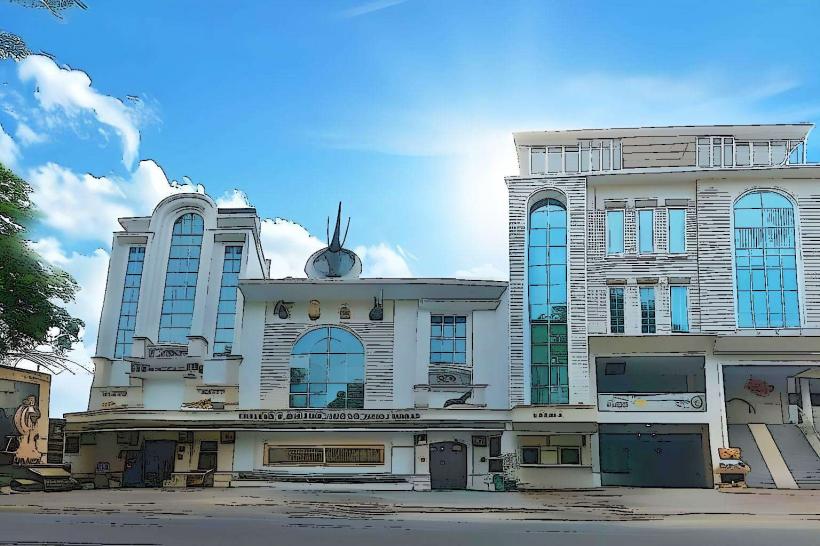
Medan is the capital of the North Sumatra province and the third-largest city in Indonesia (after Jakarta and Surabaya). Located near the northeastern coast of Sumatra, it serves as the primary economic gateway to the island and the main transit point for travelers visiting Lake Toba and the Gunung Leuser National Park.
Historical Timeline
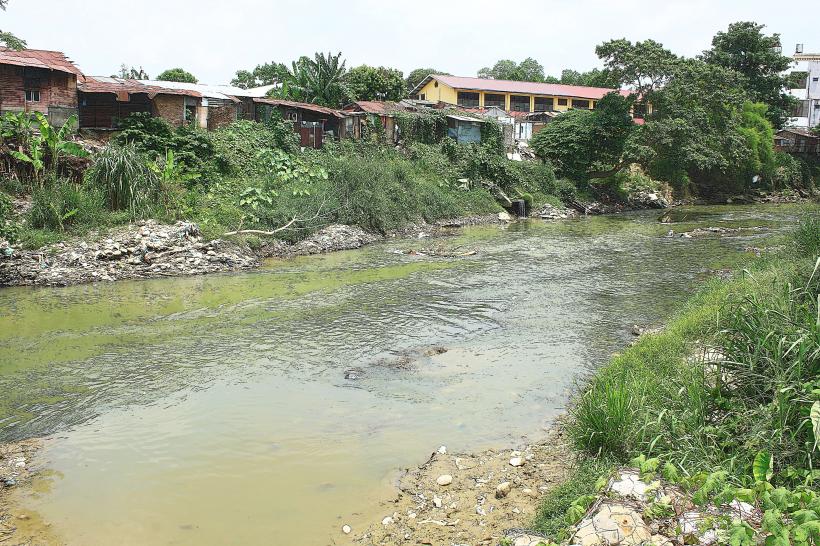
Medan developed from a small swampy settlement at the confluence of the Deli and Babura rivers (known as Medan Putri). It rose to prominence in the late 19th century when Dutch tobacco planters established the Deli Company. The city became the seat of the powerful Sultanate of Deli and grew into a colonial administrative center nicknamed "Paris van Sumatra" due to its wealthy plantation economy and European architecture.
Demographics & Population
The city has a population of approximately 2.5 million, with over 4.5 million in the greater metropolitan area (Mebidangro). Medan is noted for being one of Indonesia's most multi-ethnic cities, with significant populations of Javanese, Batak, Chinese Indonesians, Minangkabau, and a unique Tamil Indian minority-the largest in Indonesia. The economy is centered on trade, palm oil processing, and rubber.
Urban Layout & Key Districts
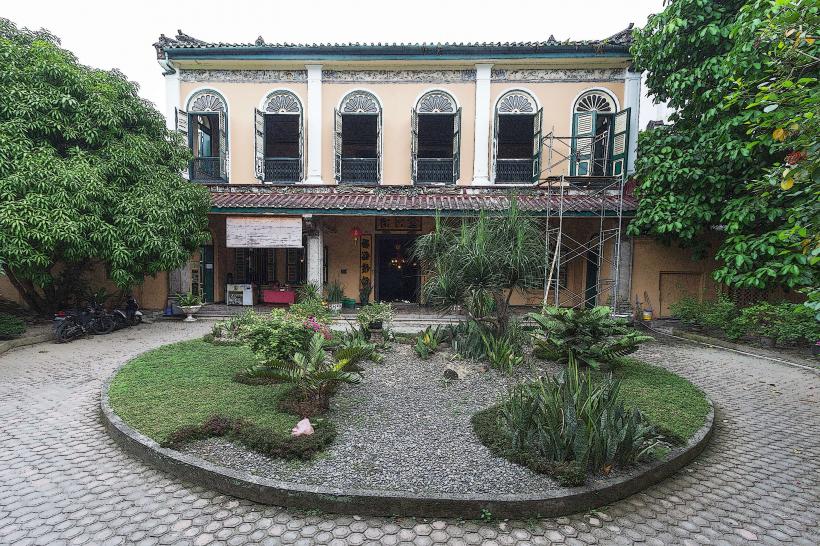
Kesawan: The historic heart of the city, featuring Dutch colonial buildings and the famous Tjong A Fie Mansion.
Kampung Madras: Known as "Little India," it is the center for the city's Indian community and Hindu temples.
Petisah: A major commercial district housing one of the city's largest traditional markets.
Polonia: A former airport district that has transitioned into an upscale residential and business zone.
Top Landmarks
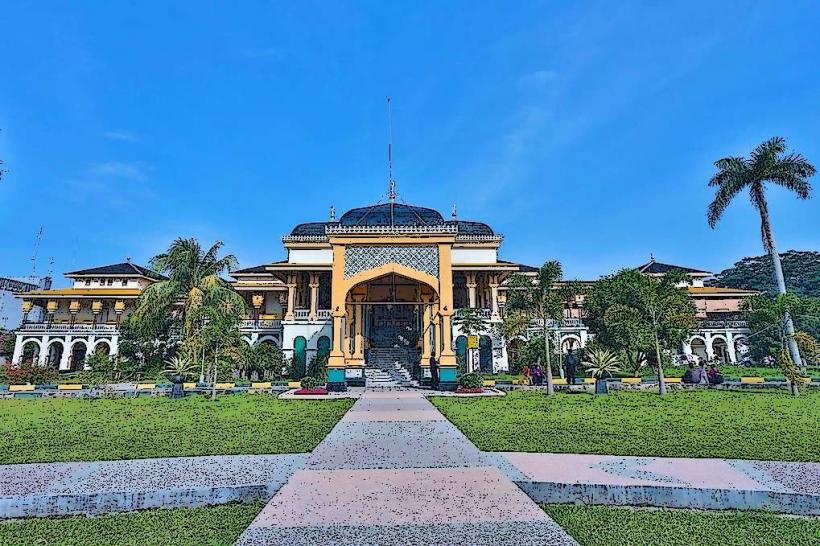
Maimun Palace: The royal seat of the Sultanate of Deli, featuring an architectural blend of Malay, Islamic, and Italian influences.
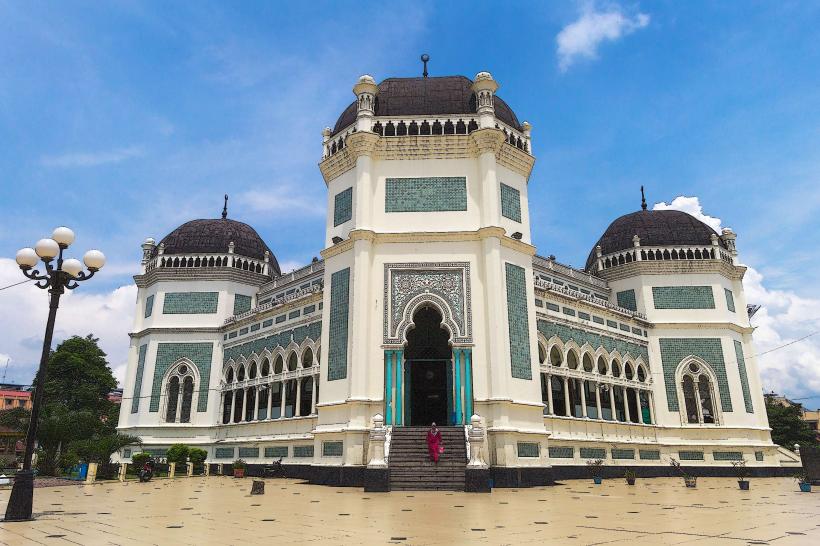
Great Mosque of Medan (Masjid Raya Al-Mashun): An iconic octagonal mosque built in 1906 with Moroccan and European elements.
Tjong A Fie Mansion: A well-preserved 19th-century mansion of a wealthy Chinese merchant, showcasing eclectic Peranakan styles.
Sri Mariamman Temple: The oldest Hindu temple in Medan, located in Kampung Madras.
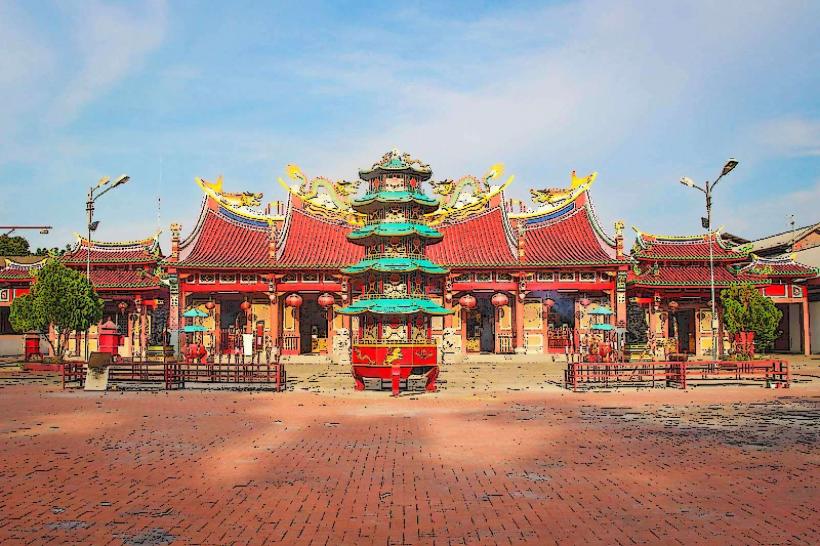
Maha Vihara Maitreya: One of the largest Buddhist temples in Southeast Asia, located in the Cemara Asri complex.
Transportation Network
Air: Kualanamu International Airport (KNO) is the main gateway, located 39 km from the city.
Rail: The Airport Rail Link (Railink) connects Kualanamu to the city center in 30–45 minutes. Regular trains also run to Binjai and Pematangsiantar.
Road: Connected via the Belmera Toll Road and the Medan–Binjai Toll Road.
Local Transit: Gojek and Grab are standard. Traditional Bentor (motorized rickshaws) are a local specialty for short distances.
Safety & "Red Zones"
Traffic: Medan is notorious for aggressive driving and chaotic traffic patterns; exercise extreme caution when crossing streets.
Petty Crime: Be vigilant against bag snatching (jambret) in crowded areas and when traveling on open-air transport.
Air Quality: Can be affected by seasonal "haze" caused by agricultural fires in Sumatra (typically June–October).
Digital & Financial Infrastructure
4G/5G coverage is robust throughout the city. The currency is the Indonesian Rupiah (IDR). ATMs are abundant. Digital payments via QRIS are common in malls and established restaurants, while cash is essential for street food and traditional markets.
Climate & Air Quality
Tropical rainforest climate. It is hot and humid year-round with no distinct dry season, although rainfall peaks from October to December.
Culture & Social Norms
Directness: Similar to Surabaya, residents of Medan are known for their loud, direct, and candid communication style compared to the more subtle Javanese.
Religious Diversity: The city is a major center for Christianity (Batak Protestantism), Islam, and Buddhism.
Cuisine: Medan is considered the "Culinary Capital" of Sumatra. Famous for Bika Ambon (honeycomb cake), Soto Medan, Durian Medan, and Mie Aceh.
Local Cost Index (IDR)
1 Espresso: 25,000–45,000 IDR
1 Standard Lunch (Nasi Padang/Soto): 25,000–50,000 IDR
1 Airport Railink Ticket: 70,000–100,000 IDR
Nearby Day Trips
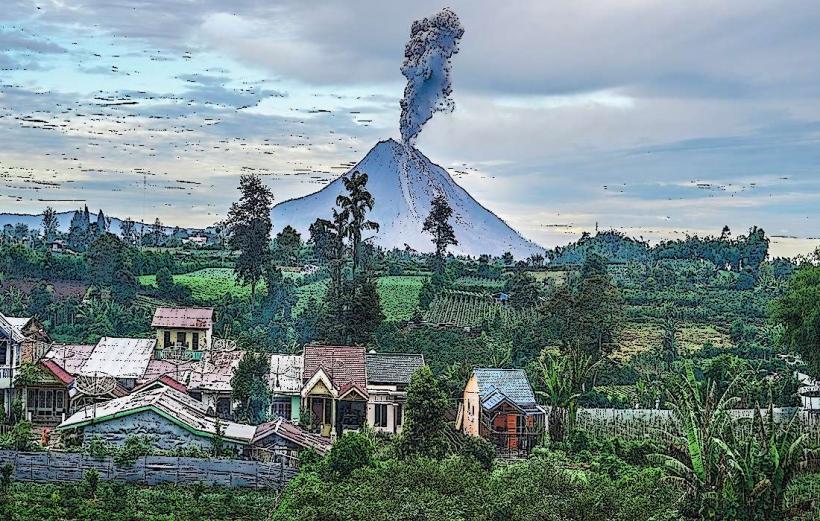
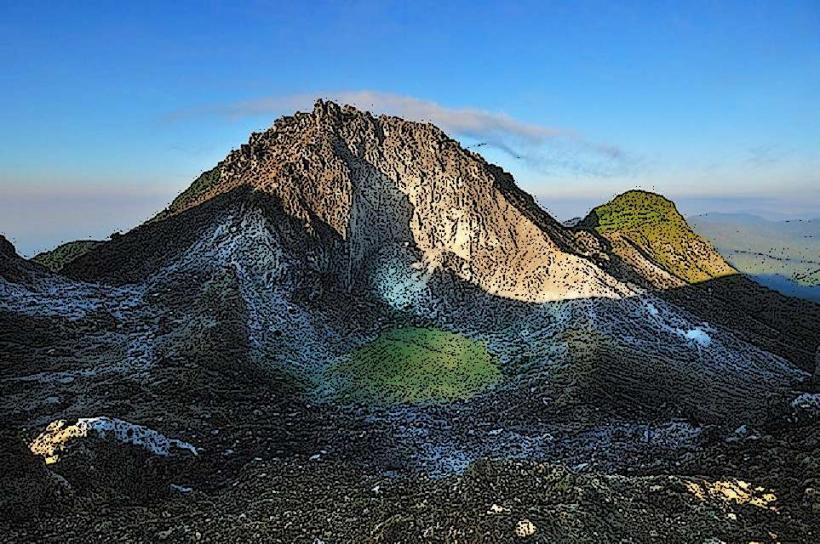
Berastagi: 2 hours south; a highland town known for its fruit markets and the active Sibayak and Sinabung volcanoes.
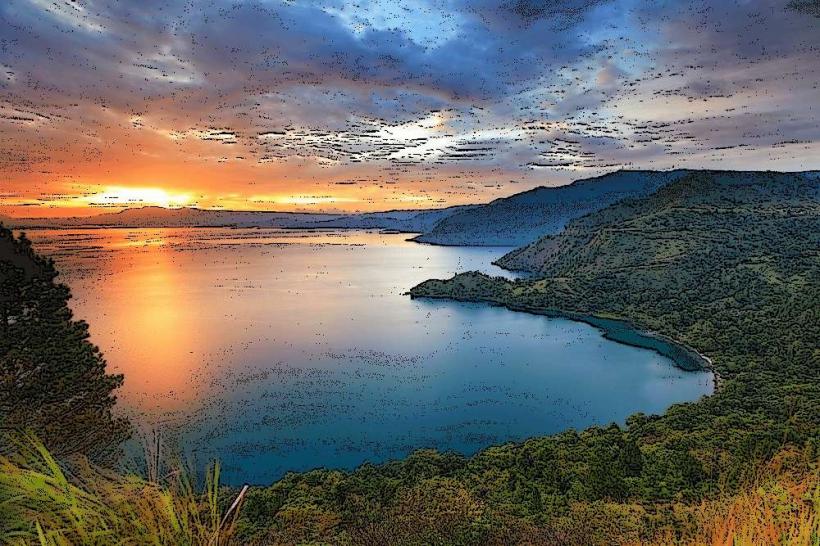
Lake Toba (Parapat): 4–5 hours south; the world's largest volcanic lake and the cultural heartland of the Batak people.
Bukit Lawang: 3–4 hours west; a primary gateway to the Gunung Leuser National Park for orangutan trekking.
Facts & Legends
Legend says the name "Medan" refers to the "Field" (Maidan) where the Deli and Babura rivers meet. A geographic fact: Medan is located on a flat plain between the mountains and the sea, making it susceptible to localized flooding during heavy monsoon rains. Historically, the tobacco produced in the Deli region was so high in quality that it set the global price for cigar wrappers in the 19th century.