Information
City: MiskolcCountry: Hungary
Continent: Europe
Miskolc, Hungary, Europe
Miskolc functions as the capital of Borsod-Abaúj-Zemplén county and the fourth-largest city in Hungary. Situated at the foot of the Bükk Mountains, it is a primary hub for heavy metallurgy, automotive engineering, and thermal tourism. It is defined by its transition from a "socialist industrial giant" into a specialized center for high-tech manufacturing and green tourism, housing one of Europe's most unique natural cave baths.
Historical Timeline
Miskolc originated as a settlement in the Paleolithic era (Szeleta Cave). The primary era of early governance was the 14th century under King Louis the Great, who elevated it to a market town. The primary event shaping its modern identity was the mid-20th-century expansion of the Diósgyőr Steel Works, which merged several surrounding settlements into "Greater Miskolc," followed by a post-1990 economic restructuring toward service and technology sectors.
Demographics & Population
The population is approximately 143,000. The demographic profile is characterized by a high concentration of engineering professionals and students at the University of Miskolc, a specialized research institution for heavy industry and earth sciences. Hungarian is the official language.
Urban Layout & Key Districts
The city is elongated along the Szinva and Hejő streams, stretching from the industrial east to the forested west.
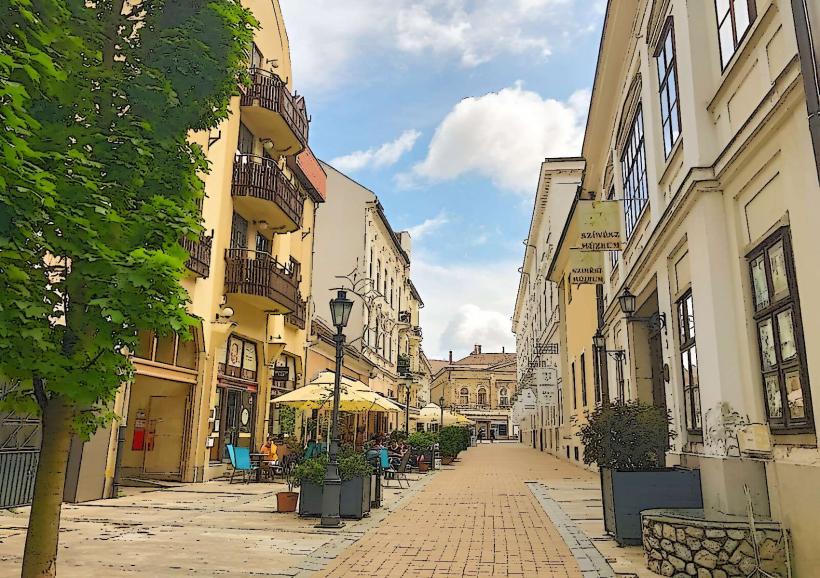
Belváros (Inner City): The historic and commercial core, featuring the pedestrianized Széchenyi utca.
Diósgyőr: A western district home to the medieval castle and the historic steel plant.
Miskolctapolca: A specialized resort district in the south, housing the cave baths and parklands.
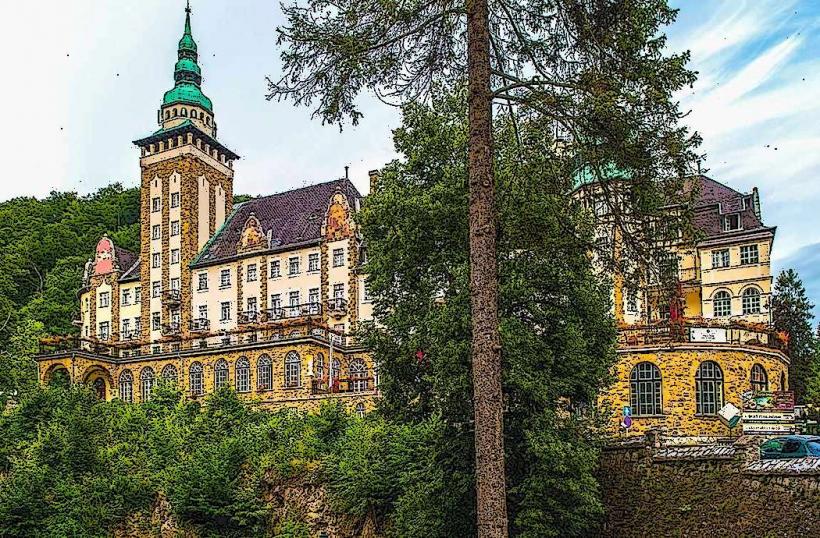
Lillafüred: A specialized high-altitude resort enclave located 12 km west within the Bükk National Park.
Avas Hill: A central limestone hill featuring over 900 specialized wine cellars and the city's iconic TV tower.
Top City Landmarks
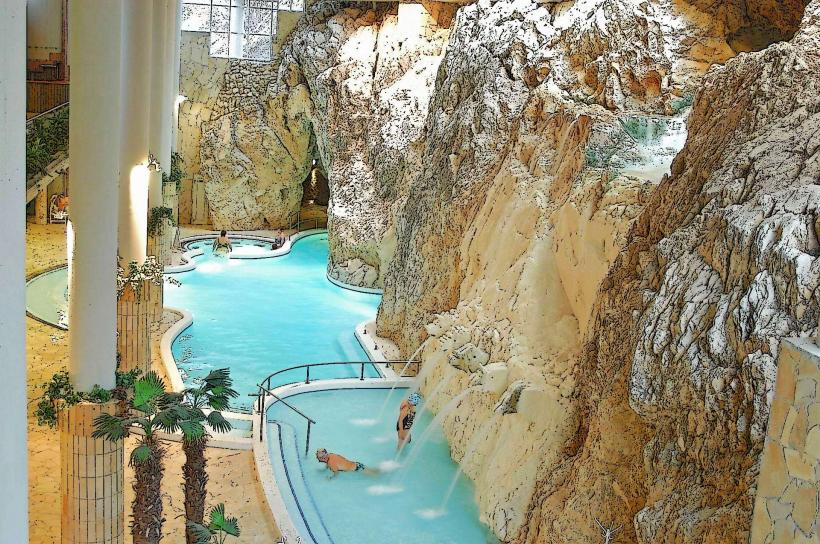
Miskolctapolca Cave Bath: A specialized thermal complex carved into a natural karst cave system, featuring 30–35°C water.
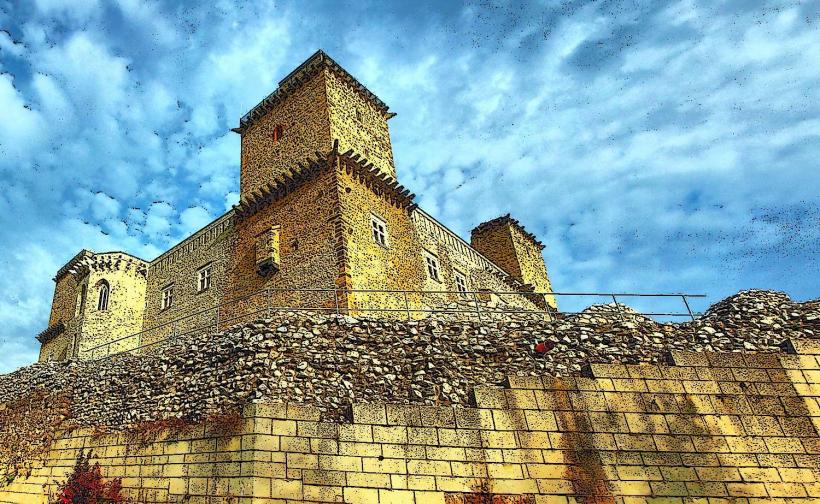
Diósgyőr Castle: A specialized four-towered medieval fortress, historically known as the "Castle of the Queens."
Lillafüred Palotaszálló: A specialized Neo-Renaissance hotel complex overlooking Lake Hámori and the Szinva waterfall.
Szinva Waterfall: The highest specialized waterfall in Hungary (20 meters), located in the hanging gardens of Lillafüred.
Avas TV Tower: A 72-meter specialized structural landmark offering 360-degree views of the Bükk and the Great Plain.
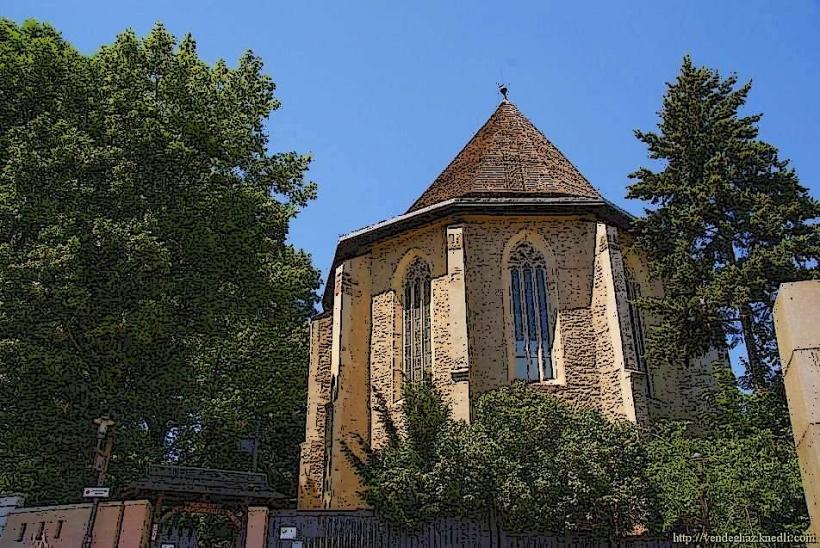
Wooden Church (Deszkatemplom): A specialized Transylvanian-style timber church rebuilt in the 1990s.
Transportation Network
Miskolc is a critical gateway for northern rail and road logistics.
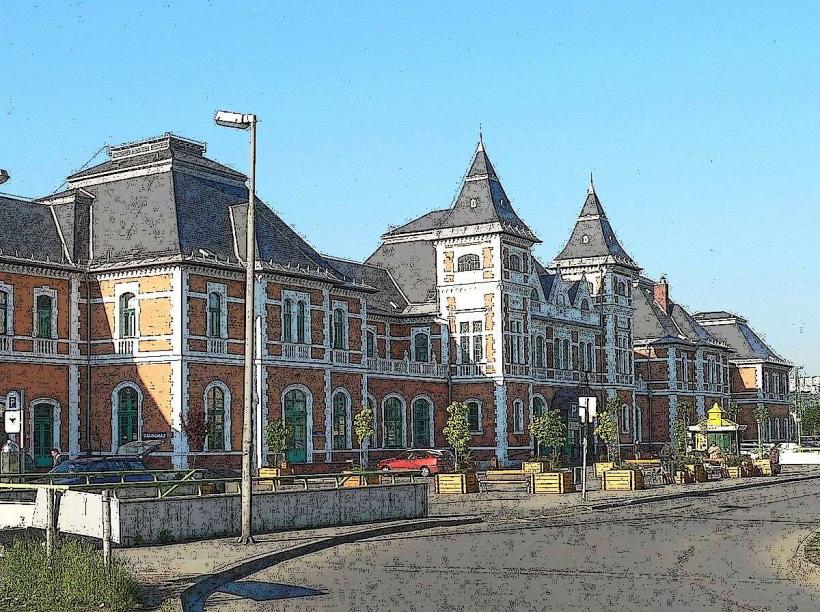
Miskolc Tiszai Railway Station: A primary hub on the Budapest–Košice line, connecting to Budapest in 2 hours.
Miskolc Tram Network: Consists of two main lines, featuring specialized modern Skoda carriages.
Lillafüred State Forest Railway: One of the most scenic specialized narrow-gauge railways in Hungary, traversing the Bükk mountains.
M30 Motorway: The primary road artery connecting Miskolc to the M3 (Budapest) and the Slovakian border.
Safety & "Red Zones"
The general safety level is high in the city center and tourist districts (Lillafüred, Tapolca). There are no official "red zones," though certain peripheral industrial neighborhoods and areas near the Avas housing estate late at night warrant standard urban caution. The city is generally safe for transit at all hours in the main commercial corridors.
Digital & Financial Infrastructure
Miskolc is a leader in Electro-mobility (LG Magna plant) and Advanced Materials. Internet speeds average 200–1000 Mbps. 5G is universal in the urban core. Card and mobile payments are standard. The city is a major center for the Silicon Field regional tech initiative.
Climate & Air Quality
Miskolc has a humid continental climate with cold, snowy winters and warm summers. It recorded the lowest temperature in Hungarian history (−35°C). Air quality has improved significantly since the closure of heavy coal-fired plants, though winter smog can occur due to the city's valley topography.
Culture & Social Norms
Social norms are characterized by a "working-class-intellectual" blend and a strong outdoor culture. Tipping (10%) is expected. The primary cultural events are the Bartók Plus Opera Festival and the CineFest Miskolc International Film Festival.
Local Cost Index
1 Espresso: 600 HUF (€1.55)
1 Pint of Beer: 800–1,200 HUF (€2.10–€3.10)
1 Standard Lunch: 3,400–5,400 HUF (€8.70–€13.80)
Nearby Day Trips
Aggtelek National Park: 1 hour away; a UNESCO site featuring the specialized Baradla Cave, the largest stalactite cave in Central Europe.
Tokaj Wine Region: 45 mins away; the world’s first specialized appellation wine region.
Bükkszentkereszt: 20 mins away; a specialized sub-alpine village known for its "healing stones" and herbal medicine traditions.
Facts & Legends
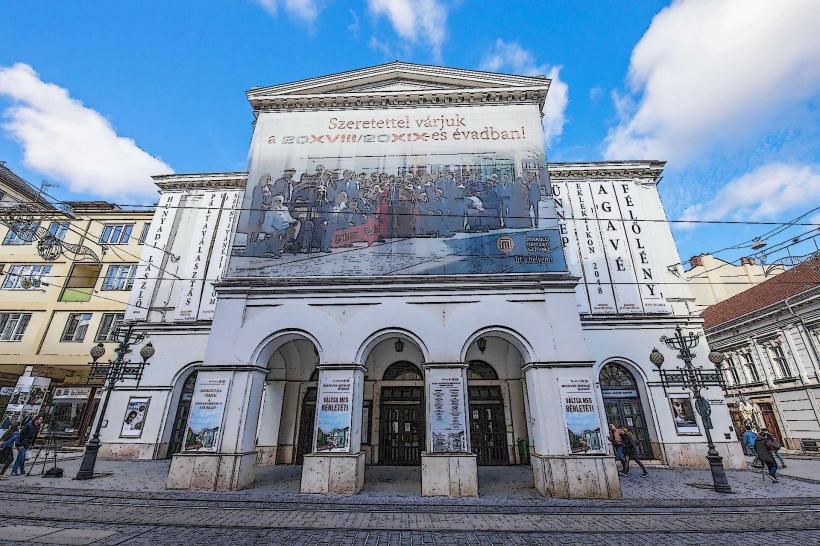
Miskolc is the site of the Szeleta Culture, where some of the earliest evidence of prehistoric man in Europe was discovered. Legend states that the Szent István Cave was discovered when a dog fell through a hole in the ground and barked until rescuers found the entrance. A verified fact is that the city’s National Theater (built 1823) is the oldest stone-built theater in modern Hungary. Historically, Miskolc was the "Iron City" of the socialist era, once producing over 1 million tons of steel annually.