Information
City: MwanzaCountry: Tanzania
Continent: Africa
Mwanza, Tanzania, Africa
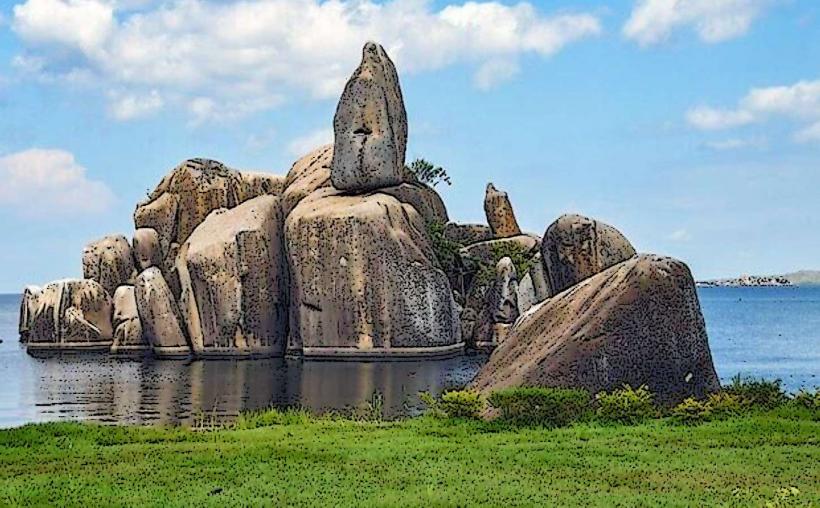
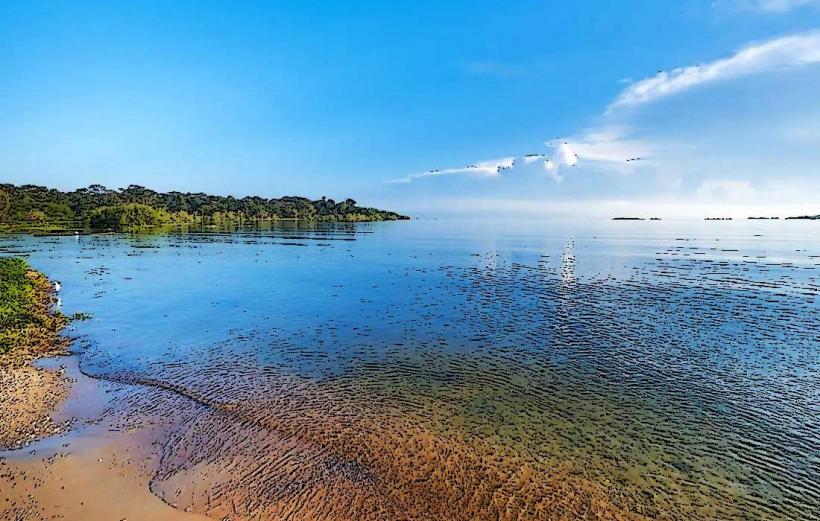
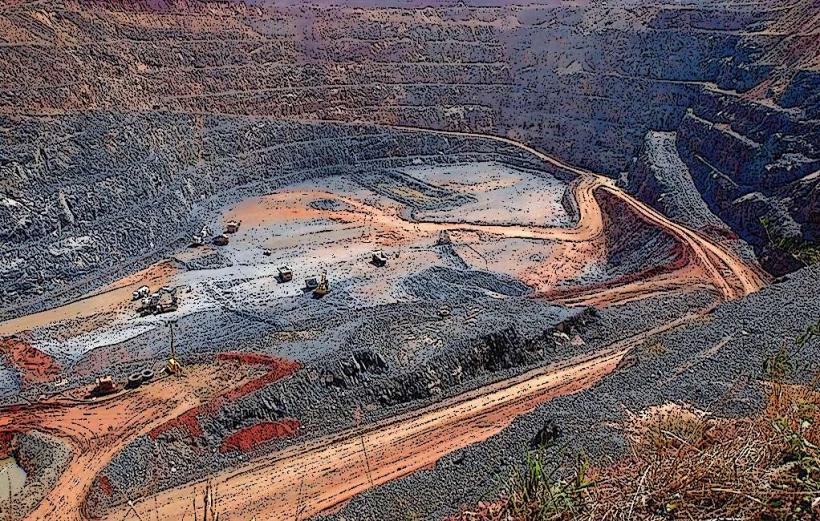
Mwanza is the capital of the Mwanza Region and Tanzania’s second-largest city. Located on the southern shores of Lake Victoria at an elevation of 1,140 m, it is known as Rock City due to the massive granite boulders that define its landscape. It serves as the primary economic hub for the Lake Zone, driven by fishing, gold mining logistics, and cotton trade.
Historical Timeline
The area was originally inhabited by the Sukuma people. Modern Mwanza was founded in 1892 by German colonial authorities as an administrative center to manage trade on Lake Victoria. It grew significantly in the 20th century following the completion of the railway link to Tabora and the expansion of the Nile Perch fishing industry. In 1996, the city was the site of the MV Bukoba maritime disaster, which remains a defining moment in its modern history.
Demographics & Population
The 2026 metropolitan population is approximately 1.4 million. It is the cultural heartland of the Sukuma, Tanzania’s largest ethnic group. The city also hosts significant Indian and expatriate communities involved in the mining and fish-processing sectors.
Urban Layout & Key Districts
City Center: A dense commercial area near the port and the main railway station.
Capri Point: An upscale peninsula district featuring colonial-era villas, luxury hotels, and panoramic lake views.
Ilemela: A rapidly industrializing district to the north, home to the airport and major fish processing plants.
Nyamagana: The central administrative district encompassing the historic core and main markets.
Buzuruga: A major transport and commercial node on the eastern edge of the city.
Top Landmarks
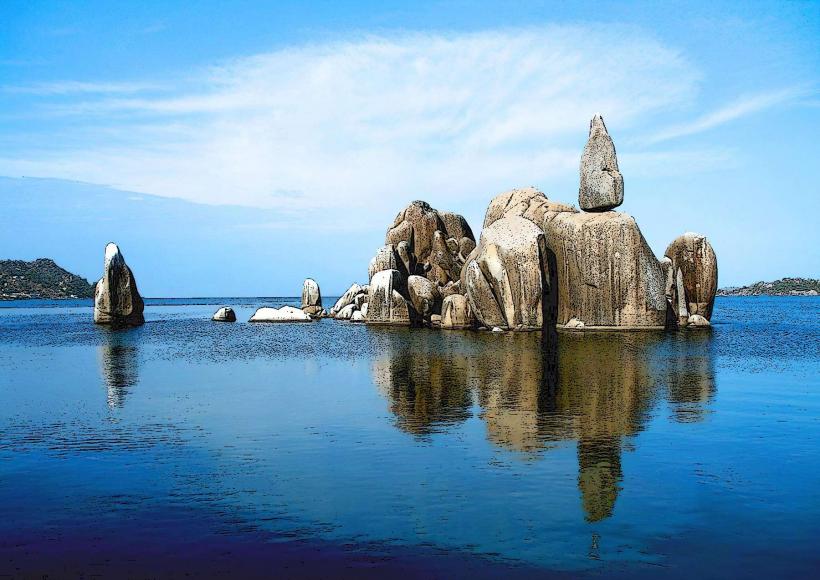
Bismarck Rock: An iconic granite rock formation standing in the lake waters near the city harbor.
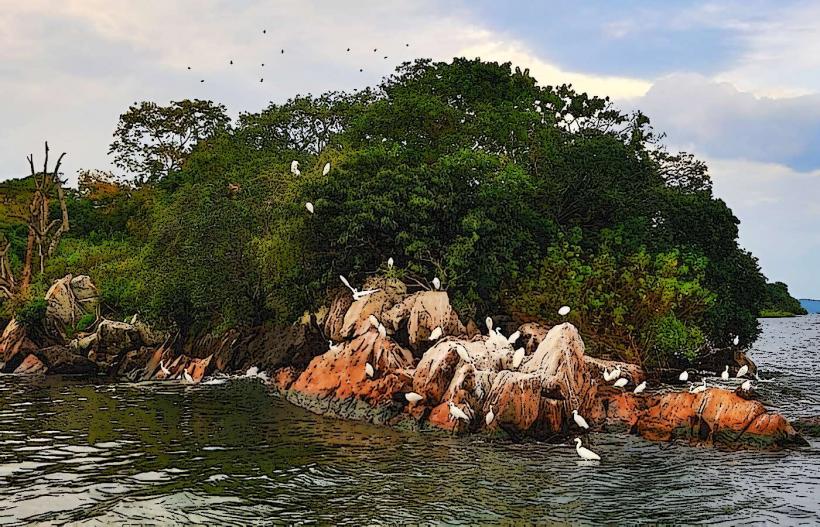
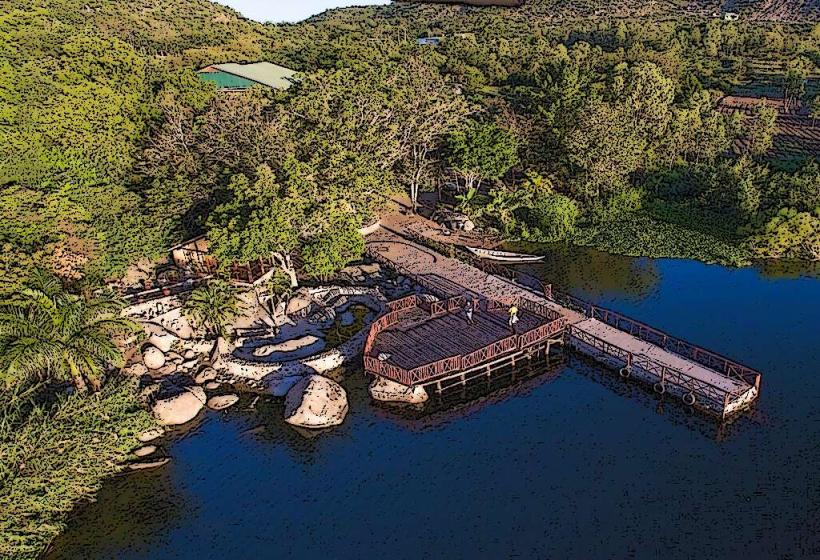
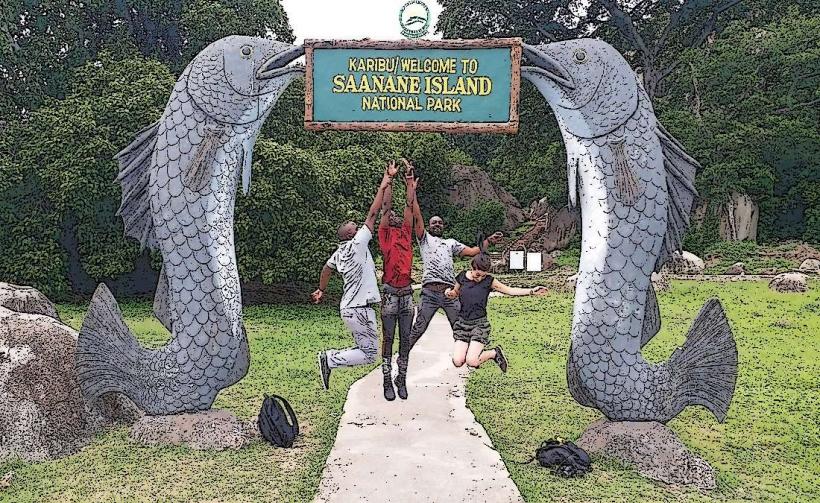
Saanane Island National Park: The smallest national park in Tanzania, located on an island accessible by a 10-minute boat ride from the city center.
Sukuma Museum (Bujora): Located 18 km east; an open-air museum dedicated to Sukuma culture, traditional dance, and architecture.
Kirumba Market: One of the largest fish markets in East Africa, specializing in dried Nile Perch and "Dagaa."
Robert Koch Hill: Site of the ruins of the German colonial governor’s house, offering 360-degree views of the city.
Transportation Network
Air: Mwanza International Airport (MWZ) provides frequent links to Dar es Salaam, Nairobi, and regional mining sites.
Sea: Ferries connect Mwanza to Bukoba and Ukerewe Island, the largest island in Lake Victoria.
Rail: The central line connects to Tabora and Dar es Salaam. The new Standard Gauge Railway (SGR) extension to Mwanza is a major infrastructure priority for 2026.
Road: A hub for transit to Rwanda, Burundi, and Uganda.
Safety & Health
Schistosomiasis (Bilharzia): Lake Victoria is infested with snails carrying this parasite. Swimming in the lake is strictly discouraged.
Crocodiles and Hippos: Present along the shoreline; caution is required near the water at dawn and dusk.
Crime: Generally lower than Dar es Salaam, but "night-time" safety in the Kirumba and Buswelu areas is a concern.
Water: High risk of waterborne illness; bottled or treated water is mandatory.
Digital & Financial Infrastructure
5G is operational in Capri Point and the CBD. The currency is the Tanzanian Shilling (TZS). Mobile Money (M-Pesa, Airtel Money) is the standard for daily transactions. ATMs are widely available in the city center and at Rock City Mall.
Climate & Ecology
Tropical savanna climate.
Weather: Warm and humid ($18^\circ\text{C}$–$29^\circ\text{C}$).
Ecological Status: The city is the center of the Nile Perch industry, an invasive species that transformed the lake's ecology and the regional economy.
Culture & Social Norms
Sukuma Identity: The city is famous for the Bulabo Dance Festival, featuring traditional song and snake handling.
Cuisine: Specialized in Sato (Tilapia) and Mbuta (Nile Perch), typically served with Ugali and greens.
Etiquette: Traditional greetings are highly valued in Sukuma culture; elders are afforded significant respect in public spaces.
Local Cost Index (TZS)
1 Short Boat Ride to Saanane Island: 15,000–25,000 TZS
1 Plate of Fresh Tilapia and Ugali: 10,000–18,000 TZS
1 Shared Dala-dala ride: 500–1,000 TZS
Facts & Legends
Legend says that the granite boulders of Mwanza were thrown there by ancient giants during a territorial dispute. A geographic fact: Lake Victoria is the world's second-largest freshwater lake by surface area, and Mwanza is its most significant port city in the southern hemisphere. Historically, Mwanza was the first place in East Africa where the German physician Robert Koch conducted his pioneering research on Sleeping Sickness.