Information
City: NegomboCountry: Sri Lanka
Continent: Asia
Negombo, Sri Lanka, Asia
Negombo is a major coastal city in the Gampaha District, Western Province, located 35 km north of Colombo. Situated at the mouth of the Negombo Lagoon, it is the fourth-largest city in Sri Lanka and serves as the primary arrival hub for international travelers due to its proximity to the airport.
Historical Timeline
Negombo was a strategic center for the cinnamon trade during the colonial era. The Portuguese captured it in the early 16th century, introducing Catholicism, which remains the dominant religion. The Dutch seized it in 1640, reinforcing the fortifications and constructing an extensive canal system. The British took control in 1796. The city’s identity is defined by its hybrid heritage of "Little Rome" (due to its high density of churches) and its centuries-old artisanal fishing industry.
Demographics & Population
The population is approximately 142,000. The demographic is predominantly Roman Catholic and ethnically Sinhalese, with a significant Moor minority. The economy is driven by the commercial fishing industry, tourism, and ceramic manufacturing.
Urban Layout & Key Districts
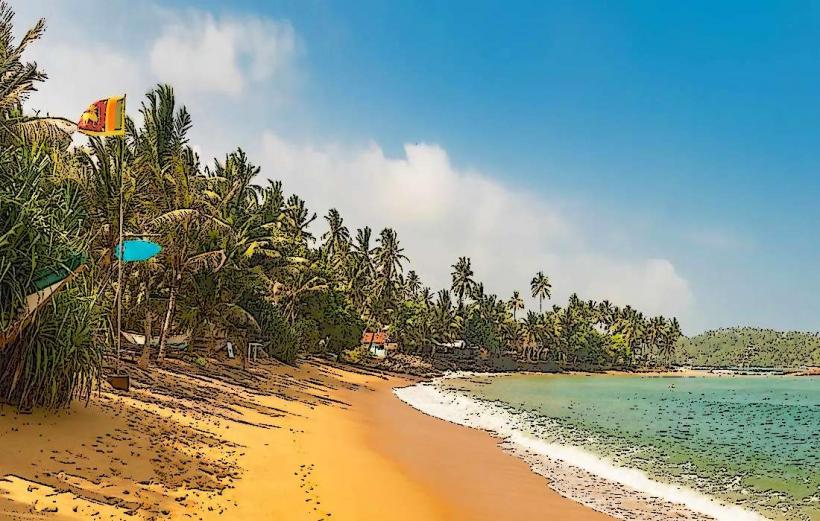
Lewis Place (The Tourist Strip): A beach-front road north of the center containing most hotels, restaurants, and pubs.
The Town Center: The commercial heart housing the main markets, bus terminal, and railway station.
Duwa: A fishing village island connected by a bridge, known for its traditional passion plays.
Kudapaduwa: A high-density fishing and tourist area located between the lagoon and the sea.
Top Landmarks
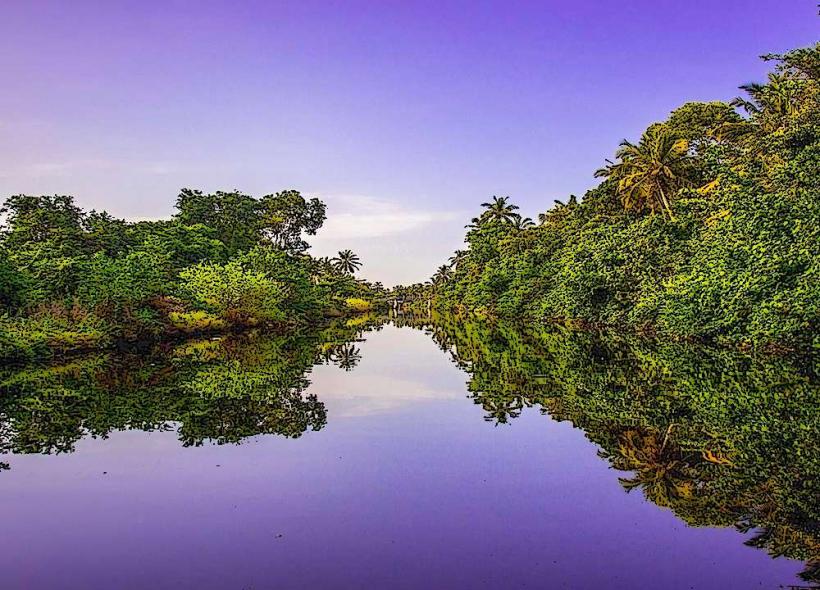
Negombo Lagoon: A vast estuarine system used for traditional outrigger canoeing and wildlife observation.
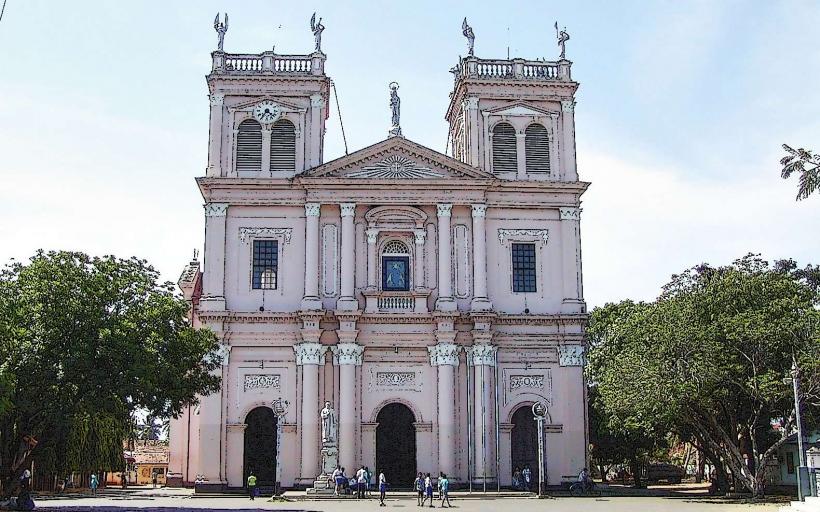
St. Mary's Church: A grand cathedral featuring neoclassical architecture and ceiling paintings.
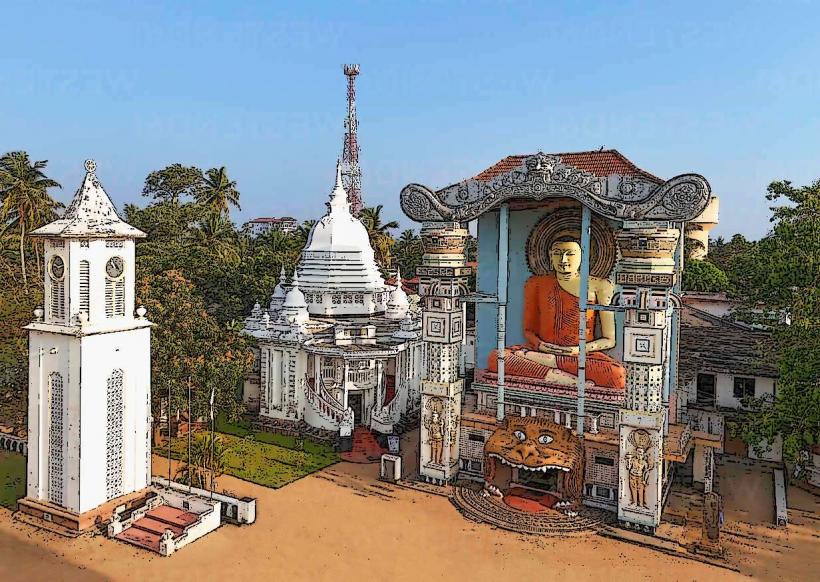
Angurukaramulla Temple: A Buddhist temple famous for its 6-meter reclining Buddha and detailed murals depicting the history of Sri Lanka.
The Dutch Canal (Hamilton Canal): A 14.5 km waterway originally designed to transport cinnamon to the port.
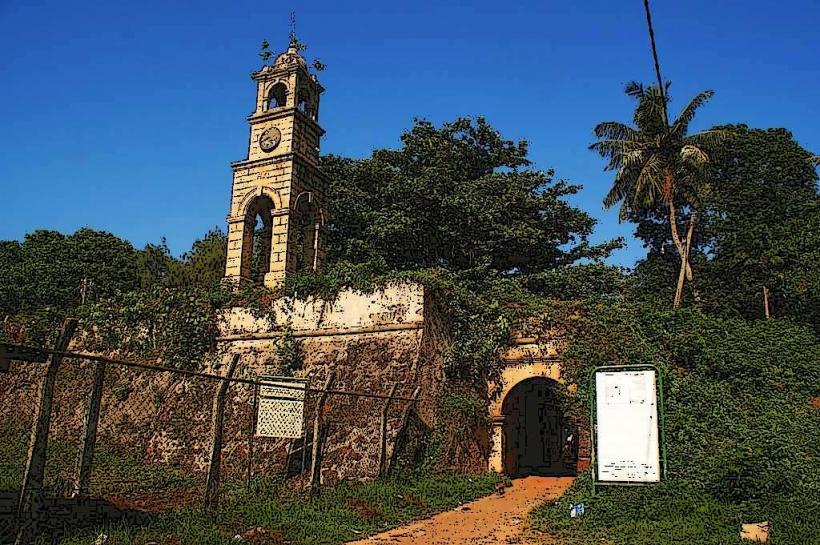
Dutch Fort: Now housing a prison, the remains include the 1672 gate and sections of the ramparts.
Fish Market (Lellama): One of the largest open-air fish markets in the country, located near the lagoon entrance.
Transportation Network
Air: Bandaranaike International Airport (CMB) is located 7 km away in Katunayake.
Road: Connected to Colombo via the E03 Colombo–Katunayake Expressway (20–30 minutes).
Rail: Negombo Railway Station is on the Puttalam Line; it provides slow but scenic links to Colombo.
Public Transit: The central bus stand is a major hub for coastal and inland routes.
Local Transit: Tuk-tuks are ubiquitous. App-based services (Uber, PickMe) are highly reliable here.
Safety & "Red Zones"
Ocean Safety: The sea at Negombo has steep drops and powerful undertows; it is not recommended for swimming. Use hotel pools instead.
Touts: Exercise caution on the beach regarding persistent vendors and "guides" offering overpriced boat tours.
Water Quality: The lagoon and canal water are industrial/residential drainage points; avoid direct contact.
Digital & Financial Infrastructure
4G/LTE and fiber coverage are excellent. The currency is the Sri Lankan Rupee (LKR). ATMs are abundant in the town center and along the Lewis Place tourist strip. Credit cards are standard in hotels and upscale restaurants.
Climate & Air Quality
Tropical monsoon climate. Humidity is consistently high. Air quality is moderate in the town center but pristine on the northern beachfront.
Culture & Social Norms
Religious Influence: Catholicism is central to public life. Massive festivals occur during Easter and the Feast of St. Sebastian (January).
Cuisine: Famous for lagoon prawns, crabs, and "dry fish" (salted and sun-dried on the beach).
Dress: While casual on the beach, modest clothing (covering shoulders/knees) is required when visiting churches or temples.
Local Cost Index (LKR)
1 Espresso: 600–950 LKR
1 Standard Lunch (Seafood Platter): 2,000–4,500 LKR
1 Tuk-Tuk Ride (Airport to Lewis Place): 1,200–2,000 LKR
Nearby Day Trips
Muthurajawela Marsh: 30 minutes south; a high-biodiversity wetland reserve.
Kalpitiya: 3 hours north; known for dolphin watching and kite surfing.
Colombo: 30 minutes south via expressway for high-end shopping and museums.
Facts & Legends
Legend says the name "Negombo" is a Portuguese corruption of Me-gamuwa ("Village of Honey"), referring to a swarm of bees that settled there. A geographic fact: The Negombo lagoon is one of the most productive ecosystems in the country due to its extensive mangrove forests. Historically, the Dutch built the canal system not just for transport, but to drain the surrounding marshes for agricultural use.