Information
City: Northern RegionCountry: Singapore
Continent: Asia
Northern Region, Singapore, Asia
The Northern Region of Singapore serves as the primary gateway to Malaysia and is characterized by a high density of public housing, military installations, and the country’s remaining agricultural and ecological reserves.
Historical Timeline
Historically, the North was a landscape of gambier and pepper plantations, later transitioning to rubber and pineapple estates. Governance transitioned from British colonial rule to independence in 1965. The primary event shaping the current urban form was the 1923 completion of the Johor-Singapore Causeway, which established the first land link to the Malay Peninsula. The region is currently undergoing a massive transformation into the "Northern Gateway," focused on the development of the Woodlands Regional Centre.
Demographics & Population
The total resident population is approximately 580,000. The demographic is predominantly Chinese, with a significant Malay minority, particularly in the Woodlands and Sembawang areas. The region has a high concentration of young families due to the availability of newer public housing. The median age is approximately 39.4 years.
Urban Layout & Key Districts
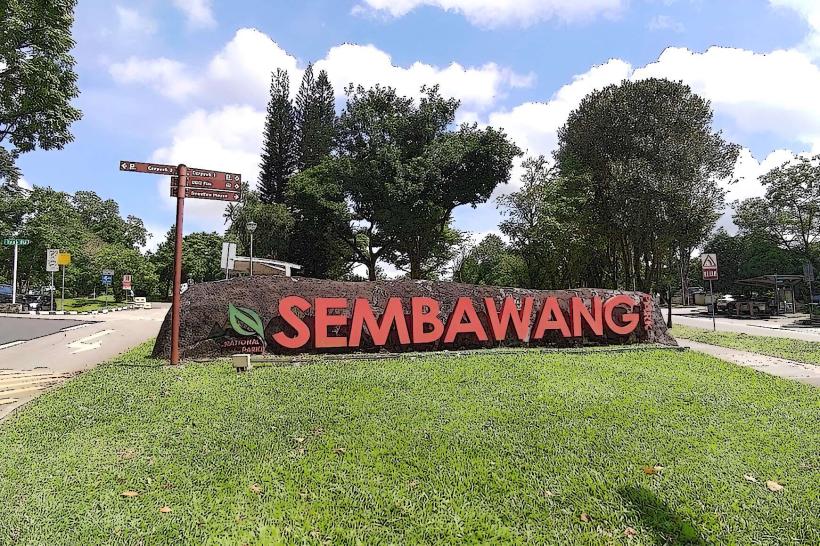
The region is organized into major satellite towns situated along the North-South corridor. The 2 most important districts are Woodlands (the regional center and international transit hub, located North-West) and Sembawang (the maritime and naval hub, located North-Central).
Top City Landmarks
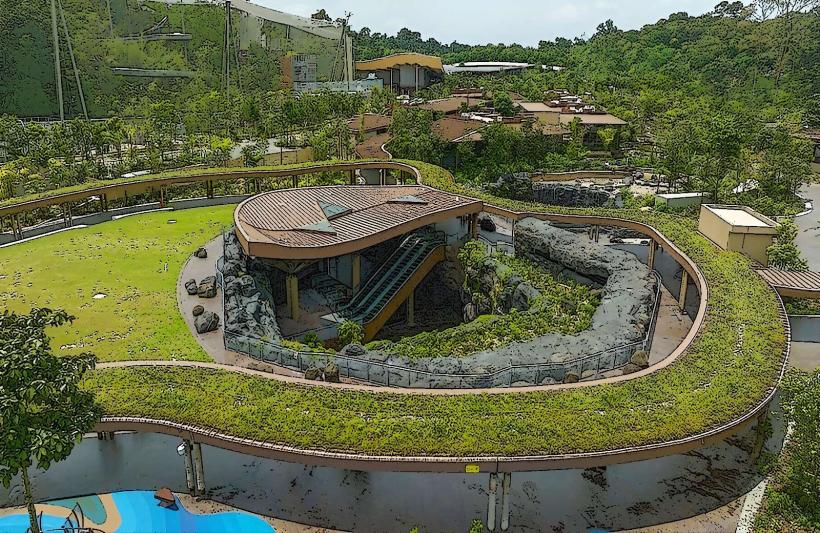
Singapore Zoo / Night Safari / River Wonders / Bird Paradise (Mandai Wildlife Reserve)
Sembawang Hot Spring Park
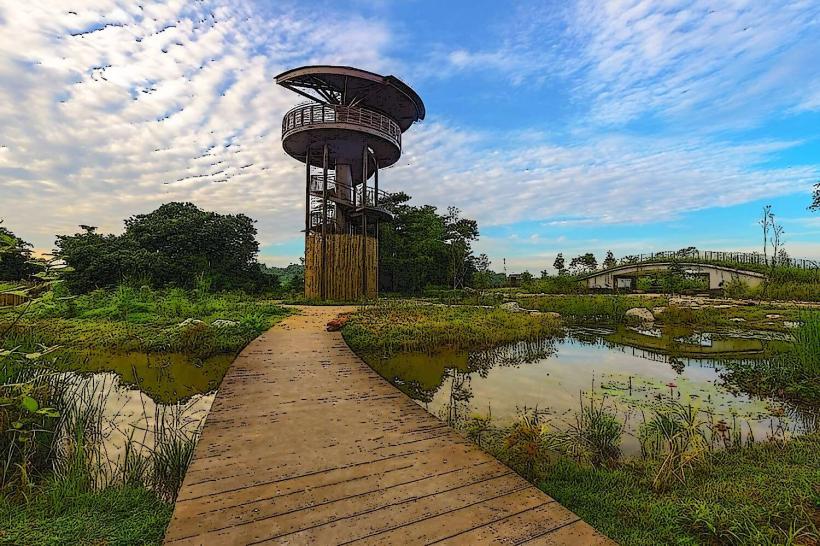
Sungei Buloh Wetland Reserve
Transportation Network
Movement is facilitated by the North-South (Red) and Thomson-East Coast (Brown) MRT lines. The Rapid Transit System (RTS) Link to Johor Bahru is under construction. Public buses are the primary mode for intra-town travel. There is no rail outside the MRT. Grab and Gojek are the dominant ride-hailing services. Traffic density is extreme at the Woodlands Checkpoint, particularly during weekend and holiday periods.
Safety & "Red Zones"
The general safety level is exceptionally high. There are no violent "red zones." Large portions of the region are restricted military zones (MINDEF) and require authorized access. Common scams are primarily digital, often involving "impersonation" or "delivery" phishing targeting the high residential population.
Digital & Financial Infrastructure
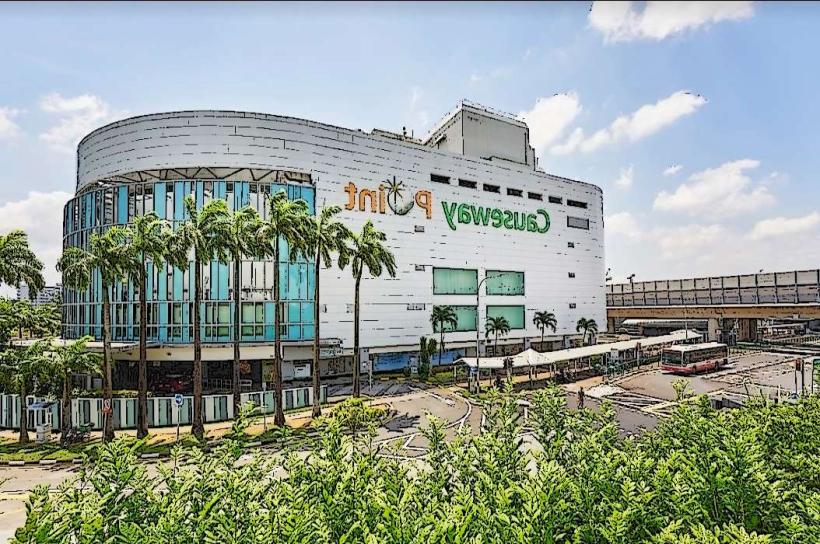
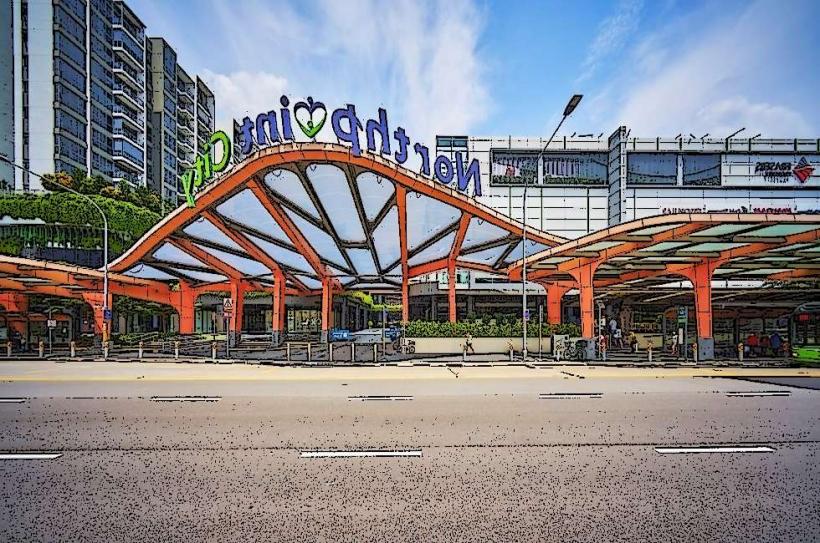
Internet speeds average 300–500 Mbps with universal 5G. Main carriers are Singtel, StarHub, and M1. Card and QR-based payments (PayNow) are universal in malls and major hawker centers. ATMs are high-density in MRT stations and town centers like Causeway Point and Northpoint City.
Climate & Air Quality
The climate is tropical, with temperatures between 25°C and 32°C. Air quality is high due to the proximity of the Central Water Catchment nature reserves. The primary weather risk is flash flooding during the Northeast Monsoon, particularly in the Yishun and Sembawang low-lying areas.
Culture & Social Norms
Tipping is not standard. The North has a more suburban, residential, and family-oriented culture compared to the Central Region. Social discipline is strictly enforced. Dress code is casual, but modest attire is required for religious sites like the Sembawang God of Wealth Temple.
Accommodation Zones
Woodlands: Stay here for proximity to the Causeway and regional shopping amenities.
Yishun: Stay here for access to the Khoo Teck Puat medical hub and Mandai Wildlife Reserve.
Local Cost Index
1 Espresso: 5.50 SGD ($4.10 USD)
1 Standard Lunch (Marsiling Hawker Center): 5.00 SGD ($3.70 USD)
1 MRT Trip (Regional): 1.40 SGD ($1.05 USD)
Nearby Day Trips
Johor Bahru, Malaysia: 1 km via the Causeway (subject to immigration clearance).
Kranji Countryside: 10 km (20 minutes by taxi) for farm visits and local produce.
Pulau Seletar: Accessible via private boat from Punggol/Sembawang for coastal fishing.
Facts & Legends
The Northern Region contains the Mandai Wildlife Reserve, one of the world's most acclaimed zoological destinations. A local legend involves the "Sembawang White Crocodile," a spirit creature said to inhabit the waters near the naval base to protect sailors. A verified historical oddity is that the Sembawang Hot Spring is the only natural hot spring on the main island of Singapore, discovered in 1908 on a pineapple estate.