Information
City: ParnuCountry: Estonia
Continent: Europe
Parnu, Estonia, Europe
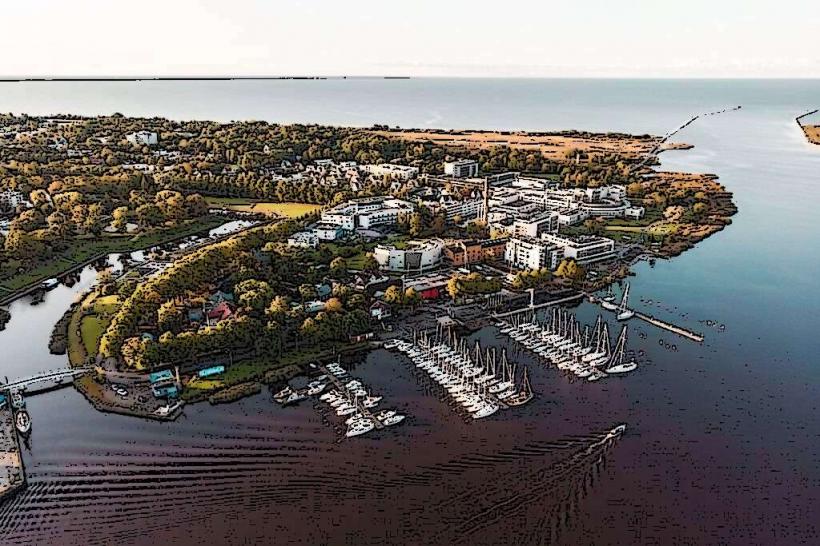
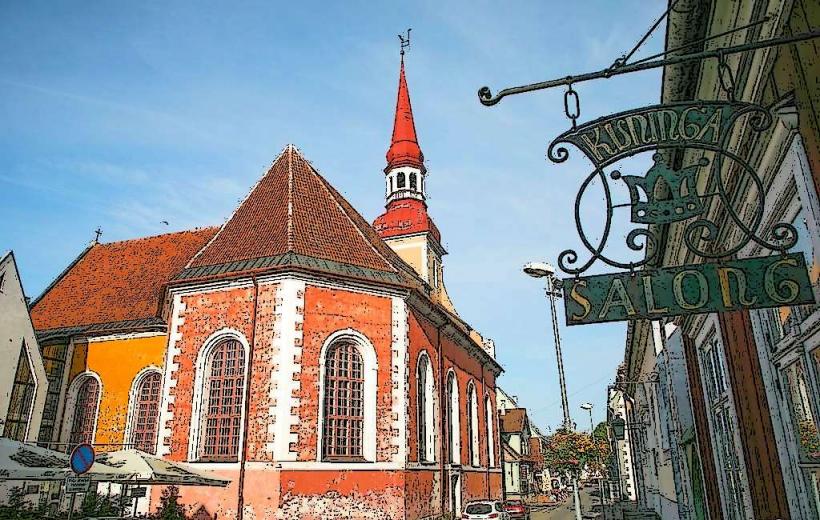
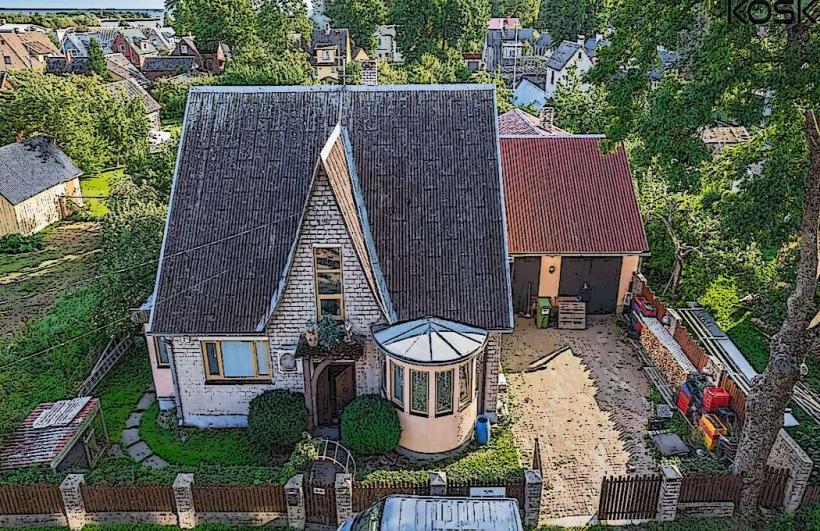
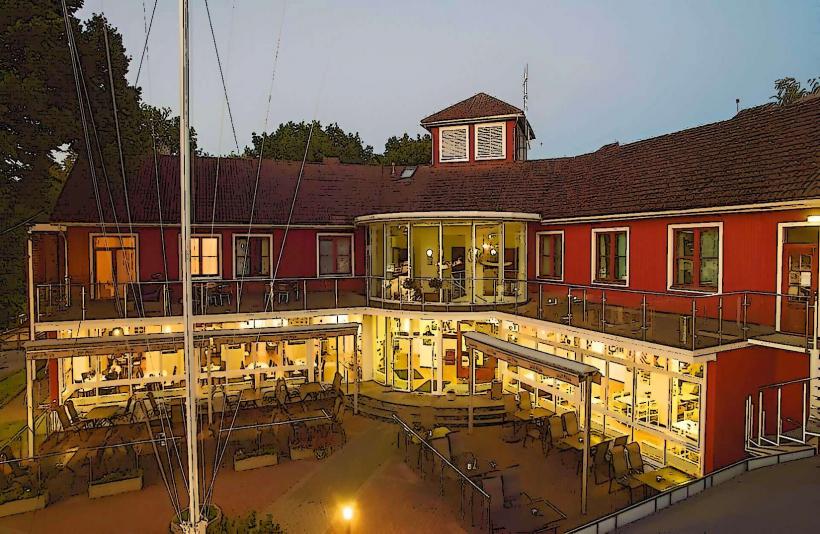
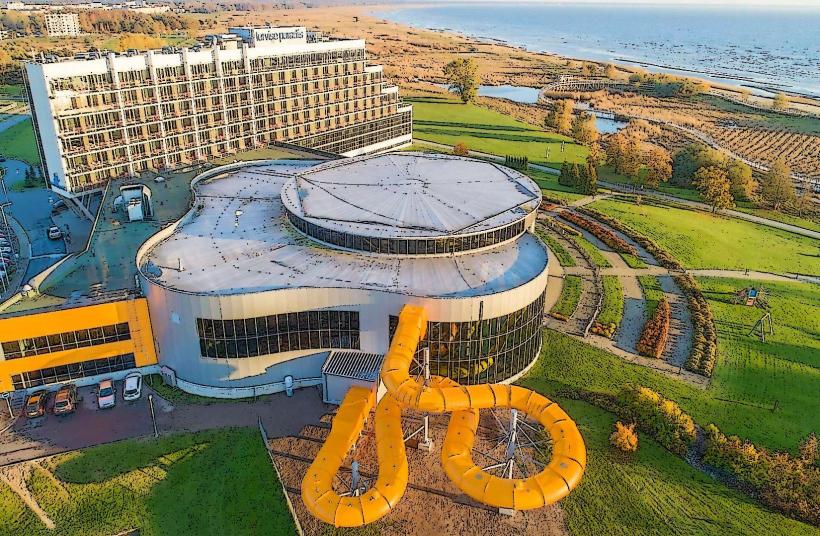
Pärnu serves as the "Summer Capital of Estonia" and the administrative center of Pärnu County. It functions as the nation’s premier health and resort destination, characterized by its shallow sandy bay, extensive parkways, and 19th-century timber villa architecture.
Historical Timeline
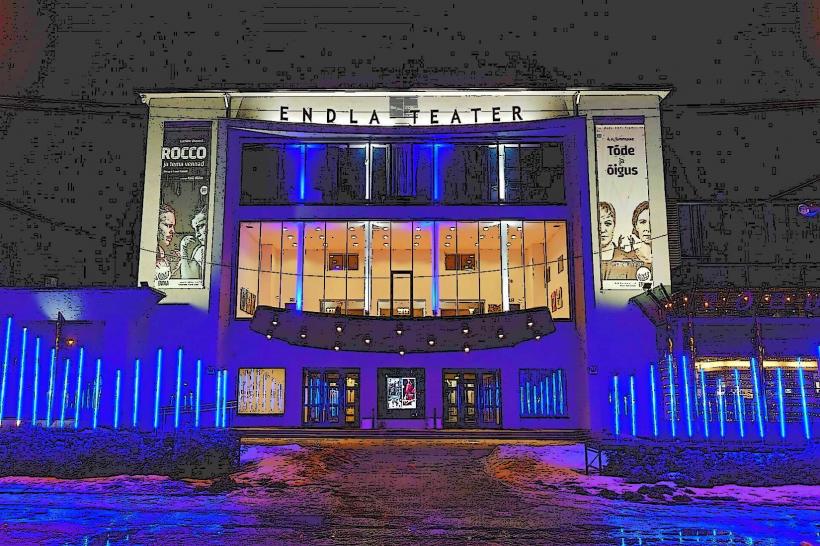
Founded in 1251 by the Teutonic Order, Pärnu became a wealthy Hanseatic trade port. The primary event shaping its modern status was the 1838 opening of the first bathing establishment, which pivoted the city from a fortress town to a high-end European spa resort. In 1918, the Manifesto to the Peoples of Estonia (the declaration of independence) was first read publicly from the balcony of the Endla Theatre in Pärnu.
Demographics & Population
The population is approximately 41,000 (2026 estimate). The demographic undergoes massive seasonal fluctuations; during July and August, the population effectively doubles with Finnish, Swedish, and domestic Estonian tourists.
Urban Layout & Key Districts
The city is situated at the mouth of the Pärnu River on the Gulf of Riga.
Kesklinn (City Center): The historic and commercial core, featuring the pedestrianized Rüütli Street.
Rannarajoon (Beach District): An upscale area between the center and the sea, dominated by parks, spas, and historic villas.
Vana-Pärnu (Old Pärnu): A quiet residential district on the western bank of the river, marking the original 13th-century settlement site.
Raeküla: A southern district known for its pine forests and proximity to the coastal meadows.
Top City Landmarks
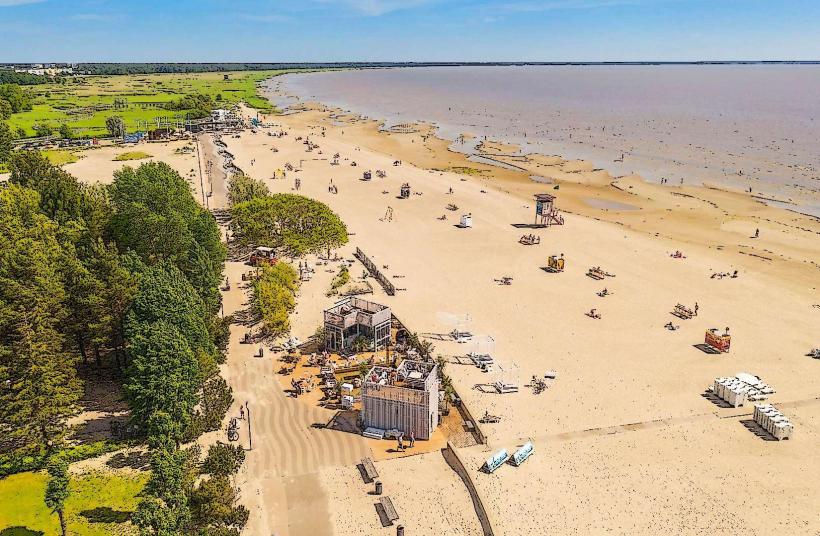
Pärnu Beach: A wide, white-sand beach known for its shallow, warm waters (reaching 25°C in summer).
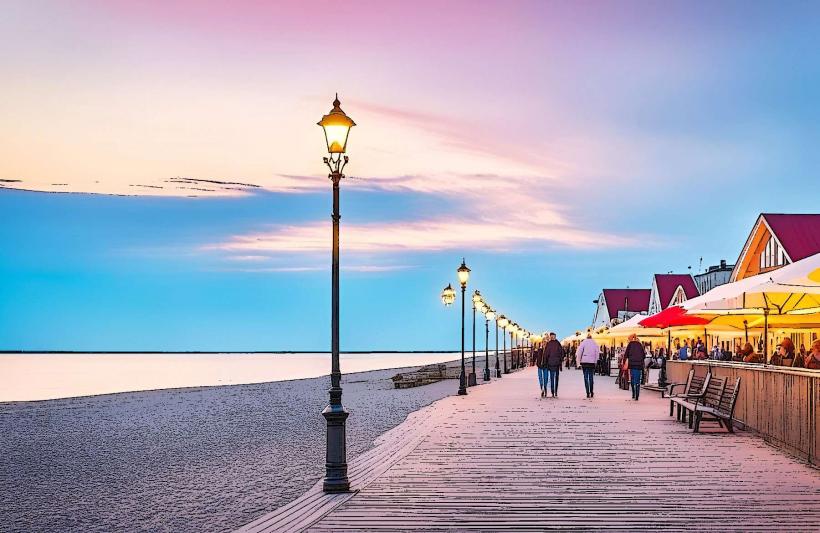
The Beach Promenade: A modern lighted pathway extending along the coast, popular for evening walks and cycling.
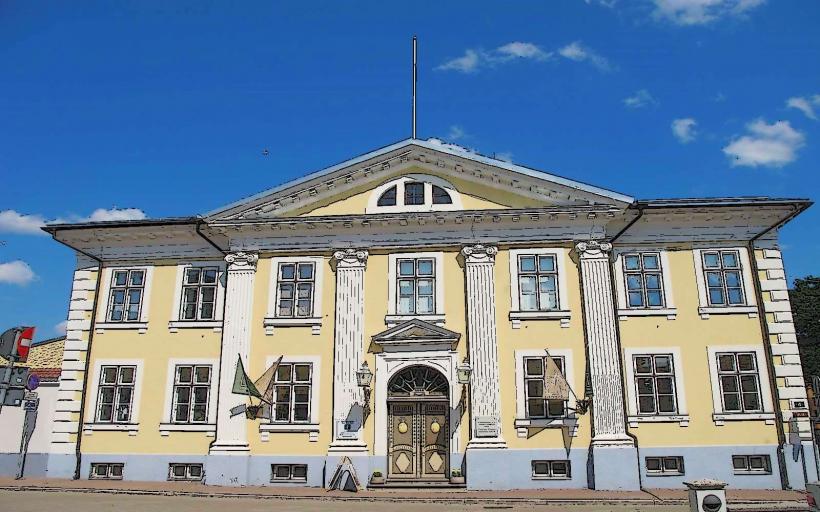
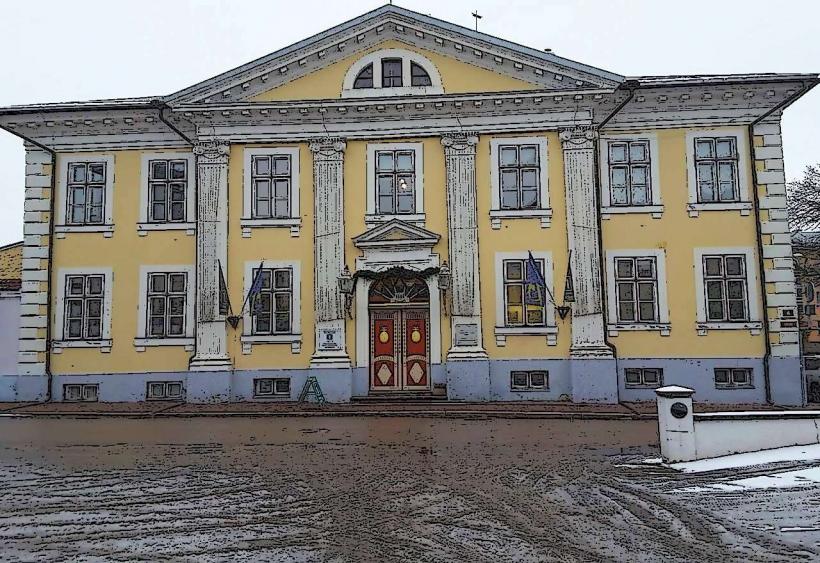
Pärnu Mud Baths (Mudaravila): A neoclassical architectural landmark, now housing a luxury spa.
Tallinn Gate: The only surviving 17th-century Hanseatic-era city gate in the Baltic states.
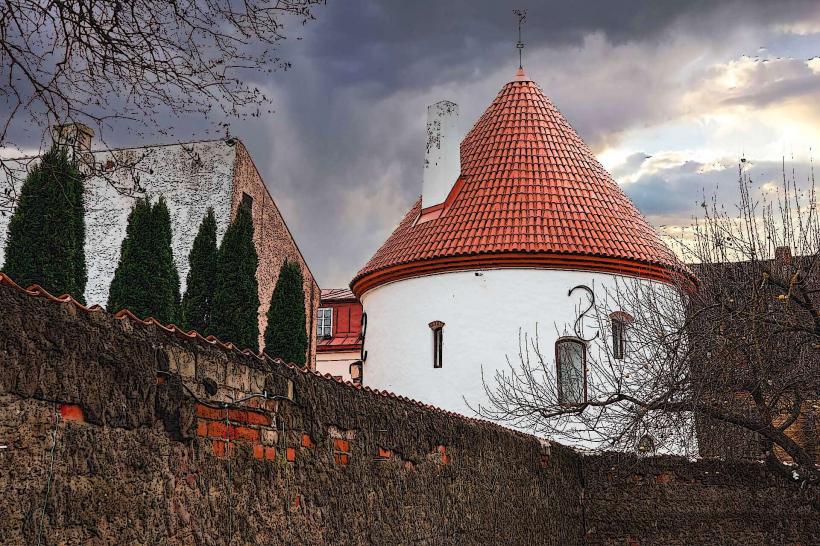
Red Tower (Punane Torn): The oldest architectural relic in Pärnu, a former 15th-century prison tower.
Ammende Villa: One of the best-preserved Art Nouveau timber buildings in Estonia.
Transportation Network
Movement is managed by the Pärnumaa Ühistransport bus system. The city is a major stop on the Via Baltica (E67) highway. Air travel is serviced by Pärnu Airport (PUY), which handles seasonal and regional flights. Rail connections are currently limited; the city awaits the completion of Rail Baltica, which will provide high-speed links to Riga and Tallinn. Most visitors arrive via Lux Express or FlixBus from Tallinn (1.5–2 hours).
Safety & "Red Zones"
The safety level is high. There are no "red zones." During the summer peak, standard urban awareness is required at night in the Beach District due to heavy alcohol consumption in the nightlife sector. Environmental safety is high, though swimmers should heed the flag system at the beach regarding currents and water quality.
Digital & Financial Infrastructure
Average internet speed is 300–1000 Mbps. Pärnu is a center for spa tourism tech and wood processing. The city is virtually cashless. Cards and mobile payments are universal. The Pilet.ee app is the standard for bus transit.
Climate & Air Quality
Temperatures range from -4°C in winter to 23°C in summer. Pärnu often records the highest summer temperatures in Estonia due to its sheltered bay. Air quality is pristine.
Culture & Social Norms
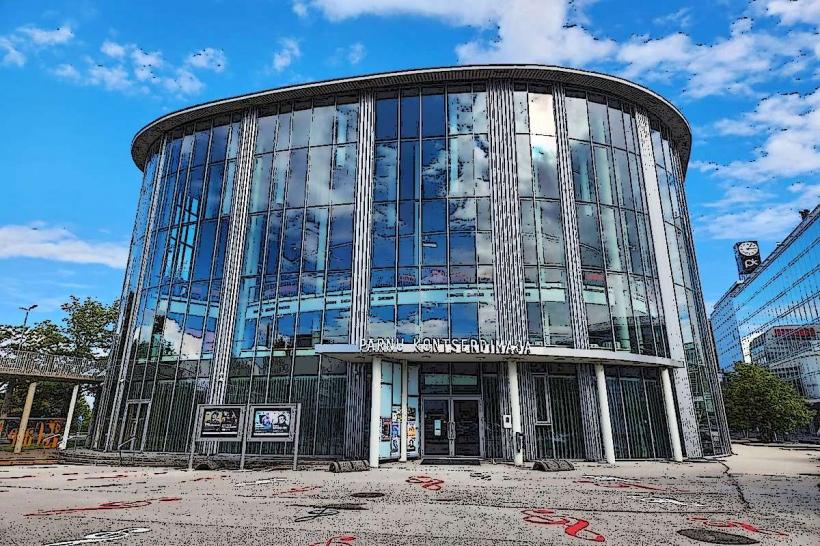
Tipping is not required but 10% is standard for restaurant service. The culture is defined by "Suvitamine" (Summering)-a relaxed, holiday-focused lifestyle. The city is a hub for high-level cultural events, including the Pärnu Music Festival led by Paavo Järvi.
Accommodation Zones
Stay in the Beach District for immediate access to the sea and spas.
Stay in Old Town (Kesklinn) for historic surroundings and nightlife.
Stay in Mai for more affordable, modern apartment rentals.
Local Cost Index
1 Espresso: 2.50 – 4.00 €
1 Standard Lunch (Päevapraad): 7.00 – 10.00 €
1 Pint of Local Beer: 6.00 – 9.00 €
1 Single Bus Ticket (Contactless): 1.50 – 2.00 €
Nearby Day Trips
Kihnu Island: A UNESCO-listed island (accessible via ferry) where traditional culture and "mother-led" society are preserved.
Soomaa National Park: 40 km east; famous for its "fifth season" (spring floods) and bog-shoe hiking.
Valgeranna: 8 km west; a quieter beach with a high-climbing adventure park and pine forests.
Facts & Legends
Local tradition holds that lovers who walk to the end of the Pärnu Mole (Seawall) and kiss there will stay together forever. A verified historical fact is that Pärnu was the temporary home of the University of Tartu (Academia Pernaviensis) from 1699 to 1710 during the Great Northern War.