Information
City: PerpignanCountry: France
Continent: Europe
Perpignan, France, Europe
Perpignan is the capital of the Pyrénées-Orientales department in southern France, located 13 kilometers inland from the Mediterranean coast and 30 kilometers north of the Spanish border. It serves as the historic capital of the Kingdom of Majorca and retains a distinct Catalan cultural identity.
Visual Characteristics
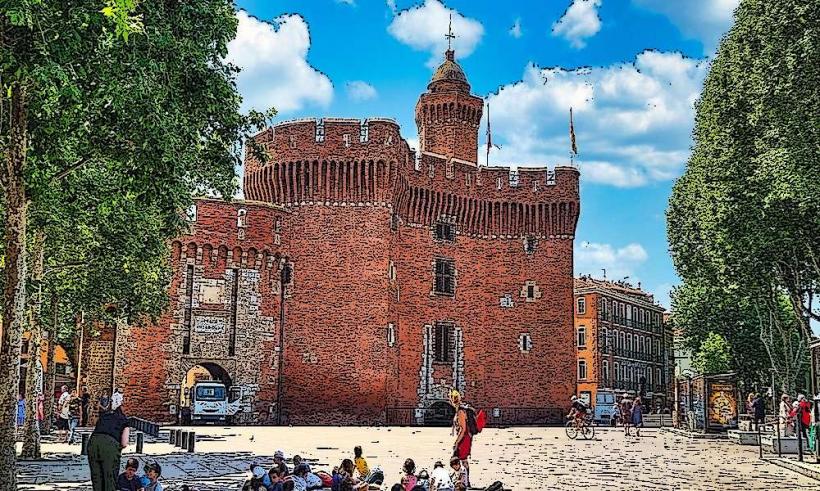
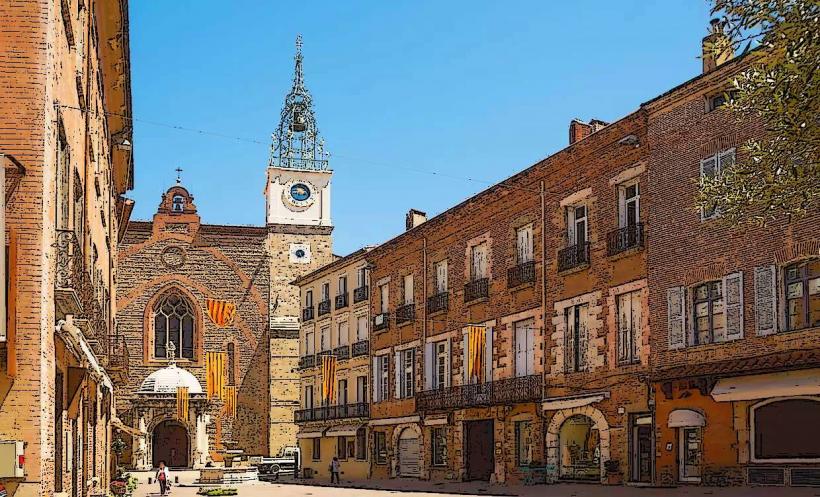
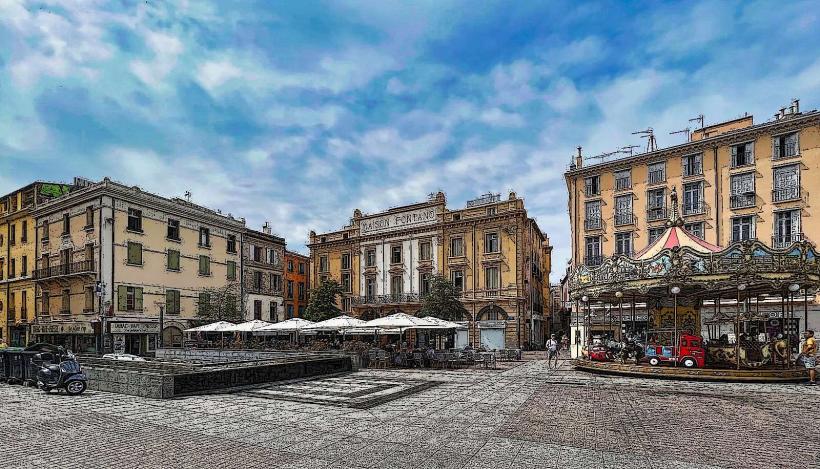
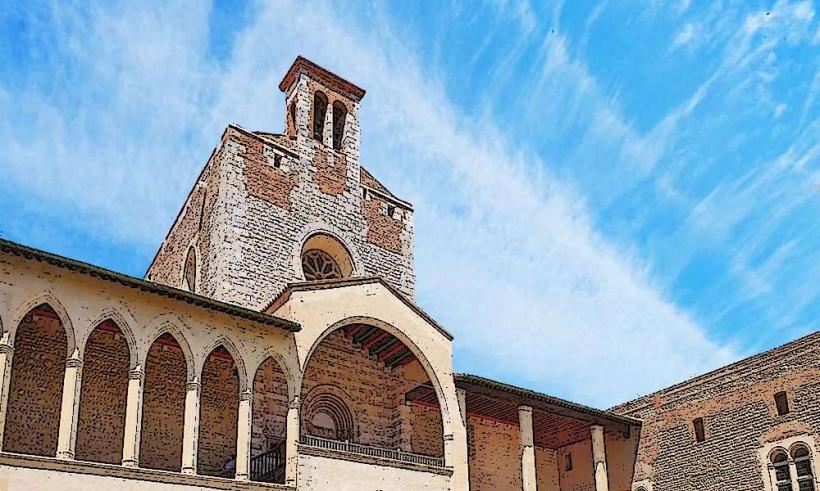
The architectural landscape is defined by the use of "cayrou," a traditional red flat brick, and river stones. The historic center features narrow, winding streets and expansive plazas like Place de la République. Dominant structures include the Castillet, a 14th-century red-brick defensive gate, and the Palais des Rois de Majorque, a massive Gothic fortress built of stone and brick with high ramparts. The city is noted for its palm-lined boulevards and the presence of the Basse River flowing through the urban core.
Location & Access Logistics
Perpignan is situated on the Roussillon plain, bordered by the Corbières Massif to the north and the Pyrenees to the south. It is served by the Perpignan-Rivesaltes Airport (PGF), 5 kilometers north. The Gare de Perpignan provides high-speed TGV and AVE rail links to Paris (5 hours) and Barcelona (1 hour 20 minutes). Local transit is managed by the Sankéo network, featuring buses and a shuttle service. Vehicle parking is concentrated in underground facilities at Place Catalogne and the Arago lot.
Historical & Ecological Origin
Originally a settlement on the Tet River, Perpignan became the continental capital of the Kingdom of Majorca in the 13th century, leading to its most significant period of architectural development. It was part of the Crown of Aragon and later Spain before being annexed by France in 1659 under the Treaty of the Pyrenees. Geologically, the city occupies an alluvial plain composed of Pliocene sediments, influenced by the "Tramontane" wind-a strong, dry wind from the northwest.
Key Highlights & Activities
Visitors can access the Palais des Rois de Majorque to view the royal apartments and panoramic vistas from the towers. The Castillet houses a museum of Catalan popular arts and traditions. Walking through the Saint-Jean district allows for viewing of the Cathédrale Saint-Jean-Baptiste, known for its unique river-stone and brick exterior and ornate Gothic interior. Every Thursday during summer, the "Jeudis de Perpignan" features street performances and live music throughout the city center.
Infrastructure & Amenities
The historic core is largely pedestrianized and equipped with public restrooms near the Place de la Victoire and the central market. 5G cellular coverage is universal. The city operates a bike-sharing system called "Bip!" with stations distributed throughout the center. The Halles Vauban provides a permanent indoor food market specializing in regional Catalan products, wines, and seafood.
Best Time to Visit
The climate is Mediterranean, with over 300 days of sunshine. The optimal months are May through October, with average highs between 22°C and 29°C. Photography of the Castillet is best in the late afternoon when the sun emphasizes the red brickwork. The "Visa pour l'Image" international festival of photojournalism occurs in September, utilizing various historic sites for exhibitions.
Facts & Legends
Perpignan is the only major French city where Catalan is still widely recognized and integrated into public signage. A local historical oddity: Salvador Dalí famously declared the Perpignan railway station to be the "Center of the World," claiming it was the site of his most significant creative inspirations. A unique tradition is the "Procession de la Sanch," a solemn religious parade held on Good Friday that has occurred since 1416.
Nearby Landmarks
Le Castillet: 0.1km North of center
Palais des Rois de Majorque: 0.8km South
Cathédrale Saint-Jean-Baptiste: 0.3km East
Hôtel de Ville (Town Hall): 0.2km East
Hyacinthe Rigaud Museum: 0.2km South