Information
City: PolotskCountry: Belarus
Continent: Europe
Polotsk, Belarus, Europe
Polotsk serves as the spiritual and historical cradle of Belarus. It functions as a major cultural destination and a regional center within the Vitebsk Region, characterized by its position as the oldest city in the country, its high density of 11th–18th century monuments, and its status as the geographic center of Europe.
Historical Timeline
First mentioned in the Primary Chronicle in 862. It was the capital of the powerful Polotsk Principality, the first organized state on Belarusian soil. The defining event for its modern identity was its role as a center of Enlightenment and Christianity under figures like Euphrosyne of Polotsk and Francysk Skaryna (the first Belarusian printer). Despite suffering massive damage in the 17th-century wars and WWII, it preserved the core of its ecclesiastical architecture.
Demographics & Population
The population is approximately 80,000 (2026 estimate). The demographic is predominantly ethnic Belarusian. The city is essentially a "twin city" with the nearby industrial center of Navapolack, though Polotsk retains the cultural and historical prestige while Navapolack handles the industrial output.
Urban Layout & Key Districts
The city is situated at the confluence of the Western Dvina and Polota rivers.
Historic Core: Centered around the Upper Castle and the Saint Sophia Cathedral.
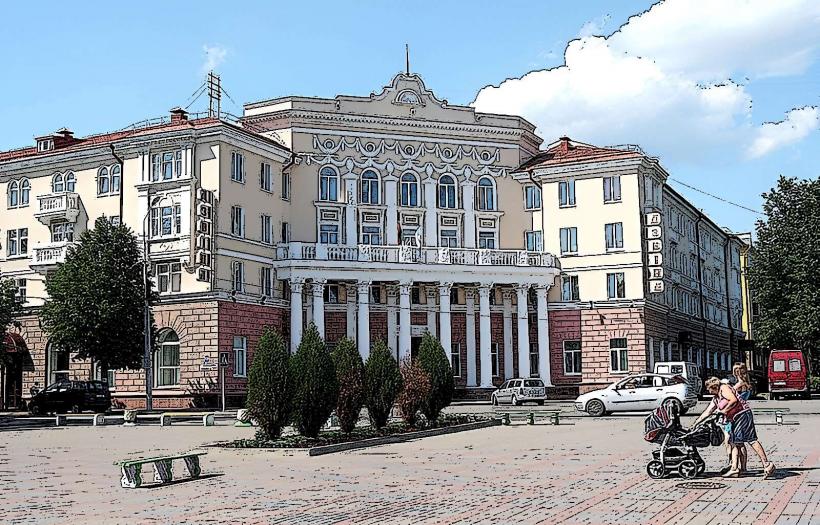
Francysk Skaryna Prospect: The main central boulevard, lined with monuments and 19th-century buildings.
Nizhniy Zamok (Lower Castle): A residential and administrative area featuring the remains of 16th-century fortifications.
Zadavinnie: The district on the left bank of the Western Dvina, offering panoramic views of the historic skyline.
Top City Landmarks
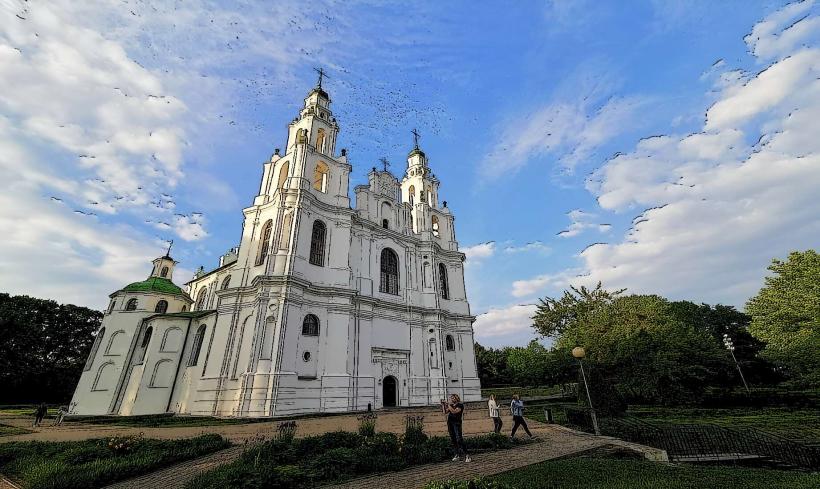
Saint Sophia Cathedral: Originally built between 1044–1066; its current 18th-century Vilnian Baroque exterior hides 11th-century foundations and fragments of original masonry.
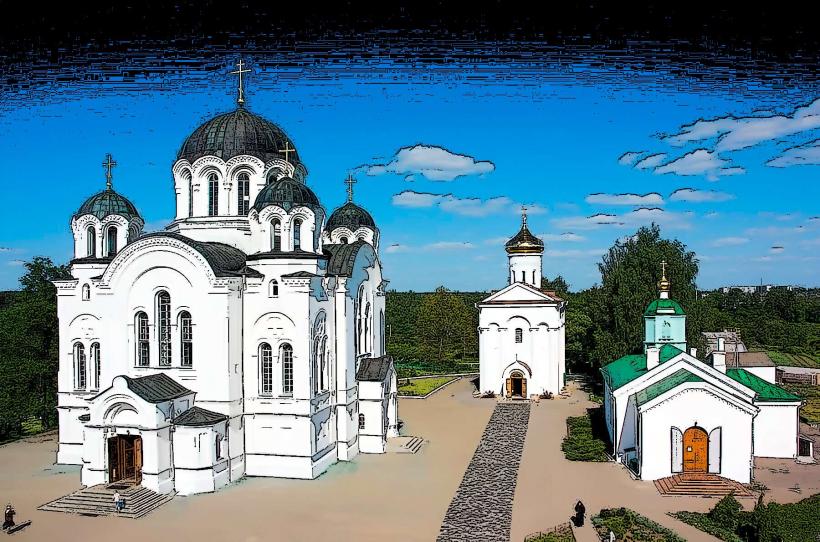
Convent of Saint Euphrosyne: A 12th-century monastic complex housing the Holy Transfiguration Church and the relics of Saint Euphrosyne.
Geographic Center of Europe: A monument marking one of the scientifically calculated midpoints of the European continent.
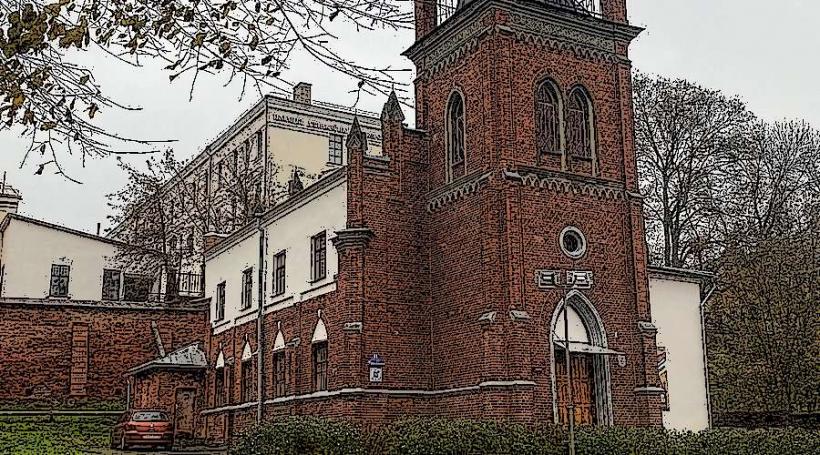
Lutheran Church: A rare red-brick Neo-Gothic building currently housing the Museum of the History of Architecture of Saint Sophia Cathedral.
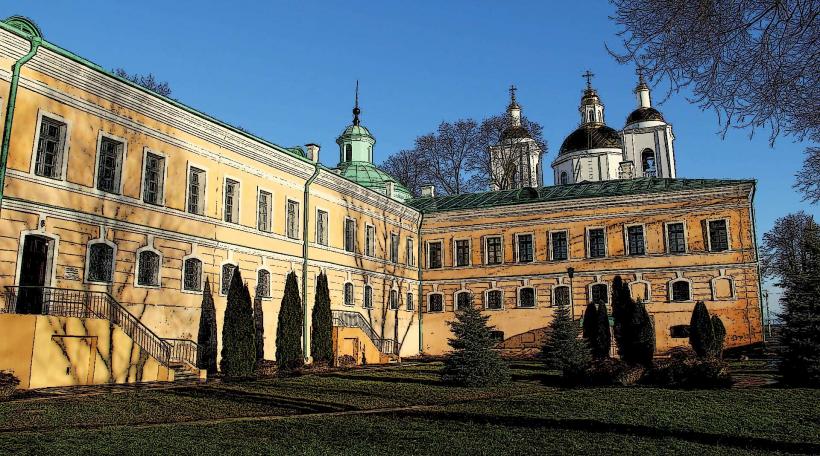
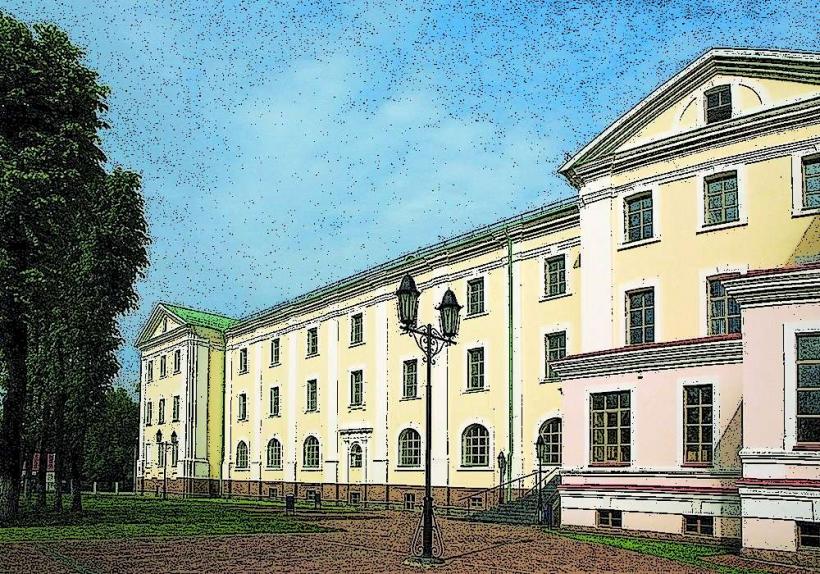
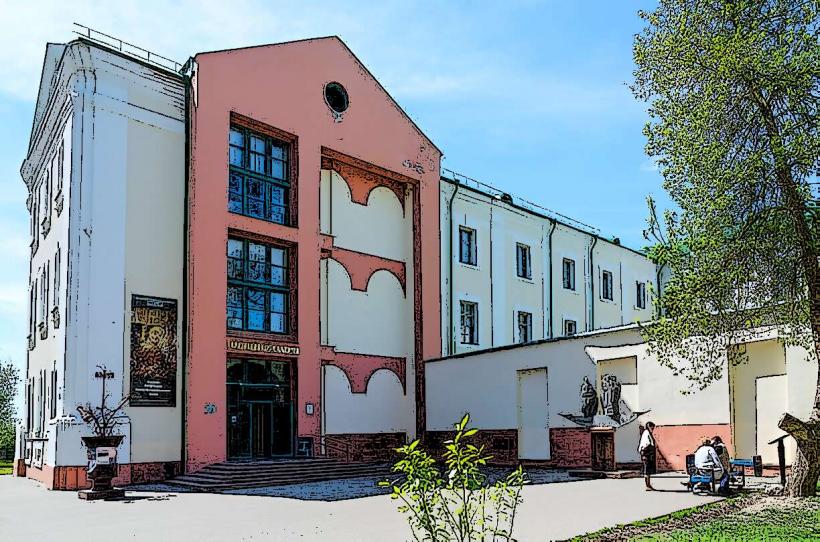
Epiphany Monastery: A Baroque complex housing the Museum of Belarusian Typography and the Museum-Library of Simeon of Polotsk.
Monuments to Francysk Skaryna and the Letter 'Ў': Landmarks celebrating the unique aspects of Belarusian literature and linguistics.
Transportation Network
Polotsk is a secondary railway junction connecting to Vitebsk, Minsk, and Riga. Movement is managed by a network of buses and marshrutkas (minibuses). The city is exceptionally walkable. Navapolack is accessible via frequent 15-minute bus links. No tram or trolleybus systems exist within Polotsk itself.
Safety & "Red Zones"
The safety level is extreme. Polotsk is a quiet, pilgrimage-oriented city. There are no "no-go zones." Standard awareness is sufficient.
Digital & Financial Infrastructure
Average internet speed is 100–300 Mbps. While Navapolack is an oil-refining giant, Polotsk focuses on food processing and glass fiber. The city is largely cashless. Due to international sanctions, only cards issued by non-sanctioned banks or the "Belkart/Mir" systems are reliable.
Climate & Air Quality
Temperatures range from -7°C in winter to 23°C in summer. Air quality is generally high, though it is occasionally influenced by the industrial emissions from the nearby Navapolack oil refinery depending on wind direction.
Culture & Social Norms
The culture is defined by historical reverence. It is the most "patriotic" city in terms of Belarusian national identity. Tipping of 5–10% is customary. Social life revolves around the riverside walks and the high-profile choral concerts held in Saint Sophia Cathedral (known for its world-class acoustics).
Accommodation Zones
Stay in the Historic Center (near Skaryna Prospect) for walking access to all museums and the cathedral.
Local Cost Index
1 Espresso: 3.00 – 4.50 BYN
1 Standard Lunch: 10.00 – 16.00 BYN
1 Pint of Local Beer: 5.50 – 8.50 BYN
1 Public Transport Trip: 0.85 – 0.95 BYN
Nearby Day Trips
Navapolack: 10 km west; a Soviet-planned "ideal city" known for its mid-century modernism and massive oil refinery.
Lake Naroch: 140 km southwest; the largest lake in Belarus and a major resort area.
Rossony: 50 km north; known for the 19th-century "Little Castle" and pristine lakelands.
Facts & Legends
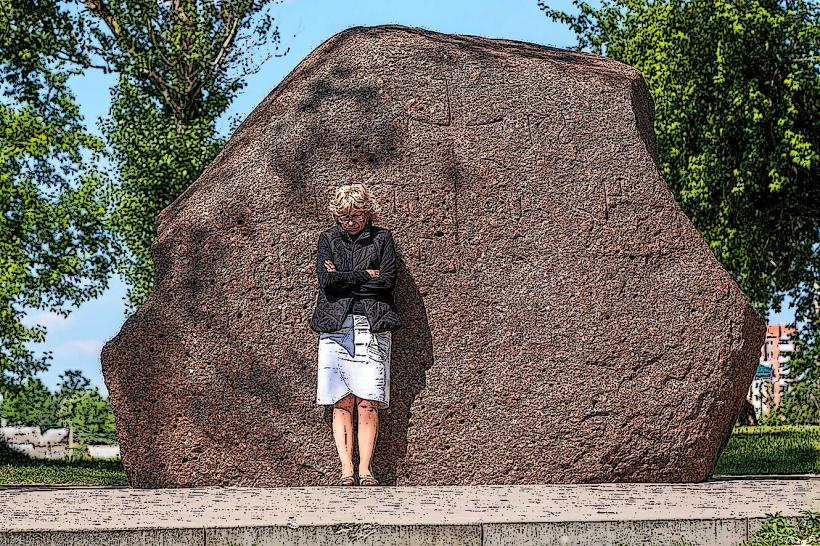
Local tradition claims that the "Boris Stones" (massive boulders with 12th-century inscriptions) found near the cathedral have healing properties. A verified historical fact is that Polotsk was the first city in the Grand Duchy of Lithuania to receive Magdeburg Rights (self-government) in 1498, predating Minsk by a year.