Information
City: PraslinCountry: Seychelles
Continent: Africa
Praslin, Seychelles, Africa
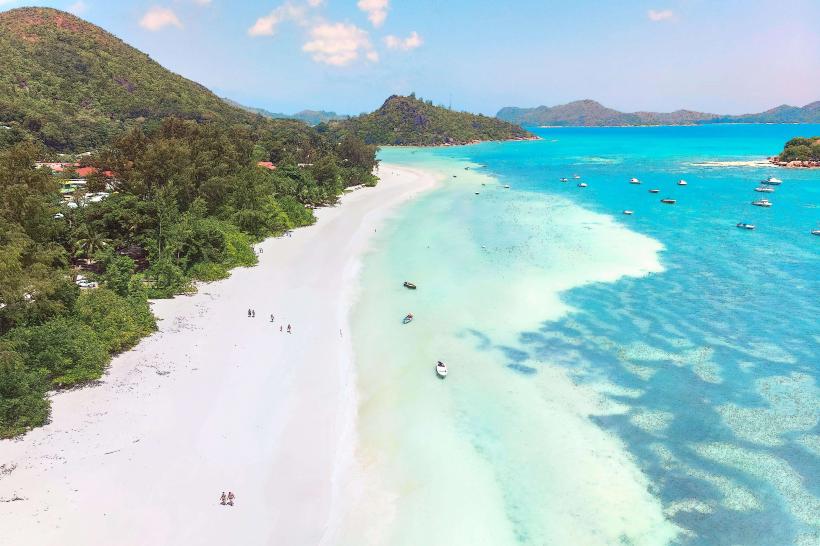
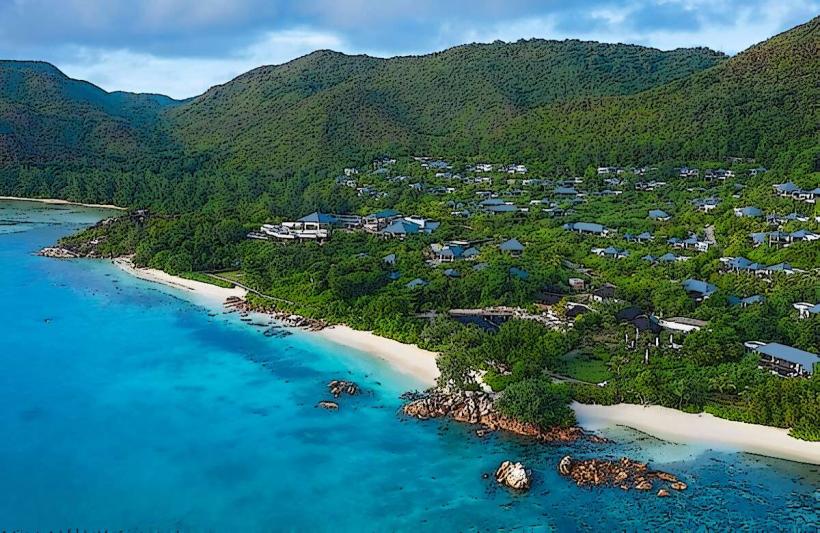
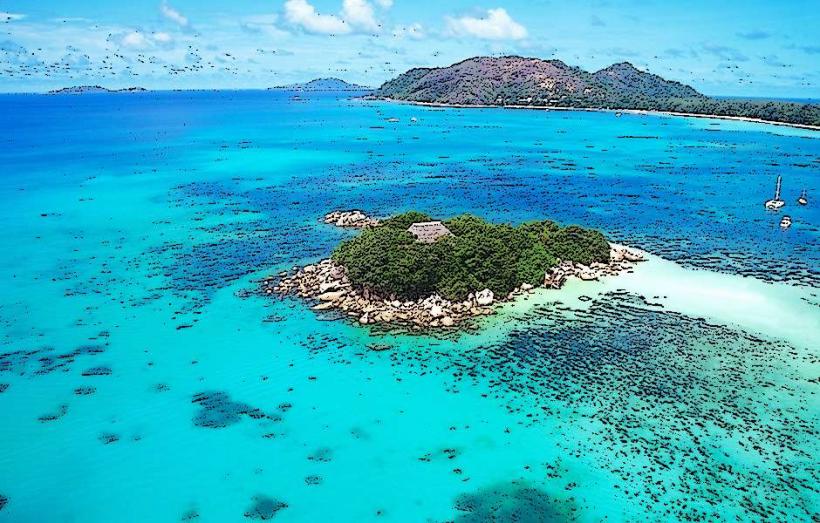
Praslin is the second-largest island in the Seychelles, located 45 km northeast of Mahé. With a population of approximately 9,000, it is less densely populated than Mahé and is characterized by its prehistoric palm forests and world-renowned beaches.
Historical Timeline
1744: Explored by Lazare Picault and originally named "Isle de Palmes" due to its dense vegetation.
1768: Renamed Praslin in honor of the French diplomat, the Duc de Praslin.
1983: The Vallée de Mai was designated a UNESCO World Heritage site to protect the endemic Coco de Mer palm.
2025–2026: Implementation of the "Praslin Sustainability Charter," a localized initiative to limit large-scale resort expansion in favor of eco-boutique developments.
Geography & Key Districts
The island is approximately 12 km long and 5 km wide.
Baie Sainte Anne: The primary port and administrative center. It serves as the arrival point for ferries from Mahé and La Digue.
Grand Anse: The island's secondary hub, located near the airport. It features a long beach and the majority of the island's local shops and services.
Anse Volbert (Côte d'Or): The main tourism precinct, offering a wide variety of hotels, restaurants, and water sports centers.
Top Landmarks
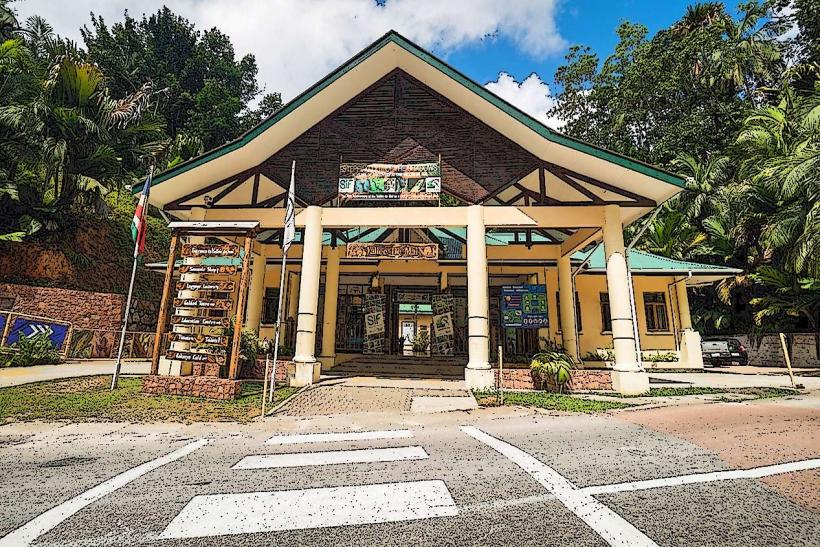
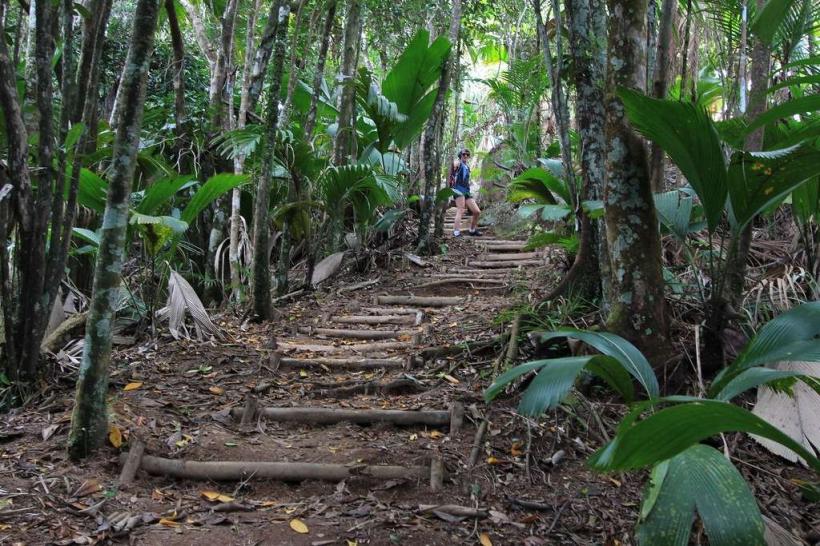
Vallée de Mai Nature Reserve: A primitive forest containing all six endemic Seychelles palm species. It is the primary habitat of the Coco de Mer, which produces the largest and heaviest seed in the plant kingdom.
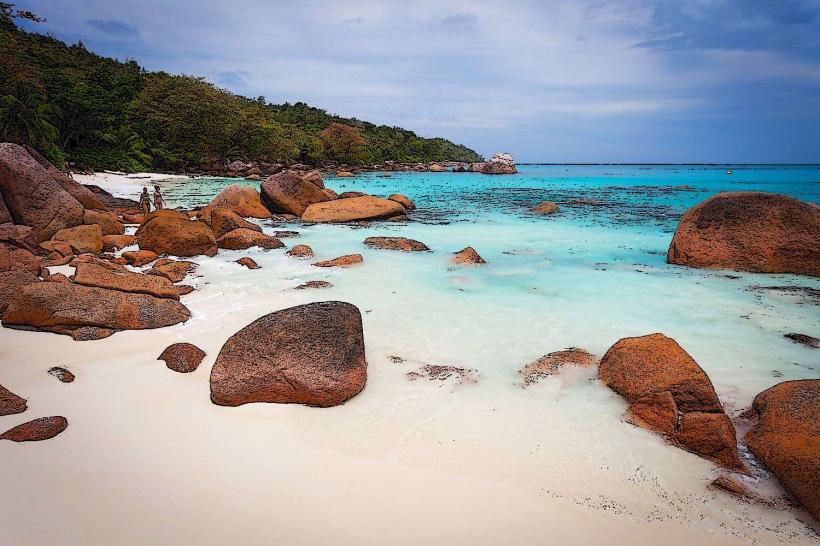
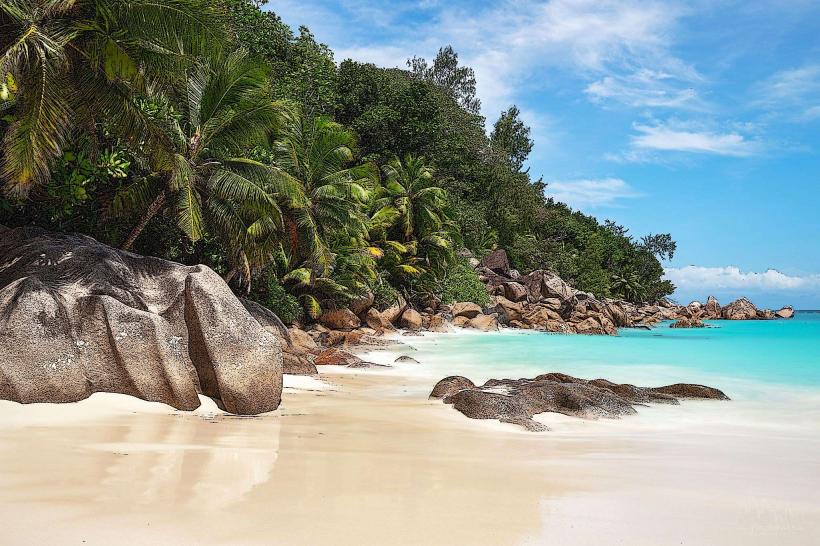
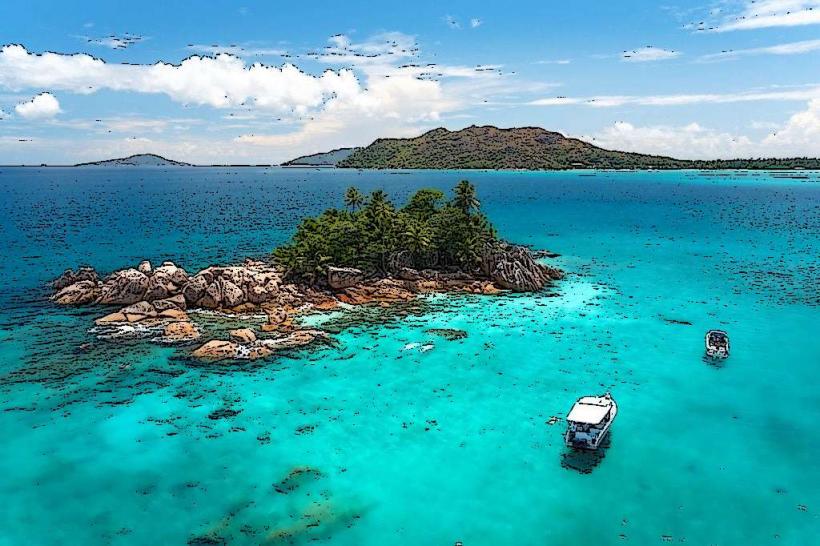
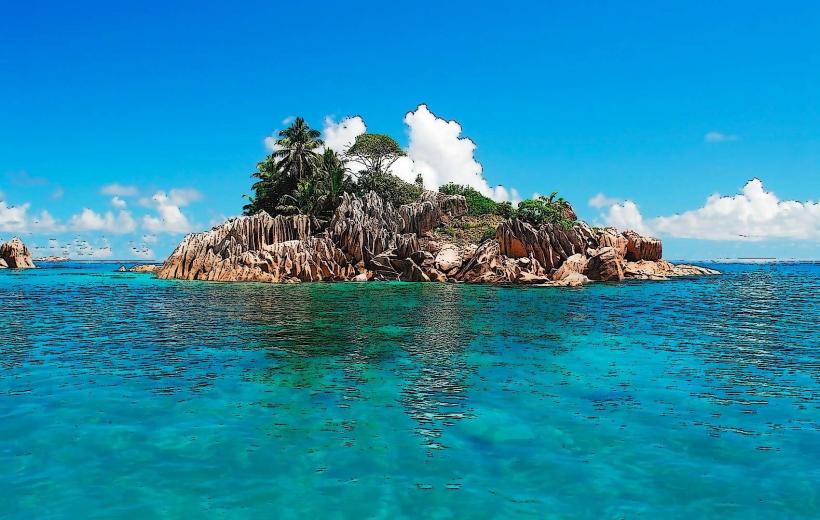
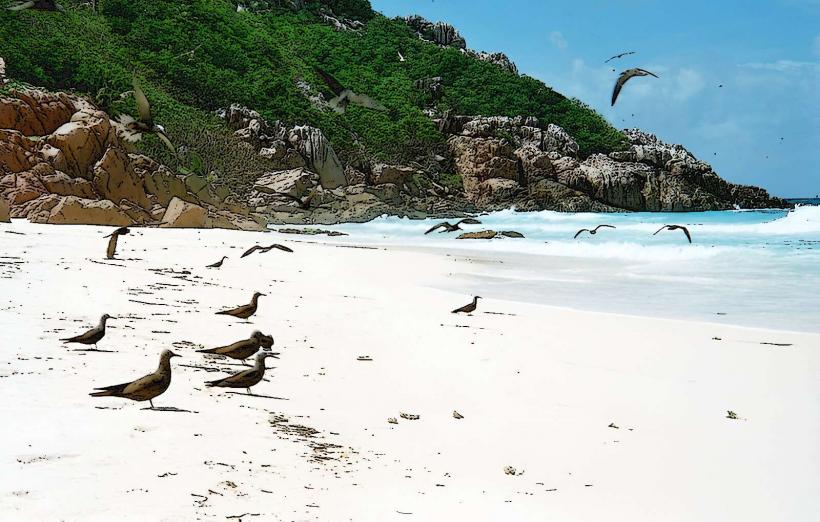
Anse Lazio: Frequently ranked among the world’s top ten beaches, located at the northern tip of the island. It is defined by its turquoise water and massive granite boulders.
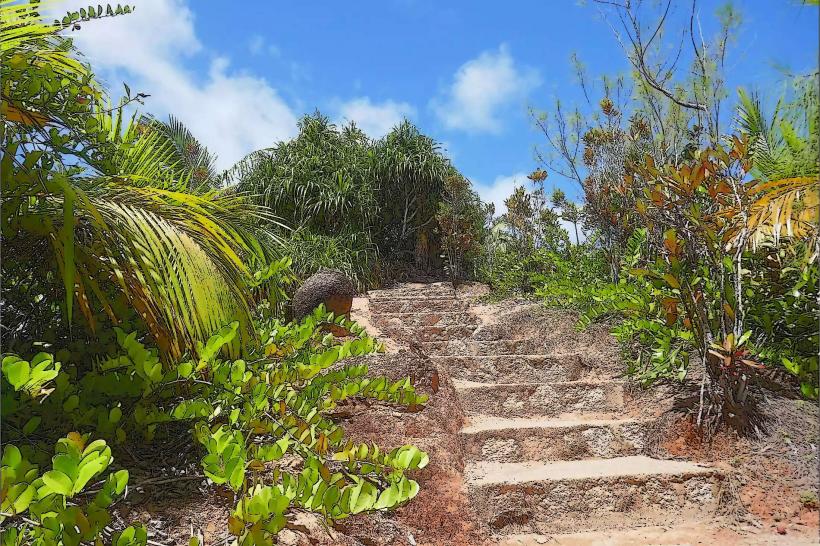
Anse Georgette: An exclusive, pristine beach accessible either by hiking from Anse Lazio or via the Constance Lemuria Resort (reservation required).
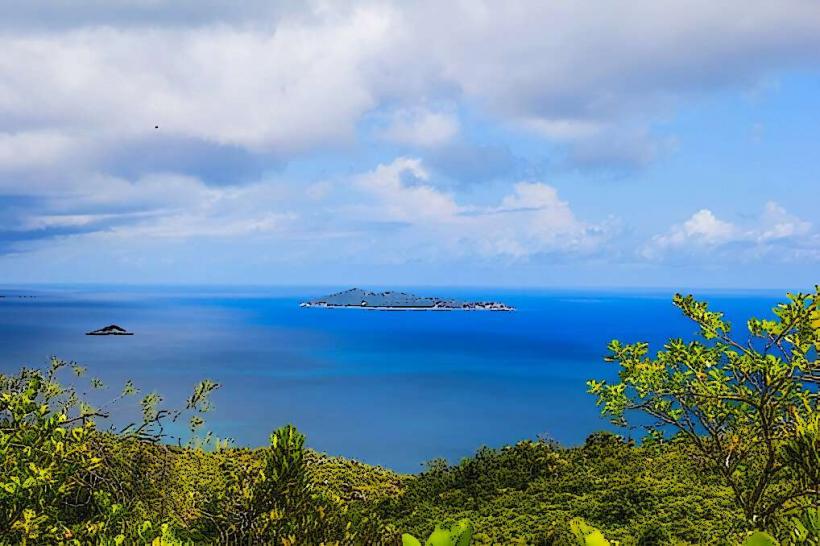
Fond Ferdinand Nature Reserve: A larger and more affordable alternative to Vallée de Mai, offering elevated views of the neighboring islands.
Transportation Network
Air: Praslin Island Airport (PRI) at Grand Anse handles roughly 30 domestic flights per day to/from Mahé via Air Seychelles (20-minute flight).
Sea: High-speed catamarans (Cat Cocos) connect Baie Sainte Anne to Victoria (1 hour) and La Digue (15 minutes).
Road: The island has a main circular road. While driving is manageable, the road through the Vallée de Mai is steep and winding.
Public Transport: An efficient bus service operates across the island with two main routes: one via the coast and one through the central mountains.
Safety & Health
Marine Safety: Anse Lazio and Anse Georgette can experience strong undercurrents. While rare, these beaches have a history of shark sightings; swimming is advised within the designated safe zones.
Theft: Petty theft from rental cars at trailheads and secluded beaches is a known issue. Do not leave valuables unattended.
Mosquitoes: Biting midges (sandflies) are common on some beaches, particularly during the late afternoon.
Digital & Financial Infrastructure
4G/5G coverage is excellent across the main coastal settlements. ATMs are available at the airport, Baie Sainte Anne, and Grand Anse. The Seychellois Rupee (SCR) is the standard currency, though most tourist establishments are cashless-preferred (Visa/Mastercard).
Climate & Ecology
Climate: Tropical marine. The northwest monsoon (November–March) brings more rain, while the southeast trade winds (May–September) are drier but can bring seaweed to the south-western beaches (Grand Anse).
Fauna: The island is the only place on Earth where the Seychelles Black Parrot can be found in the wild.
Local Cost Index
1 Espresso: ~SCR 60 ($4.50)
1 Entry to Vallée de Mai: ~SCR 450 ($34.00)
1 Car Rental (per day): ~SCR 800 – 1,200 ($60 – $90)
Facts & Legends
A verified botanical fact is that the Coco de Mer palm is dioecious (having separate male and female plants), and its seeds can take up to seven years to mature. Local legend, famously popularized by General Charles Gordon in the 19th century, suggested that the Vallée de Mai was the original site of the Biblical Garden of Eden and the Coco de Mer was the true "Forbidden Fruit."