Information
City: Raa AtollCountry: Maldives
Continent: Asia
Raa Atoll, Maldives, Asia
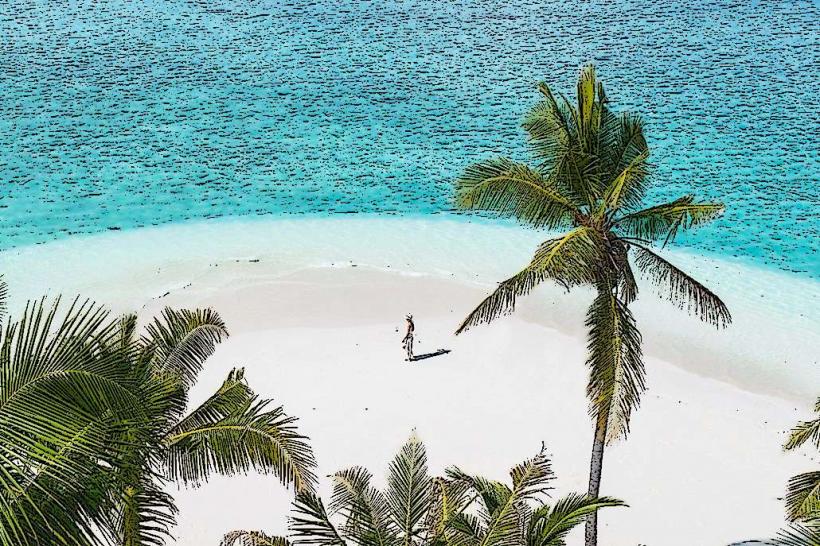
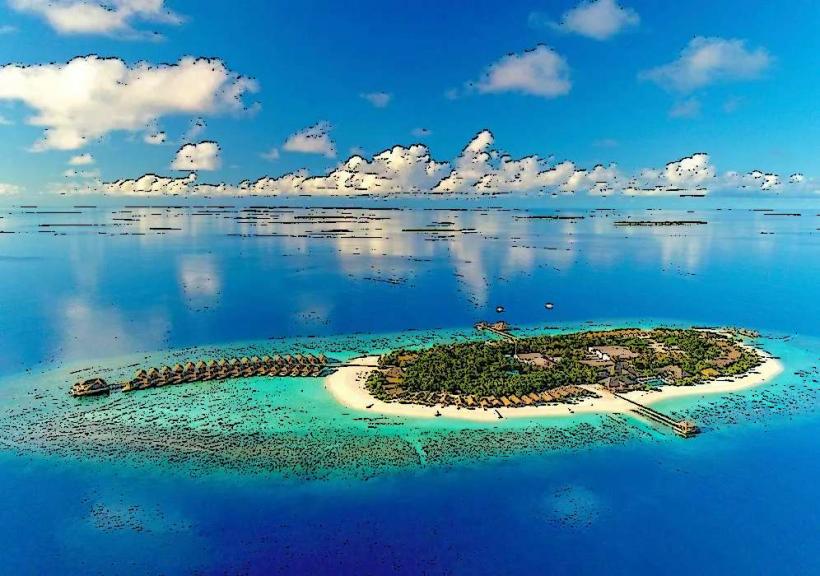
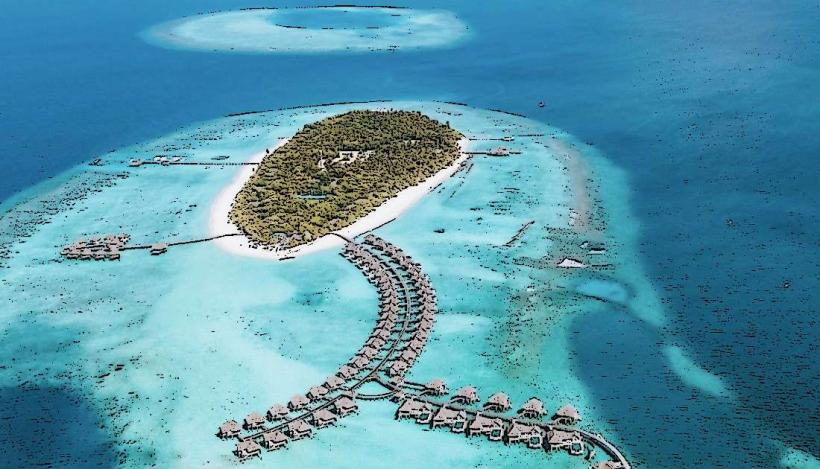
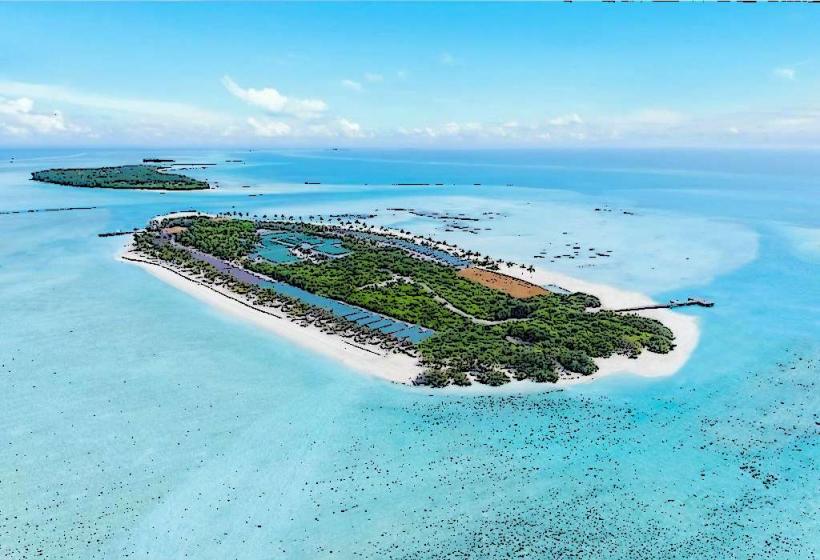
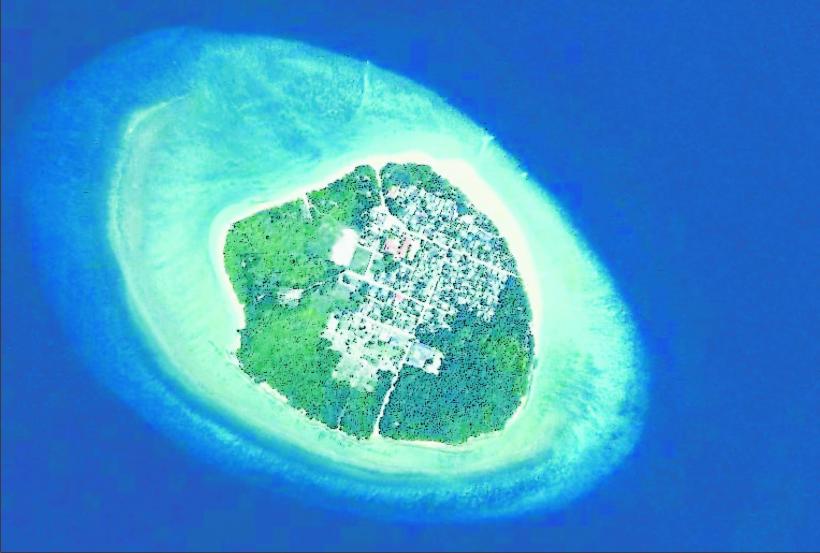
Raa Atoll, also known as North Maalhosmadulu, is located in the northern region of the Maldives. It is separated from Baa Atoll by the Moresby Channel (Hanimadhoo Kandu) and is recognized for its significant historical sites, traditional boat-building industry, and rapid expansion into the ultra-luxury tourism sector.
Historical Timeline
Raa Atoll has been inhabited for over 3,000 years, with several islands containing mounds (hawittas) from the pre-Islamic Buddhist period. In the 16th century, the island of Kandholhudhoo was a strategic center for resistance against Portuguese occupation. For centuries, the atoll was the nation's premier hub for constructing Dhonis (traditional Maldivian boats). In 2004, Kandholhudhoo was completely devastated by the Indian Ocean Tsunami, leading to the total evacuation of its population to the newly reclaimed island of Dhuvaafaru.
Demographics & Population
The population is approximately 16,000 residents across 15 inhabited islands. Ugoofaaru is the administrative capital and serves as one of the primary fishing hubs in the northern Maldives. The demographic is noted for its skilled craftsmen, particularly in carpentry and marine engineering.
Key Islands & Districts
Ugoofaaru: The regional center, featuring one of the largest fishing fleets and the best-equipped hospital in the atoll.
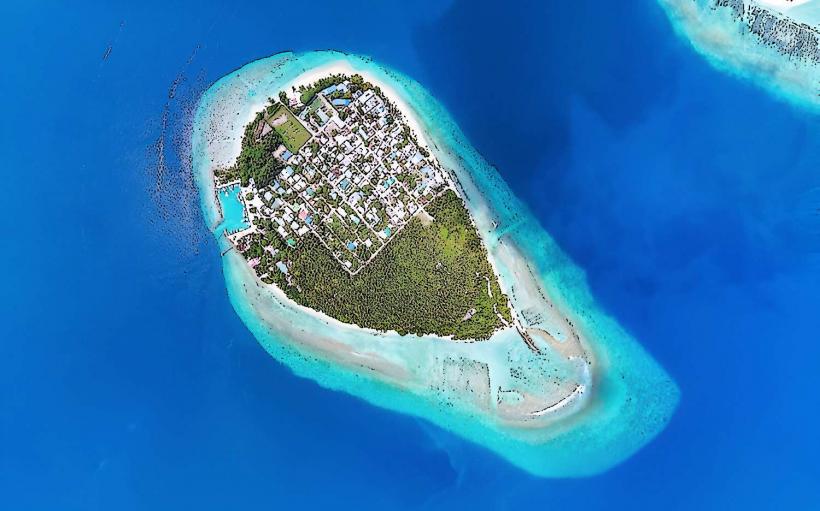
Dhuvaafaru: A modern, planned island created to house the survivors of the 2004 tsunami. It features an urban layout distinct from traditional islands.
Alifushi: Located at the northern tip, it is the historic and current center of Maldivian boat-building excellence.
Meedhoo: One of the oldest inhabited islands, known for its agricultural output and religious scholarship.
Vaadhoo: Famous for the natural phenomenon of bioluminescence.
Top Landmarks & Marine Sites
The "Sea of Stars" (Vaadhoo): A beach where bioluminescent phytoplankton (Lingulodinium polyedrum) creates a glowing blue effect in the surf, typically between June and October.
Kandholhudhoo Ruins: The ghost-town remains of the tsunami-devastated island, serving as a somber memorial.
Labyrinth: A complex dive site near the northern rim featuring deep overhangs, canyons, and a high density of soft corals and batfish.
Fuvahmulah Thila: A deep dive site known for sightings of rare pelagic species, including hammerhead sharks and mola-mola.
Transportation Network
Air: Ifuru Airport (IFU) provides domestic links to Malé. Many resorts utilize Fushifaru or private seaplane platforms.
Sea: Scheduled speedboats connect Malé to Ugoofaaru and Dhuvaafaru (approx. 3 hours). Inter-atoll ferries operate on fixed schedules.
Internal: Most islands are small enough for walking; Dhuvaafaru and Ugoofaaru utilize motorbikes and small vans.
Safety & Environmental Regulations
Coral Protection: Raa Atoll features some of the deepest lagoons in the Maldives; anchoring is strictly controlled to prevent damage to the unique reef structures.
Bioluminescence Etiquette: Visitors to Vaadhoo are encouraged not to use artificial lighting or flash photography to preserve the visibility of the bioluminescence.
Marine Safety: The channels in Raa are wider and can be rougher than those in central atolls; travelers are advised to monitor weather alerts during the monsoon transitions.
Digital & Financial Infrastructure
4G and 5G coverage (Dhiraagu and Ooredoo) is comprehensive. Ugoofaaru and Dhuvaafaru host Bank of Maldives branches and ATMs. Resorts operate on a USD basis, while local islands use Maldivian Rufiyaa (MVR).
Climate & Ecology
Climate: Tropical monsoon. Raa receives slightly higher rainfall than the southern atolls during the Southwest Monsoon.
Ecology: The atoll is characterized by its high number of inner-atoll reefs, which provide shelter for a vast array of macro-life and juvenile reef sharks.
Culture & Social Norms
Dhoni Craftsmanship: Alifushi remains the center of the boat-building trade; witnessing the construction of a large wooden Dhoni is a primary cultural draw.
Dress: Conservative attire is required on all inhabited islands.
Alcohol: Prohibited on local islands; available only on private resort islands.
Local Cost Index
1 Espresso: ~45 MVR ($2.90)
1 Speedboat (Malé to Raa): ~750–1,000 MVR ($48–$65)
1 Traditional Wood Carving: ~500+ MVR ($32+)
Facts & Legends
A verified historical oddity is that the residents of Dhuvaafaru represent one of the few cases in the world where an entire island's population was successfully relocated to a new, purpose-built environment following a natural disaster. Local legend tells of a giant sea serpent that once occupied the deep channel between Raa and Baa, demanding a tribute of silver coins from passing mariners to ensure safe passage.