Information
City: Shaviyani AtollCountry: Maldives
Continent: Asia
Shaviyani Atoll, Maldives, Asia
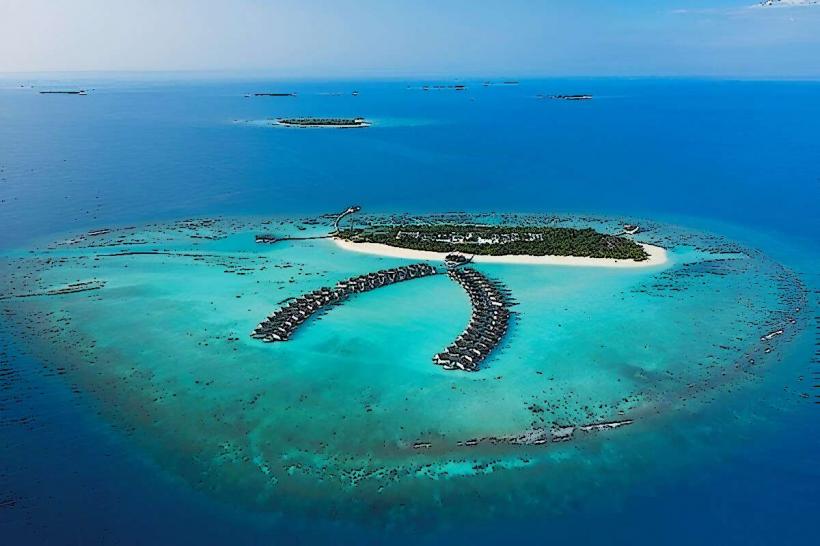
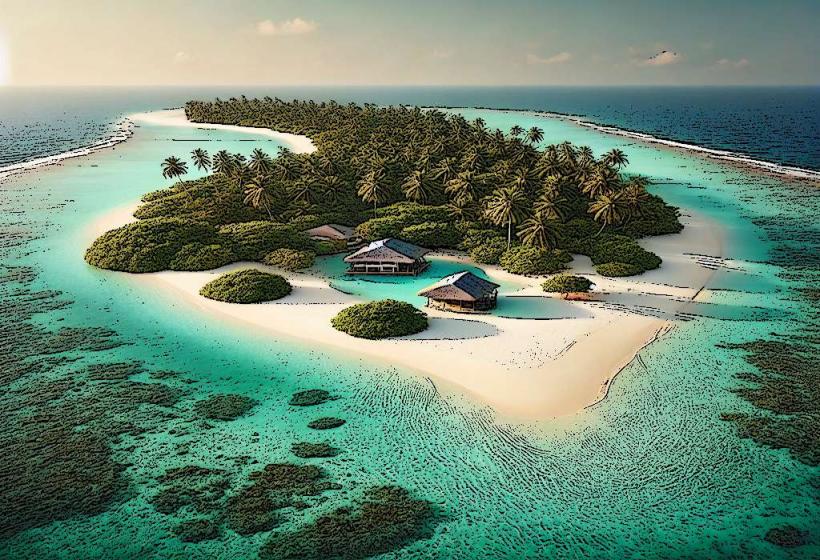
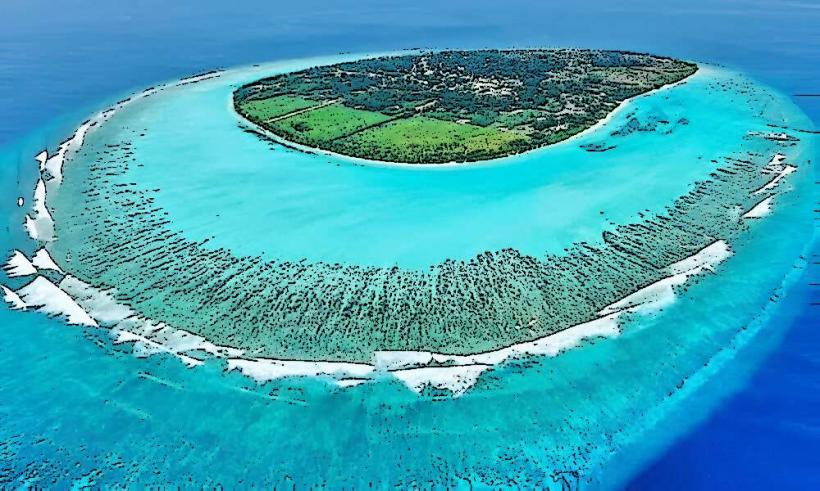
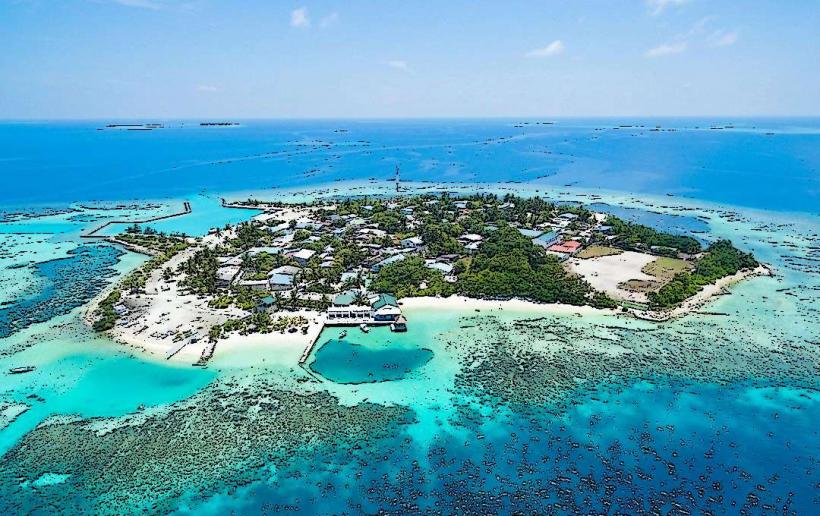
Shaviyani Atoll, also known as North Miladhunmadulu, is located in the northern region of the Maldives. It is a sparsely populated atoll, characterized by its large lagoons and historical significance as a site of resistance against colonial powers.
Historical Timeline
The atoll holds a prominent place in Maldivian history due to the island of Kanditheemu, where the oldest known example of Thaana (the modern Maldivian script) was found inscribed on a mosque door frame, dating back to 1588. In the 16th century, the atoll’s residents were instrumental in supporting Muhammad Thakurufaanu Al Auzam in his successful guerrilla war against Portuguese occupation. Until the late 20th century, the atoll remained isolated and focused on traditional fishing and agriculture.
Demographics & Population
The population is approximately 13,000, distributed across 14 inhabited islands. Funadhoo is the administrative capital. The residents are historically known for their expertise in weaving and coconut palm-based crafts.
Key Islands & Districts
Funadhoo: The regional capital and primary hub for education and government services. It is a long, narrow island with a large lagoon.
Kanditheemu: A significant historical site containing the 16th-century mosque that houses the earliest Thaana inscriptions.
Milandhoo: One of the most populous islands, known for its extensive agricultural production and lush interior.
Narudhoo: A quiet, traditional island featuring a rare freshwater lake in its center.
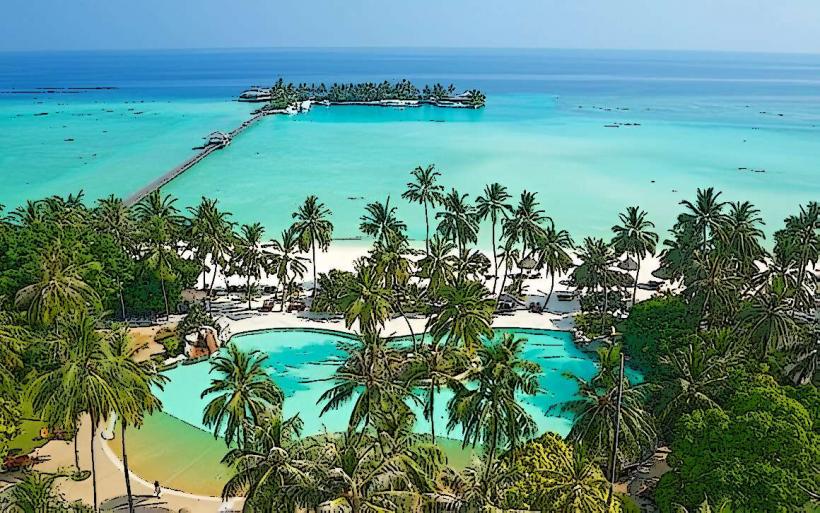
Komandoo: Originally a fishing village, it now serves as a gateway to the atoll's burgeoning luxury tourism sector.
Top Landmarks & Marine Sites
Kanditheemu Miskiy: The historical mosque housing the earliest known Thaana script.
The Coralarium: Located at the Fairmont Maldives Sirru Fen Fushi, this is the Maldives' first semi-submerged tidal art gallery and artificial reef.
Bodu Giri: A massive inner-atoll reef known for its diverse hard coral formations and sightings of grey reef sharks.
Napoleon Corner: A dive site on the western rim named for its high concentration of large Napoleon wrasses.
Shipwreck of Shaviyani: An unidentified wooden hull shipwreck located on the shallow reefs near the atoll's southern channel.
Transportation Network
Air: Funadhoo Airport (FNP) provides domestic flights to Malé (approx. 45 mins). Ifuru Airport in the neighboring Raa Atoll is also used as a transit point.
Sea: Scheduled speedboats connect Funadhoo to Malé (approx. 3.5–4 hours). The voyage is lengthy and depends heavily on sea conditions in the northern channels.
Local: Ferries operate between the inhabited islands, though the schedule is infrequent. Bicycles are the standard mode of transport on the larger islands like Milandhoo.
Safety & Environmental Regulations
Coral Conservation: Shaviyani features some of the largest lagoons in the northern Maldives; anchoring in non-designated areas is strictly prohibited to protect the massive coral colonies.
Marine Hazards: The "Gallandhoo Channel" to the north is known for choppy waters during the monsoon transitions.
Bikini Policy: Since most tourism is restricted to private resorts, modest dress (shoulders and knees covered) is mandatory on all 14 inhabited islands.
Digital & Financial Infrastructure
4G coverage is reliable near the inhabited islands. Bank of Maldives has a branch and ATM in Funadhoo. Financial services on other islands are minimal; the Maldivian Rufiyaa (MVR) is the only accepted currency for local transactions.
Climate & Ecology
Climate: Tropical monsoon. The atoll is more susceptible to the Northeast Monsoon (Iruvai), which brings clear skies and calm seas from November to April.
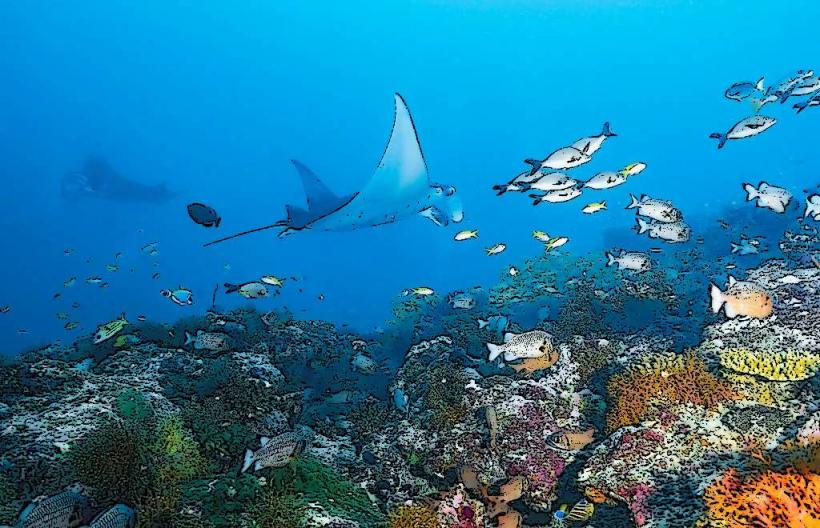
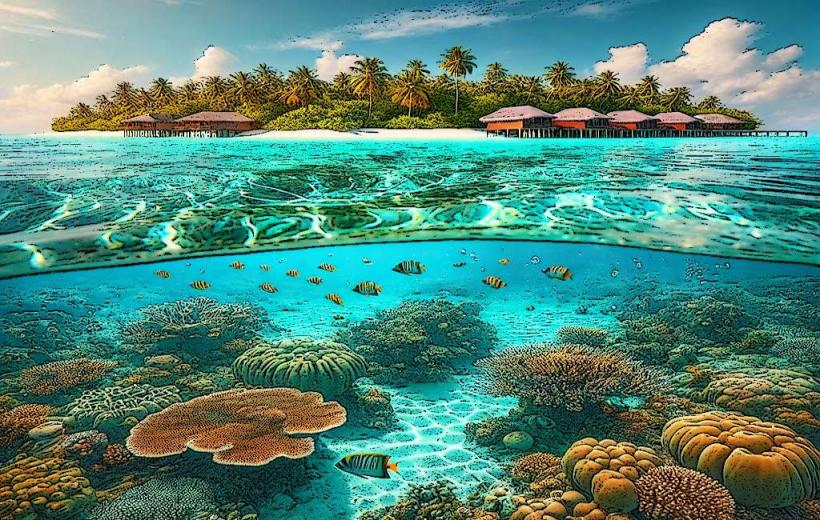
Ecology: The atoll is a critical habitat for Hawksbill turtles. Its large, shallow lagoons serve as nurseries for blacktip reef sharks and various species of rays.
Culture & Social Norms
Thaana Heritage: There is significant local pride in the atoll's role in the development of the national script.
Coir Weaving: The production of roanu (coconut husk rope) remains a traditional cottage industry on several islands.
Dress: Traditional attire (libaas for women) is still commonly seen among the elder population during festive occasions.
Local Cost Index
1 Espresso: ~45 MVR ($2.90)
1 Domestic Flight (One-way): ~1,600–2,800 MVR ($104–$182)
1 Local Boat Hire (Daily): ~1,500 MVR ($97)
Facts & Legends
A verified historical oddity is that the island of Maroshi contains a massive "Kaani" tree (Sea Trumpet) that is over 400 years old, alleged to have been planted by Muhammad Thakurufaanu himself. Local legend tells of a "phantom fleet" seen during the Portuguese war-a mirage of sails that supposedly terrified the colonial navy into retreating from the atoll's shallow waters.