Information
City: SopronCountry: Hungary
Continent: Europe
Sopron, Hungary, Europe
Sopron functions as the primary administrative and cultural center of northwestern Hungary. Located in an enclave surrounded by Austrian territory on three sides, it serves as a critical hub for viticulture, dental tourism, and forestry education. It is defined by its moniker "Civitas Fidelissima" (The Most Loyal City), its unique Poncichter (wine-grower) culture, and its status as the richest Hungarian city in monuments after Budapest.
Historical Timeline
Sopron originated as the Roman city Scarbantia on the Amber Road. The primary era of governance was established in 1277 when it was named a Free Royal Town. The primary event shaping its modern identity was the 1921 Plebiscite, where the population voted to remain part of Hungary rather than join Austria. In 1989, it gained global recognition as the site of the Pan-European Picnic, a pivotal event that triggered the fall of the Iron Curtain.
Demographics & Population
The population is approximately 62,000. The demographic profile is highly bilingual (Hungarian/German) and characterized by a transient international workforce and a large student body at the University of Sopron. Hungarian is the official language.
Urban Layout & Key Districts
The city is structured into a teardrop-shaped medieval core surrounded by a 19th-century ring road.
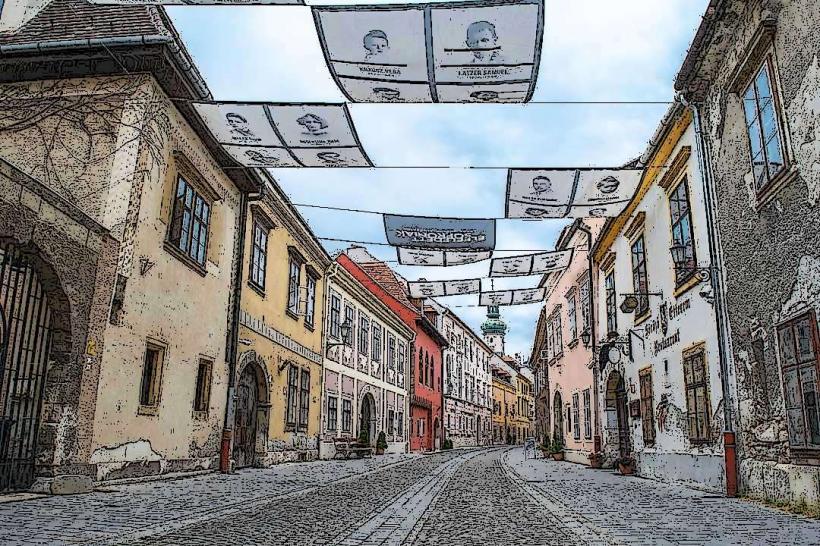
Belváros (Old Town): A specialized historic zone where buildings were built over the ruins of Roman walls.
Várkerület: The primary commercial boulevard following the line of the former castle moat.
Lővérek: A specialized hilly district in the south known for its sub-alpine climate, pine forests, and historic villas.
Sopronbánfalva: A quiet northern district housing the historic Pauline-Carmelite Monastery.
Top City Landmarks
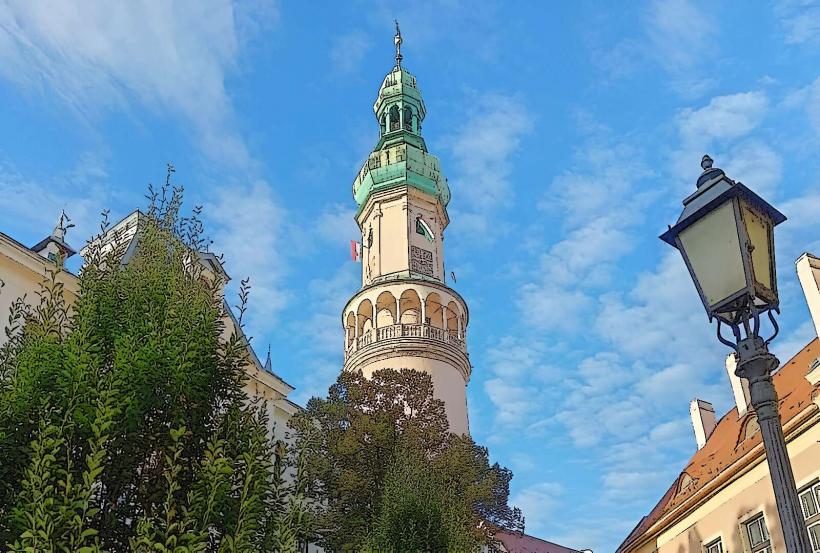
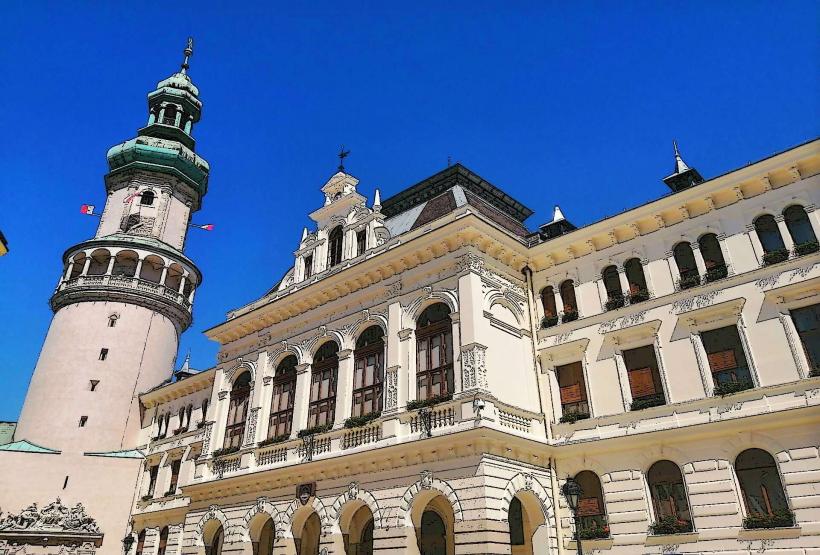
Firewatch Tower (Tűztorony): A 58-meter specialized landmark with Roman foundations, a Renaissance balcony, and a Baroque dome.
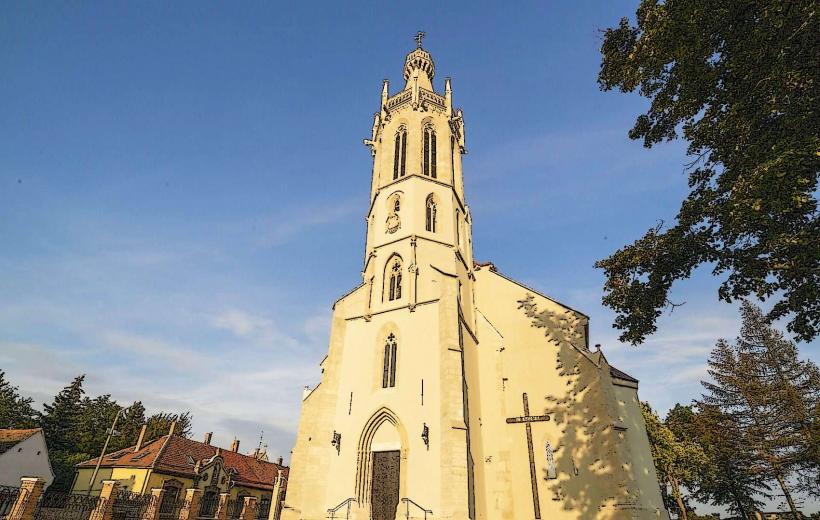
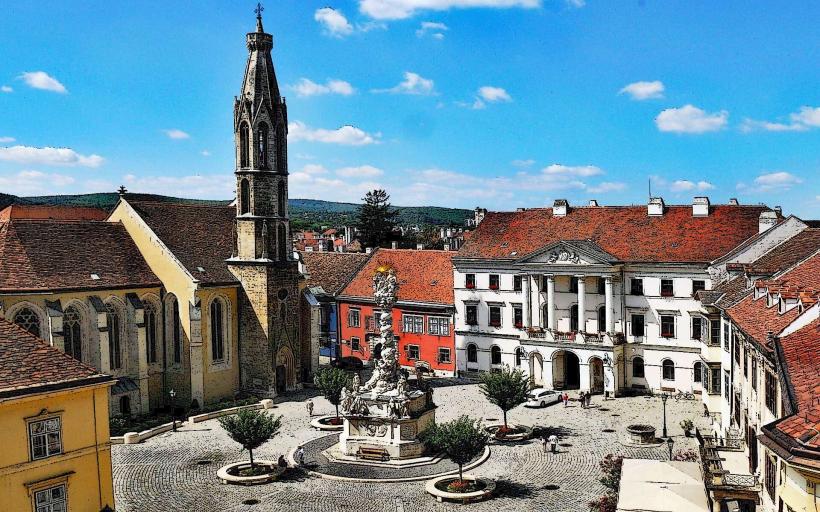
Goat Church (Kecske-templom): A 13th-century Gothic church where Hungarian kings were crowned and several parliaments were held.
Storno House: A specialized Baroque palace housing a private art collection; it once hosted Franz Liszt and King Matthias.
Fabricius House: A specialized Roman-built residence featuring 17th-century interiors and an archaeological lapidary.
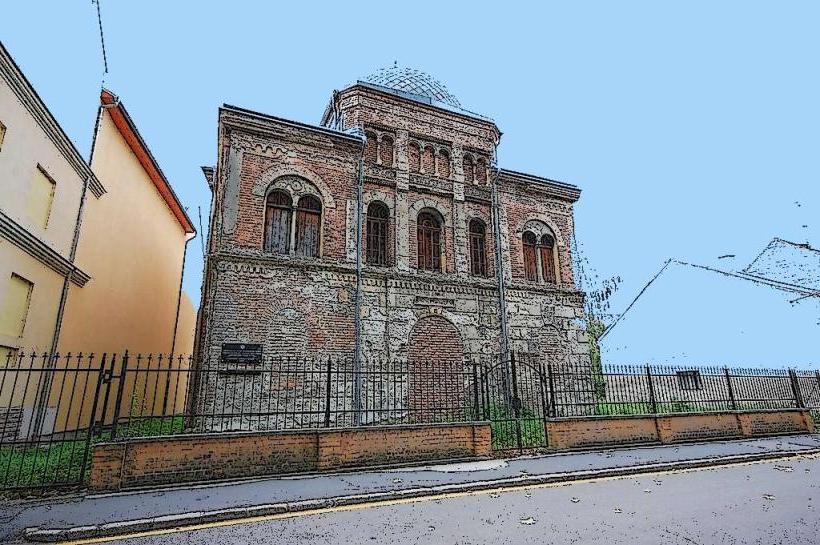
Old Synagogue: One of the oldest specialized Gothic synagogues in Europe (1300), documenting the city’s medieval Jewish history.
Taródi Castle: A specialized "Eccentric's Castle" built almost entirely by one man over 50 years.
Transportation Network
Sopron is a unique dual-governance rail hub managed by the Austro-Hungarian railway GYSEV (Raaberbahn).
Sopron Railway Station: Connects to Vienna (70 mins) and Győr/Budapest (2.5 hours) via high-frequency regional and InterCity trains.
M85 Motorway: The primary high-speed road link connecting the city to the national and European motorway networks.
Local Bus System: A specialized fleet of modern buses connecting the center with the Lővérek and industrial zones.
Cycling: A major node for the Lake Fertő (Neusiedler See) cycle path, a specialized cross-border UNESCO heritage route.
Safety & "Red Zones"
The general safety level is exceptionally high. Crime is statistically minimal. There are no "red zones." The city is extremely safe at all hours. Standard caution is advised for pedestrians on the steep, narrow spiral stairs of the Firewatch Tower.
Digital & Financial Infrastructure
Sopron is a leader in Wood Science and Dental Services. Internet speeds average 200–1000 Mbps. 5G is universal. Card and mobile payments are standard. The city operates as a specialized financial corridor for cross-border commuters working in Austria.
Climate & Air Quality
Sopron has a sub-alpine climate with high rainfall and frequent winds (the "Sopron wind"). It is a designated climatic health resort due to its exceptional air quality. Daytime temperatures range from 1°C in January to 25°C in July.
Culture & Social Norms
Social norms are characterized by a "Poncichter" heritage-descendants of German-speaking wine growers who planted beans between their vines. Tipping (10%) is standard. The primary cultural event is the SopronFest (formerly VOLT Festival) and the Wine Harvest Days.
Local Cost Index
1 Espresso: 700 HUF (€1.80)
1 Pint of Soproni Beer: 850–1,300 HUF (€2.20–€3.30)
1 Standard Lunch: 3,800–6,000 HUF (€9.50–€15.20)
Nearby Day Trips
Lake Fertő (Neusiedl): 10 mins away; a specialized shallow steppe lake shared with Austria.
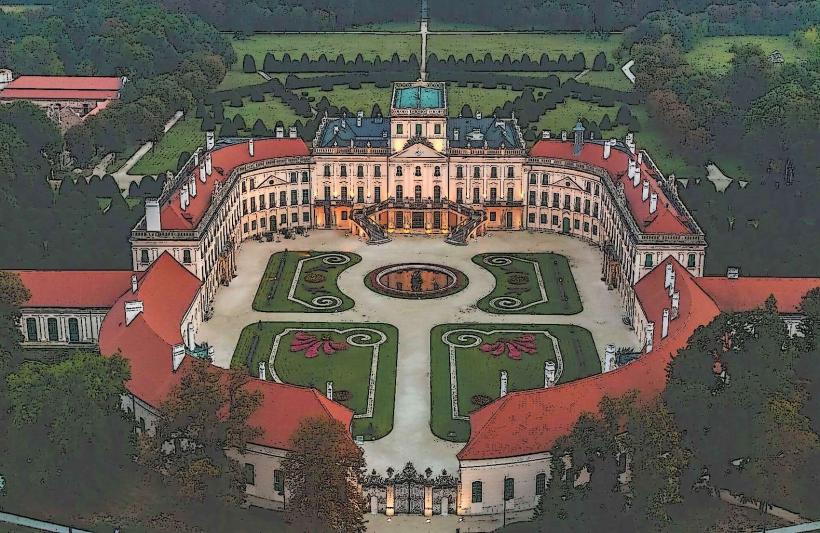
Esterházy Palace, Fertőd: 30 mins away; the "Hungarian Versailles" and former home of Joseph Haydn.
Nagycenk: 15 mins away; seat of the Széchenyi family, the "Greatest Hungarian."
Facts & Legends
Sopron is the site where the first Hungarian decision on monument protection was made in 1525 (regarding the Pharmacy House). Legend states the "Goat Church" was built using treasure unearthed by a goat. A verified fact is that the city’s Firewatch Tower was used to signal the direction of fires with lanterns at night and colored flags during the day. Historically, Sopron was the only city in the region that was never captured by the Ottoman Empire.