Information
City: St JuliansCountry: Malta
Continent: Europe
St Julians, Malta, Europe
St. Julian’s (San Ġiljan) functions as the primary entertainment, nightlife, and high-density tourism pivot of Malta’s North Harbour District. Situated along the coast north of Sliema, it serves as a specialized node for international hospitality, gaming (iGaming) headquarters, and vertical urban expansion. It is defined by its transition from a 19th-century fishing village to the island's premier party destination, its "mini-Manhattan" skyline, and its 2026 role as a finalized hub for Zaha Hadid-designed architecture and high-intensity tourism management.
Historical Timeline
1580: Construction of the Old Parish Church, marking the early settlement dedicated to St. Julian the Hospitaller.
1798: Site of the first French troop landings under Napoleon, initiating the brief French occupation of Malta.
1960s: Transformation into a tourist hub begins with the opening of the Sheraton (now Westin Dragonara) and the development of the Paceville district.
2024–2025: Completion and opening of Mercury Towers, a 31-story landmark that redefined the Maltese skyline.
2026 Context: In January 2026, the city is managing record-high tourism intensity; 2025 data indicates that in peak periods, tourists exceed residents by over 25%, reaching a density of ~25,000 people per km².
Demographics & Population
The resident population is approximately 13,800 (2026 estimate), but the effective daily population often triples. The demographic is exceptionally international, hosting the highest concentration of foreign iGaming professionals and English-language students in Malta. In 2026, the city faces specialized pressure on infrastructure, with August peaks seeing nearly 126 tourists for every 100 residents.
Urban Layout & Key Districts
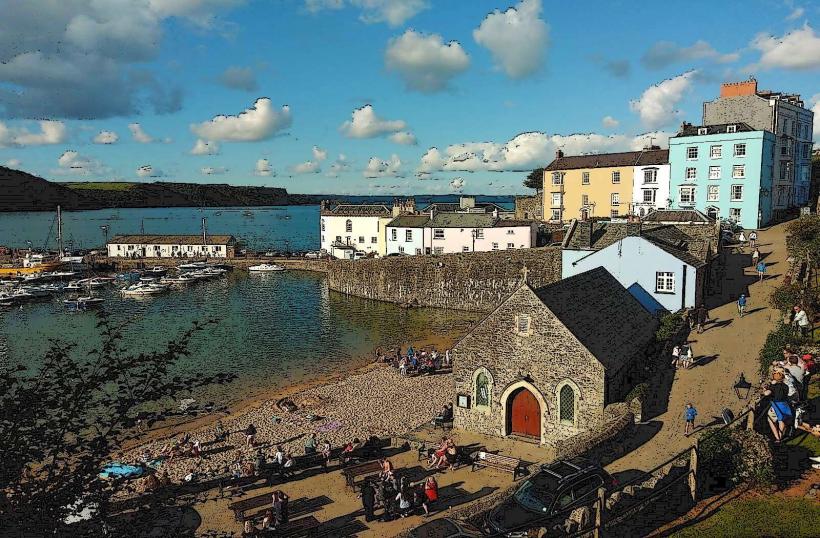
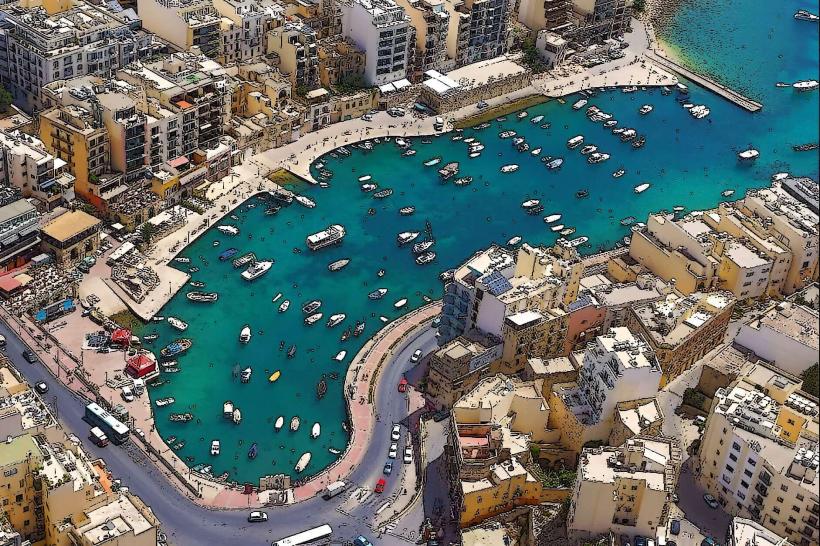
Spinola Bay: The specialized "postcard" heart; features traditional luzzu fishing boats and the iconic "LOVE" monument by Richard England.
Paceville: The specialized nightlife enclave; a high-density zone of clubs, bars, and casinos that operates 24/7.
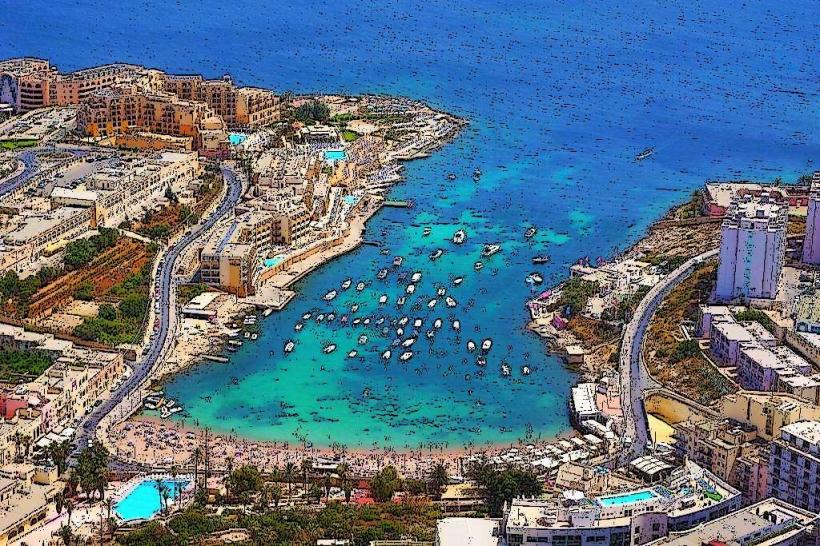
St. George’s Bay: A specialized recreational district containing the city's only sandy beach and major shopping complexes.
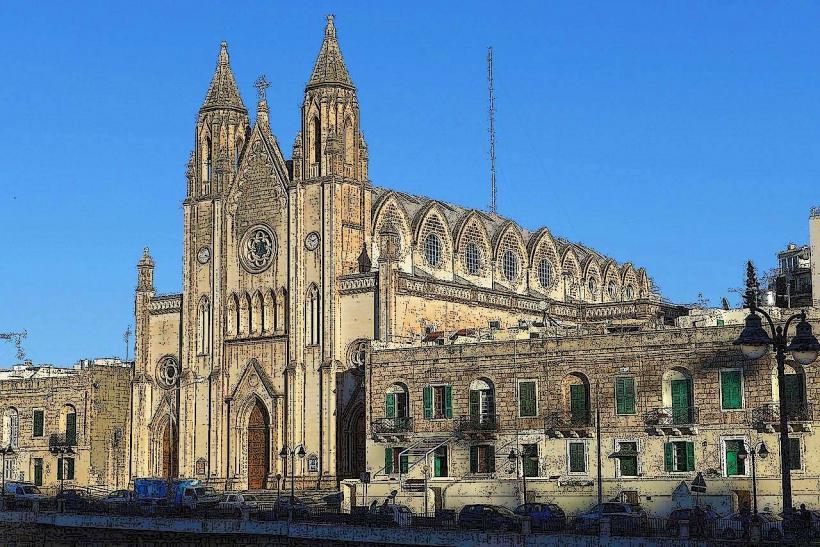
Balluta Bay: The border district with Sliema, characterized by the Neo-Gothic Church of Our Lady of Mount Carmel and Art Nouveau townhouses.
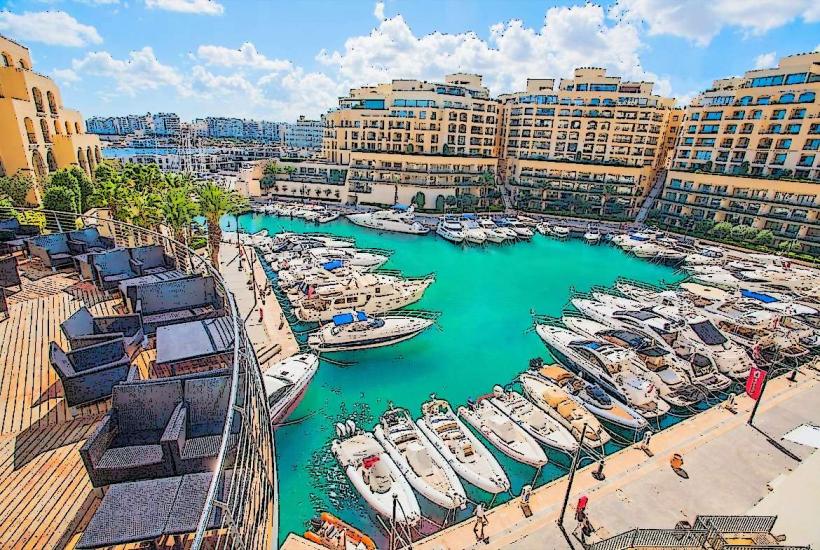
Portomaso: A specialized luxury residential and maritime enclave featuring a private marina and the 98-meter Portomaso Business Tower.
Top City Landmarks
Mercury Tower: A specialized 121-meter skyscraper designed by Zaha Hadid Architects; features a signature mid-tower "twist" and serves as a hub for luxury retail and hospitality.
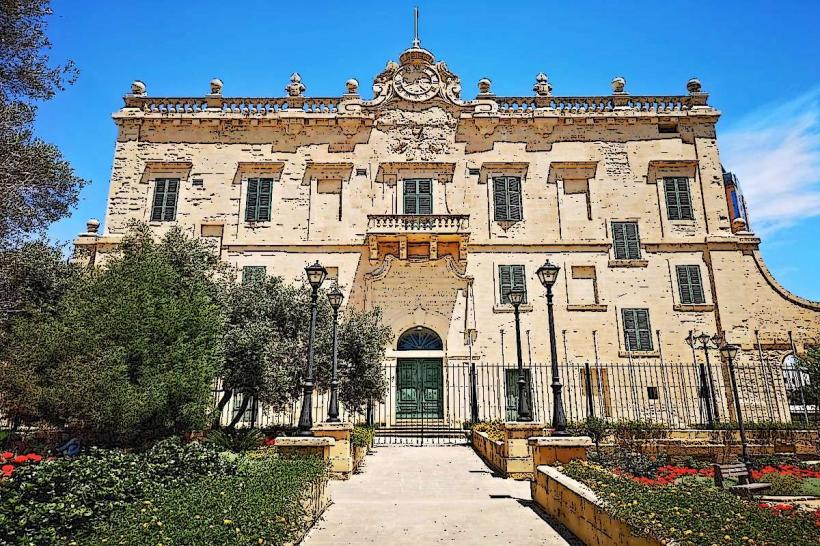
Spinola Palace: A specialized 17th-century Baroque palace (restored 18th century) overlooking the bay, originally built for Fra Paolo Rafel Spinola.
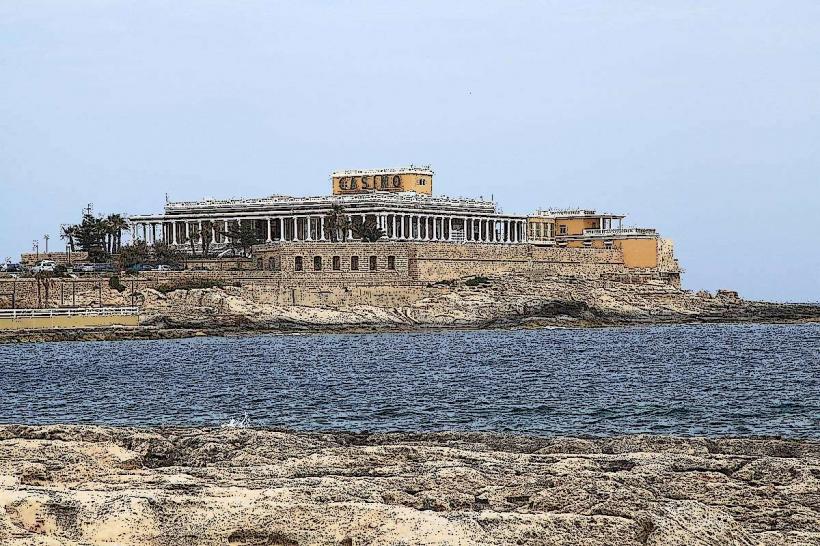
Dragonara Palace: A specialized 19th-century Neoclassical residence on a rocky promontory; since 1964, it has functioned as the Dragonara Casino.
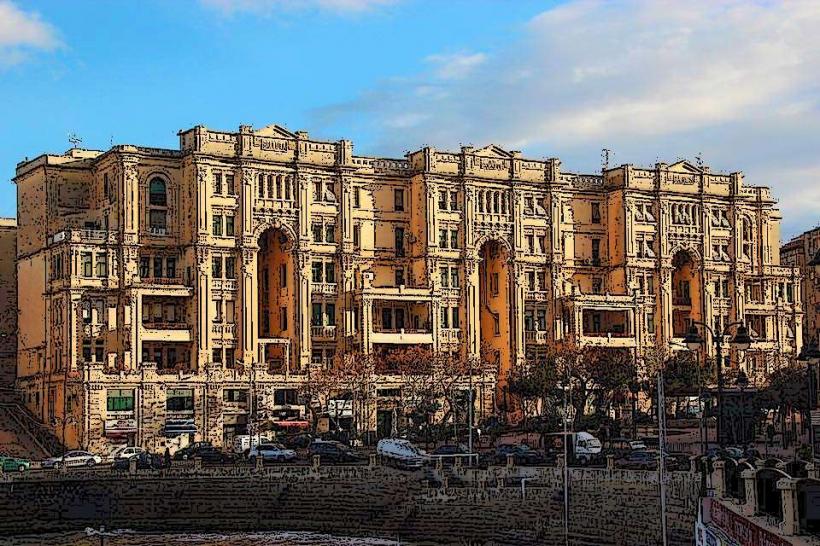
Balluta Buildings: One of the few remaining specialized Art Nouveau apartment blocks in Malta (1928), noted for its intricate limestone carvings and grand arches.
Bay Street & Mercury Piazza: Specialized retail hubs; in 2026, these areas function as the primary "Smart Retail" zones with integrated digital outdoor advertising.
Transportation & 2026 Logistics
Micro-mobility Hub: In 2026, St. Julian’s is a primary node for the National E-Scooter Network, with dedicated docking zones to manage high pedestrian congestion.
Ferry Link: While St. Julian’s itself has no direct ferry, it is linked via a 15-minute 2026 electric shuttle bus to the Sliema-Valletta ferry terminal.
2026 Infrastructure: The city is a pilot for the "Smart Waste" grid, utilizing subterranean sensors to manage high refuse volumes generated by the hospitality sector.
Budget 2026: The Tourist Eco-Contribution has been increased to €1.50 per night to fund local infrastructure upgrades necessitated by high tourism intensity.
Safety & Environment
The general safety level is moderate to high. Warning: Paceville is a specialized high-activity zone; 2026 police protocols include increased digital surveillance and "Safe City" patrols on weekend nights. Environmental Note: In July 2025/2026, temporary swimming bans were issued at Wilġa Street due to water contamination; visitors are advised to check the 2026 "Bathing Water Quality" live portal.
Local Cost Index (2026 Estimates)
1 Espresso (Spinola Bay): €2.50 – €3.80
Cocktail in Paceville: €8.00 – €14.00
3-Course Michelin-Guide Dinner: €65.00 – €110.00
Monthly Rent (1-BR Modern): €1,100 – €1,600
Price per m² (Luxury High-Rise): €9,000 – €14,000+
Facts & Legends
St. Julian’s is the site of the "Gostra", a specialized traditional game during the summer feast where men climb a greased pole over the sea to grab flags. Legend states that the Spinola Bay area was so remote in the 18th century that the Grand Masters used it for private hunting retreats away from the noise of Valletta. A verified fact is that St. Julian's contains more five-star hotel beds per square kilometer than any other city in the Mediterranean. Historically, the town was a mere collection of huts until the British military established barracks in nearby Pembroke, sparking its 20th-century commercial explosion.