Information
City: SurakartaCountry: Indonesia
Continent: Asia
Surakarta, Indonesia, Asia
Surakarta, commonly known as Solo, is a major city in Central Java. It is one of the two historical "court cities" of Java (alongside Yogyakarta) and remains a center of Javanese aristocratic culture, traditional arts, and textile production.
Historical Timeline
Solo was established in 1745 as the capital of the Mataram Sultanate after the court was moved from Kartasura. Following the Treaty of Giyanti in 1755, the kingdom was split, leading to the creation of two royal houses in Solo: the Kasunanan and the Mangkunegaran. Unlike Yogyakarta, Surakarta is not a "Special Region" and functions as a standard city within the Central Java province.
Demographics & Population
The city has a population of approximately 580,000, with a metropolitan area (Solo Raya) exceeding 6 million. It is predominantly Javanese. The city is renowned for its refined "Solo style" of Javanese language and manners, considered the most formal and elegant on the island.
Urban Layout & Key Districts
Slamet Riyadi: The city’s main boulevard, featuring a unique railway line that runs directly alongside the road.
The Kraton Zone: The southern part of the city containing the two royal palaces.
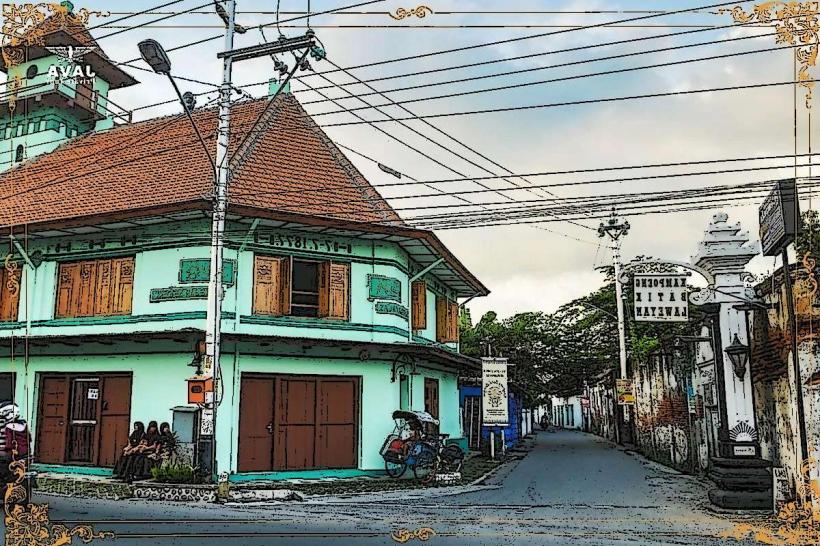
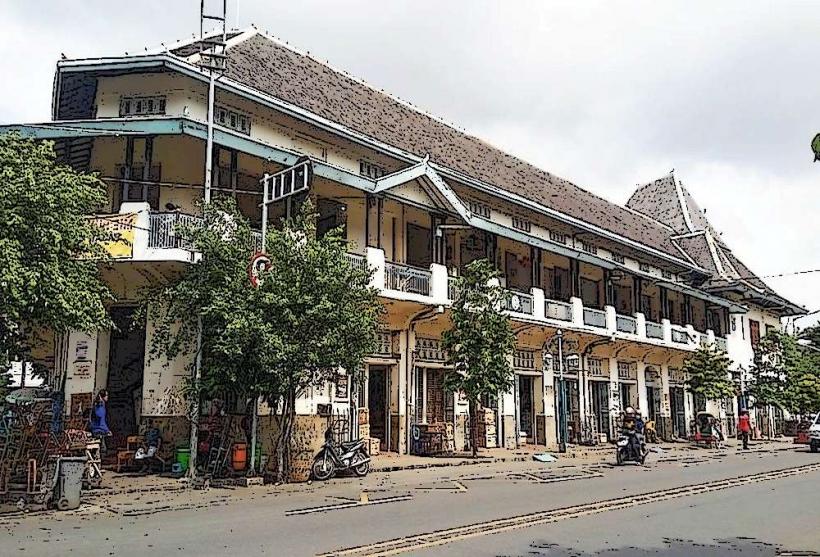
Laweyan & Kauman: Historic "Batik Villages" characterized by narrow alleys and traditional merchant houses.
Ngarsopuro: A revitalized cultural pedestrian zone in front of the Mangkunegaran Palace.
Top Landmarks
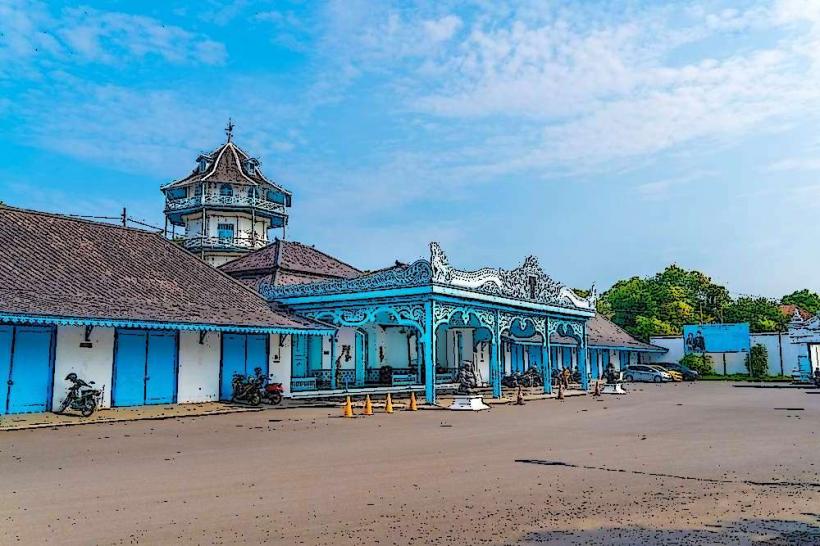
Kraton Surakarta Hadiningrat: The primary palace of the Susuhunan, featuring a distinct blue and white architectural palette and a museum of royal heirlooms.
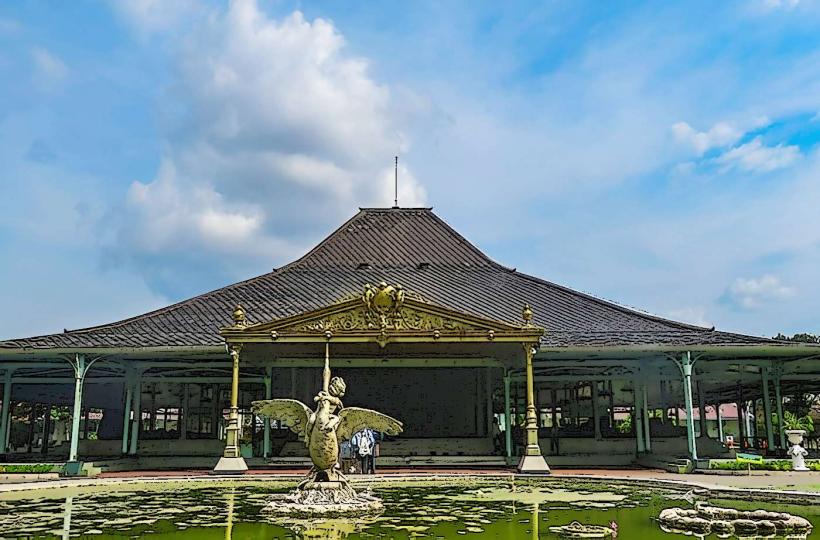
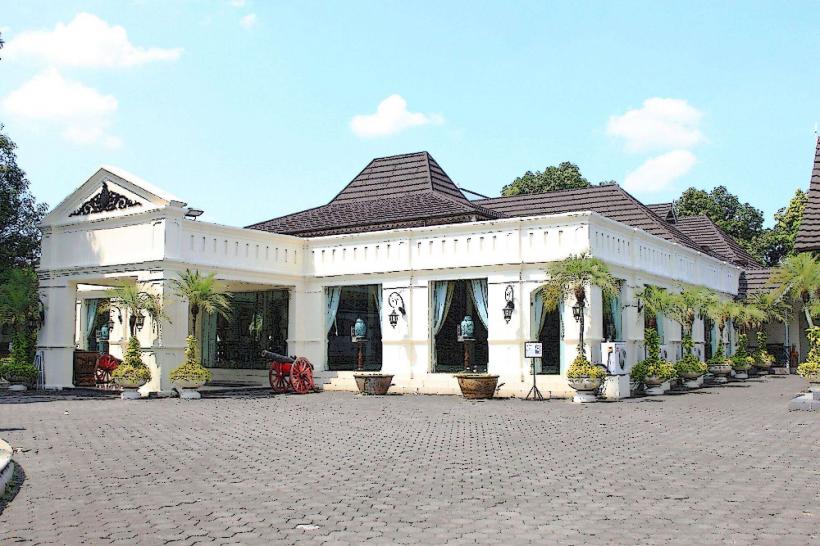
Pura Mangkunegaran: A smaller but highly refined palace known for its massive open-air pavilion (Pendopo) and exquisite art collection.
Pasar Gede: The city's central market, designed by Dutch architect Thomas Karsten, famous for traditional snacks and Javanese produce.
Pasar Klewer: The largest textile market in Indonesia, specializing in all varieties of Batik.
Danar Hadi Batik Museum: One of the world's finest private collections of antique and rare Batik fabrics.
Transportation Network
Rail: Stasiun Balapan and Purwosari are the main hubs. The Adisumarmo Airport Rail Link connects the city to the airport.
Air: Adisumarmo International Airport (SOC) is located 14 km north of the city.
Road: Directly connected to the Trans-Java Toll Road, making travel to Semarang or Surabaya efficient.
Local Transit: The Batik Solo Trans (BST) is the city's bus system. Traditional horse-drawn carriages (Bendi) and human-powered Becaks are still widely used for tourism.
Safety & "Red Zones"
Traffic: Slamet Riyadi can be congested during festivals and weekends. Be cautious of the train that moves through the city street.
Air Quality: Generally moderate; the city center can experience localized vehicle exhaust during peak hours.
Social Sensitivity: Solo is traditionally peaceful but has a history of political activism; monitor local news during election cycles.
Digital & Financial Infrastructure
4G/5G coverage is excellent throughout the city. The currency is the Indonesian Rupiah (IDR). ATMs are abundant. QRIS is the standard for digital payments in most stores and even some market stalls.
Climate & Air Quality
Tropical monsoon climate. It is generally hot and humid, though slightly less congested than larger Javanese megacities.
Culture & Social Norms
Solo Spirit: Known by the motto "The Spirit of Java," the city prioritizes heritage preservation.
Batik Culture: Solo is the primary rival to Yogyakarta for the title of "Batik Capital." The "Solo style" typically uses earthy tones (Sogan).
Cuisine: Famous for its sweet and savory flavors. Iconic dishes include Nasi Liwet, Selat Solo, Serabi Solo, and Tengkleng.
Local Cost Index (IDR)
1 Espresso: 20,000–40,000 IDR
1 Standard Lunch (Nasi Liwet): 15,000–35,000 IDR
1 Short Becak Ride: 15,000–30,000 IDR
Nearby Day Trips
Sangiran Early Man Site: 15 km north; a UNESCO World Heritage site and one of the most important locations in the world for human evolution research.
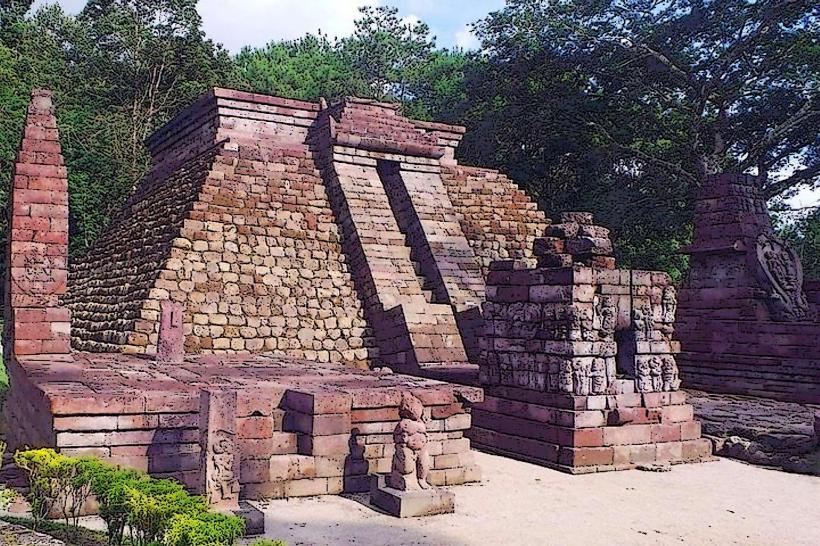
Candi Cetho & Candi Sukuh: 15th-century Hindu temples on the slopes of Mount Lawu, known for their unique Mayan-like pyramid structures.
Tawangmangu: A highland resort area featuring the Sewu Waterfall.
Facts & Legends
Legend says the location of the palace was chosen after a divine sign appeared to the Sultan during a period of meditation. A geographic fact: Solo is one of the few cities in the world where a main-line heavy railway shares a lane with public road traffic on Slamet Riyadi street. Historically, Surakarta was the birthplace of several Indonesian presidents, including Joko Widodo.