Information
City: Targu MuresCountry: Romania
Continent: Europe
Targu Mures, Romania, Europe
Târgu Mureș serves as the administrative center of Mureș County and functions as a critical regional hub for the pharmaceutical, chemical, and medical sectors. It is situated in the historical region of Transylvania, positioned in the valley of the Mureș River at the intersection of three geographical sub-regions: the Transylvanian Plain, the Mureș Valley, and the Niraj Valley.
Historical Timeline
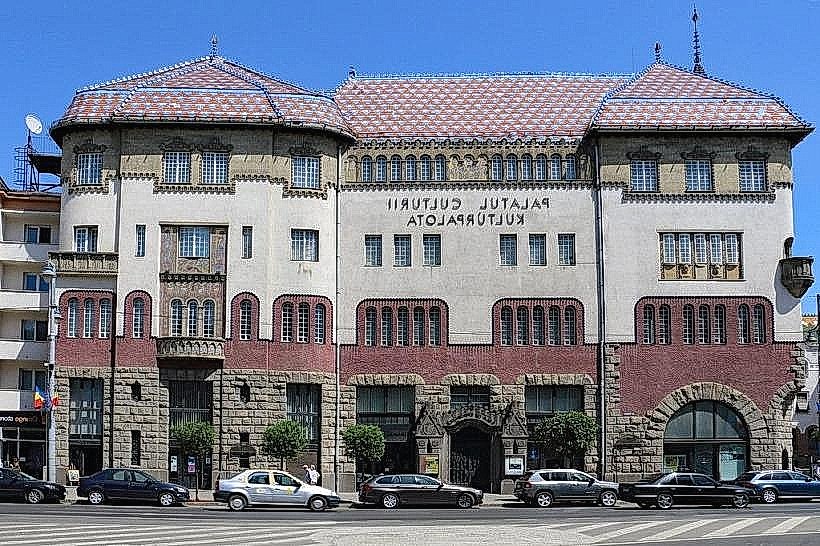
The city was first documented in 1322 as Novum Forum Siculorum. It evolved from a significant medieval market town into a fortified cultural center of the Szekler land under the Kingdom of Hungary and later the Habsburg Monarchy. Its most significant architectural reconstruction occurred during the "Golden Era" of Mayor György Bernády (1902–1913), which introduced the distinctive Secessionist (Art Nouveau) style to the urban core. The primary event shaping its current urban form was the 20th-century transition from a medieval trade post to a centralized industrial and medical administrative center, resulting in a blend of Gothic, Baroque, and Secessionist architecture in the center surrounded by socialist-era residential blocks.
Demographics & Population
The population within city limits is approximately 116,000, while the metropolitan area encompasses roughly 215,000 inhabitants. The top three ethnic demographics are Romanian (approx. 51.5%), Hungarian (approx. 44%), and Romani (approx. 2.5%). The median age of the population is 41.8 years.
Urban Layout & Key Districts
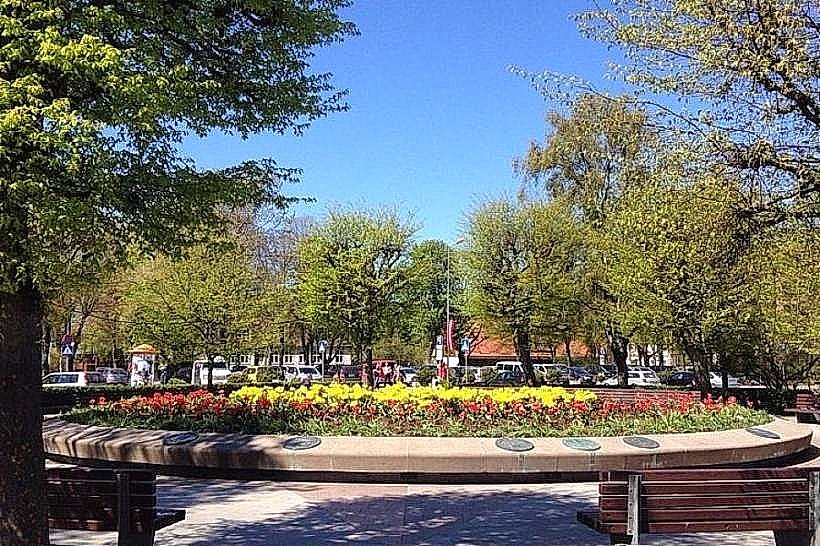
The city is organized along the left bank of the Mureș River. Piața Trandafirilor (Roses Square) serves as the primary historical and administrative axis. Centru (Center) contains the major cultural landmarks and pedestrian zones. The Cornișa district, located on a hill to the east, is the primary medical and university hub. Tudor Vladimirescu is the largest residential district to the south, while the Mureșeni district to the west is the primary industrial zone.
Top City Landmarks
Palace of Culture (Palatul Culturii)
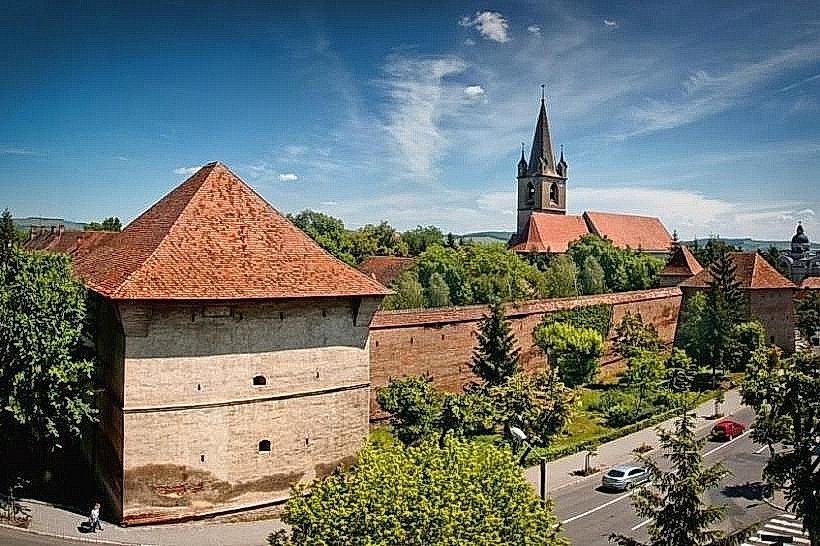
Târgu Mureș Fortress (Cetatea Medievală)
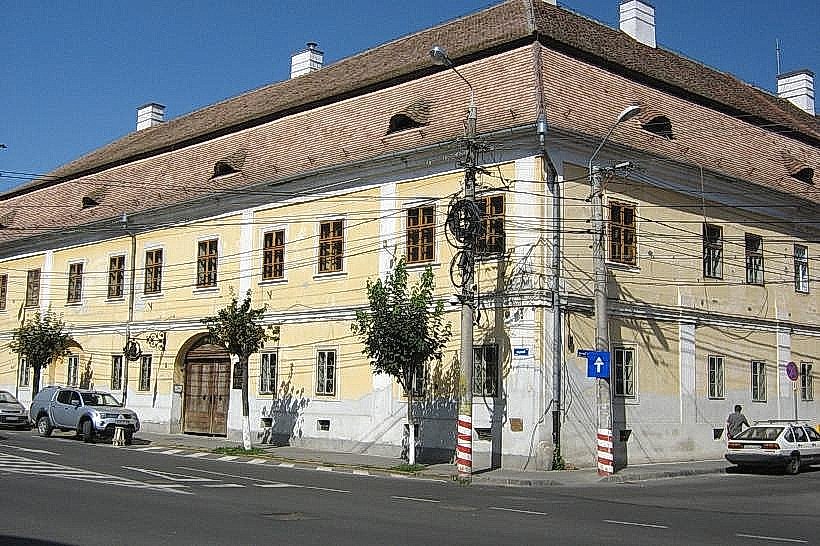
The Administrative Palace (Prefecture)
The Ascension of the Lord Orthodox Cathedral
Transportation Network
Internal movement is facilitated by a bus network operated by Transport Local SA; there is no Metro or Tram system. Uber and Bolt are the primary ride-sharing apps. Official taxis are typically white or yellow and must display the tariff (approx. 3.50–4.00 RON/km) on the doors. Traffic density is high on the E60 transit route and the bridges crossing the Mureș River during 07:30–08:30 and 16:30–17:30.
Safety & "Red Zones"
Târgu Mureș is generally safe with low rates of violent crime. The neighborhoods of Valea Rece and parts of the Ady Endre sector are noted for higher rates of petty theft and should be approached with caution at night. Common scams are infrequent, though visitors should verify taxi meters are engaged when not using ride-sharing apps.
Digital & Financial Infrastructure
Average internet speed is 150 Mbps via fiber-optic networks. Main mobile carriers are Digi Mobil, Orange, and Vodafone. Card acceptance is high in the city center and shopping malls (Mureș Mall, Shopping City Târgu Mureș); cash is required for small kiosks and the central agricultural market. ATMs are densely distributed along Piața Trandafirilor.
Climate & Air Quality
Temperatures range from -6°C to 1°C in winter (January) and 14°C to 27°C in summer (July). Air quality is generally moderate, though particulate matter (PM10) levels often increase in the Mureșeni district due to proximity to the Azomureș chemical plant. Thermal inversions in winter can trap industrial emissions and wood smoke in the valley.
Culture & Social Norms
The standard tipping rate is 10% in restaurants. Handshakes are the standard greeting. The city is officially bilingual (Romanian and Hungarian); public signage is frequently displayed in both languages. Dress code is casual-smart; conservative attire is required in religious sites. Public smoking is prohibited in all indoor public spaces.
Accommodation Zones
Stay in the City Center (Piața Trandafirilor): Recommended for immediate walking access to Art Nouveau landmarks, the fortress, and dining.
Stay in the Cornișa District: Recommended for travelers visiting the medical university or seeking a quieter, elevated residential area.
Local Cost Index
1 Espresso: 11 RON ($2.40)
1 Standard Lunch: 42 RON ($9.15)
1 Bus Ticket: 3 RON ($0.65)
Nearby Day Trips
Sighișoara (Medieval Citadel): 55 km
Sovata (Heliothermal Lake Resort): 55 km
Reghin (The City of Violins): 32 km
Facts & Legends
A verified historical oddity is the Teleki-Bolyai Library, which houses one of the richest collections of ancient manuscripts in Transylvania, including the first book printed in Hungarian. Local legend suggests that the Târgu Mureș Fortress is connected to the city center via a secret network of underground tunnels used by the guild of shoemakers to transport goods and defend the city during 17th-century sieges.