Information
City: TikehauCountry: French Polynesia
Continent: Australia
Tikehau, French Polynesia, Australia
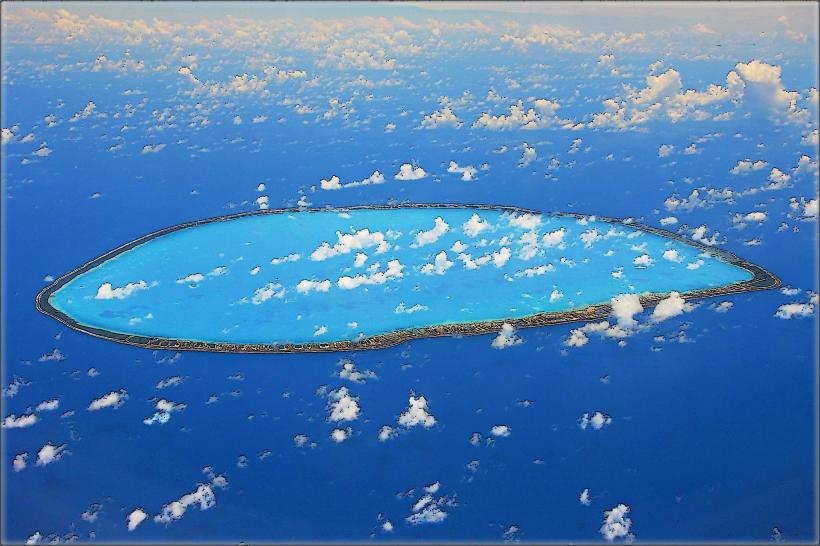
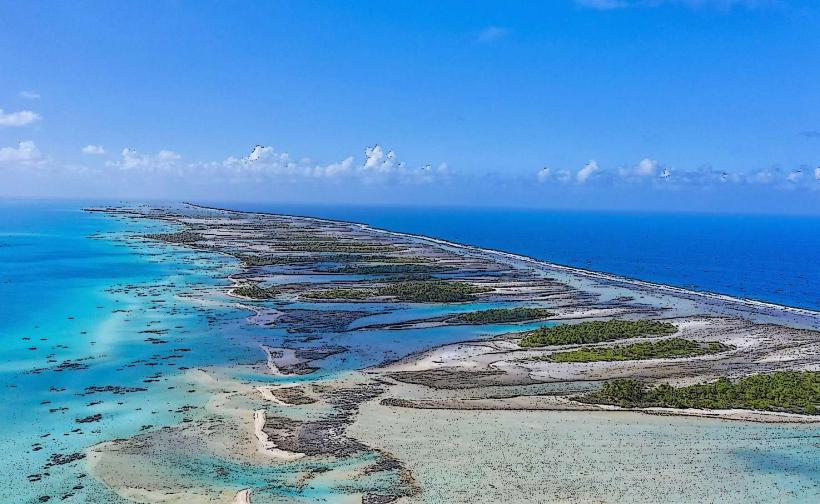
Tikehau is a circular atoll in the Palliser group of the Tuamotu Archipelago, located 340 km north of Tahiti and 12 km from Rangiroa. It is renowned for its high biodiversity and distinct pink-sand beaches.
Historical Timeline
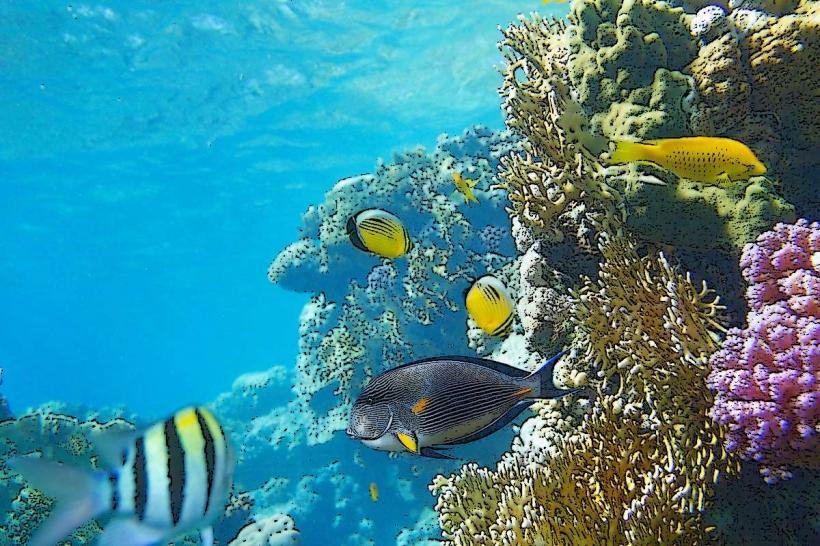
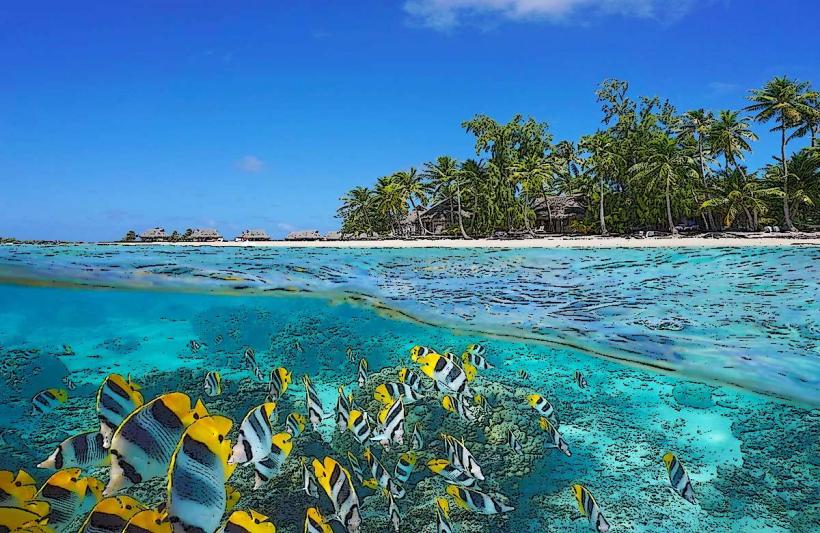
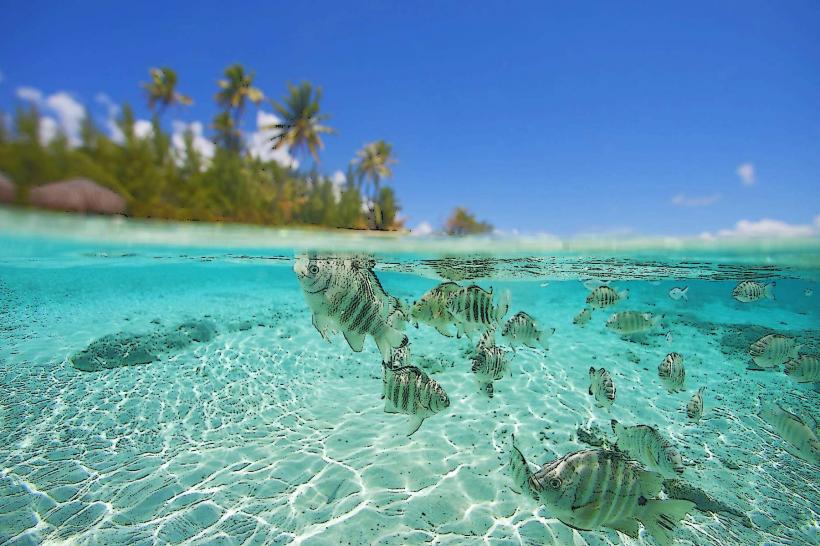
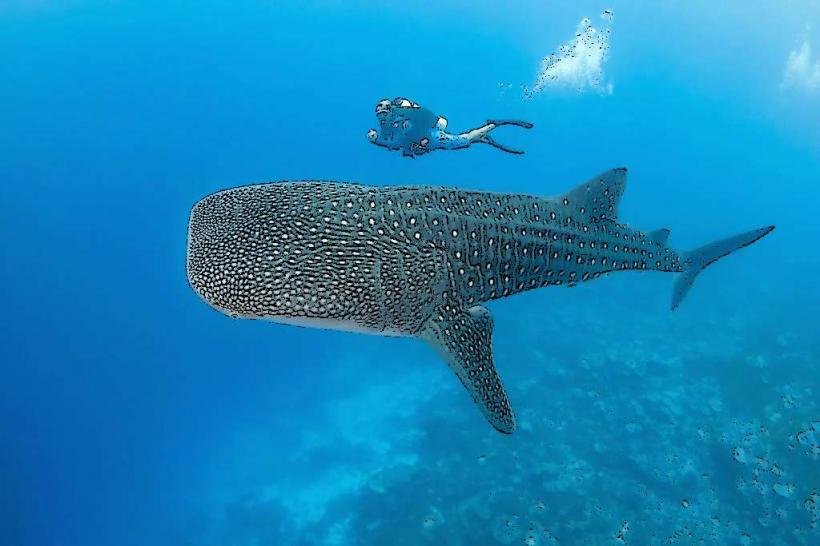
The atoll was originally known as Oropaa. It was "discovered" by Russian explorer Otto von Kotzebue in 1816, who named it Krusenstern Island. Throughout the 19th and early 20th centuries, the economy was dominated by copra (dried coconut) production. In 1987, Jacques Cousteau’s research team identified Tikehau as having the highest concentration of fish species in the Tuamotu Archipelago, which shifted the island’s focus toward eco-tourism and artisanal fishing.
Demographics & Population
The population is approximately 560. Most residents live in the village of Tuherahera, located on the southern motu. The demographic is Ma'ohi (Paumotu), with a society deeply integrated with the lagoon's marine resources.
Urban Layout & Key Districts
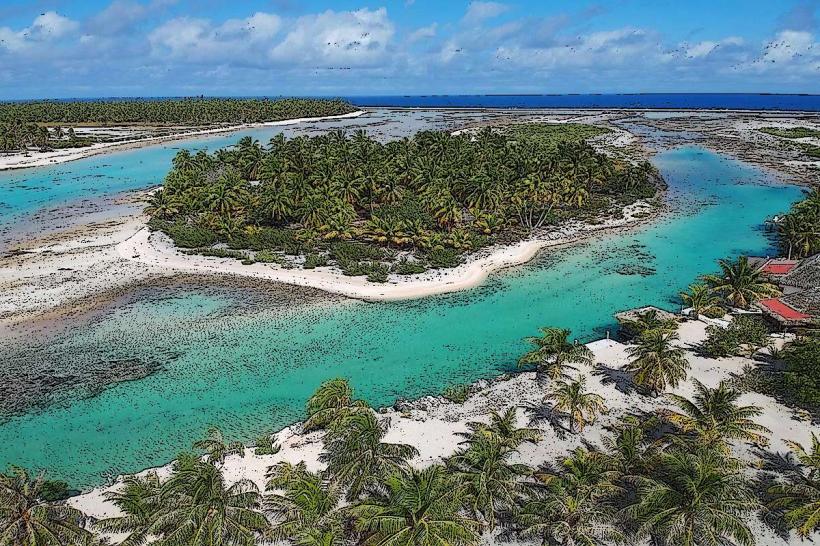
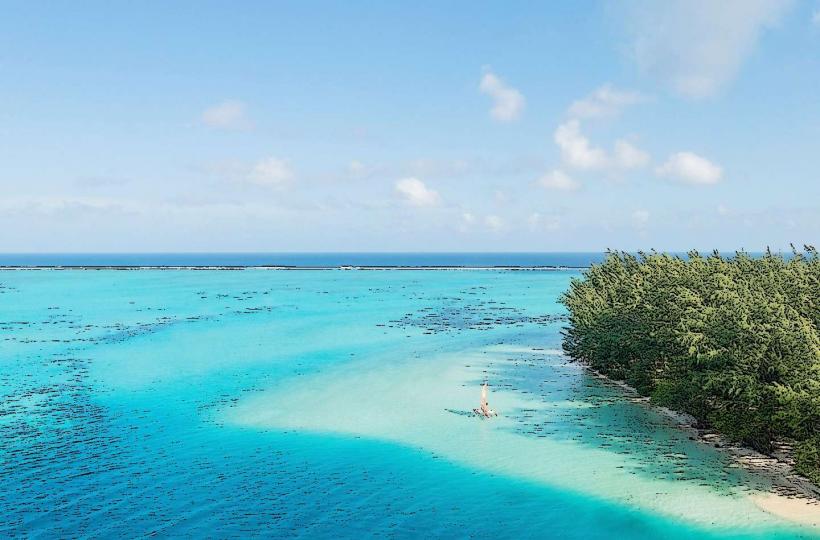
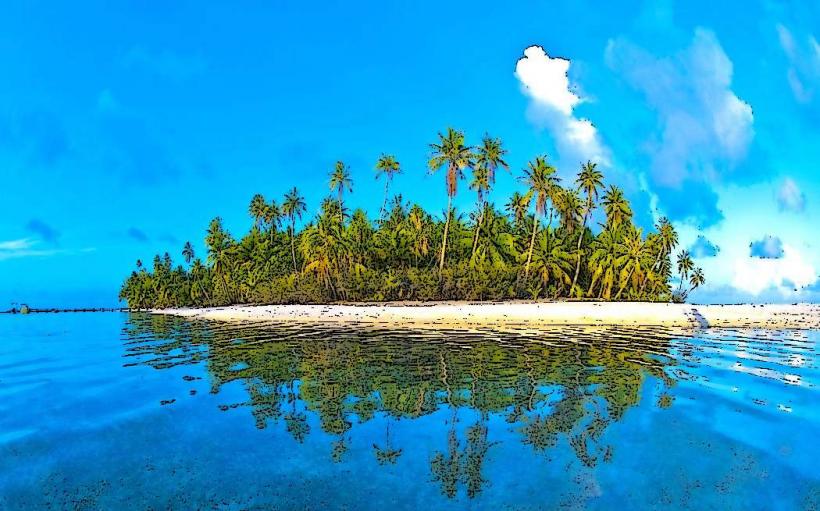
The atoll consists of a ring of islets surrounding a 26 km wide lagoon.
Tuherahera: The sole village and administrative hub; contains the airport, post office, and school.
Tuheiava Pass: The only navigable opening in the reef, located on the western side.
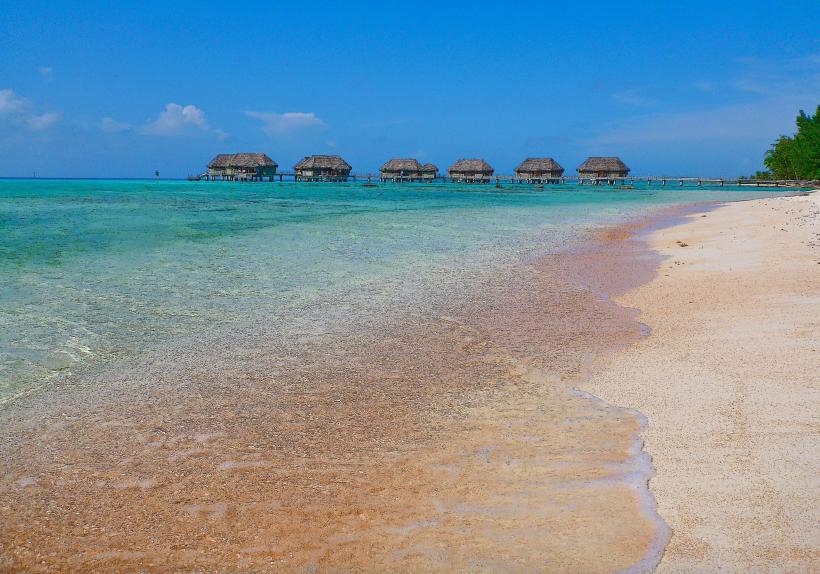
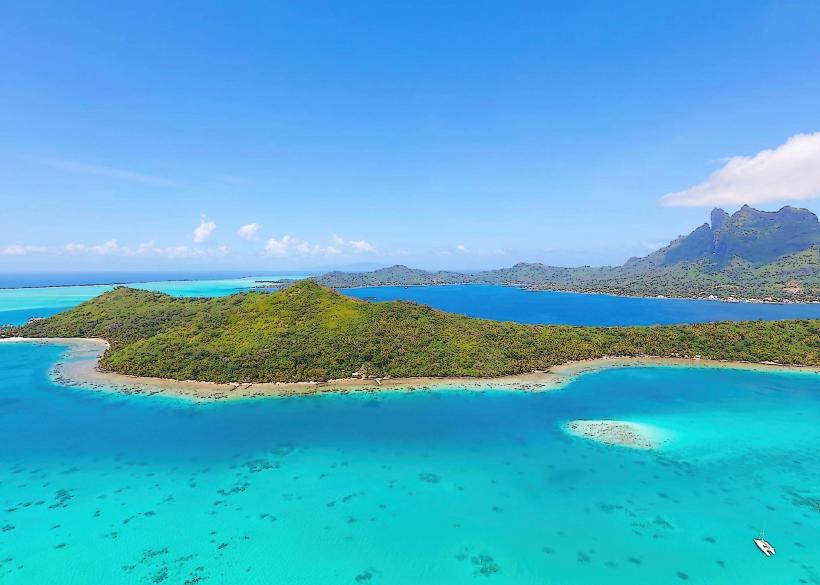
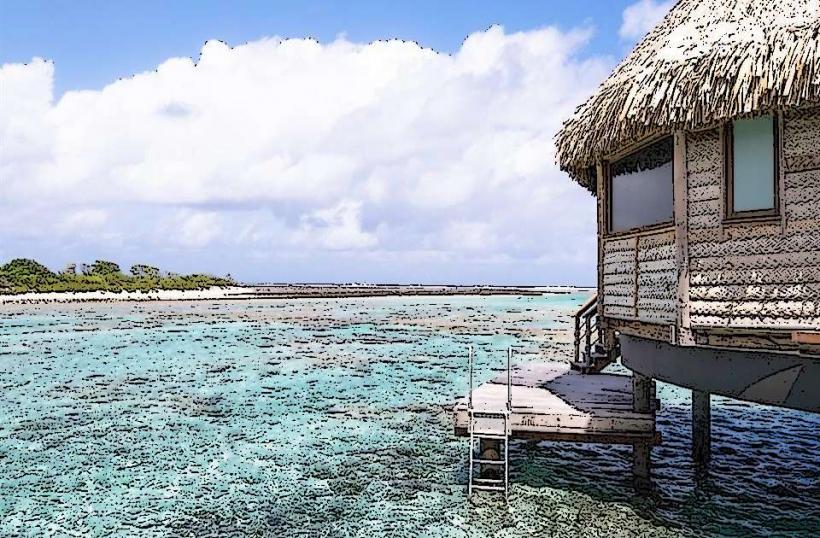
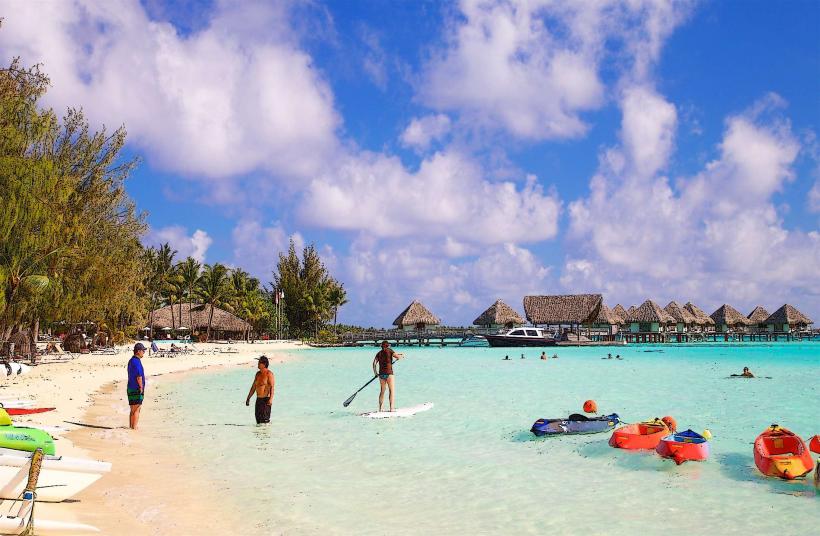
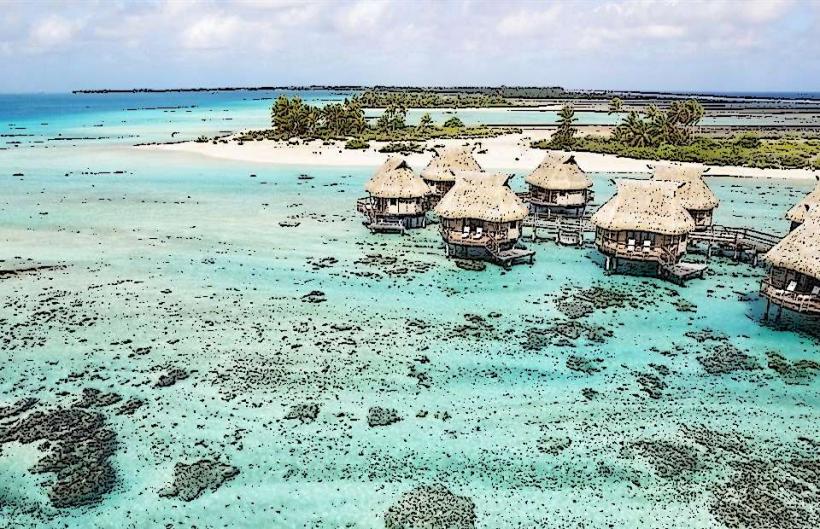
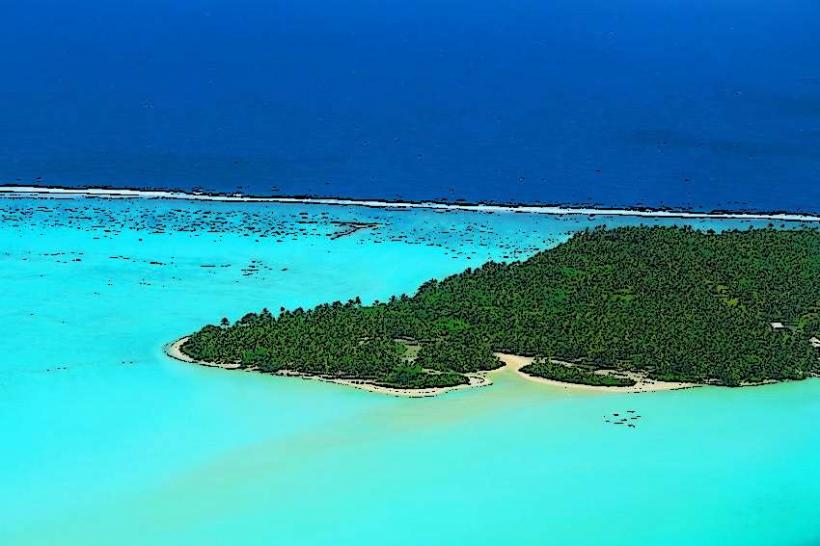
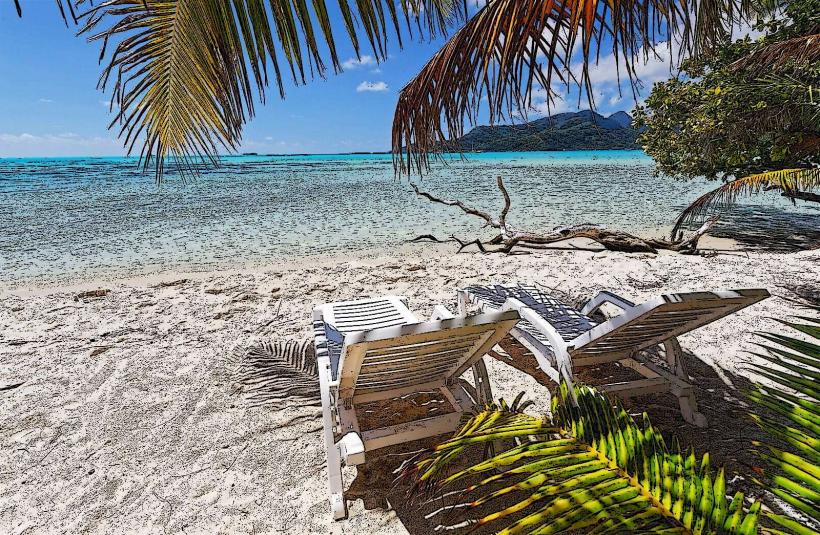
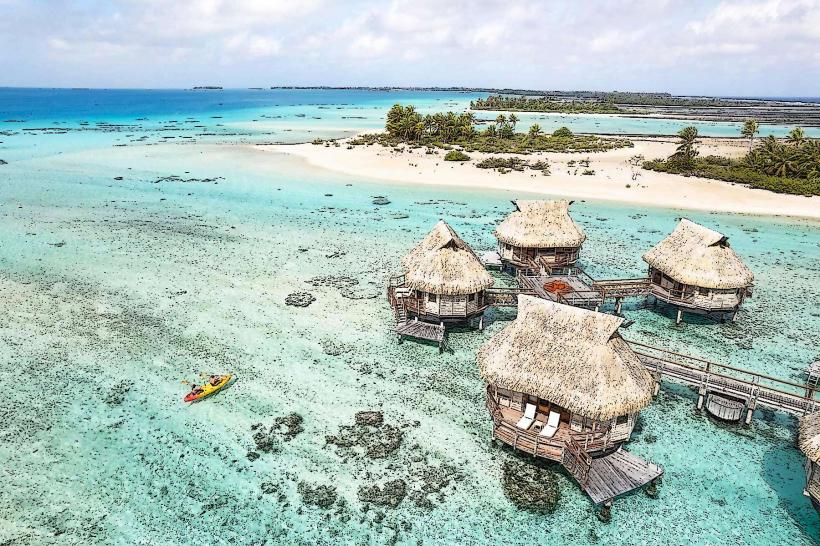
The Motus: Most luxury resorts and family pensions are located on private islets away from the main village, requiring boat transfers.
Top Landmarks
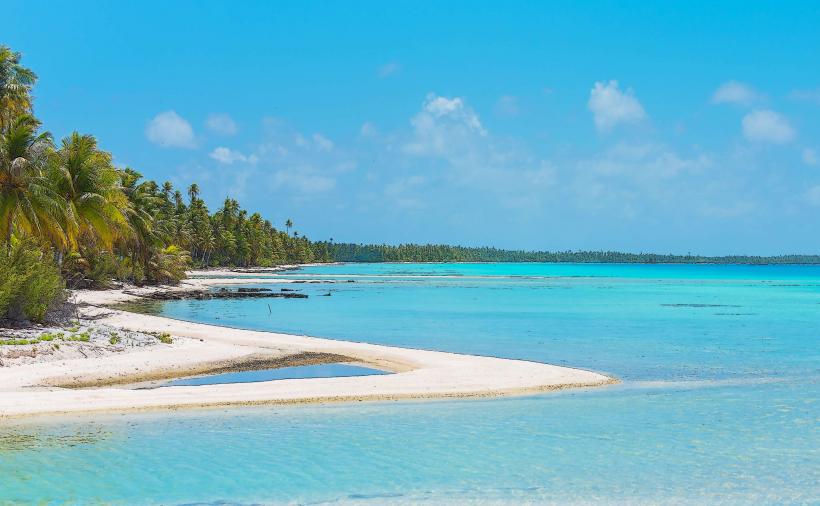
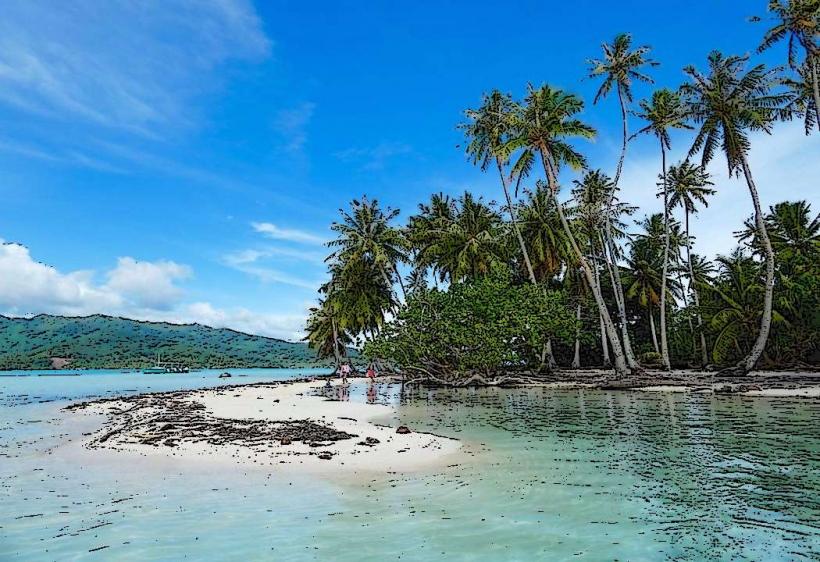
The Pink Sand Beaches: Areas of the lagoon shore colored by a high density of pulverized red organpipe coral.
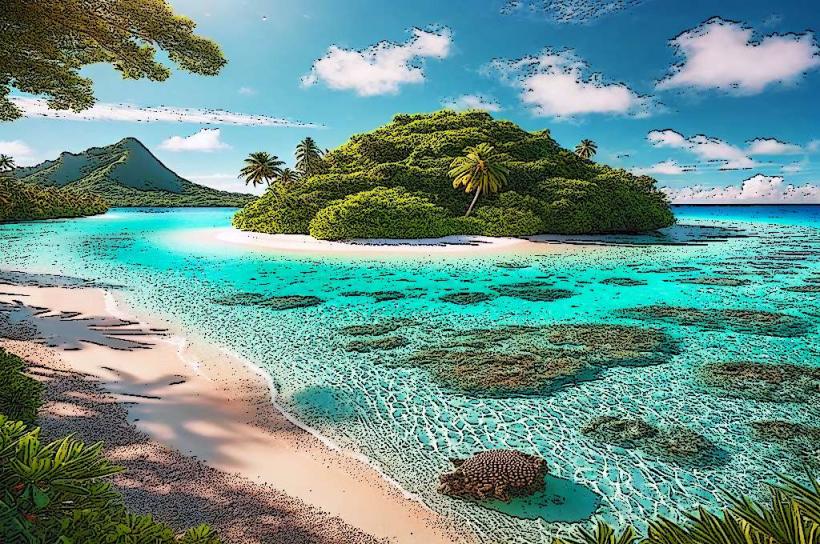
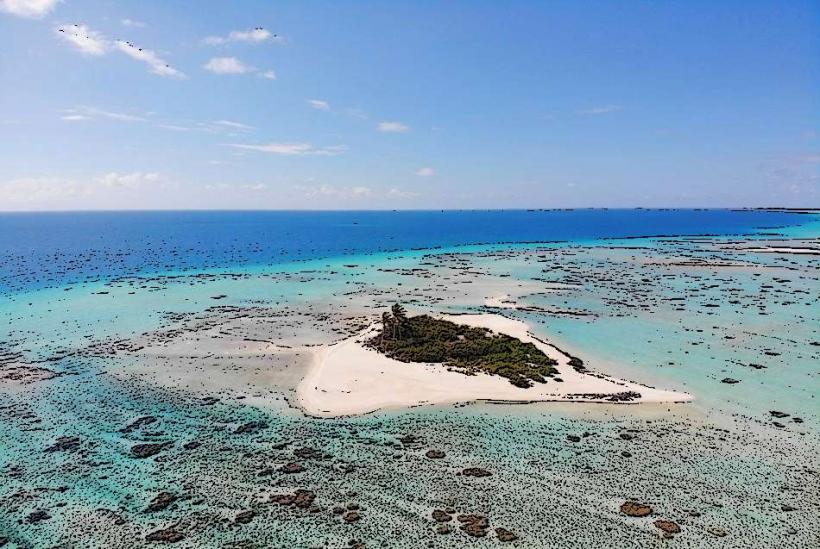
Bird Island (Motu Puarua): A central lagoon islet serving as a massive nesting colony for boobies, noddies, and crested terns.
The Manta Ray Cleaning Station: A shallow area in the lagoon (near an old pearl farm) where manta rays gather to be cleaned by smaller fish.
Tuheiava Pass: A world-class site for observing reef sharks, barracudas, and tuna.
Hina’s Bell: A natural coral formation on the reef edge that makes a resonant sound when hit by waves.
Transportation Network
Air: Tikehau Airport (TIH) is the primary link, with regular flights to Tahiti and Rangiroa.
Road: There is a single coral-strip road circling the village of Tuherahera.
Water: Motorized outrigger canoes (pirogues) are the essential mode of transport between the village and the motus.
Rental: Bicycles are the standard method for exploring the main village motu.
Safety & "Red Zones"
Tikehau is exceptionally safe.
Maritime Safety: Do not attempt to swim in the Tuheiava Pass; currents are unpredictable and predatory fish are highly active.
Sun Protection: The white coral sand reflects high levels of UV radiation; high-SPF protection is mandatory.
No "Red Zones": The island has no high-crime areas.
Digital & Financial Infrastructure
Internet is provided via satellite and the NATITUA undersea cable extension; speeds are functional but slower than in Tahiti. Mobile 4G is available in Tuherahera. The currency is the CFP Franc (XPF). There are no banks or ATMs on Tikehau. Visitors must bring sufficient cash from Tahiti or Rangiroa for all local purchases and excursions.
Climate & Air Quality
Tropical atoll climate. It is generally sunny and dry. Air quality is pristine. Water is a critical resource; residents rely on rainwater harvesting and a small desalination plant.
Culture & Social Norms
The Paumotu culture is conservative and quiet. Fishing is the primary communal activity. Tipping is not expected. Social etiquette requires asking permission before photographing residents or their homes. Dress is casual, but modest clothing is required when entering the village.
Local Cost Index (XPF)
1 Espresso: 400–600 XPF
1 Standard Lunch (Poisson Cru): 2,000–3,500 XPF
1 Lagoon Boat Excursion: 8,000–12,000 XPF
Nearby Day Trips
Rangiroa: 15 minutes by air for larger-scale diving and shopping.
Mataiva: A remote neighboring atoll known for its unique "honeycomb" lagoon structure.
Facts & Legends
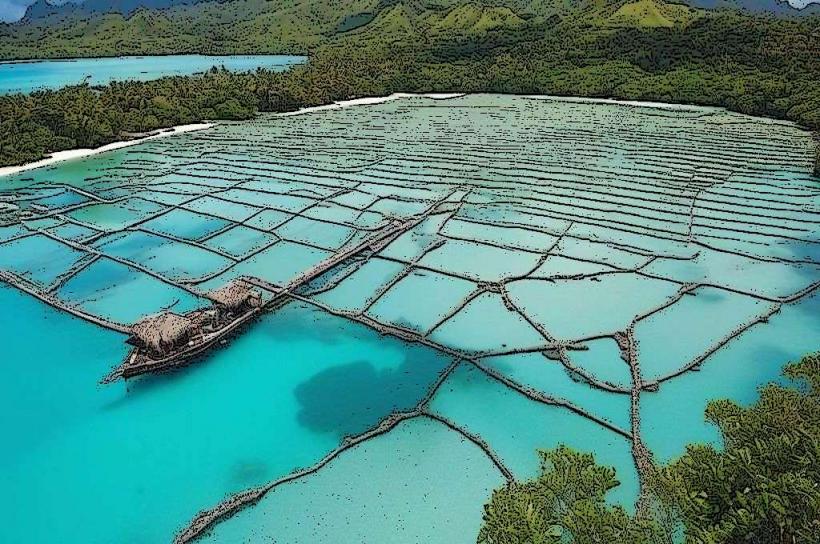
Legend says the atoll was named Tikehau ("Peaceful Landing") because a traveler found refuge there from a storm. A biological fact: Tikehau is an "open" atoll, meaning the continuous exchange of water through its single pass keeps the lagoon exceptionally oxygenated, supporting its record-breaking fish density. It remains one of the few places in French Polynesia where traditional "fish parks" (V-shaped coral traps) are still used to sustainably harvest lagoon fish.