Information
City: TlemcenCountry: Algeria
Continent: Africa
Tlemcen, Algeria, Africa
Tlemcen functions as the primary spiritual and architectural pivot of western Algeria. Situated in the foothills of the Tell Atlas, it serves as a specialized node for Moorish heritage preservation, high-altitude viticulture, and textile craftsmanship. In January 2026, the city is defined by a state of monumental administrative decentralization as it integrates new regional management protocols for water and tourism.
Historical Timeline
4th Century: Founded as Pomaria ("The Orchards") by the Romans; specialized as a frontier agricultural node.
13th–15th Century: Golden Age under the Zayyanid Dynasty; Tlemcen became the specialized capital of the Central Maghreb.
1842: Captured by French forces after prolonged resistance; integrated into the colonial administrative grid of western Algeria.
2025 (Dec): National focus shifted to the "Zayyanid Heritage Path," a specialized initiative to restore 14th-century madrasas.
2026 (Jan 5): Administrative Restructuring. The Ministry of Interior formalized the transfer of specialized local governance powers to the Tlemcen Wilaya to streamline historical site management.
2026 (Jan 14): Agricultural Census. Local authorities initiated a specialized audit of the Tlemcen plateau orchards to optimize irrigation for the 2026 spring cycle.
Demographics & Population
The metropolitan population is approximately 186,000 (2026 estimate), with the wider province exceeding 1 million. The demographic is characterized by a high-fidelity preservation of "Andalusian" identity, influencing local music (Gharnati), dialect, and culinary traditions. In 2026, Tlemcen remains the primary intellectual hub of western Algeria outside of Oran, anchored by the Abou Bekr Belkaïd University.
Urban Layout & Key Districts
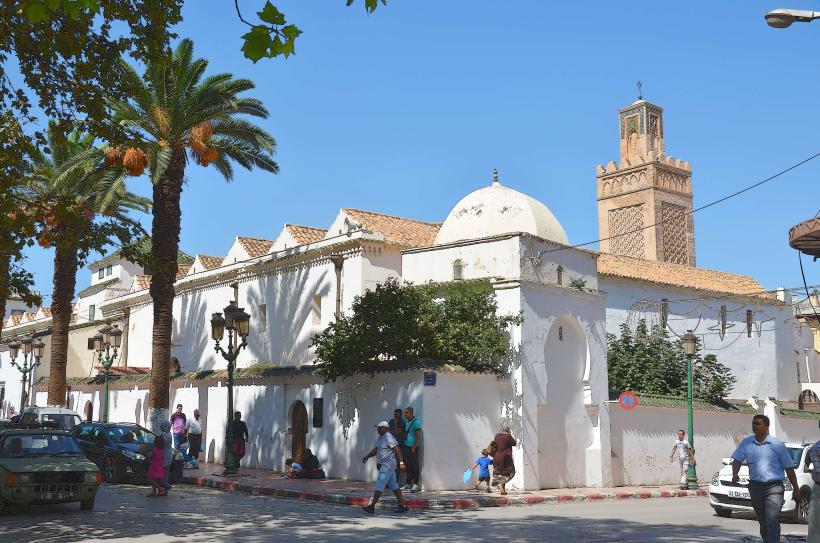
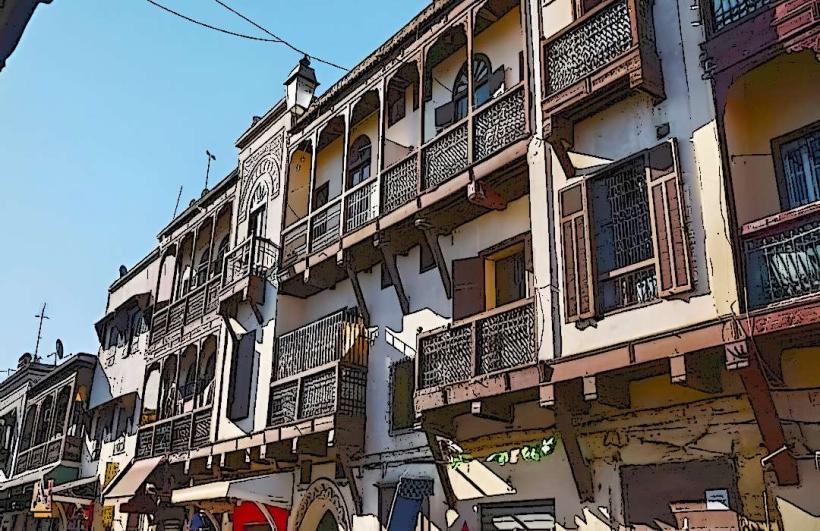
The Medina (El Meddah): The specialized historical core; contains the Great Mosque and the ruins of the Zayyanid palaces.
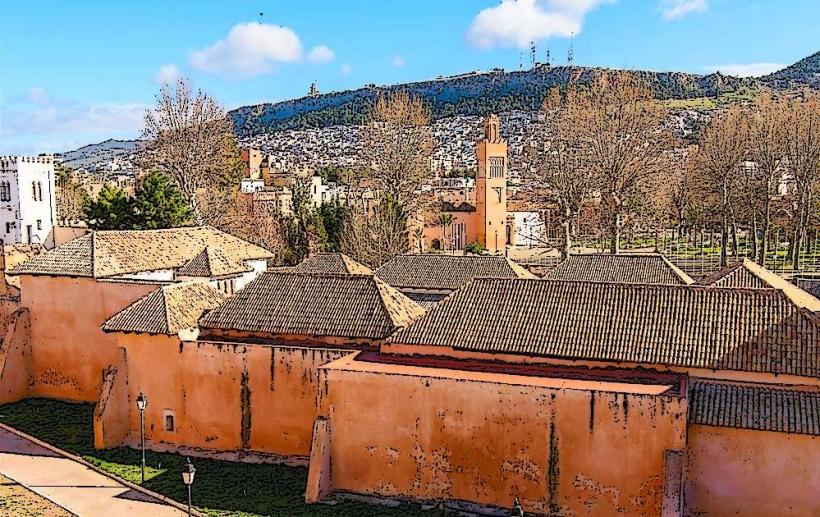
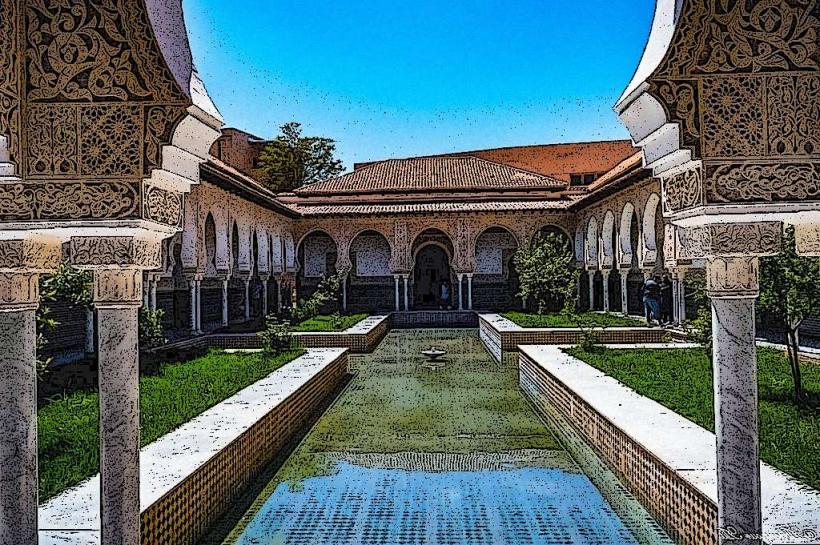
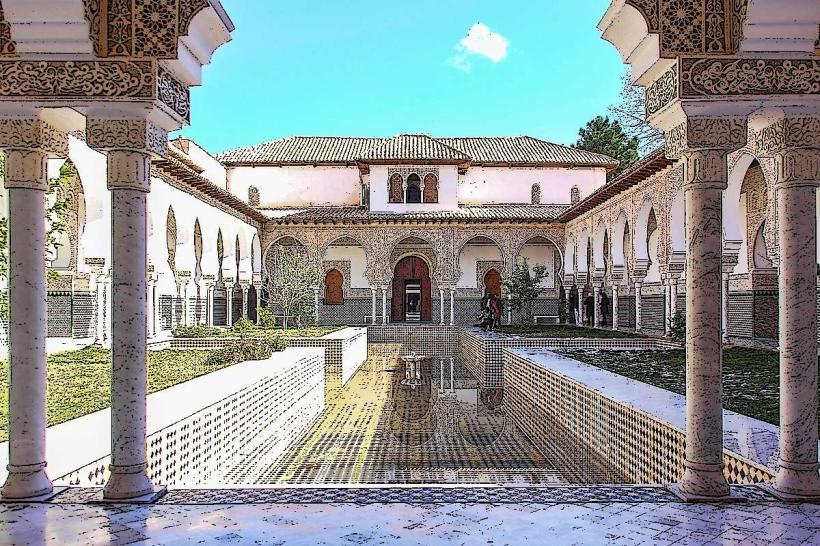
Mechouar: A specialized citadel precinct; formerly the royal residence, now functions as the city's primary cultural and ceremonial node.
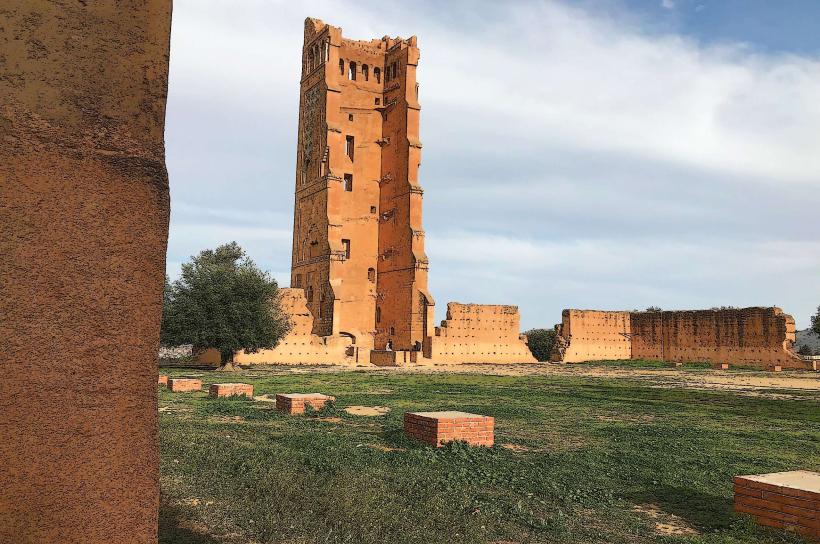
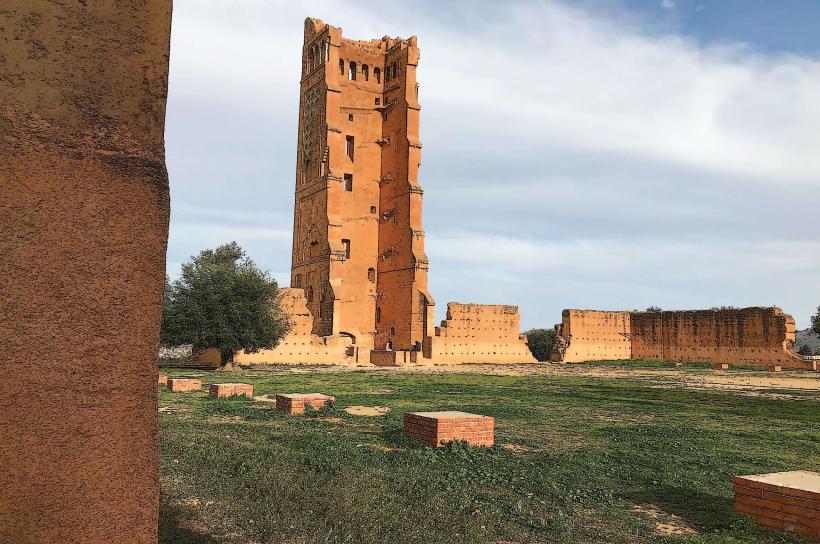
Mansourah: A specialized western district; site of the 14th-century Marinid ruins and the iconic 38-meter minaret.
Lalla Setti: A specialized high-altitude plateau (600m) overlooking the city; serves as the primary tourism and recreation node accessible by cable car.
Hennaya: A specialized northern agricultural satellite; known for its high-density olive and citrus groves.
Top City Landmarks
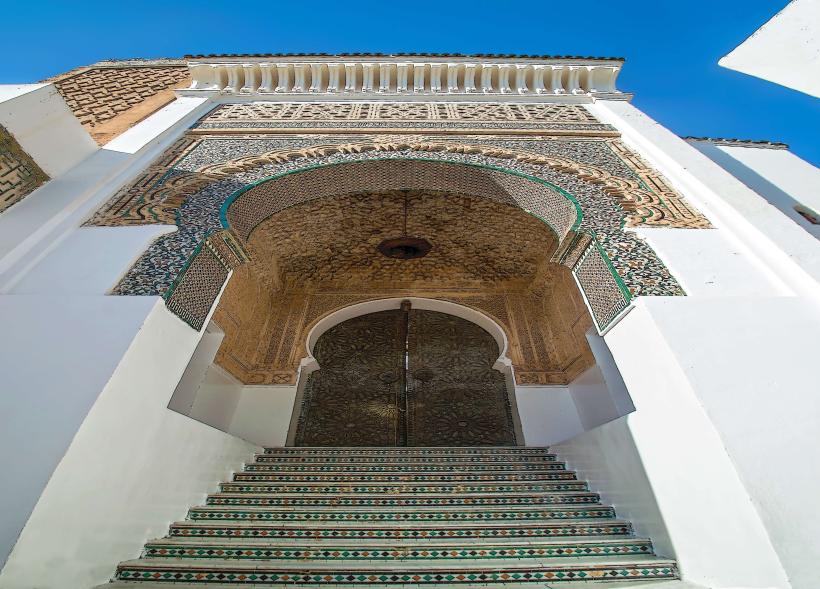
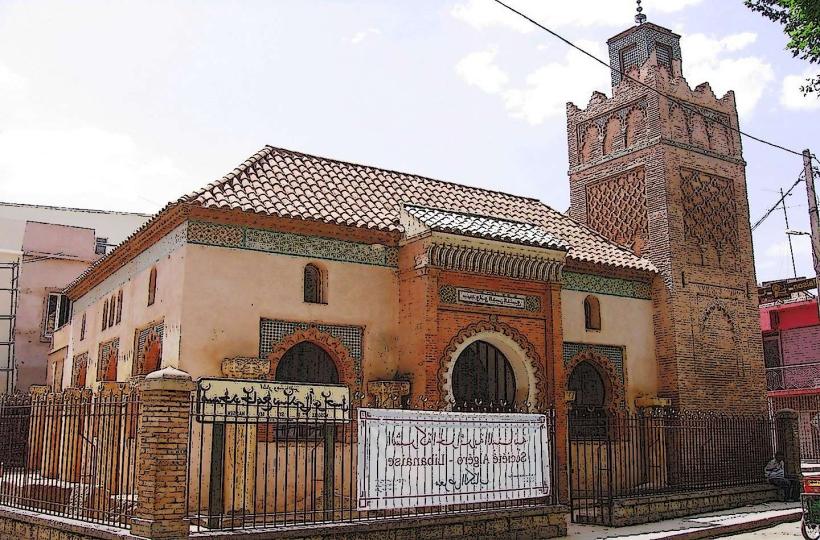
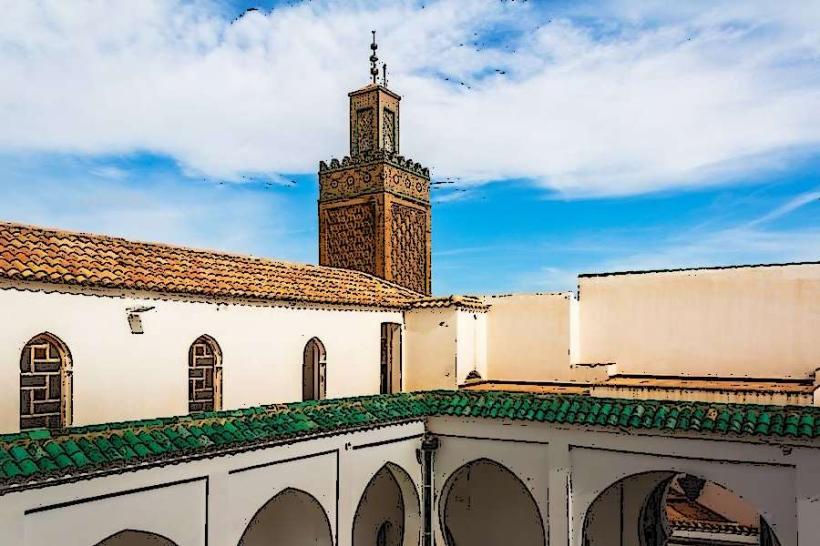
Great Mosque of Tlemcen: A specialized Almoravid masterpiece (1136); features one of the most intricate mihrabs in the Islamic world.
Mansourah Tower: A specialized 14th-century structural remnant of a Marinid mosque; stands as a massive stone sentinel at the city's edge.
Sidi Boumediene Complex: A specialized 14th-century funerary and academic node; dedicated to the patron saint of Tlemcen.
Beni Add Caves: A specialized geological site located 20km east; featuring 20-meter high limestone stalactites.
Eiffel Bridge (El Ourit): A specialized railway viaduct designed by Gustave Eiffel's company; spans the El Ourit waterfalls.
Transportation & 2026 Logistics
Tlemcen Cable Car: The specialized aerial link between the city center and the Lalla Setti plateau; in 2026, it remains the primary logistical bypass for tourists.
Zenata - Messali Hadj Airport (TLM): A specialized international gateway; currently managing a 15% increase in regional arrivals from Europe.
A1 East-West Highway: The specialized logistical spine; connects Tlemcen to Oran (1.5 hours) and the Moroccan border (closed).
Railway Modernization: In 2026, Tlemcen is a priority node for the Western High-Speed Rail feasibility study, aiming to link it with the Oran-Algiers corridor.
Safety & Environment
The general safety level is High. Warning: While the city is stable, mountainous areas toward the border are under specialized military surveillance. Environmental Note: As of January 2026, the "Beni Bahdel Dam Recovery" is a high-priority node, utilizing specialized sensor arrays to monitor water levels after the late 2025 rains.
Local Cost Index (2026 Estimates)
1 Night (Secure Heritage Boutique Hotel): DZD 8,500 – 15,000 (~$60 – $110)
Traditional "Couscous Tlemcenien" Meal: DZD 700 – 1,200
Monthly Rent (2-BR Apartment): DZD 22,000 – 35,000
Secure Taxi (Airport to Center): DZD 1,500 – 2,500
1L Gasoline: DZD 45.00
Facts & Legends
Tlemcen is the site of the "Legend of the Seven Sleepers," a localized version of the Islamic and Christian myth associated with the nearby caves. A verified fact is that Tlemcen is known as the "Jerusalem of the West" due to its density of historical religious sites. Historically, it was the site where the North African "Chedda" bridal costume was developed, which is now a UNESCO-protected cultural heritage item. In 2026, the city remains the specialized global epicenter for "Gharnati Music Research," hosting the annual international symposium in the Mechouar palace.