Information
City: VeszpemCountry: Hungary
Continent: Europe
Veszpem, Hungary, Europe
Veszprém functions as the administrative seat of Veszprém County and is one of the oldest urban centers in Hungary. Known as the "City of Queens" because Hungarian queens were traditionally crowned by the Bishop of Veszprém, it is a primary hub for higher education, chemical research, and automotive engineering. It is defined by its dramatic topography-built on five hills near Lake Balaton-and its 2023 designation as a European Capital of Culture.
Historical Timeline
Veszprém originated as a 9th-century stronghold and became Hungary’s first episcopal seat in 1009. The primary era of governance was the Árpád Dynasty, when it served as a preferred residence for Queen Gisela. The primary event shaping its modern identity was the 20th-century development of the University of Pannonia, which shifted the city’s economic base toward research and chemical industry, followed by a massive cultural infrastructure investment for its 2023 European Capital of Culture tenure.
Demographics & Population
The population is approximately 60,000. The demographic profile is characterized by a high density of university students and research professionals. Hungarian is the official language. The median age is approximately 43 years.
Urban Layout & Key Districts
The city is structured across uneven terrain with a highly vertical historic core.
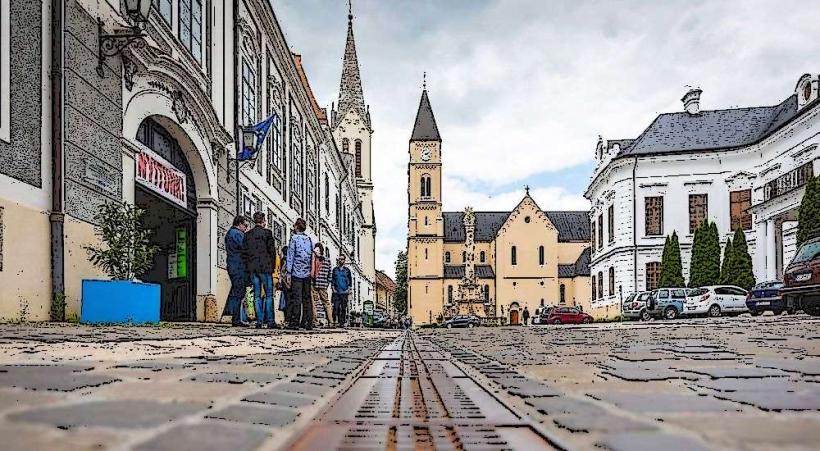
Várnegyed (Castle District): A specialized hilltop pedestrian zone containing the majority of the city's historic monuments.
Egyetemváros (University City): Located south of the center, this district houses the University of Pannonia and associated research labs.
Jeruzsálemhegy: A historic residential hill known for its unique atmosphere and panoramic views.
Jutasi úti lakótelep: A specialized high-density residential zone featuring the city's tallest modernist structures, including the iconic 20-story building.
Top City Landmarks
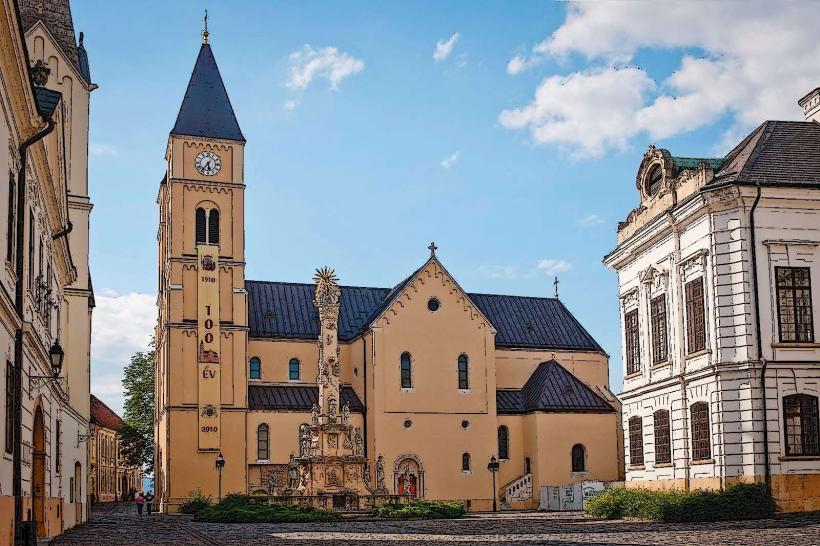
St. Michael’s Cathedral: A specialized site of coronation history; originally Romanesque, it now features a Neo-Romanesque exterior and a Gothic crypt.
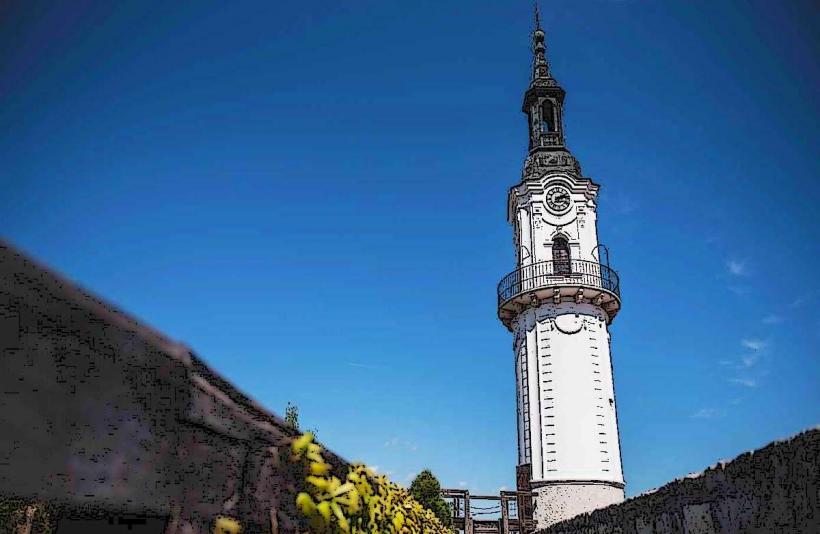
Fire Tower (Tűztorony): A 48-meter specialized landmark with a medieval base and Baroque top, offering 360-degree views.
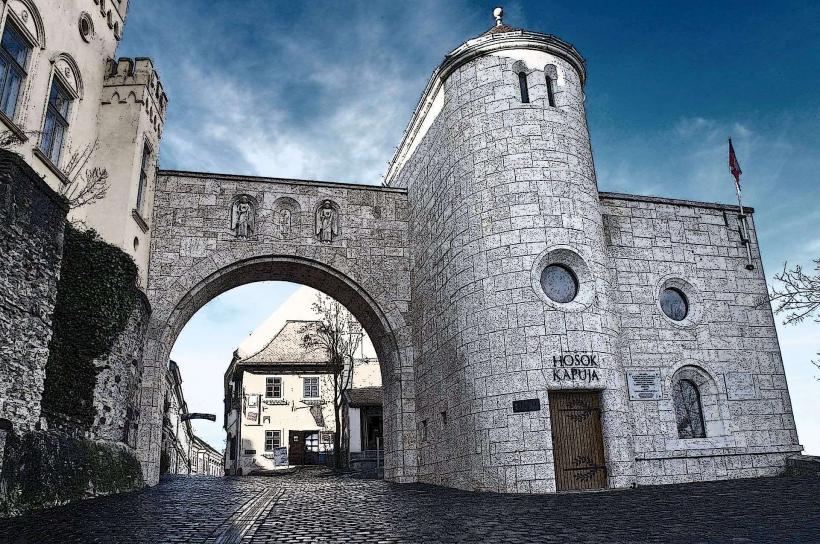
Heroes' Gate (Hősök Kapuja): A specialized Neo-Romanesque gateway serving as the entrance to the Castle District and housing an exhibition on the city's history.
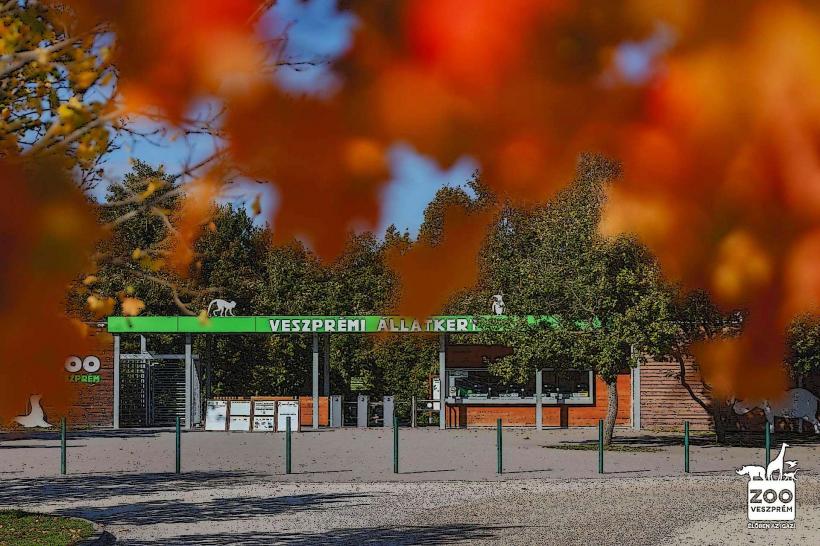
Veszprém Zoo: One of the most significant specialized zoological gardens in Hungary, built in a valley and featuring a large African Savannah enclosure.
Dubniczay Palace: A specialized Baroque palace converted into a museum for contemporary art and the "House of Tegularium" (brick museum).
Saint Stephen Viaduct: A specialized structural engineering landmark (50 meters high) connecting two of the city's hills.
Transportation Network
Veszprém is a critical regional node connecting the Bakony Mountains to Lake Balaton.
Veszprém Railway Station: A major stop on the Budapest–Szombathely line, connecting to Budapest in approximately 1.5 hours.
V-Busz: The municipal bus network, which underwent a total specialized fleet modernization in 2019 to include low-emission vehicles.
Cycling Infrastructure: A specialized network of bike paths connects the city directly to Lake Balaton (15 km away) through the Séd Valley.
8th Main Road: The primary east-west road artery connecting the city to Székesfehérvár and the Austrian border.
Safety & "Red Zones"
The general safety level is exceptionally high. Crime is statistically minimal. There are no "red zones." The city is safe for transit at all hours. Standard caution is advised on the steep, cobbled paths of the Castle District during icy winter conditions.
Digital & Financial Infrastructure
Veszprém is a leader in Chemical Engineering and Automotive Cybersecurity (housing the OPSWAT Critical Infrastructure Cyber Lab). Internet speeds average 100–1000 Mbps. 5G is universal in the city center. Card and mobile payments are standard across all municipal and commercial sectors.
Climate & Air Quality
Veszprém has a temperate continental climate with noticeable wind due to its hilly topography and proximity to the Bakony Mountains. Daytime temperatures range from 1°C in January to 26°C in July. Air quality is generally high, benefiting from the city's "Monasteries and Gardens" park system and the absence of heavy polluting industry.
Culture & Social Norms
Social norms are characterized by a blend of academic formality and a vibrant cultural openness. Tipping (10%) is expected. The primary cultural event is the VeszprémFest (music festival) and the Auer Festival (classical music).
Local Cost Index
1 Espresso: 650 HUF (€1.65)
1 Pint of Beer: 850–1,250 HUF (€2.15–€3.20)
1 Standard Lunch: 3,600–5,600 HUF (€9.20–€14.30)
Nearby Day Trips
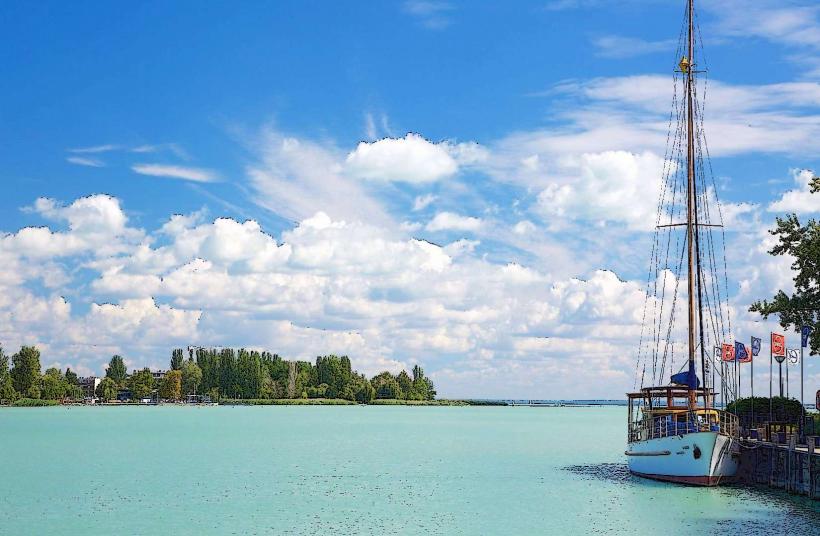
Lake Balaton (Balatonalmádi/Füred): 15-20 mins away; the largest lake in Central Europe.
Herend Porcelain Manufactory: 15 mins away; a specialized world-famous luxury porcelain producer.
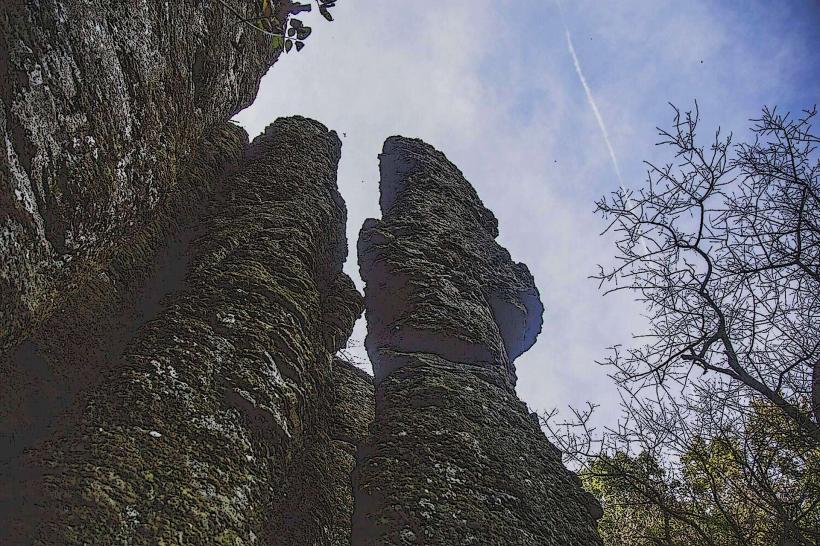
Bakony Mountains: 20 mins away; a specialized region for hiking and geological exploration.
Facts & Legends
Veszprém is the site where the oldest Hungarian university was established in 1276 (later destroyed). Legend states that the city was built on five hills because it was intended to mirror the five fingers of a hand protecting the kingdom. A verified fact is that the city’s Fire Tower plays a specialized local recruitment melody (verbunkos) every hour. Historically, the city’s bishop had the exclusive right to crown the Hungarian queens, a privilege held for over 900 years.