Information
City: WindsorCountry: United Kingdom
Continent: Europe
Windsor, United Kingdom, Europe
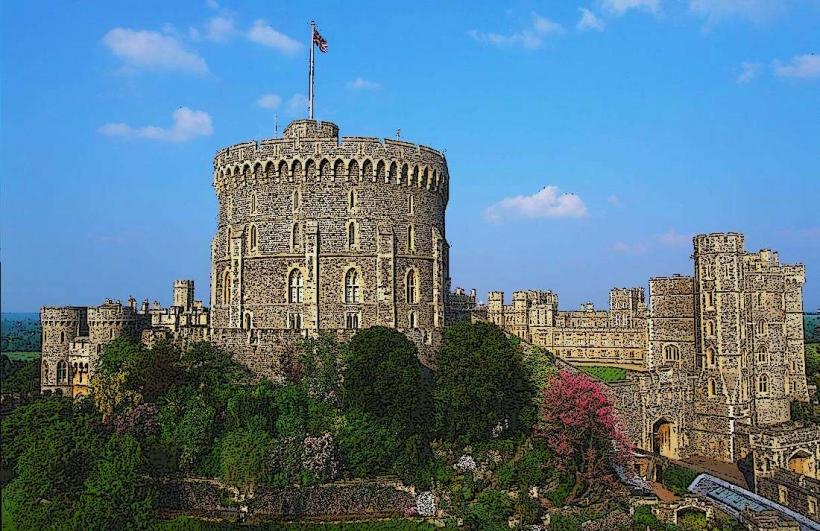
Windsor is a historic market town in Berkshire, situated on the south bank of the River Thames. It is the site of Windsor Castle, the oldest and largest occupied castle in the world, and serves as a principal residence for the British Monarchy.
Visual Characteristics
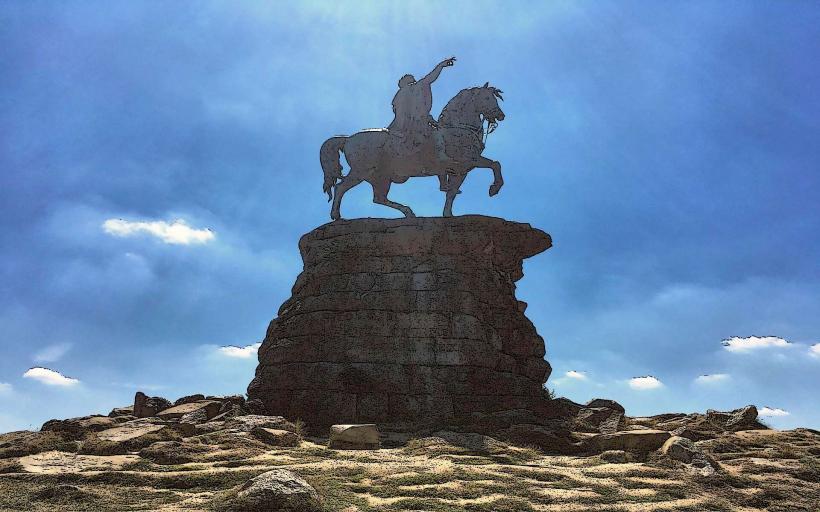
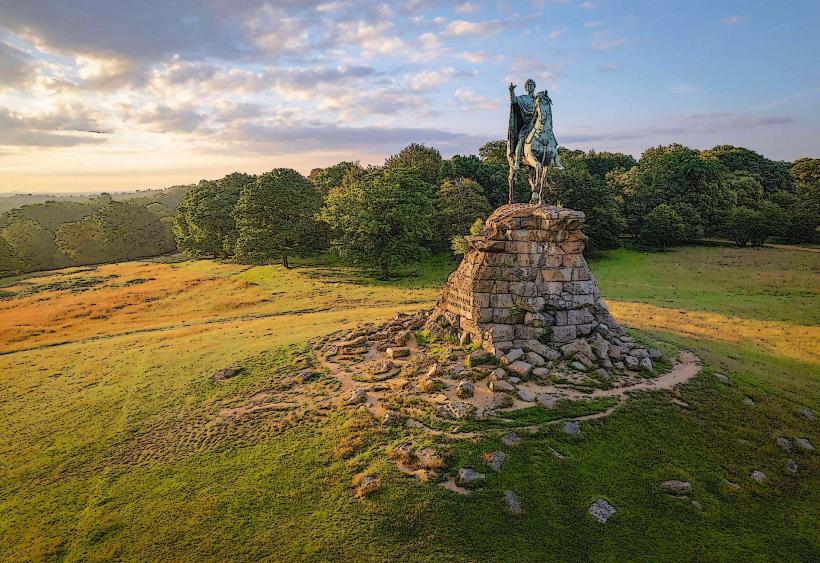
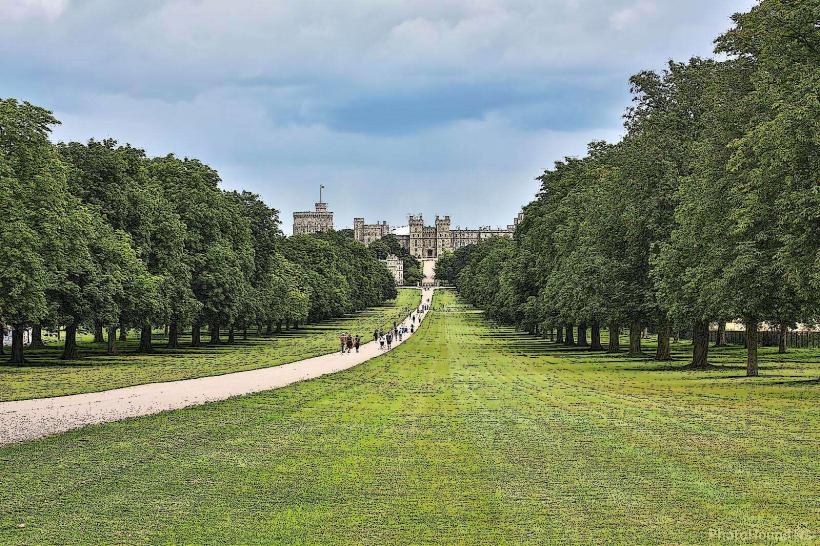
The urban landscape is dominated by the massive stone fortifications of Windsor Castle, which occupies a high-elevation chalk outcrop. The architecture is a high-density mix of medieval timber-framing, Georgian brickwork, and Victorian shopfronts. Key visual anchors include the Round Tower of the castle and the "Long Walk," a 4.2-kilometer straight avenue flanked by double rows of elm and horse chestnut trees. The town is physically connected to Eton by the Windsor Bridge, a pedestrianized cast-iron structure.
Location & Access Logistics
Windsor is located 35 kilometers west of London. It is served by two rail stations: Windsor & Eton Central (shuttle to Slough for high-speed GWR/Elizabeth Line links to London Paddington) and Windsor & Eton Riverside (direct service to London Waterloo). The nearest major airport is London Heathrow (LHR), 12 kilometers east. Vehicle access is via the M4 motorway; the town center experiences extreme traffic density. Parking is concentrated in the Riverway, King Edward VII, and Victoria Street multi-story lots.
Historical & Ecological Origin
The town was established by William the Conqueror around 1070 as part of a defensive ring of motte-and-bailey castles around London. Geologically, Windsor sits on a rare chalk inlier within the Thames Valley, providing the elevated, stable foundation necessary for the castle. The ecology is defined by the River Thames and the Windsor Great Park, a 2,020-hectare former royal hunting forest that contains ancient oak woodlands and the artificial Virginia Water Lake.
Key Highlights & Activities
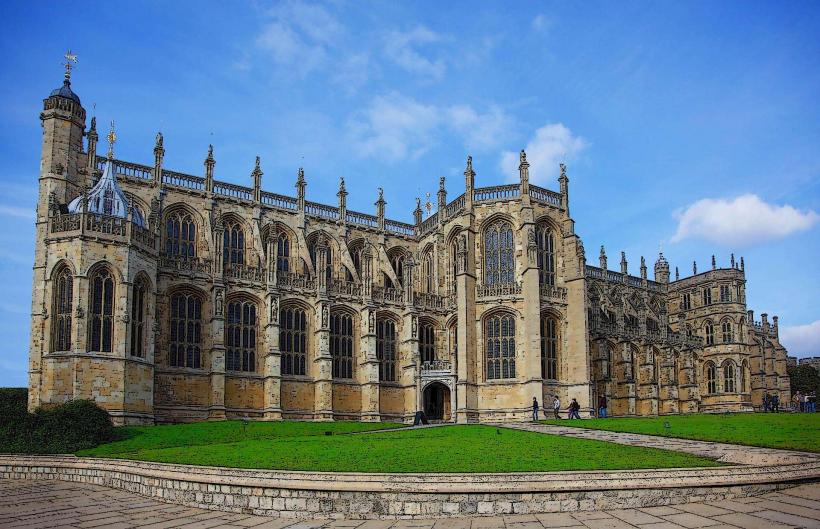
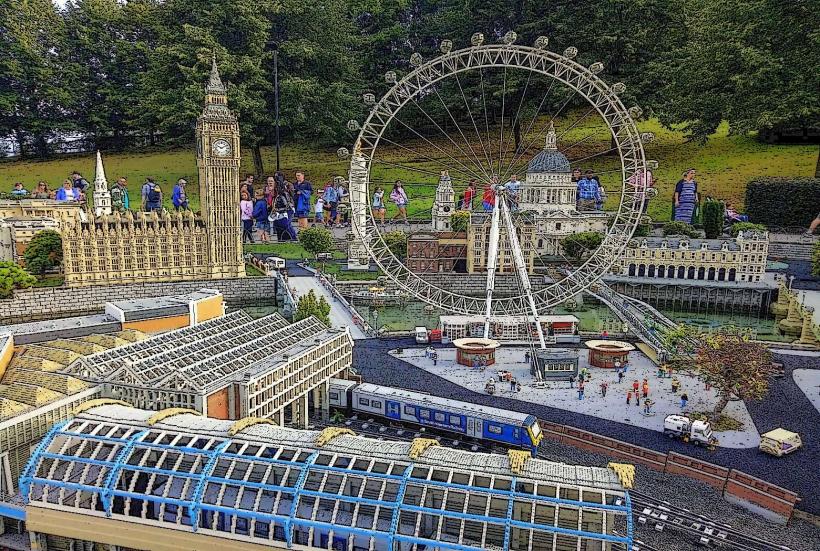
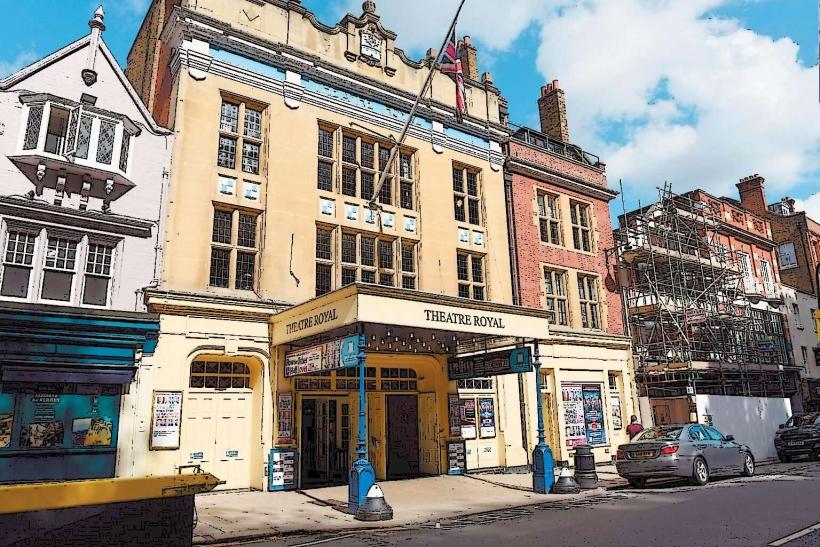
Windsor Castle is the primary destination, featuring the State Apartments and St George’s Chapel, the burial place of 11 monarchs. Legoland Windsor Resort is a major peripheral attraction located 3 kilometers from the center. The Windsor Royal Station is a repurposed Victorian railway terminal converted into a high-density shopping arcade. Boat tours and rowing on the Thames are central recreational activities. The Theatre Royal Windsor is a premier regional venue for commercial drama.
Infrastructure & Amenities
The city center is equipped with public restrooms in the Windsor Royal Station and near the Bachelor's Acre park. 5G cellular coverage is universal. The town has high-density pedestrian zones, particularly around the Castle Hill and Peascod Street. Retail is concentrated in the Windsor Royal Station and the Daniel department store. Dining is densest along the High Street and Thames Street, specializing in traditional British afternoon tea and high-end gastro-pub fare.
Best Time to Visit
The climate is temperate oceanic. May through September is optimal for visiting the Great Park and river activities, with temperatures between $18^{\circ}\text{C}$ and $24^{\circ}\text{C}$. The Royal Windsor Horse Show (May) and Garter Day (June) are peak cultural periods with significant security-related access restrictions. Photography of the castle is best from the Long Walk at sunrise.
Facts & Legends
The House of Windsor, the current British Royal Family, took its name from the town in 1917. A local historical oddity: the "Crooked House of Windsor" (Market Cross House) leans significantly due to the use of unseasoned green oak during its 1687 reconstruction. Legend holds that the spirit of Herne the Hunter, a medieval woodsman with stag antlers, haunts the Windsor Great Park, appearing as an omen of ill fortune for the monarch.
Nearby Landmarks
Windsor Castle: Central hub
St George’s Chapel: Located within Castle precincts
The Long Walk: 0.2km South of Castle
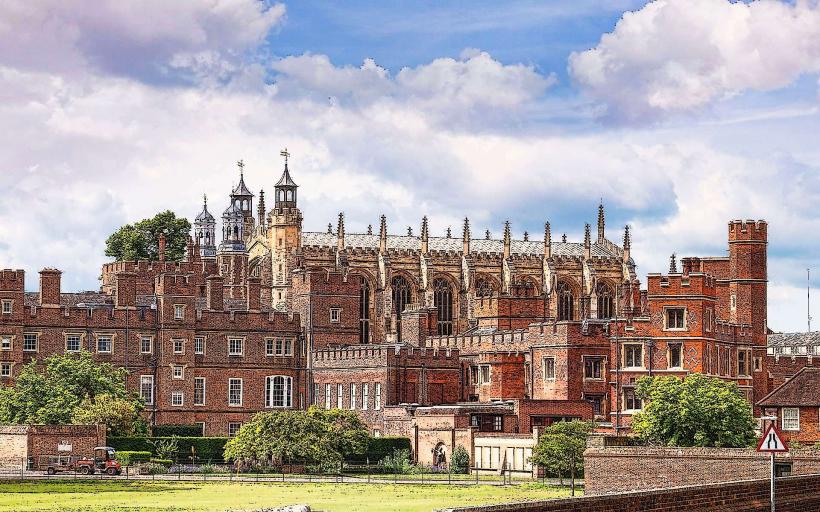
Eton College: 0.8km North (across Windsor Bridge)
Windsor Great Park: 1.0km South of center