Information
City: YambolCountry: Bulgaria
Continent: Europe
Yambol, Bulgaria, Europe
Yambol functions as the primary logistical and archaeological hub of the southeastern Thracian Plain. Situated on both banks of the Tundzha River, it serves as a specialized node for Thracian royal history, Ottoman civil architecture, and heavy chemical manufacturing. It is defined by its shared custody of the Kabile Archaeological Reserve, its unique indoor Bezisten (market), and its 2026 role as a strategic terminal for the Bulgaria-Turkey cross-border investment program.
Historical Timeline
2nd Millennium BC: Established as the Thracian settlement of Kabile, becoming the political and religious center of the Odryssian Kingdom.
341 BC: Conquered by Philip II of Macedon; later served as a residence for Alexander the Great.
Roman Era: Renamed Diospolis (City of Zeus) by Emperor Diocletian in 293 AD, serving as a vital military camp for the Thracian province.
Ottoman Period: Transitioned into a significant market town known for its grain and cloth trade.
2026 Context: On January 1, 2026, Yambol integrated into the Eurozone, with the 2026 "Cultural Tourism Year" initiative focusing on the digitalization of the Kabile site and the 2021-2027 cross-border infrastructure projects with Turkey.
Demographics & Population
The urban population is approximately 62,600 (2026 estimate), showing a stabilized decline typical of the region. The demographic is specialized toward mechanical engineering, chemical processing (polyester fibers), and agro-industrial technology. Yambol maintains a high employment rate (78.2%) and is characterized by a high degree of alignment between its vocational education system and the requirements of its specialized chemical and food industries.
Urban Layout & Key Districts
City Center: A specialized pedestrian zone featuring the unique Ottoman Bezisten and the administrative administrative heart of the Yambol Province.
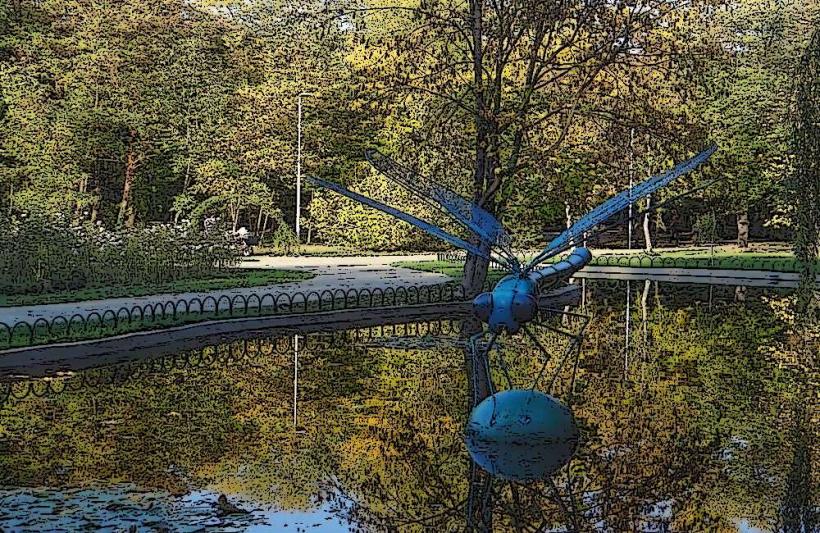
The City Park (The Island): A specialized 20-hectare recreational zone situated on an island in the Tundzha River; it is considered one of the most well-maintained urban parks in Bulgaria.
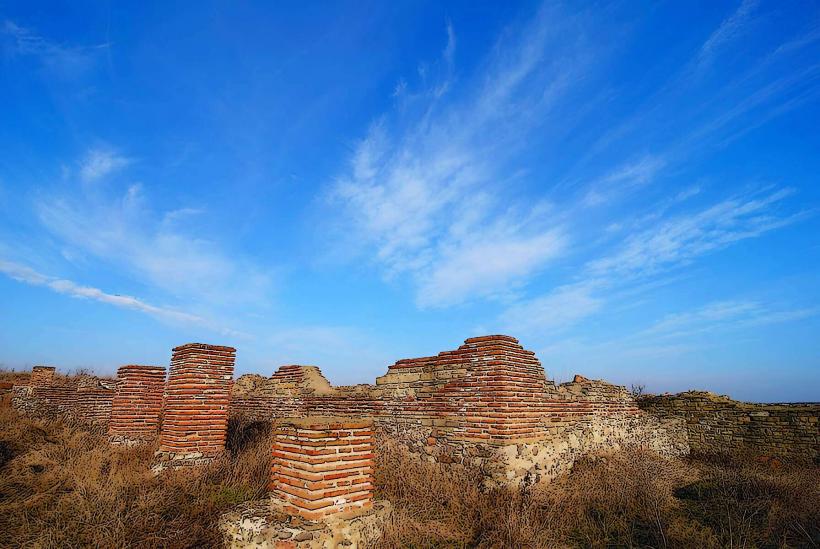
Kabile Archaeological Reserve: A specialized 60-hectare site located 6 km north of the city center; it is the only large Thracian city in Bulgaria not built over by modern settlements.
Industrial Zone: Located in the eastern sector, specializing in the production of polyester fibers (Yambolen JSC) and machinery.
Top City Landmarks
The Bezisten (Covered Market): A specialized 16th-century Ottoman structure; it is the only one of its kind preserved in Bulgaria. In 2026, it houses a high-tech Interactive Museum utilizing 5-language multimedia systems to simulate historical journeys.
Kabile Archaeological Reserve: A specialized National Monument featuring a rock-cut acropolis dedicated to the goddess Cybele, Roman thermae, and two early Christian basilicas.
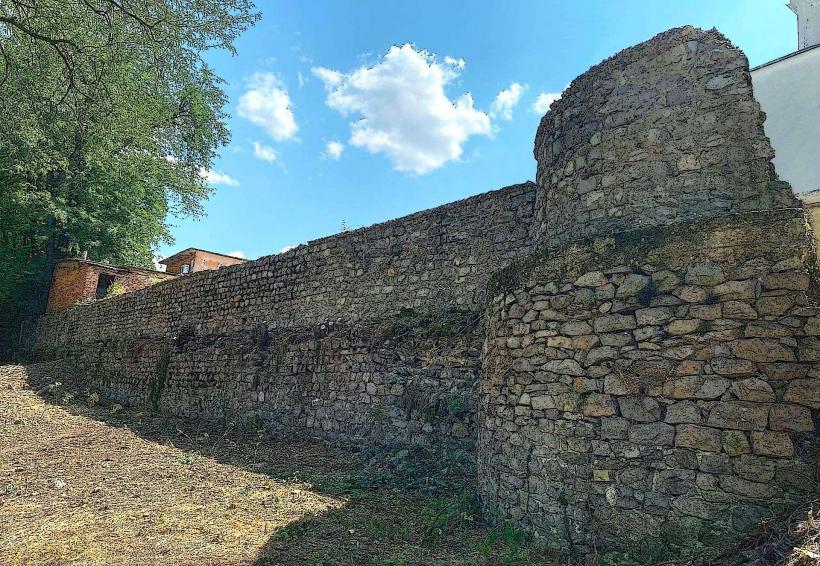
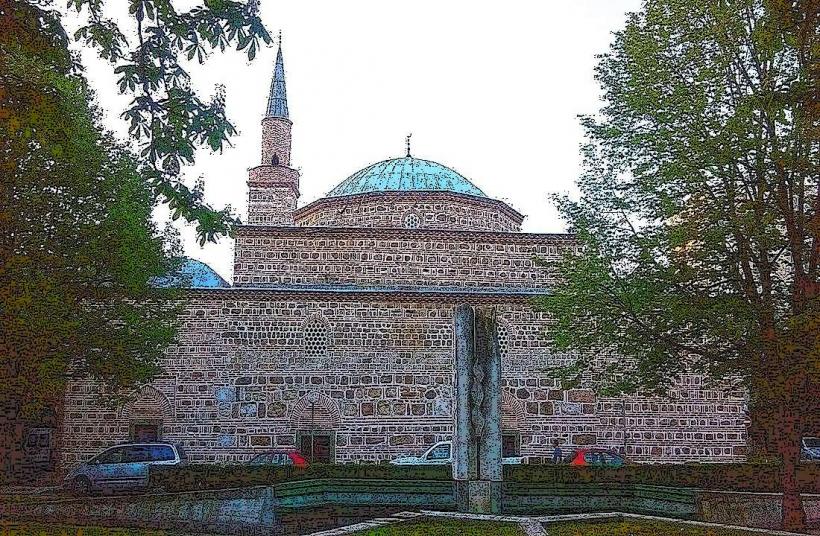
Eski Mosque: A specialized 15th-century structure; it is the only remaining Muslim place of worship in the city, notable for its stone construction derived from the Medieval Yambol Fortress.
Museum of Battle Glory: A specialized museum documenting Bulgarian military history, featuring one of the country's most significant collections of restored tanks and armored vehicles.
George Papazov Art Gallery: Housed in a specialized 19th-century military building, containing over 3,000 works by major Bulgarian and European masters.
Transportation & 2026 Logistics
Highway Link: Strategically positioned near the A1 (Trakia Highway), providing a 3-hour transit to Sofia and 1-hour transit to the Port of Burgas.
Logistics Hub: Serves as a primary rail node on the Sofia–Burgas line. In 2026, Yambol is a beneficiary of the €19.6 million Bulgaria-Turkey Cross-Border Cooperation Programme, focusing on regional transport efficiency and sustainable logistics.
Aviation: Historically significant for the Yambol Zeppelin Base (WWI), the southernmost airship base in Europe.
Safety & Environment
The general safety level is high, with a statistically low crime rate and a high clearance rate for local law enforcement. Warning: The Tundzha River valley is prone to heavy fogs and high humidity, which can affect visibility on the SH7 highway during autumn and winter. In 2026, the city uses a specialized "Green Energy" monitoring system to regulate emissions from the industrial sector, particularly the chemical processing plants.
Local Cost Index (2026 Estimates)
1 Espresso: 2.50 – 4.50 BGN (€1.25 – €2.30)
1 Shumensko/Kamenitza Beer: 3.50 – 5.50 BGN
Bezisten Interactive Museum Entry: 10.00 – 15.00 BGN
Monthly Rent (1-BR Center): 450 – 750 BGN
Specialized Cuisine & Agriculture
Kabile Wine: The region produces specialized red wines that are internationally recognized, utilizing the fertile Tundzha valley soil.
Agro-Logistics: The region is a specialized center for tobacco and sunflower production, integrating 2026 drone technology for precision crop management.
Facts & Legends
Yambol is the site where the first Zeppelin flight over Africa originated (1917, Flight L59). Legend states that the Bezisten and Eski Mosque were built using the stones of the unconquerable medieval fortress of Yambol after it fell in 1373. A verified fact is that the Kabile site is the only place in Bulgaria where a Thracian acropolis, a Roman military camp, and a Byzantine bishop’s seat can be studied as an uninterrupted sequence. Historically, the city’s motto is: "Coming from the remote past, going to the future."