Information
Landmark: Abbey GardensCity: Pannonhalma
Country: Hungary
Continent: Europe
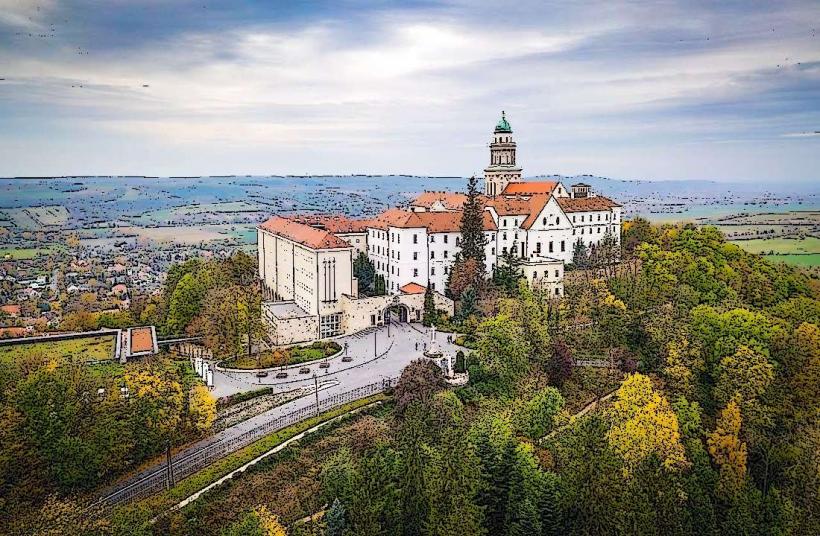
Abbey Gardens, Pannonhalma, Hungary, Europe
Overview
Frankly, At the Pannonhalma-archabbey_pannonhalma" class="underline">Pannonhalma Archabbey, the Abbey Gardens weave lush greenery with Benedictine traditions that have endured for centuries, making them a vital piece of this UNESCO World Heritage Site, then these gardens, created to nurture the monastery’s spiritual and intellectual life, invite quiet walks, thoughtful study, and the discovery of its rich cultural heritage.Rooted in the Rule of Saint Benedict, monks have long tended gardens where the rhythm of pulling weeds and smelling fresh herbs offered both labor and quiet reflection, consequently at first, the gardens were planted with herbs, healing plants, and vegetables to feed the monastery, their neat rows a quiet emblem of self-sufficiency, maybe Truthfully, Over the centuries, the Abbey Gardens grew to welcome luminous ornamental flowers, tall trees, and carefully shaped paths winding through the grounds, in addition today, the gardens unite useful horticulture with artful landscaping, where neat rows of herbs meet bursts of colorful blooms.Abbey Gardens boasts several standout features, from its winding flower paths to the historic stone fountain tucked beneath a canopy of trees, and the Herb Garden carries on the Benedictine tradition, growing herbs for cooking, healing, and their fragrant scent-think rosemary warm in the sun.It appears, Plants include lavender, thyme, basil, rosemary, chamomile, and a few other healing herbs with fragrant leaves, subsequently products: The abbey’s shop sells teas, fragrant oils, and sweet liqueurs made from its own freshly picked herbs.Number two, not only that founded in the 19th century, the arboretum stretches wide with towering pines and rare blossoms from far-off lands.Key Species: You’ll find oaks, maples, and linden trees here, along with rarities like the fan-shaped ginkgo biloba, alternatively biodiversity offers shelter to countless birds and other wildlife, from a robin’s nest in the hedgerow to foxes moving through the undergrowth, strengthening the balance of life in the area.Shaded walking trails wind through the area, offering visitors cool relief and sweeping views of the rolling hills, in turn number three.Frankly, The lavender fields, with their rows of soft purple blooms, are among the Abbey Gardens’ most beloved sights, moreover farmers cut lavender in full bloom, its scent drifting through the air, to make essential oils, soaps, and a range of other products.Seasonal highlight: Lavender bursts into bloom from late June through July, drawing visitors with its vivid purple and the sweet, warm scent that lingers in the air, therefore number four.Ornamental Gardens Design: Geometric flower beds lead the eye toward sparkling fountains and weathered stone statues, all adding to the abbey’s charm, at the same time seasonal plants keep the gardens lively, with blooms shifting from spring tulips to autumn mums so there’s always a splash of color.As far as I can tell, Five, not only that the abbey’s vineyard lies in the Pannonhalma Wine Region, one of Hungary’s oldest wine-making areas, where rows of sunlit grapes stretch toward the hills, partially Grapes come in many varieties, like crisp Riesling, smooth Pinot Blanc, and fragrant Traminer, alternatively the monks tend the vineyard, guiding every row of vines, and craft the wine with a blend of age-heritage techniques and modern precision.In the monastery’s gardens, neat rows of herbs and vegetables show how sustainable living works, proving that natural resources can be used wisely and with care, therefore visitors can join hands-on workshops in gardening, herbal medicine, and eco-friendly practices, from planting seedlings to mixing fragrant herbal teas.The gardens double as outdoor classrooms, where visitors learn why biodiversity matters and how to live sustainably, sometimes pausing to touch the rough bark of an ancient oak, moreover spiritual Reflection: In the gardens’ quiet stillness, where the scent of lavender drifts through the air, visitors find a region for meditation, prayer, and deep thought-perfectly in step with the abbey’s spiritual mission, fairly Community and tourism come together in the gardens, drawing visitors from every corner of the globe, and here, conversations flow between languages under the shade of heritage lindens, sparking cultural exchange and a deeper love for Hungary’s natural heritage.It appears, The Abbey Gardens sit inside the Pannonhalma Archabbey complex, just outside the town of Pannonhalma, Hungary, where lavender lines the paths in summer, in conjunction with guided tours let you dive into the gardens’ history and meaning, with friendly guides pointing out details like the scent of antique rose bushes or the age of a weathered stone wall.Oddly enough, Walking Trails: Wander through the arboretum, then follow the smooth, leaf‑dappled paths into the quiet surrounding woods, consequently seasonal events invite you to stroll through lavender festivals, sip rich wines at tastings, and get your hands dirty in garden-themed workshops, mildly Photography: The gardens burst with scenes worth capturing-from sunlit rows of lavender to quiet corners where shadows play on stone, not only that for the best experience, come in spring or summer, when the gardens burst with color and the scent of fresh blossoms fills the air.Most paths are easy to navigate, though you might hit a patch of rocky ground here and there, meanwhile abbey Shop: Browse shelves lined with herbal remedies, local wines, and keepsakes crafted from the garden’s bounty.The Abbey Gardens capture the Benedictine spirit of living closely with nature, from the soft rustle of herbs to the careful tending of each plot, consequently they’re more than just charming-they stand as a living symbol of the abbey’s deep bond with the land, its spiritual heart, and the spark of human imagination, like sunlight catching on worn stone.Visitors can wander through the gardens, breathing in the scent of fresh herbs, as they reconnect with nature and uncover Pannonhalma’s deep cultural and spiritual roots.
Author: Tourist Landmarks
Date: 2025-10-07