Information
Landmark: Ba Vi National ParkCity: Hanoi
Country: Vietnam
Continent: Asia
Ba Vi National Park, Hanoi, Vietnam, Asia
Ba Vi National Park is a stunning natural area located in the Ba Vi Mountain Range, about 60 km west of Hanoi, Vietnam. It is famous for its lush forests, diverse wildlife, and rich history, making it a popular destination for nature lovers, hikers, and those seeking tranquility close to the capital. Here are some key highlights of Ba Vi National Park:
1. Natural Beauty
- Ba Vi Mountain Range is part of the Red River Delta and consists of three main peaks: Tay Con Linh Peak (1,296 meters), Vua Peak (1,296 meters), and Ngoc Hoa Peak (1,120 meters). The park covers an area of around 10,000 hectares, with dense tropical forests, diverse flora, and dramatic landscapes.
- The park is known for its cool climate and beautiful views. The higher altitudes offer sweeping panoramas of the surrounding valleys, rivers, and forests.
2. Biodiversity
- Ba Vi is rich in biodiversity and hosts over 1,000 species of plants, including rare and valuable species like Cinnamomum and Ginseng. The park also supports a variety of wildlife, including monkeys, deer, wild boars, and several species of birds.
- The park is also home to some medicinal plants, which have been traditionally used by local people.
3. Hiking and Outdoor Activities
- Ba Vi National Park is a great destination for hiking and outdoor activities. The trek to the top of the mountain offers stunning views of the surrounding landscape, with trails leading through dense forests, ancient trees, and scenic spots.
- One of the most popular hikes is to the Tay Con Linh Peak, which offers panoramic views of the valley below.
- There are also several waterfalls in the park, such as Ao Vua Waterfall, which is a favorite spot for visitors to enjoy nature and relax.
4. Historical and Cultural Significance
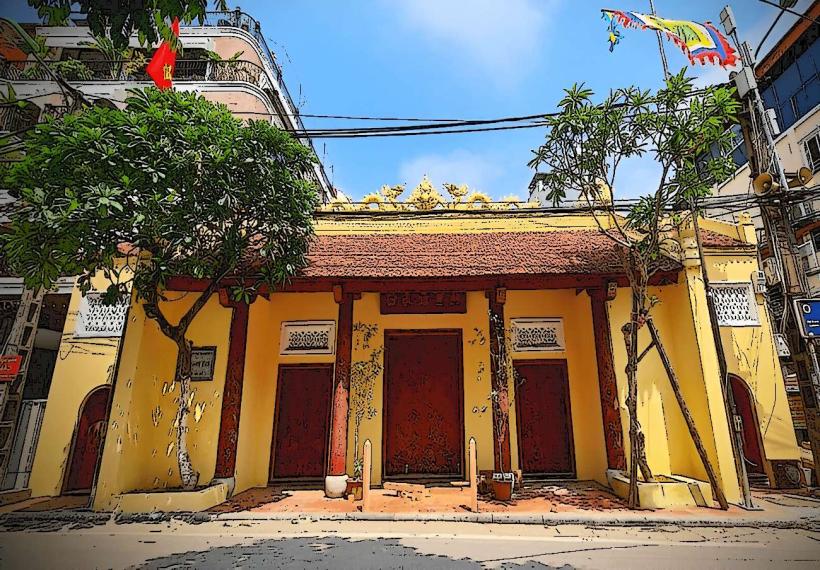
- Ba Vi is not just a natural reserve but also a place of historical importance. There are several cultural and religious landmarks in the park, including the Ba Vi Temple dedicated to the worship of the mountain gods.
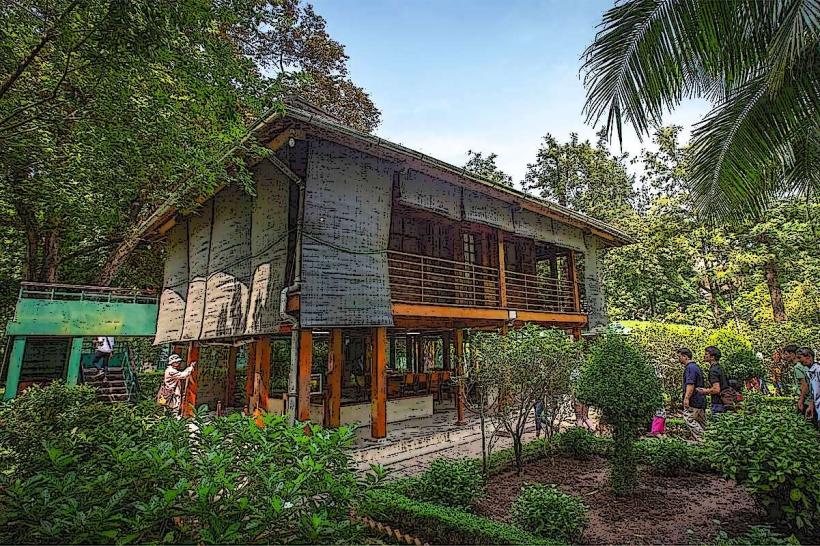
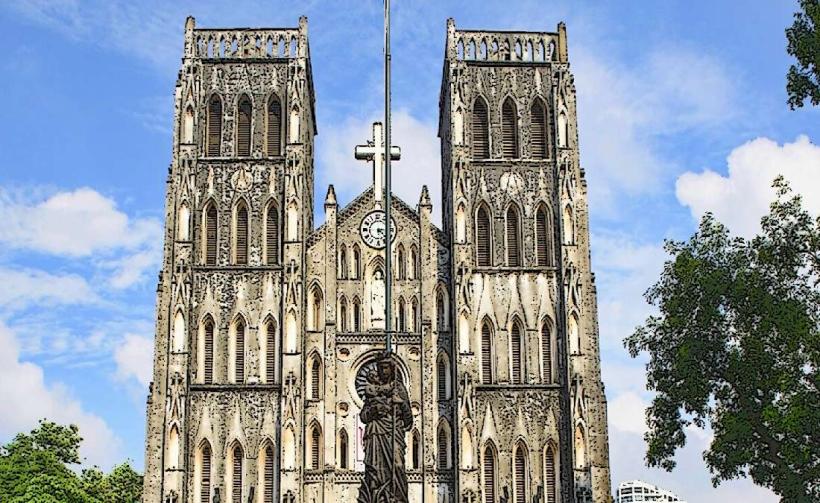
- During the French colonial era, Ba Vi was developed into a hill station, and remnants of this period can still be seen in the form of old buildings and structures, such as the French villa and Ba Vi Church.
- The park also has a historic military site from the Vietnam War. The Ba Vi National Park Museum showcases the area's rich history and the local ethnic minorities.
5. Ba Vi's Famous Attractions
- Ba Vi Mountain (Vua Peak): Known for its panoramic views and cool climate, it is a popular destination for hiking and sightseeing.
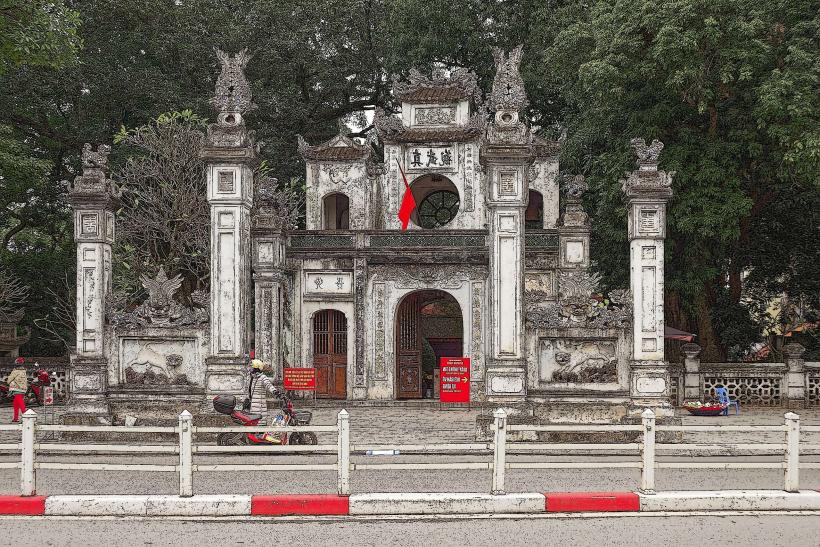
- Ba Vi Temple: Located on the mountain, this temple is dedicated to the gods who are believed to protect the area.
- The French Village and Church: Remains from the colonial era, including the old church and villas, add a historical charm to the park.
- The Ba Vi National Park Information Center: A great place to learn more about the park's flora, fauna, and conservation efforts.
6. Climate
- Ba Vi has a temperate climate, which is cooler than Hanoi, making it a popular escape from the city’s heat, especially during the summer months. The climate at higher altitudes can be misty and chilly, with temperatures often dropping in the evenings.
- The park is lush and green year-round, with a particularly beautiful atmosphere during the spring and autumn when the weather is pleasant.
7. Accessibility
- Ba Vi National Park is easily accessible from Hanoi. It takes around 1.5 to 2 hours by car or bus from Hanoi to reach the park. The road to the park is well-maintained, and visitors can also take a motorbike for a more adventurous journey.
- Once at the park entrance, you can take a cable car to Tay Con Linh Peak or hike up. The park has well-marked trails for different levels of difficulty, from easy walks to challenging hikes.
8. Eco-Tourism and Conservation
- Ba Vi National Park is an important ecological area for the preservation of wildlife and plants. As an eco-tourism destination, the park aims to balance the needs of tourism with conservation. There are efforts to protect rare species and manage the park’s resources sustainably.
9. Tourism and Facilities
- Ba Vi National Park has several facilities for visitors, including guesthouses, picnic areas, and restaurants offering local food. The park is well-equipped to accommodate visitors who wish to stay overnight and explore more of the park’s natural beauty.
- For those who enjoy camping, there are designated camping areas near Ao Vua and other scenic spots.
10. Best Time to Visit
- The best time to visit Ba Vi National Park is from September to March, when the weather is cool and dry, perfect for hiking and exploring the outdoors. However, the park's beauty can be enjoyed year-round.
Summary
Ba Vi National Park offers a mix of natural beauty, historical landmarks, and outdoor activities. Whether you are looking to enjoy the cool mountain air, hike through dense forests, or explore cultural relics, Ba Vi is a fantastic destination for nature enthusiasts and those seeking a peaceful escape from Hanoi.