Information
Landmark: Boca do InfernoCity: Cascais
Country: Portugal
Continent: Europe
Boca do Inferno, Cascais, Portugal, Europe
Boca do Inferno (Hell's Mouth) is a dramatic chasm in the seaside cliffs located west of Cascais. It is one of the most famous geological features on the Portuguese coast.
Visual Characteristics
The site is a collapsed sea cave forming a natural arch and an open pit in the limestone cliffs. During high tide or storms, the Atlantic waves crash into the cave with immense force, creating a "cauldron" effect where water is ejected upward through the opening, accompanied by a booming sound. The surrounding terrain is characterized by sharp, jagged rock formations shaped by centuries of wind and salt erosion.
Location & Access Logistics
Located on the Estrada do Cabo Raso, it is approximately 2 kilometers (a 20-minute walk) west of Cascais center and the marina. A dedicated bike path and pedestrian walkway connect the town to the site. Access is free and open 24 hours a day. There is a small, free parking lot nearby, though it fills quickly during weekends.
Historical & Ecological Origin
The formation was created by the continuous erosive action of the ocean against the soluble limestone. Over time, the rear of the sea cave collapsed, leaving the archway intact but creating the characteristic open pit. Historically, the site gained international notoriety in 1930 when the occultist Aleister Crowley faked his own death there with the assistance of poet Fernando Pessoa.
Key Highlights & Activities
Observation Platform: A fenced walkway allows visitors to look directly down into the chasm.
Sunset Viewing: This is a premier location for watching the sunset over the Atlantic.
Angling: Local fishermen are frequently seen perched on the surrounding high cliffs.
Artisanal Market: A small cluster of shops nearby sells traditional Portuguese ceramics and lace.
Infrastructure & Amenities
The area includes a restaurant (Mar do Inferno), a cafe, and public restrooms. 5G cellular coverage is consistent. The primary observation deck is accessible, but the rocky areas beyond the fenced paths are uneven and potentially hazardous.
Best Time to Visit
The most impressive displays occur during high tide or when the sea is rough (typically in winter), as the water interaction is most violent. Late afternoon is ideal for photography due to the direct light on the cliffs.
Facts & Legends
The site was the subject of one of the world's first moving pictures, the 1896 British film A Sea Cave Near Lisbon. A verified fact: The "Hell's Mouth" name is shared with several other coastal formations globally, but this Cascais site remains the most historically cited in European literature.
Nearby Landmarks
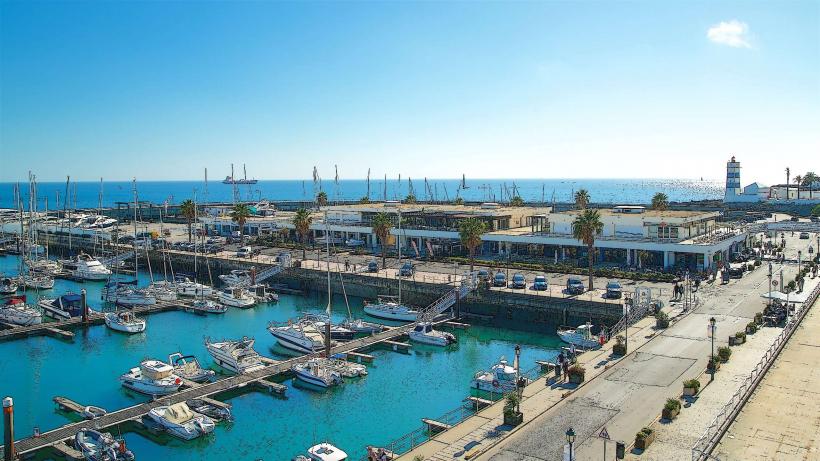
Cascais Marina: 1.5km East
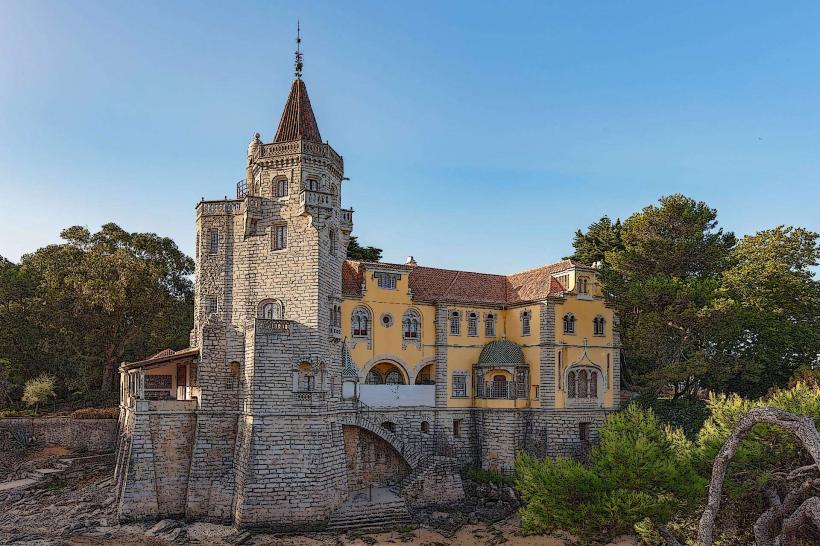
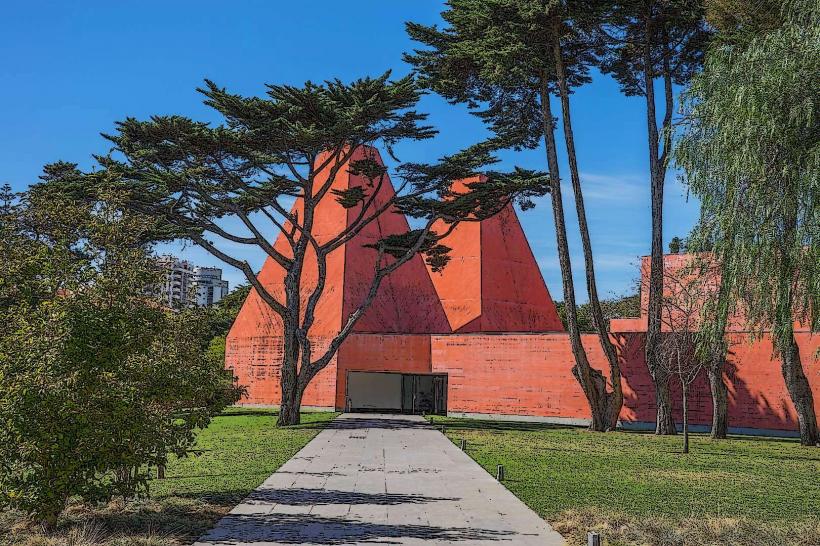
Paula Rego Historical House: 1.7km East
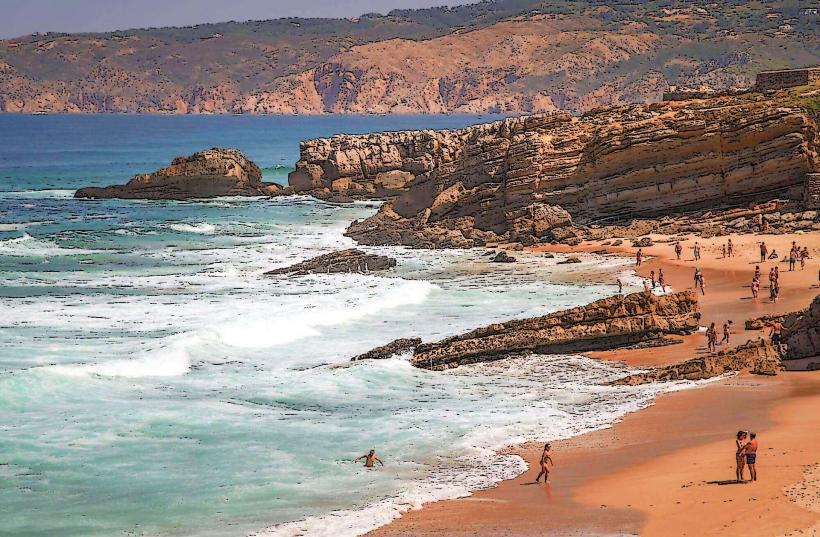
Guincho Beach: 7km West
Cabo da Roca: 15km Northwest