Information
Landmark: Buinichi Field Memorial ComplexCity: Mogilev
Country: Belarus
Continent: Europe
Buinichi Field Memorial Complex, Mogilev, Belarus, Europe
The Buinichi Field Memorial Complex is a war memorial situated approximately 10 kilometers southwest of Mogilev, Belarus. It commemorates the heroic defense of Mogilev during the initial stages of World War II in 1941.
Visual Characteristics
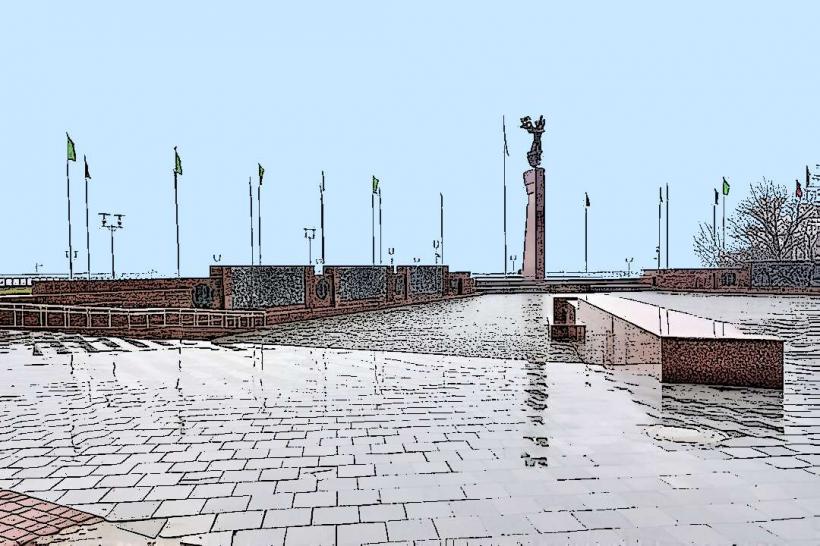
The complex features a central arch, 27 meters high, which serves as the main entrance. This arch is constructed from concrete and faced with granite. Beyond the arch, an alley leads to a red-brick chapel, topped with a dome and a cross. The chapel's interior walls display memorial plaques. Surrounding the central area is an open-air exhibition of military equipment, including tanks, artillery pieces, and anti-aircraft guns, all painted in military green. The field itself is largely open grassland, with some planted trees along the memorial alleys.
Location & Access Logistics
The memorial is located directly off the M8 highway (E95), approximately 10 kilometers southwest of Mogilev city center. From Mogilev, follow the M8 highway towards Gomel. A dedicated turn-off with clear signage leads directly to the complex. Ample free parking is available on-site for private vehicles. Public transport options include local bus routes from Mogilev, such as bus number 3, which stops near the complex entrance.
Historical & Ecological Origin
The Buinichi Field Memorial Complex was officially opened in 1995. It was designed by architects O. Baryshevich and K. Alekseev, with sculptor V. Lyakh. The complex was established on the historical site where Soviet forces, including the 388th Rifle Regiment and militia units, fiercely resisted the German advance for 23 days in July 1941. The field itself is a natural open plain, historically used for agriculture.
Key Highlights & Activities
Visitors can walk through the central arch and along the Alley of Heroes. The main activity involves exploring the Chapel of the Holy Spirit, which houses a pendulum symbolizing eternal memory. An open-air exhibition displays authentic World War II military equipment, allowing close inspection of tanks like the T-34 and various artillery pieces. An observation tower within the complex offers panoramic views of the surrounding field.
Infrastructure & Amenities
Restrooms are available near the main entrance and parking area. Limited natural shade is provided by scattered trees, but much of the complex is exposed. Cell phone signal (4G/5G) is generally strong throughout the area. A small cafe or kiosk offering refreshments and snacks is typically present near the entrance during peak season.
Best Time to Visit
The best time to visit is during the late spring (May-June) or early autumn (September-October) when the weather is mild and comfortable for outdoor exploration. Summer months (July-August) can be warm, but are also suitable. Visiting during daylight hours is recommended to fully appreciate the outdoor exhibition. Early morning or late afternoon provides softer light for photography.
Facts & Legends
The renowned Soviet writer Konstantin Simonov, who witnessed the 1941 battle as a war correspondent, requested to have his ashes scattered over Buinichi Field after his death, a wish that was fulfilled. A memorial stone dedicated to him stands on the field. Soil from the hero-city of Volgograd (formerly Stalingrad) is interred within the chapel, symbolizing the shared sacrifice of the Soviet people.
Nearby Landmarks
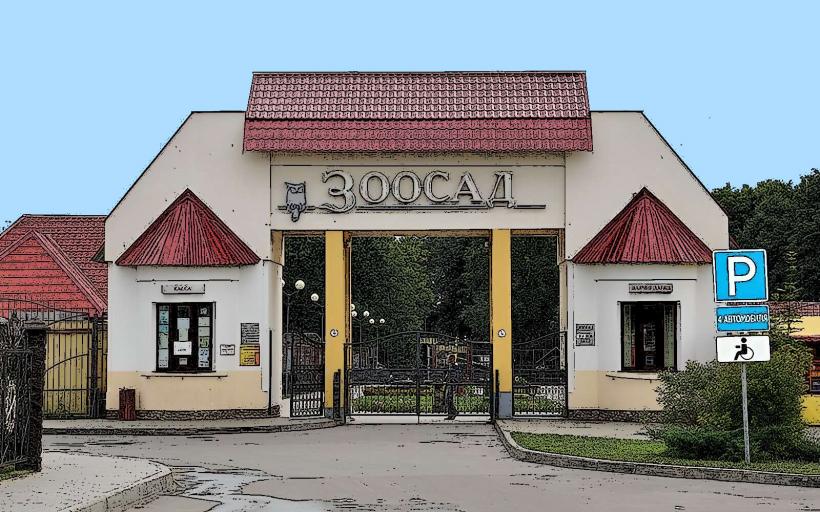
- Mogilev Zoo: 2.5km North
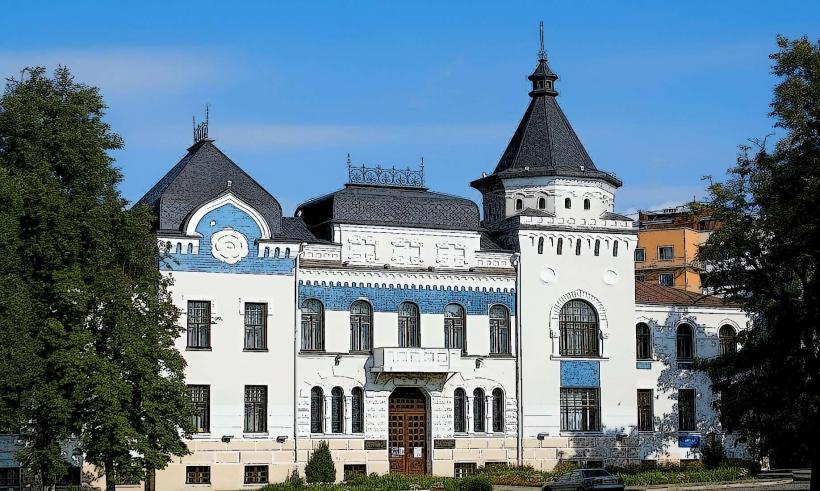
- Mogilev Regional Museum of Local Lore: 9km Northeast
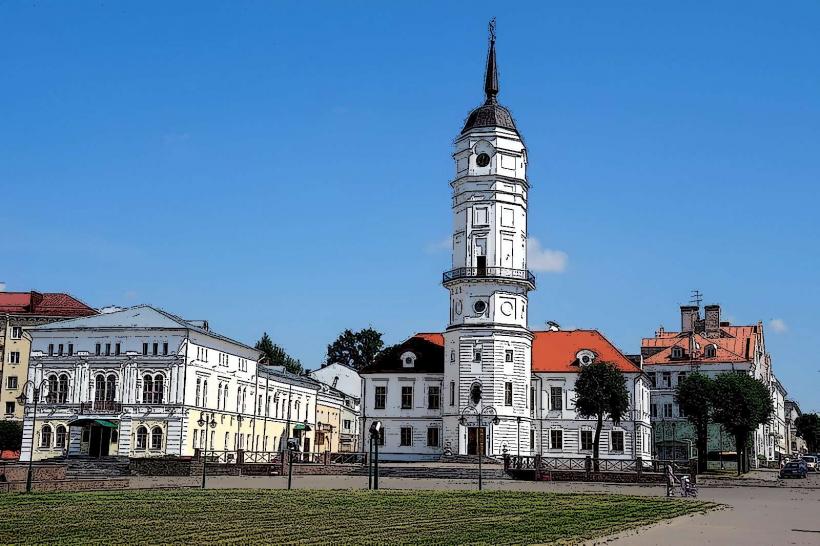
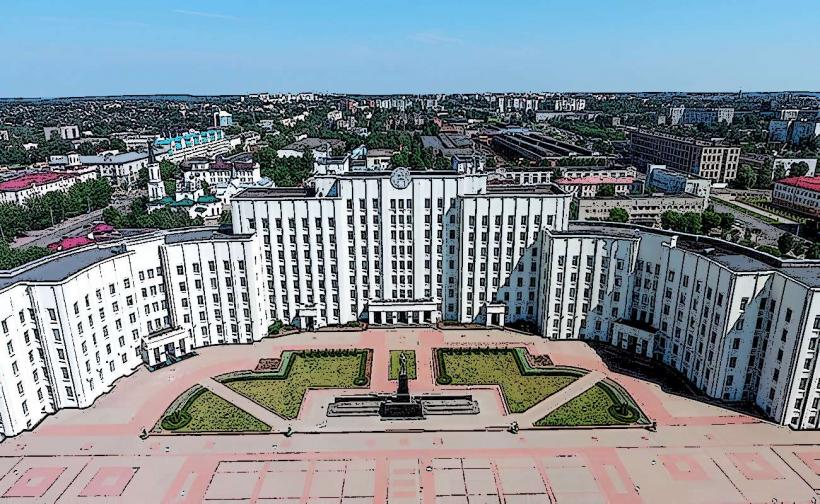
- Mogilev City Hall: 9.5km Northeast
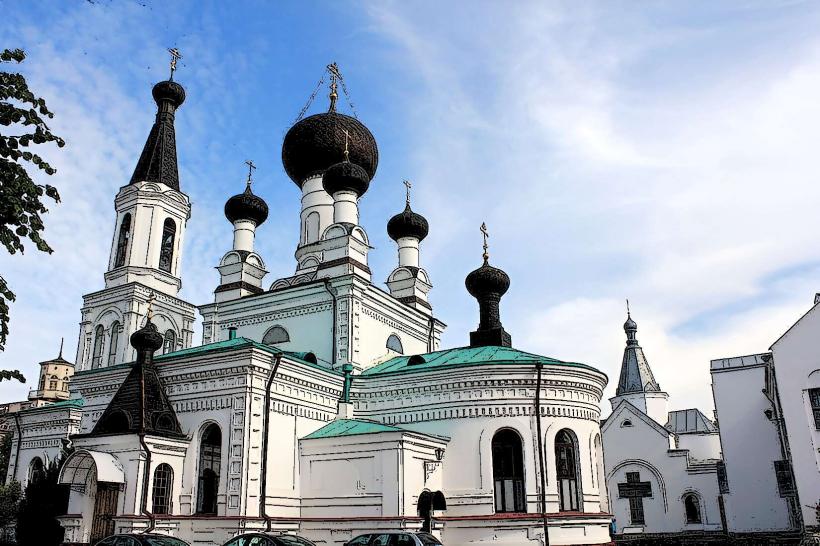
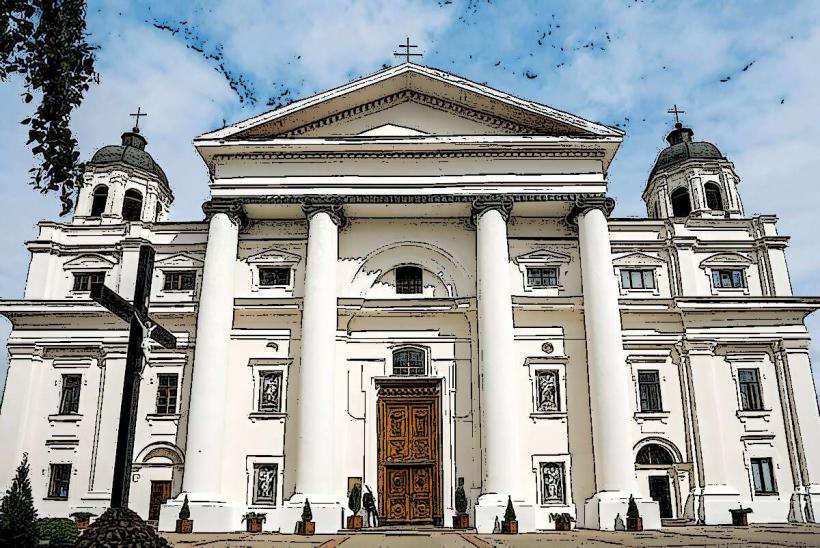
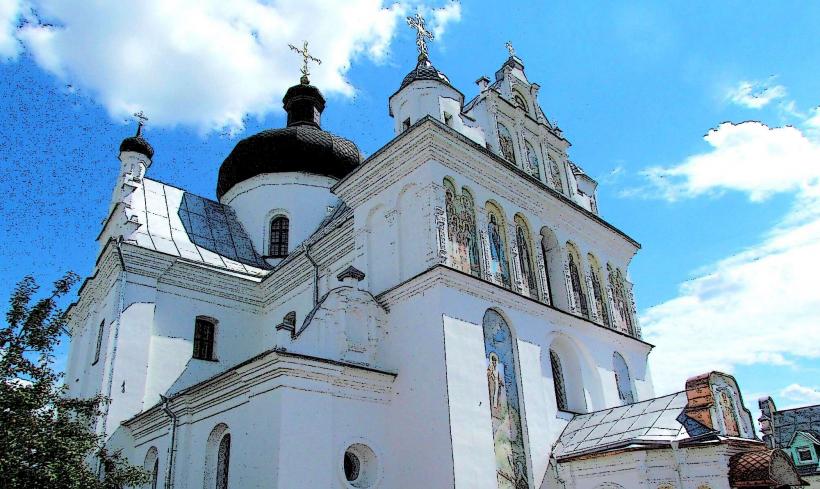
- St. Stanislaus Cathedral: 9.8km Northeast