Information
Landmark: Castelo de VideCity: Tomar
Country: Portugal
Continent: Europe
Castelo de Vide, Tomar, Portugal, Europe
Castelo de Vide is a historic border town in the Alentejo region, widely regarded as one of the most romantic and well-preserved medieval villages in Portugal. While often grouped into heritage tours with Tomar, it is located 125 km (78 miles) east of Tomar, near the Spanish border in the District of Portalegre.
Visual Characteristics
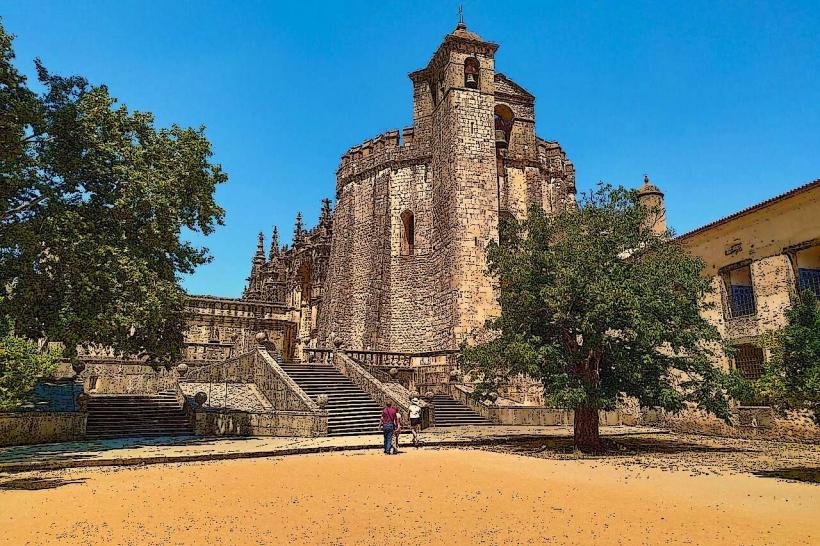
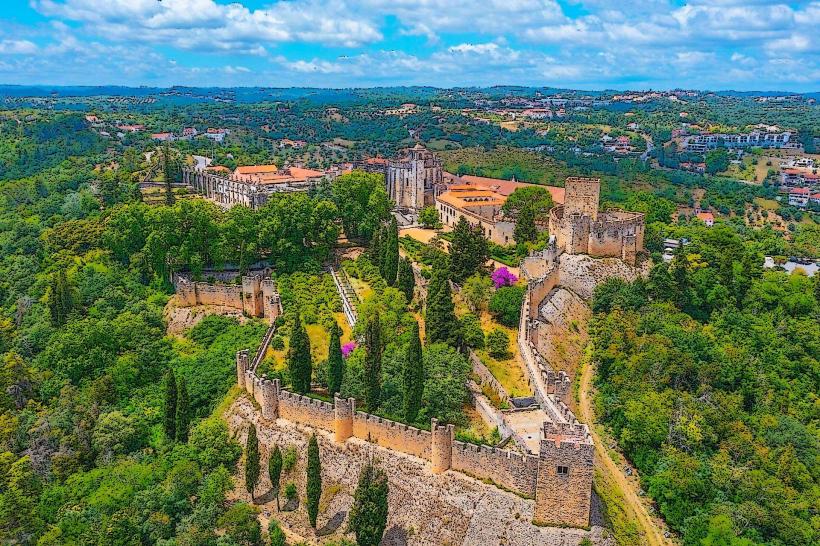
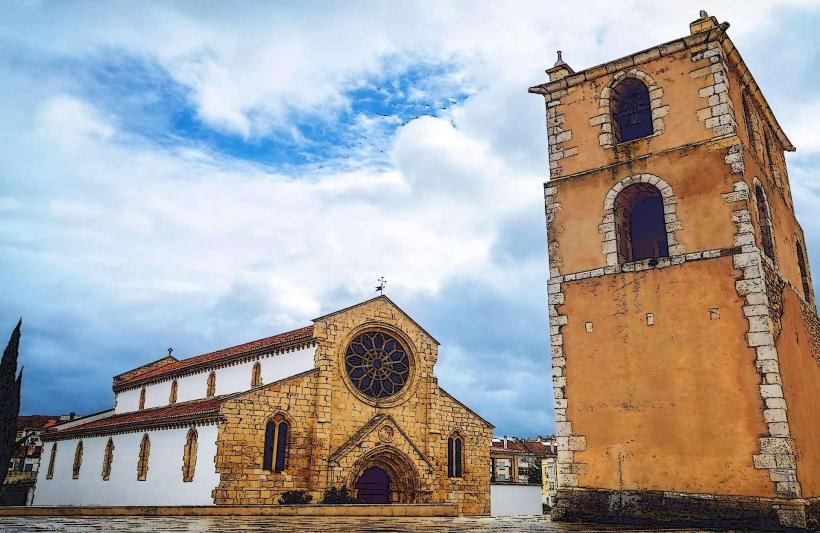
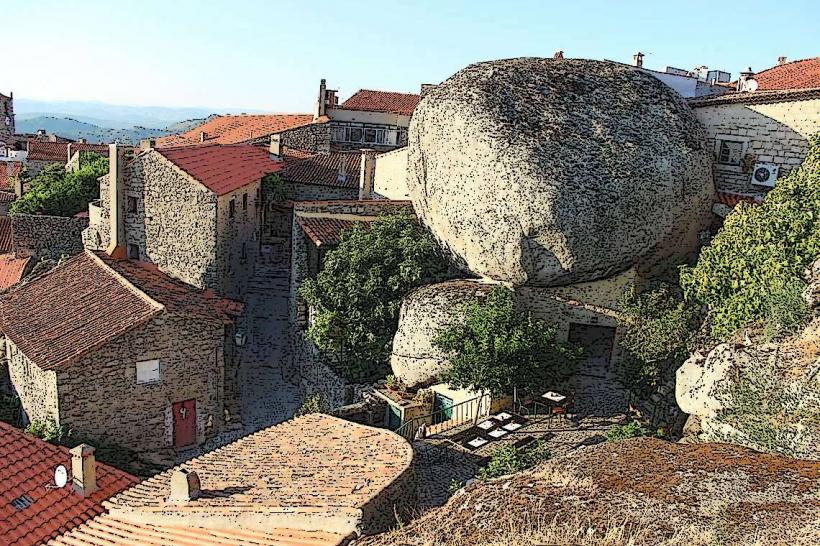
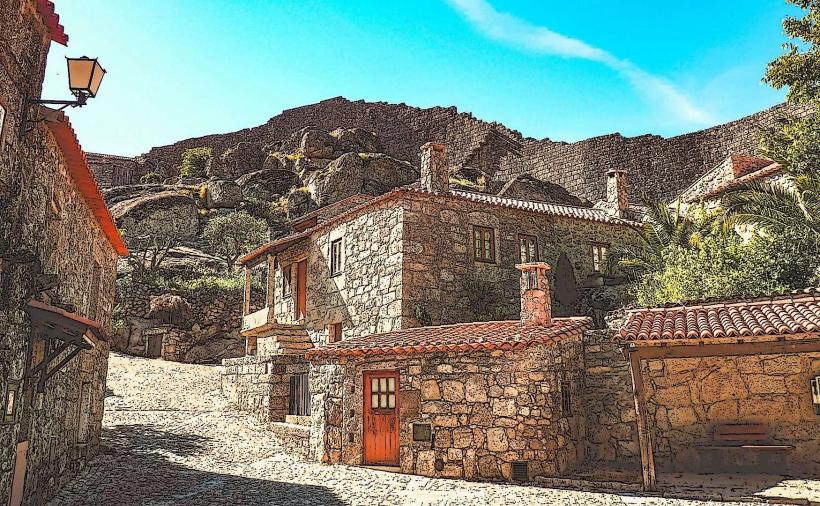
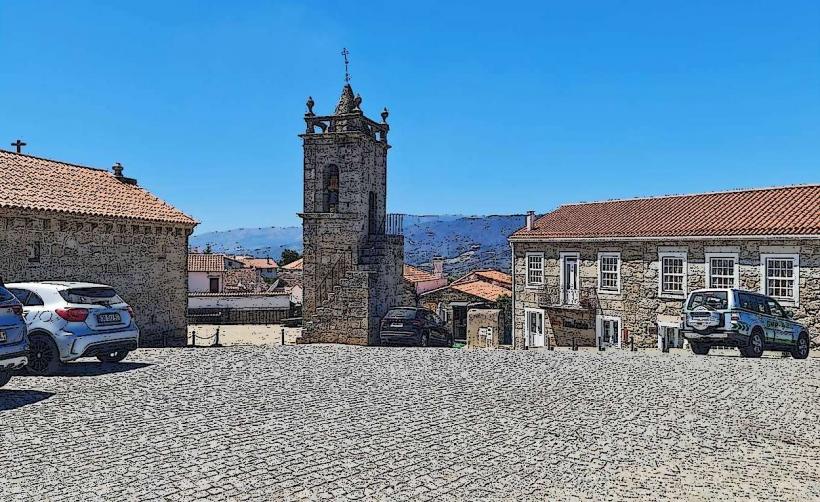
The town is defined by its whitewashed houses with red-tiled roofs, climbing a steep granite hillside toward a medieval castle. It is famous for its Judiaria (Jewish Quarter), featuring narrow, flower-lined alleys and over 50 Gothic-style pointed doorways. The architecture is a mix of military fortifications, Gothic religious structures, and Baroque civic buildings.
Location & Access Logistics
From Tomar: Approximately a 1-hour and 30-minute drive via the A23 and N246.
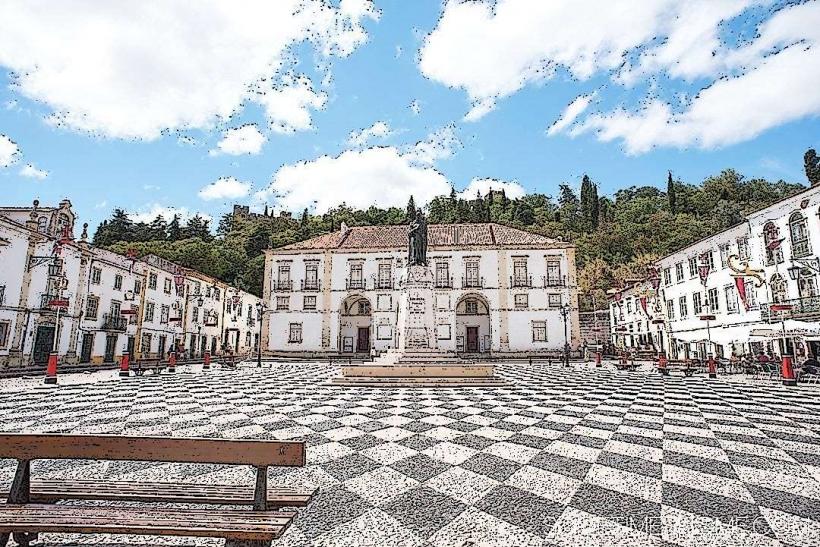
Parking: Best situated at the Praça D. Pedro V (the main square) or the lower town. Driving into the medieval quarter is highly discouraged due to extremely narrow streets.
Public Transit: Served by Rede Expressos buses from Lisbon or Portalegre; rail access is limited as the station is 4km from the town center.
Historical & Ecological Origin
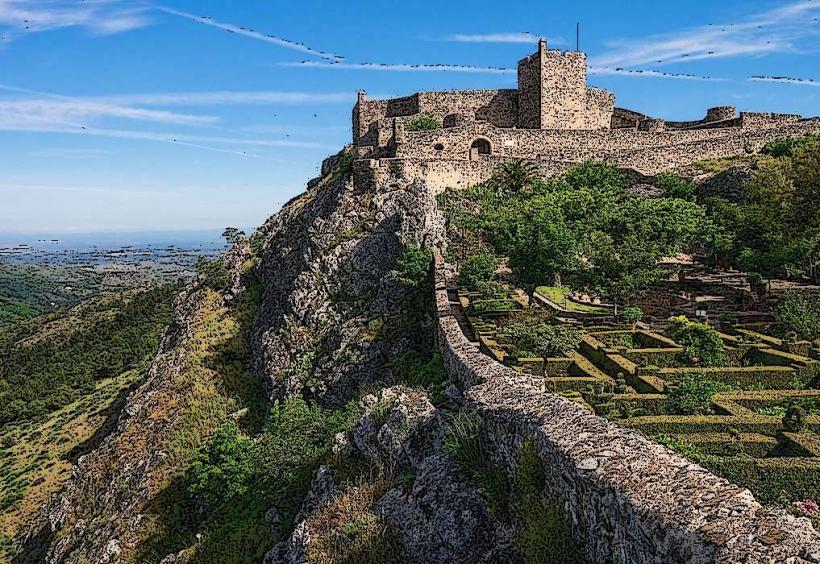
Fortification: The castle was rebuilt by King Dinis in the late 13th century. It served as a strategic "sentinel" against Spanish incursions.
The Jewish Quarter: One of the most important in Portugal, established by refugees fleeing the Inquisition in Spain in 1492.
Natural Resources: Known as "Sintra of the Alentejo" due to its lush microclimate and thermal springs. It sits within the Serra de São Mamede Natural Park, characterized by granite outcrops and chestnut groves.
Key Highlights & Activities
The Castle & Keep: Offers a panoramic 360-degree view of the surrounding plains and the Spanish border.
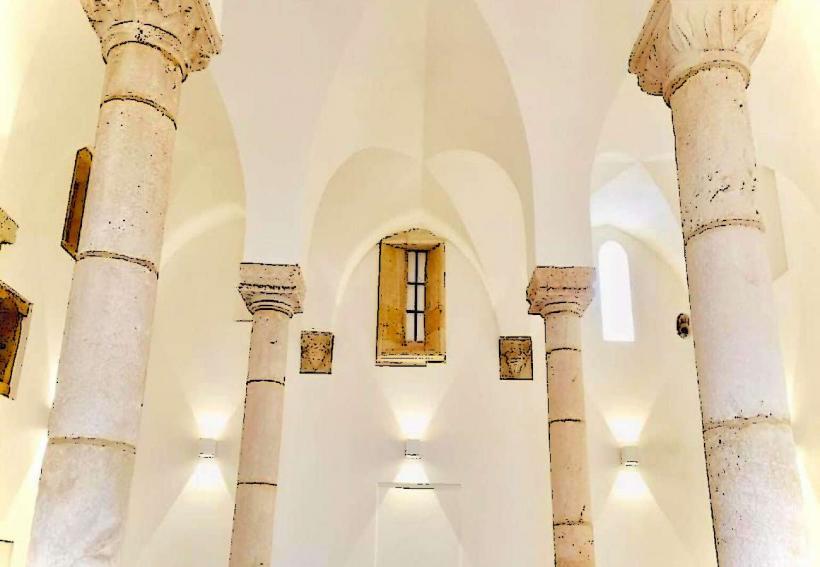
The Medieval Synagogue: A 14th-century building, now a museum, which is the oldest in Portugal along with the one in Tomar.
Fonte da Vila: An ornate 16th-century Renaissance fountain in the Jewish Quarter known for its high-quality mineral water.
Burgo Medieval: Exploring the labyrinthine streets between the castle walls and the town center.
Infrastructure & Amenities
Tourism Office: Located in the main square (Praça D. Pedro V).
Accommodations: Includes several boutique guest houses and a historic Pousada.
Connectivity: 5G coverage is excellent in the lower town but can fluctuate inside the dense stone walls of the castle.
Accessibility: The lower town is accessible, but the castle and Judiaria involve steep, slippery cobblestone inclines.
Best Time to Visit
Easter: The town holds a unique celebration mixing Catholic and Jewish traditions (specifically the blessing of the lambs).
Spring: March to May is ideal for hiking in the surrounding São Mamede mountains.
Summer: August hosts many medieval fairs, though temperatures can exceed 38°C (100°F).
Facts & Legends
A local legend surrounds the "Lady of the Spear" (Nossa Senhora da Penha), who supposedly appeared on the nearby mountain to warn the townspeople of a Spanish ambush. Historically, the town is famous for its "Gothic Portals"-the sheer number of pointed-arch doorways in the Judiaria is the highest concentration in the Iberian Peninsula.
Nearby Landmarks
Marvão (12 km) – A dramatic clifftop fortress town visible from Castelo de Vide.
Portalegre (20 km) – The regional capital, known for its tapestry museum.
Roman Ruins of Ammaia (15 km) – An excavated Roman city near Marvão.