Information
Landmark: Church of St. John the BaptistCity: Nessebar
Country: Bulgaria
Continent: Europe
Church of St. John the Baptist, Nessebar, Bulgaria, Europe
Overview
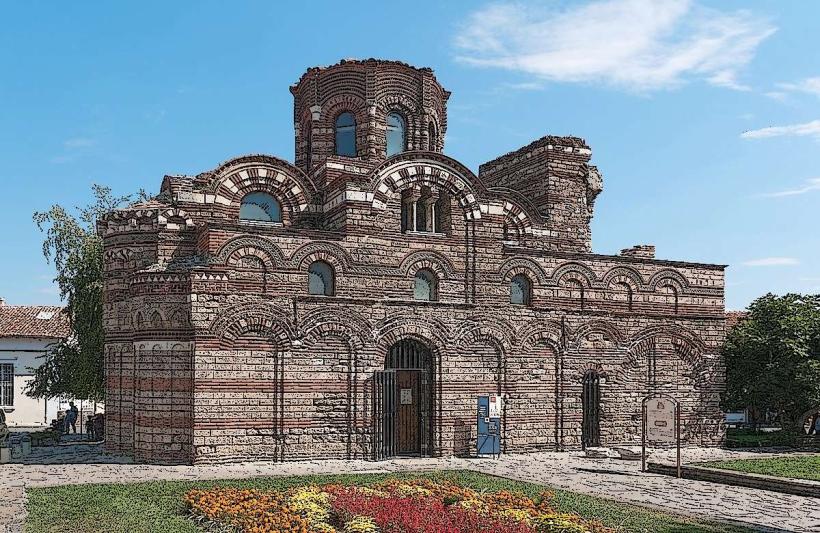
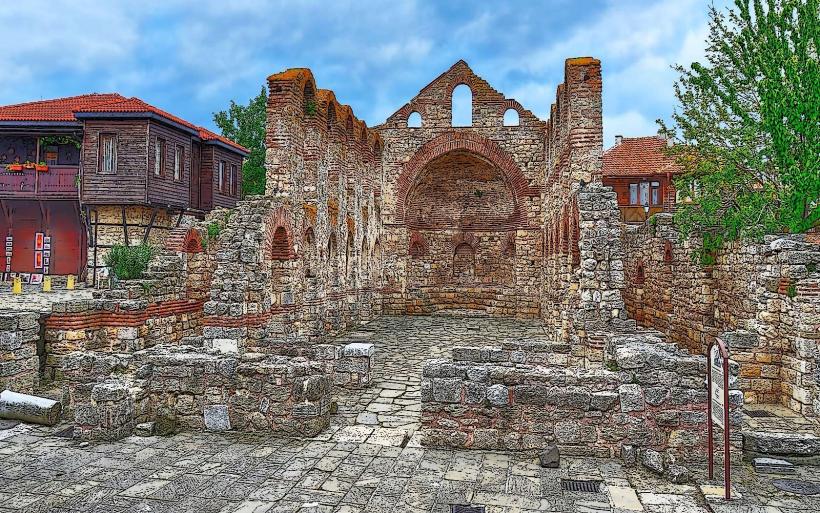
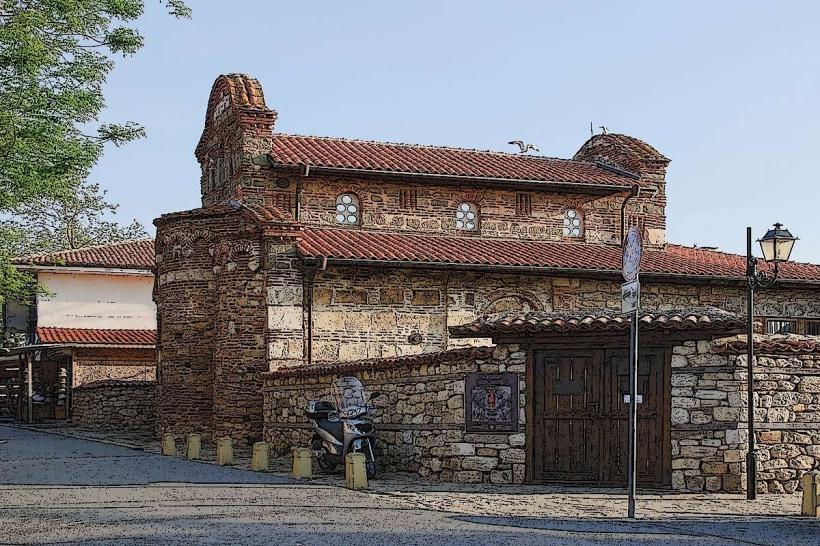
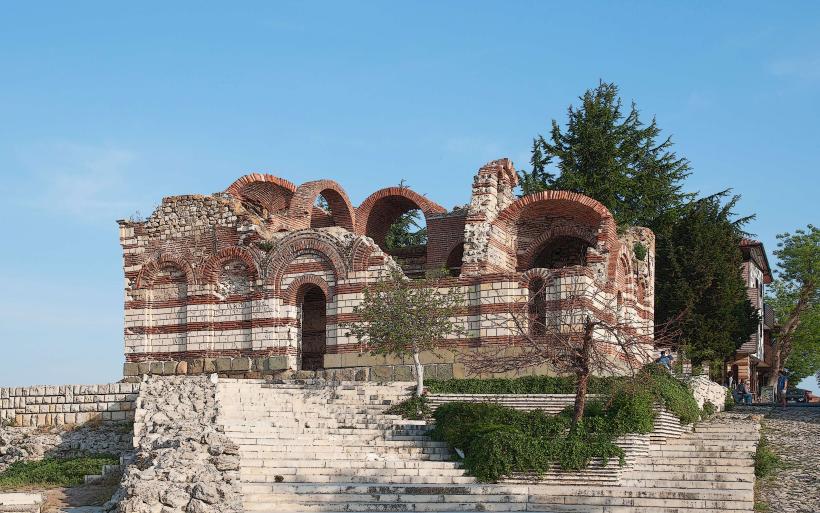
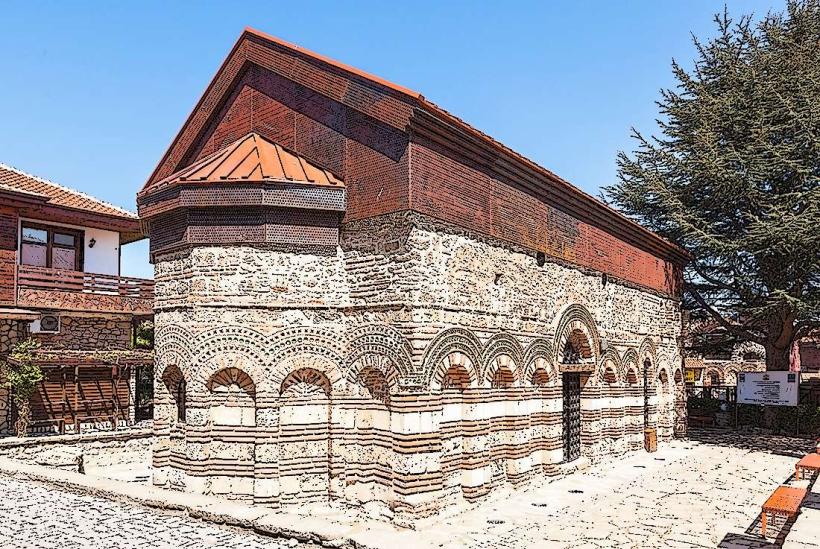
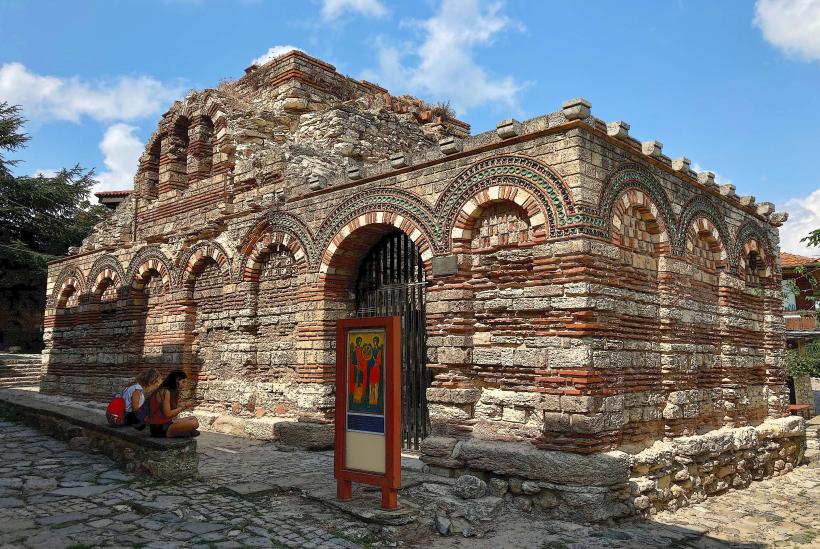
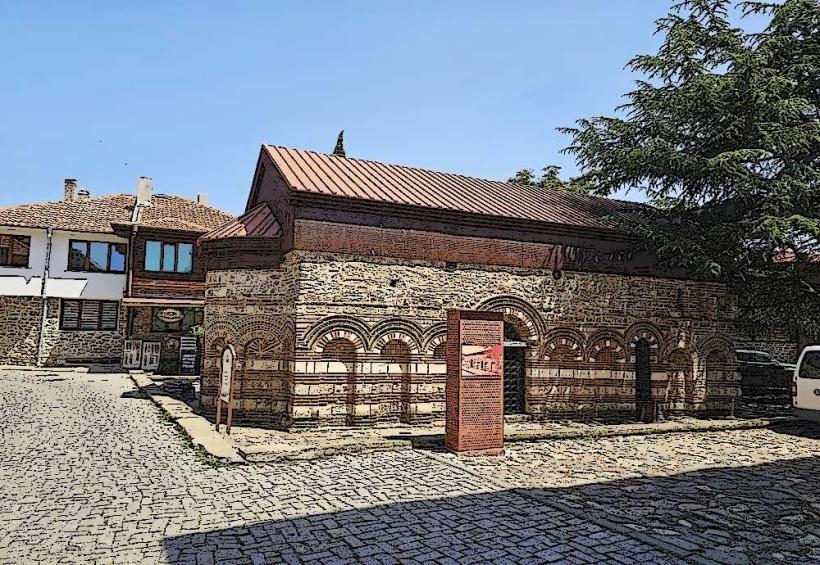
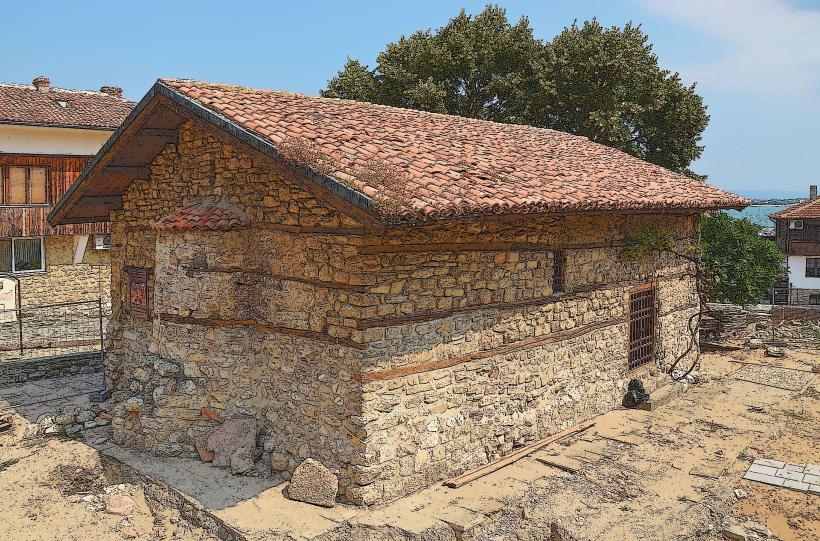
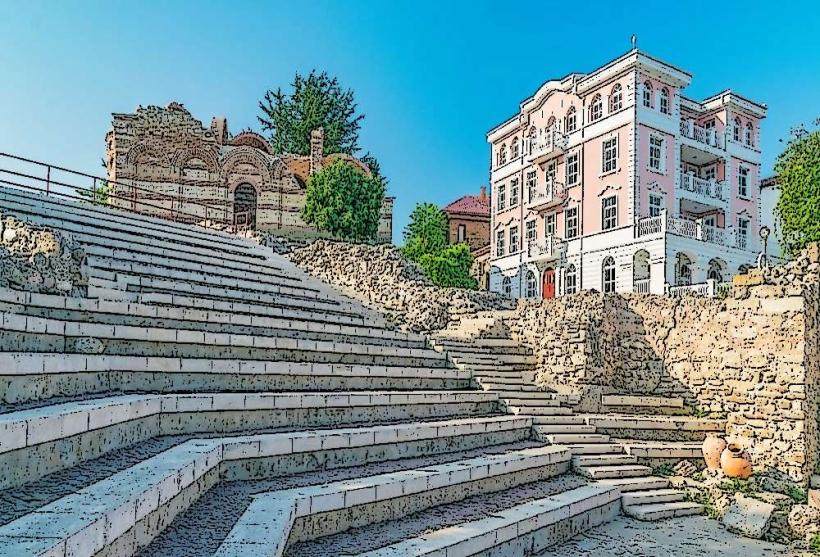
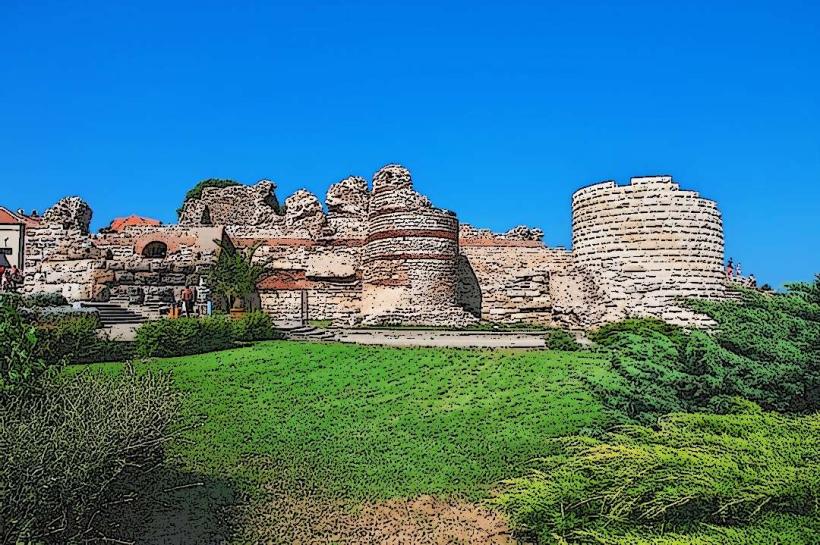
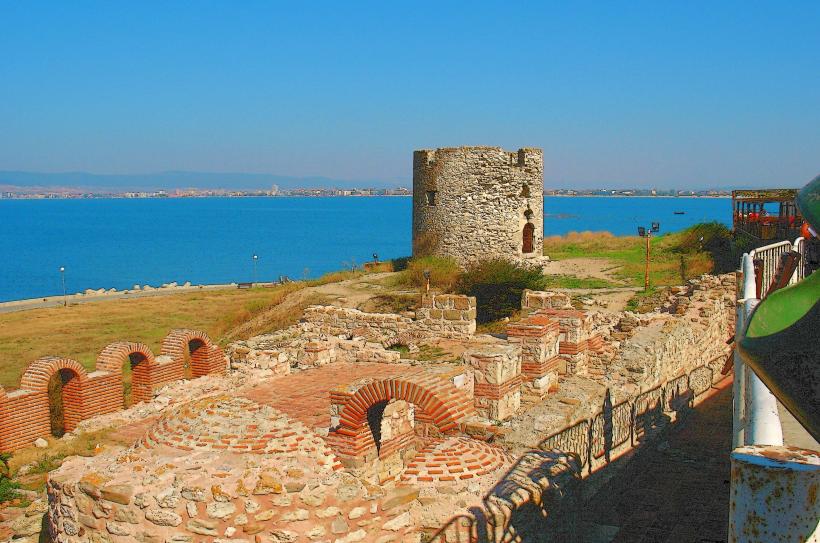
Believe it or not, In Nessebar, the Church of St, therefore john the Baptist stands as a striking medieval landmark, its weathered stone walls telling centuries-ancient stories.Like several other churches in Nessebar’s Ancient City, it’s woven into Bulgaria’s deep Byzantine and medieval Christian history, its weathered stones helping preserve the city’s locale on UNESCO’s World Heritage list, besides the church stands out for its striking architecture and its link to St. John the Baptist, a towering figure in Christianity whose name echoes in centuries-aged hymns, also the Church of St, moderately John the Baptist was probably built sometime between the 5th and 6th centuries, when its stones first caught the morning light, consequently widely regarded as one of Nessebar’s earliest Christian churches, it shows the city’s shift from pagan rites to Christian worship, like sunlight breaking through a obscure doorway.No one’s sure exactly when it was built, but most agree it went up during the years Nessebar belonged to the Byzantine Empire, when the streets echoed with the sound of merchants calling out their wares, on top of that during this time, the city grew into a vibrant hub of Christian worship and culture, with church bells echoing through its narrow streets.The church is dedicated to St, simultaneously john the Baptist, honored as Christ’s forerunner, and his feast on June 24 once filled medieval towns with bells and radiant processions, kind of Tradition holds that he cleared the path for Christ’s ministry, like a voice calling out in the quiet before dawn, alternatively the Church of St. John the Baptist stands out as a remarkable early Byzantine landmark in the area, with stone arches that catch the morning light, therefore the church’s layout forms a cruciform shape, with a tall central nave flanked by two side aisles and an apse glowing softly at the eastern end.On the western side, you’ll find a narthex-the entrance hall-just as early Christian basilicas often had, with stone steps worn smooth by countless feet, moreover its size is modest, much like other miniature churches from that era, yet every line and arch has been measured with care to make the space feel balanced and calm.The exterior combines sturdy stone with warm red brick, a mix often seen in Byzantine church architecture, not only that the exterior’s lined with brickwork-simple blind arcades, patterned rows of red clay, and other motifs typical of the region’s early Christian churches.On the west side, a raised, richly carved portal greets visitors, its intricate stonework catching the eye as they step toward the church, along with inside, much like other early churches, the walls were probably radiant with frescoes and icons, though centuries have left most of them faded or gone.The altar would have stood in the apse, where candles flickered and religious ceremonies took venue, what’s more people gathered in the narthex before stepping into the church’s sacred space, a pause that marked the shift from the noise of the street to the hush of the holy.The church, dedicated to St, to boot john the Baptist, honors the man who paved the way for Christ in Christian tradition, much like a lone voice calling out in the desert.Jesus’ baptism in the cool, flowing waters of the Jordan is a cornerstone of Christian liturgy, and the church likely hosted baptisms along with other sacred rites, also people honored St. John the Baptist as a prophet, and in the Byzantine world, they regarded him as one of their most revered saints, his image often gleaming in gold on church walls, consequently the church likely stood at the heart of local worship, especially during grand celebrations like the Nativity of St, relatively John the Baptist, when bells rang clear in the freezing morning air, and the solemn Feast of his Beheading, after that in Nessebar, where church bells often echoed through streets lined with stone houses, its location would’ve made it a vital spiritual heart for the largely Christian community.Over the centuries, the Church of St, in conjunction with john the Baptist slowly crumbled, especially after the Ottoman occupation, when countless churches were left to gather dust, converted to other uses, or simply abandoned.Quakes rattled its walls, and years of unhurried decay finished the job, leaving the church in ruins, along with by the 18th century, people had mostly forgotten the church, its wooden doors creaking in the wind.In recent years, people have worked to stabilize and save the structure, but much of its interior beauty-frescoes faded, mosaics cracked-has been lost or badly damaged, equally important today, the Church of St. John the Baptist stands silent, no longer serving as a region of worship, while it’s kept as a historical monument, and visitors can wander through its timeworn stone halls any day.These crumbling stone ruins belong to Nessebar’s vast network of medieval churches, drawing visitors who come to explore the city’s rich history and admire its intricate arches, furthermore the church is woven into Nessebar’s wider cultural tapestry, a town famed for its medieval churches with weathered stone, ancient walls, and deep Byzantine roots.The Church of St, while john the Baptist stands at the heart of Nessebar, carrying centuries of history and faith in its weathered stones, roughly Though it now stands in ruins, its plain lines, early Christian style, and devotion to one of the faith’s most revered saints still give it a quiet, lasting power, alternatively part of the UNESCO World Heritage Site, it stands as a vivid reminder of Nessebar’s role in early Balkan Christianity, giving visitors a glimpse of stone-carved churches and the city’s deep spiritual and architectural roots.
Author: Tourist Landmarks
Date: 2025-09-26