Information
Landmark: Citta AltaCity: Bergamo
Country: Italy
Continent: Europe
Citta Alta, Bergamo, Italy, Europe
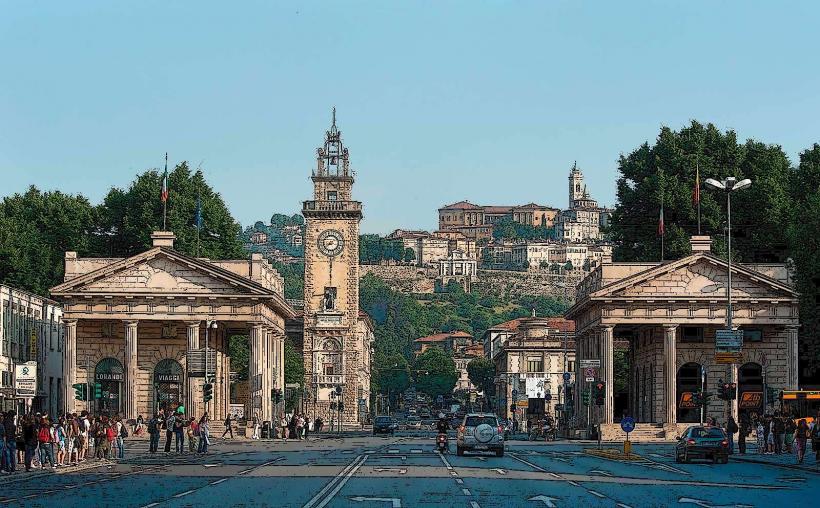
Città Alta is the historic hilltop district of Bergamo, Italy, enclosed by 16th-century Venetian defensive walls. It is situated approximately 50km northeast of Milan and overlooks the modern lower city, Città Bassa.
Visual Characteristics
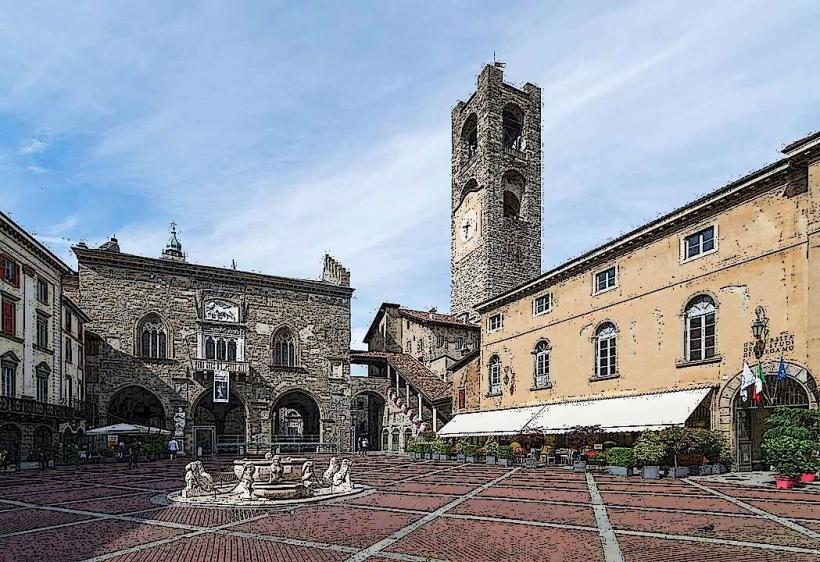
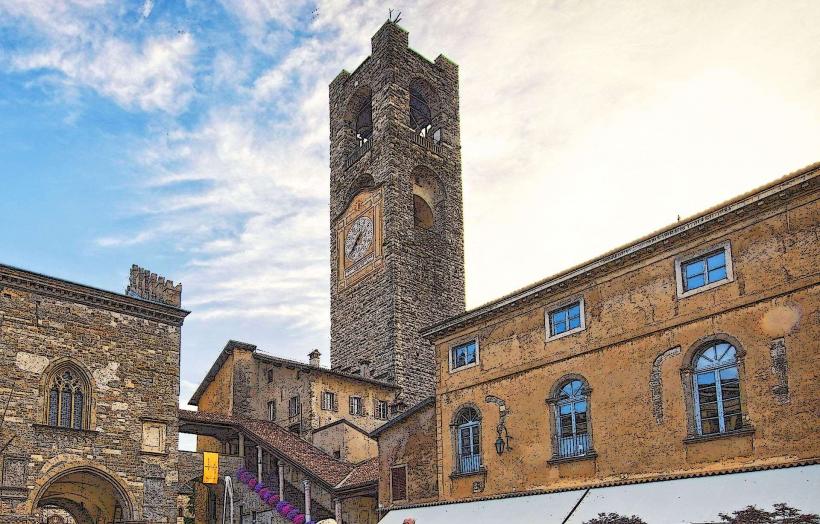
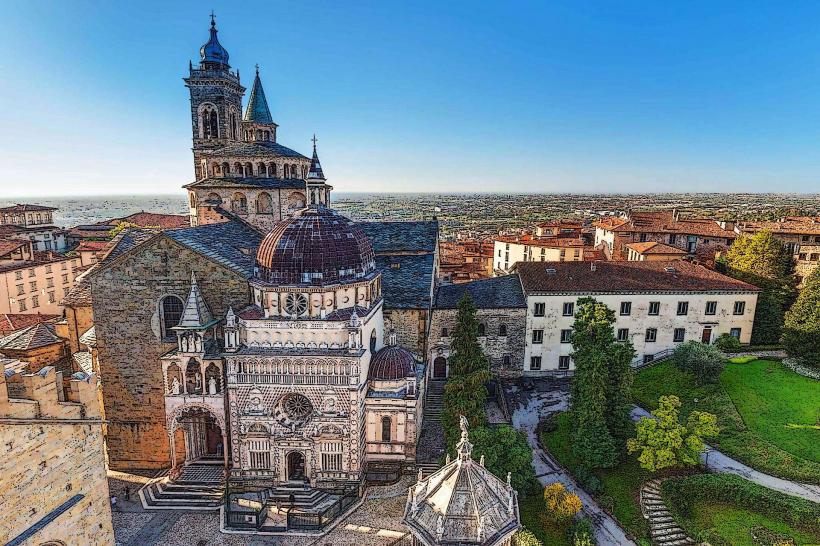
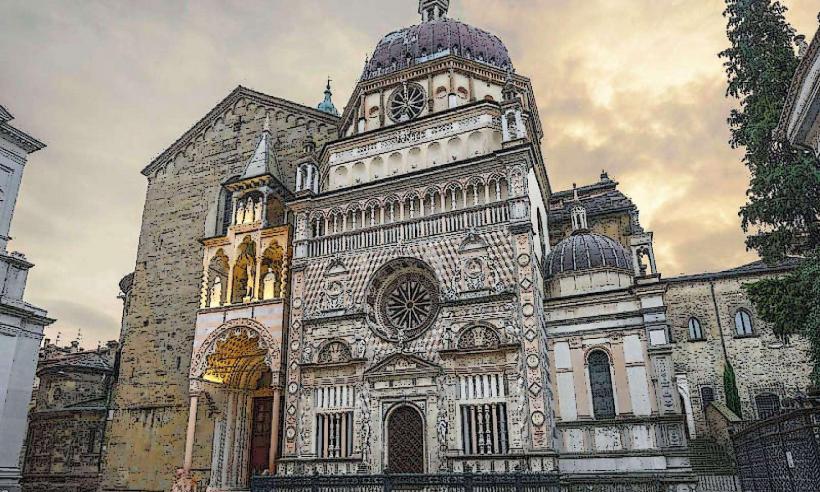
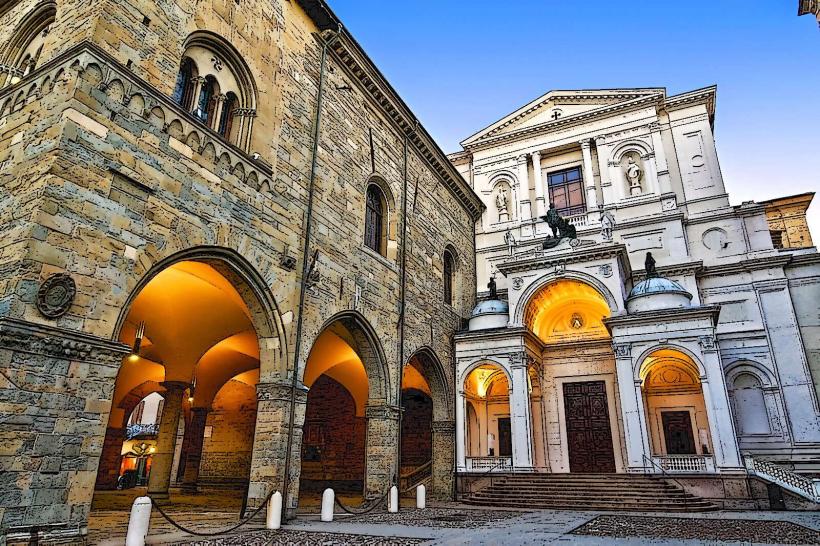
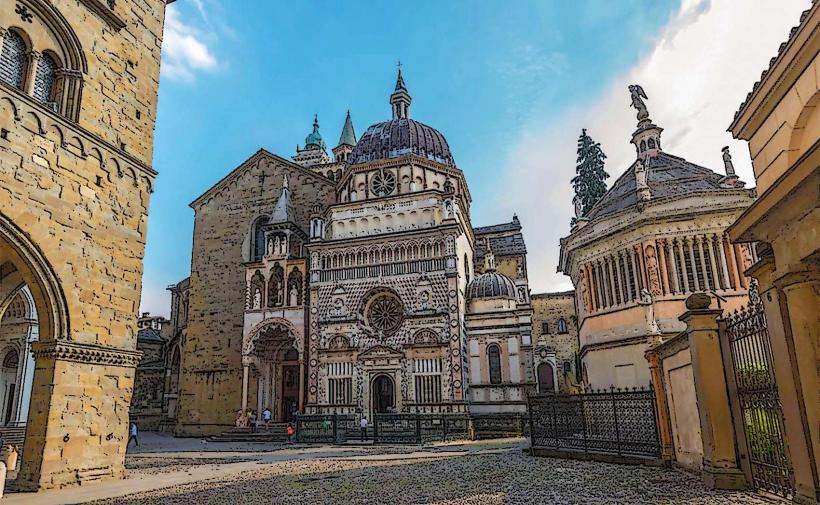
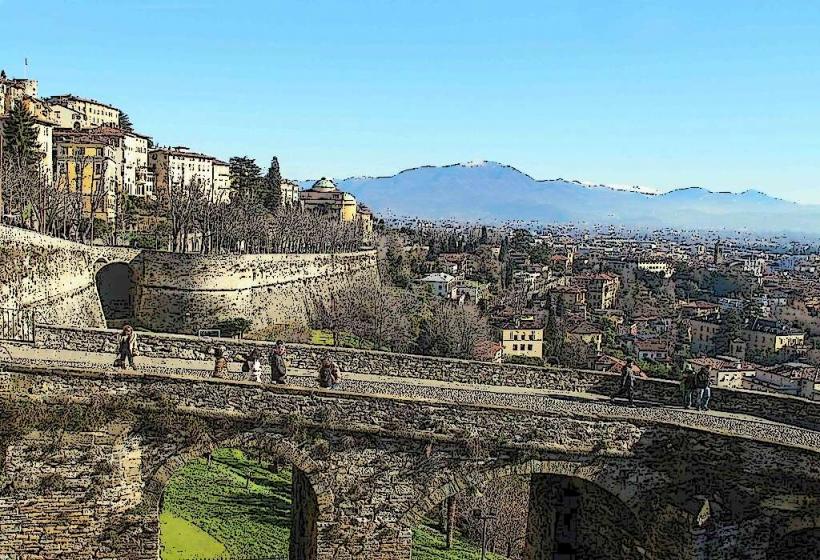
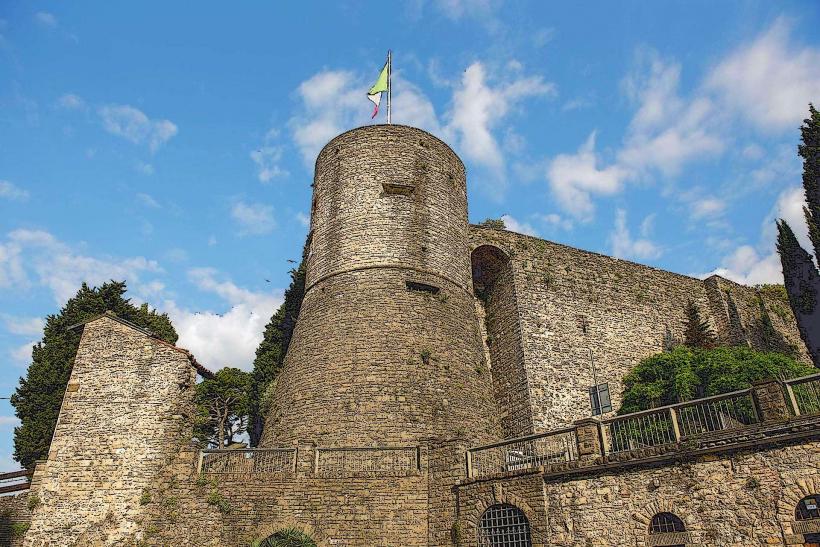
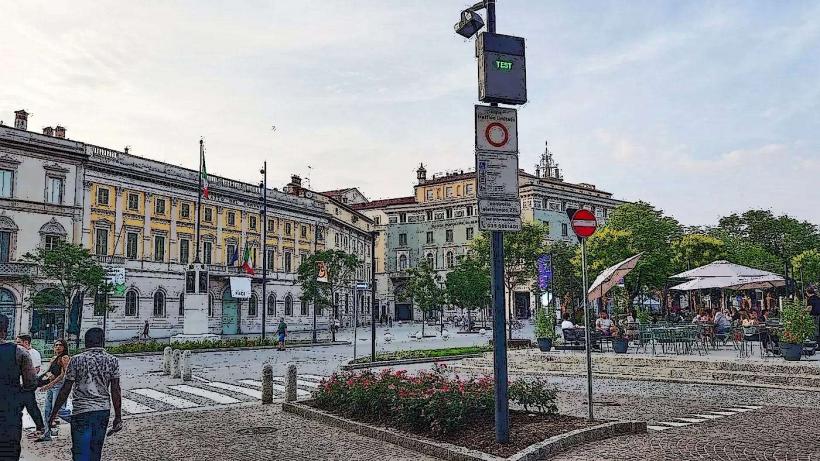
The district is characterized by narrow, winding cobblestone streets, medieval stone towers, and Renaissance plazas. The architecture predominantly utilizes local gray sandstone and terracotta brick, with the skyline dominated by the civic bell tower (Campanone) and the domed roof of the Cathedral. The perimeter is defined by the Venetian Walls, a 6km circuit of massive masonry fortifications featuring four monumental stone gates: San Giacomo, Sant'Agostino, Sant'Alessandro, and San Lorenzo.
Location & Access Logistics
Access from Città Bassa is primarily via the historic Funicular, which departs from Viale Vittorio Emanuele II and arrives at Piazza Mercato delle Scarpe. By car, access is restricted to residents during most hours; visitors must use peripheral parking lots such as Parcheggio della Fara or park in the lower city and take the Line 1 bus. From Orio al Serio Airport (BGY), the "Airport Bus" provides direct transit to the hilltop in approximately 30 minutes.
Historical & Ecological Origin
The site has been inhabited since the Iron Age due to its strategic elevation on the final foothills of the Orobie Alps. The current urban layout was finalized during the Venetian Republic's rule (1428–1797), which oversaw the construction of the defensive walls starting in 1561. Geologically, the hill is composed of "Sarnico sandstone" and conglomerate rock, which provided the primary building material for the fortifications and palaces.
Key Highlights & Activities
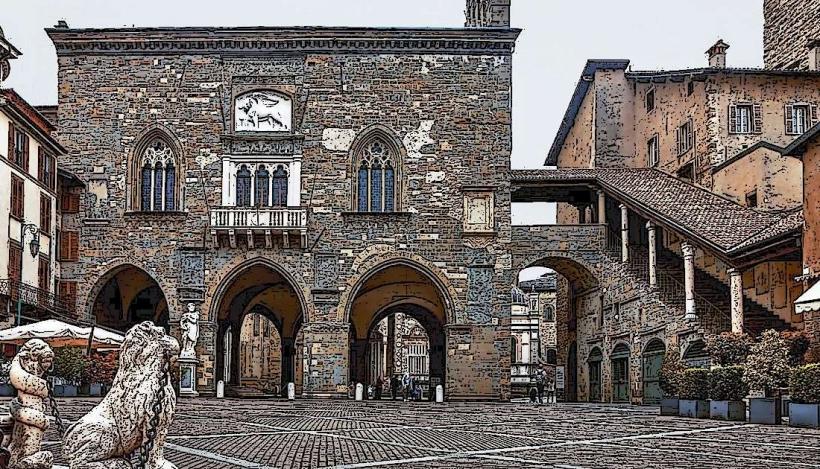
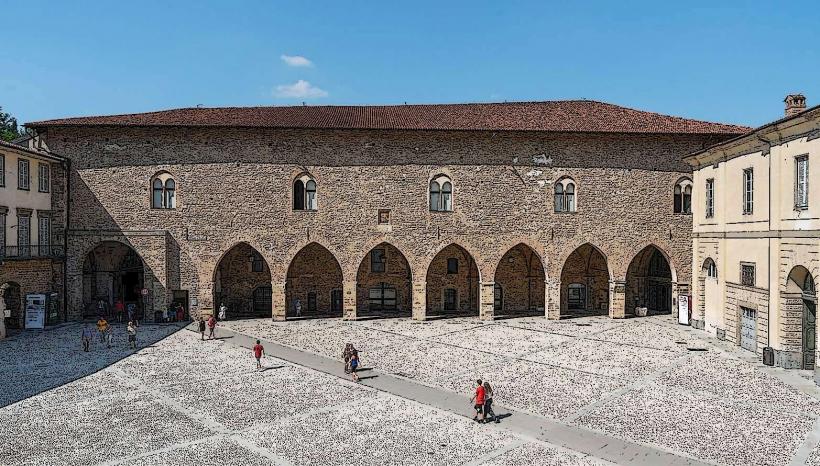
Primary activities include walking the elevated promenade atop the Venetian Walls, which provides panoramic views of the Po Valley. Piazza Vecchia serves as the central hub, housing the Palazzo della Ragione and the Contarini Fountain. Visitors can climb the 230 steps of the Campanone or tour the interior of the Basilica di Santa Maria Maggiore, known for its Flemish tapestries and intarsia woodwork.
Infrastructure & Amenities
Public restrooms are located near the upper funicular station and in the Torre di Adalberto area. The district is a pedestrian-heavy zone with steep inclines and uneven paving. 5G cellular coverage is consistent across the hill. Numerous historic bakeries, cafes, and trattorias are concentrated along the main thoroughfare, Via Colleoni. Water fountains (vedovelle) providing potable water are located in major squares.
Best Time to Visit
For photography, sunrise and sunset offer the best lighting for the brickwork and views over the lower city. The district is most active during the weekends; visiting on a Tuesday or Wednesday morning provides a quieter experience. The funicular is best utilized in the early morning to avoid long queues during peak tourist season (June–September).
Facts & Legends
At 22:00 every night, the bell of the Campanone strikes 100 times. This tradition dates back to the era of Venetian rule, when the bells signaled the closing of the city gates. Historically, any citizen found outside the walls after the final stroke faced arrest or fines. A local culinary fact: the "Stracciatella" gelato flavor was invented in 1961 at La Marianna, a pastry shop located near the Colleoni Gate.
Nearby Landmarks
Basilica di Santa Maria Maggiore: 0.1km South
Rocca di Bergamo (Fortress): 0.4km East
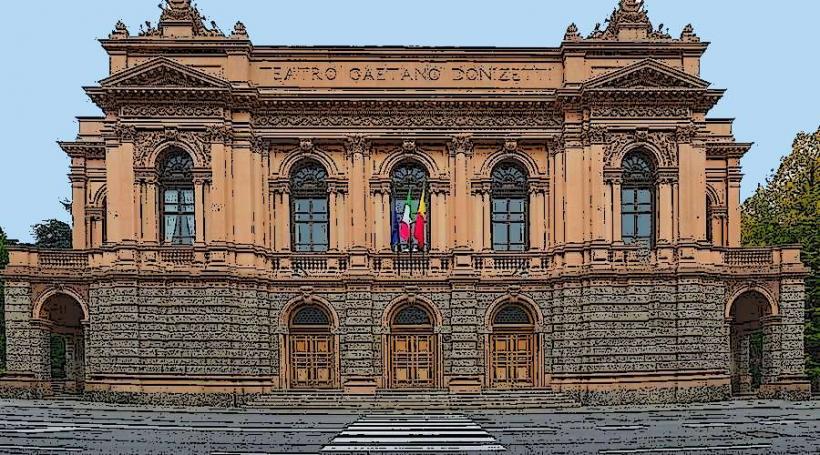
Donizetti Museum: 0.2km West
Castello di San Vigilio: 1.0km Northwest (via secondary funicular)
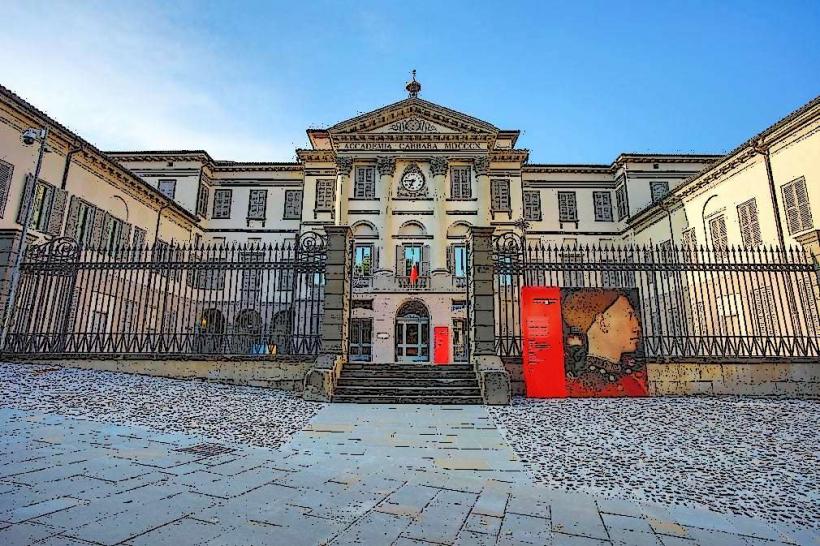
Accademia Carrara: 1.2km East (located at the base of the hill)