Information
Landmark: Dendrarium ParkCity: Chisinau
Country: Moldova
Continent: Europe
Dendrarium Park, Chisinau, Moldova, Europe
Dendrarium Park is a significant botanical garden and recreational space situated in the northwestern sector of Chisinau, Moldova.
Visual Characteristics
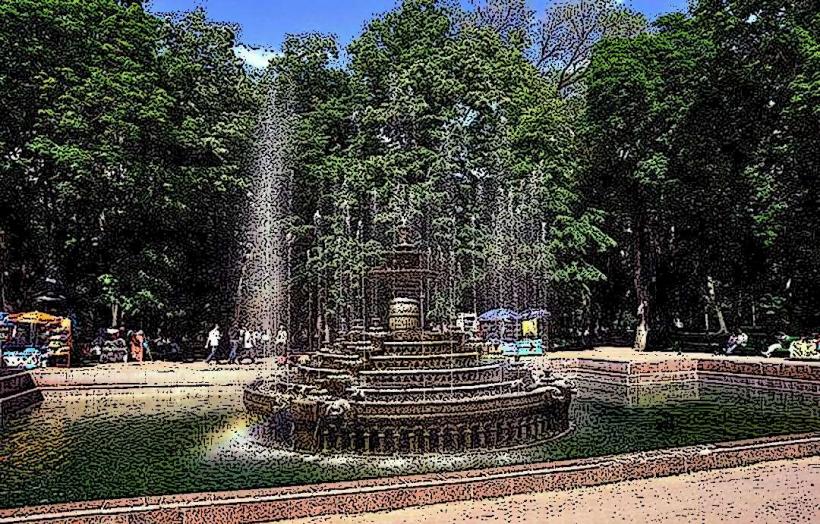
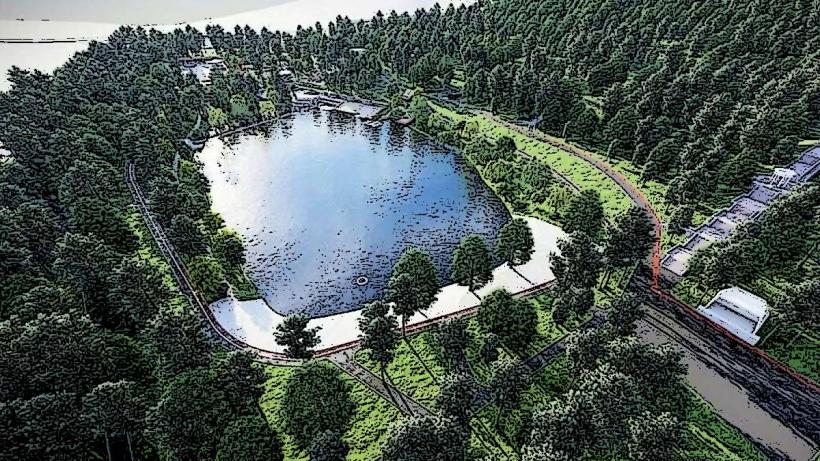
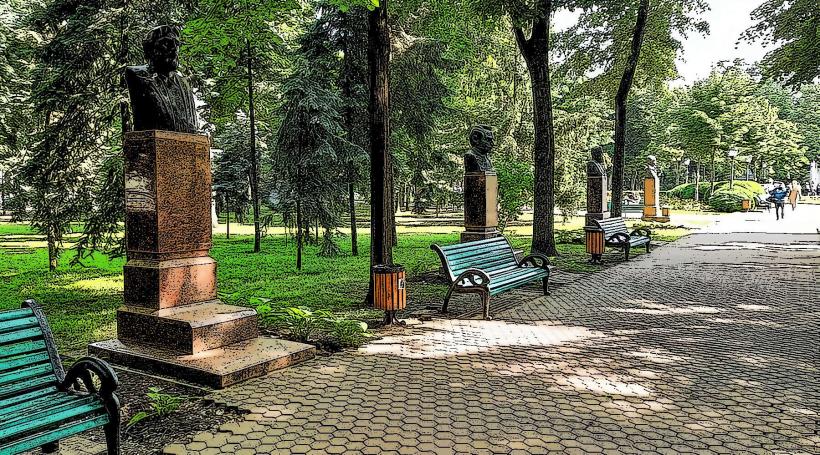
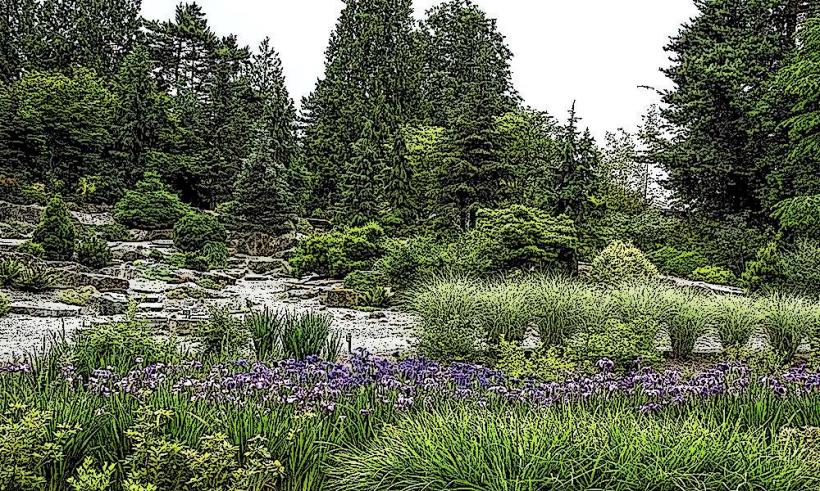
The park spans approximately 77 hectares, characterized by diverse arboreal collections, open lawns, and several artificial lakes. Dominant features include mature deciduous and coniferous trees, extensive rose gardens, and various ornamental shrubs. Pathways are primarily paved or gravel, winding through areas of varying vegetation density. The landscape incorporates gentle slopes and flat expanses, with water features providing reflective surfaces and habitat for aquatic flora.
Location & Access Logistics
The park is located at Calea Ieșilor 5, approximately 4 kilometers northwest of Chisinau's city center. Access is primarily via Calea Ieșilor, a major thoroughfare. Limited street parking is available along the perimeter roads, and a small dedicated parking area exists near the main entrance. Public transport options include trolleybus lines 1, 4, and 8, which have stops directly adjacent to the park's main entrance.
Historical & Ecological Origin
Dendrarium Park was established in 1973 on the site of a former botanical garden, with its origins tracing back to the 1950s. Its primary purpose was to serve as a scientific research institution for dendrology and a public recreational area. The park's design incorporates elements of landscape architecture, focusing on the collection and display of various tree and plant species adapted to the local climate.
Key Highlights & Activities
Visitors can engage in walking and jogging along the extensive network of trails. The Rose Garden, featuring numerous rose varieties, is a central attraction. Boating is available on the main lake during warmer months. Specific areas are dedicated to collections of conifers, broadleaf trees, and medicinal plants. Photography is permitted throughout the park.
Infrastructure & Amenities
Restrooms are available near the main entrances and at several points within the park. Benches are strategically placed along pathways for rest. The park offers substantial natural shade from its mature tree canopy. Cell phone signal (4G/5G) is generally reliable throughout the area. Small kiosks selling refreshments and snacks are typically operational near the main entrances during peak seasons.
Best Time to Visit
The best time to visit for floral displays is from late April to early June, when the rose gardens and other flowering plants are in bloom. Autumn, specifically September and October, offers vibrant foliage colors. Mornings provide softer light for photography and cooler temperatures for walking. The park is accessible year-round, though some activities like boating are seasonal.
Facts & Legends
The park is home to over 1,000 species, forms, and varieties of trees, shrubs, and herbaceous plants, including several rare and endangered species. A local anecdote suggests that the park's initial layout was inspired by traditional Moldovan carpet patterns, though this remains an unverified claim.
Nearby Landmarks
- Valea Morilor Park: 2.5km Southeast
- National Museum of Ethnography and Natural History: 3.8km Southeast
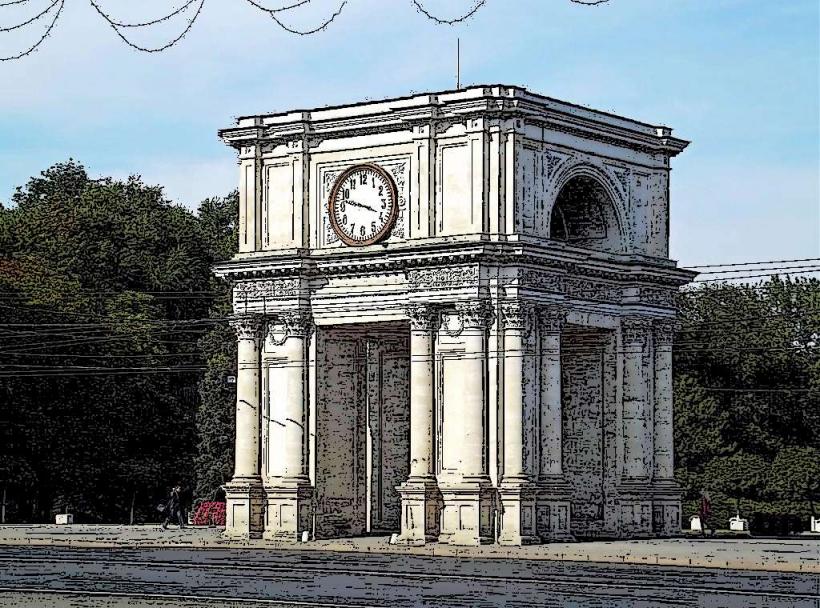
- Triumphal Arch: 4.2km Southeast
- Cathedral Park: 4.3km Southeast