Information
Landmark: Drin River DeltaCity: Lezhe
Country: Albania
Continent: Europe
Drin River Delta, Lezhe, Albania, Europe
The Drin River Delta is a vast wetland ecosystem located at the mouth of the Drin River where it meets the Adriatic Sea in northwestern Albania. It forms part of the larger Kunë-Vain-Tale Managed Nature Reserve, situated approximately 5 kilometers west of the city of Lezhë.
Visual Characteristics
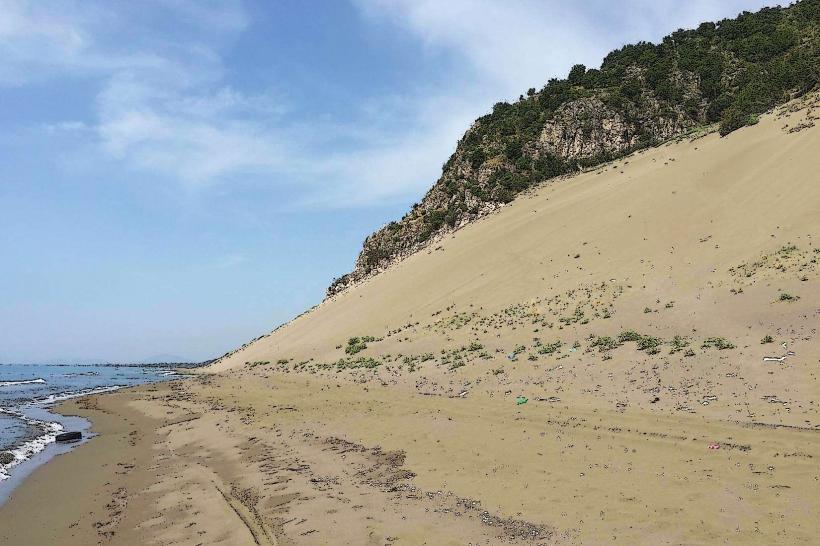
The landscape is a mosaic of brackish lagoons, freshwater marshes, sand dunes, and alluvial forests. The water color ranges from silty brown in the river channels to emerald and dark blue in the lagoons. The shoreline features fine, grey-tinted sand and dense thickets of tamarisks, reeds, and Mediterranean pines. The terrain is predominantly flat, with an average elevation of less than 2 meters above sea level.
Location & Access Logistics
Access is via the Rruga e Portit from Lezhë toward the coastal town of Shëngjin or the rural roads leading to the Kunë and Vain lagoons. The SH1 highway provides the primary link to Lezhë from Tirana (65km) and Shkodër (38km). There is no direct public bus service into the delta; visitors utilize taxis or private vehicles. Unpaved but navigable tracks lead to bird-watching towers and beaches, with informal parking available at the end of the Vain road.
Historical & Ecological Origin
The delta was formed by the sediment deposits of the Drin and Mat rivers over several millennia. In 1962, it became the first protected area in Albania, established to preserve its status as a critical migratory stopover. The ecological classification is a Mediterranean wetland, hosting over 270 species of birds and a variety of rare reptiles and amphibians.
Key Highlights & Activities
Bird watching is the primary activity, with sightings of pygmy cormorants, herons, and occasional flamingos. Small-scale artisanal fishing is conducted in the lagoons using traditional wooden "varkas." Hiking and cycling are possible along the perimeter dykes and sand spits. The Kunë Beach offers secluded swimming areas characterized by shallow, calm waters.
Infrastructure & Amenities
Infrastructure is minimal and focused on eco-tourism. There are several specialized seafood restaurants located at the edges of the lagoons. Public restrooms are only found within these private establishments. There is no grid electricity in the deeper marsh areas, and cellular signal (4G) is reliable only near the Shëngjin and Lezhë peripheries. Information boards are located at the reserve entrance.
Best Time to Visit
The best time for bird watching is during the spring (March–May) and autumn (September–November) migration periods. For general exploration and photography, the "blue hour" at dawn provides the best lighting for capturing reflections on the still lagoon waters. Summer is favorable for the beaches, though mosquito activity is high during evening hours.
Facts & Legends
A historical oddity of the delta is the "Ceka" lagoon system, which was artificially modified during the mid-20th century to manage siltation and improve fish yields. Local fishermen tell stories of ancient shipwrecks buried beneath the shifting sands of the delta, a claim supported by the proximity of the ancient Illyrian port of Lissus, though most remains are now deeply submerged under sediment.
Nearby Landmarks
Kunë Island: 0.5km West
Shëngjin Beach: 4.0km North
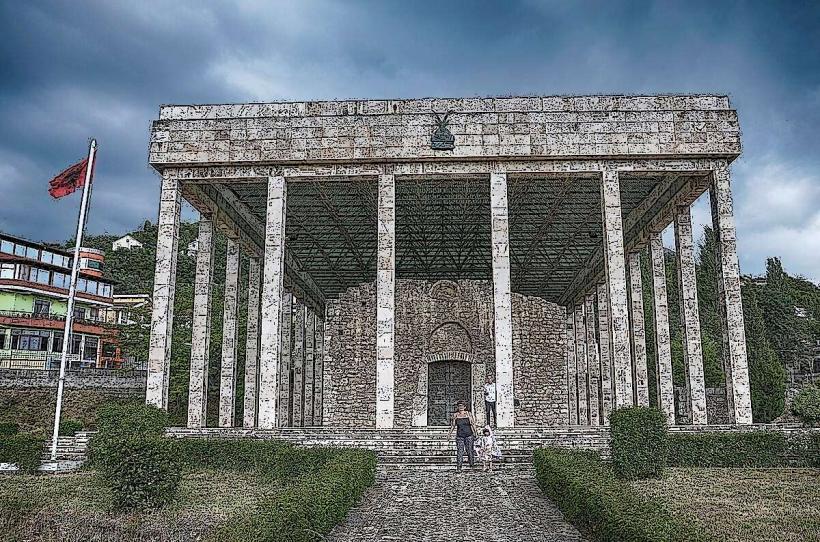
Memorial of Skanderbeg: 5.5km East
Lezhe-castle_lezhe" class="underline">Lezhë Castle: 6.5km Northeast
Vain Lagoon: 1.2km South